

 Podgląd w skali
 Wyślij jako kartkę
 Udostępnij
 Szczegóły dzieła

 Pobierz
 Podobne obiekty
 RTG
RTG Pokaz slajdów
Suite de trois pour une


 Rozwiń treść
Giclée / Wydruk artystyczny
Druk giclée lub płótno o jakości muzealnej, szybka realizacja i szeroki wybór opcji wykończenia. ( Zamów ręcznie malowaną reprodukcję Kup obraz wysokiej rozdzielczości)




































Wybierz spośród naszych standardowych rozmiarów, które zachowują oryginalne proporcje dzieła sztuki.

Możesz wprowadzić własne wymiary, aby dopasować dzieło do konkretnej ramy lub przestrzeni. Jeśli wybrany rozmiar nie będzie odpowiadał proporcjom oryginalnego obrazu, przytniecie dzieło lub rozszerzymy obraz za pomocą odbicia lustrzanego lub jednolitego wypełnienia krawędzi. Przed rozpoczęciem produkcji prześlemy cyfrową wizualizację do Twojej akceptacji.
Prosimy pamiętać, że podgląd na ekranie nie odzwierciedla faktycznego przycinania ani rozszerzania. Tylko wizualizacja dokładnie pokaże końcową kompozycję.
Mimo dostępności niestandardowych rozmiarów, zalecamy wybór wymiaru z listy zdefiniowanej, aby zachować oryginalne proporcje.
Dostawa na cały świat () w ciągu 2 tygodni zamiast standardowych 4/5 tygodni. (28 Sierpień)

Bezpłatna ekspresowa wysyłka na cały świat

Wysokiej jakości płótno lniane

Pełne ubezpieczenie przesyłki

Gwarancja zwrotu należności celnych i podatków importowych

Gwarancja wiernego odwzorowania kolorów

Polityka 60-dniowego zwrotu (tylko w przypadku wad)

Gwarancja 100% zwrotu kosztów

Zniżka przy zamówieniu wielu produktów
 Opcja ze szkłem jest dostępna wyłącznie w rozmiarach poniżej 110 cm

Suite de trois pour une
Giclée / Wydruk artystyczny
Wymiary reprodukcji
-


Cena całkowita
$ 80
O artyście
The Architect of Illumination: The Art of Michel Verjux
In the realm of contemporary sculpture, few artists command the intangible with as much grace and intellectual rigor as Michel Verjux. Born in 1956 in Chalon-sur-Saône, France, Verjux has spent decades redefining the boundaries of spatial perception by treating light not merely as a tool for visibility, but as a primary, sculptural medium. His work does not simply occupy space; it carves it, using brilliance and shadow to sculpt the very air around the viewer. To encounter a Verjux installation is to enter a choreographed dialogue between the physical architecture of a room and the ethereal presence of light, creating a liminal experience where the solid world seems to dissolve into pure atmosphere.
Verjux’s artistic identity is deeply rooted in a multidisciplinary foundation that blends the poetic with the scientific. His early years were marked by a profound immersion in the humanities at the Université Paris 1 Panthéon-Sorbonne, where he studied the arts and sciences of art. This academic rigor provided him with a critical framework to explore visual culture through a theoretical lens, allowing him to approach sculpture with the precision of a scholar and the soul of a poet. Before dedicating himself fully to the art of illumination in the early 1980s, Verjux even explored the dramatic arts, working as an actor, director, and lighting technician in the theatre between 1976 and 1979. This theatrical background is evident in his practice; he understands how light can direct the eye, evoke tension, and transform a mundane corridor into a stage for profound contemplation.
A Poetic Geometry of Light and Space
The essence of Verjux’s methodology lies in his ability to treat light as an active collaborator. Unlike traditional sculptors who manipulate clay or stone, Verjux utilizes "éclairages"—light projections—to dissect and redefine architectural volumes. His work is inherently in situ, meaning it is inextricably linked to the specific time and place of its presentation. He does not impose an object upon a space; rather, he reveals the latent potential of the architecture itself. This approach invites a comparison to the minimalist light works of Dan Flavin, yet Verjux moves beyond mere dematerialization to actively "cut" through space with luminous geometry.
His installations often evoke a sense of profound stillness and liminality. In celebrated works such as Sous le plafond (sur le sol exactement), the artist captures the way natural light descends through skylights to transform functional environments into meditative sanctuaries. Through his mastery of monochrome and high-contrast tones, he highlights the rhythmic interplay of shadow and form, guiding the viewer toward a state of quiet transit. This ability to capture the "liminal" quality of public spaces—those transitional zones where one is suspended between arrival and departure—is a hallmark of his genius. His work serves as a bridge between the tangible reality of a building and the psychological depth of the human experience.
Legacy and Intellectual Contribution
Beyond the physical installations, Michel Verjux has significantly shaped the discourse of contemporary art through his role as an educator and theorist. Since 1996, he has served as a full professor of art and science at the Sorbonne University in Paris, passing on his meticulous understanding of visual culture to new generations. His contribution to the field is twofold: he is both a practitioner of the sublime and a scholar of the seen. By integrating the scientific properties of light with the poetic possibilities of form, he has expanded the definition of what a sculpture can be.
The historical significance of Verjux’s oeuvre lies in his successful pursuit of an art that communicates beyond literal representation. His career stands as a testament to the power of light to act as a universal language, capable of stimulating emotional resonance and provoking reflection on the fundamental nature of perception. As he continues to explore the intersection of architecture, light, and human consciousness, Verjux remains a singular figure in the landscape of contemporary art—a poet of the luminous who teaches us to truly see the spaces we inhabit.

Michel Verjux
1956 - , France
Krótka nota
- Artistic Movement Or Style: Light sculptures & installations
- Date Of Birth: 1956
- Full Name: michel verjux
- Nationality: French
- Notable Artworks:
- Suite de trois pour une
- Sous le plafond (sur le sol exactement)
- Place Of Birth: Chalon-sur-Saône, France
Powiązane artykuły

10 Legendarnych Brązów Rzeźbiarskich, Które Zmieniły Sztukę | OriginalUniqueArt
Odkryj 10 legendarnych rzeźb brązowych od Rodina, Degasa i innych mistrzów! Poznaj historię powstania arcydzieł sztuki i inspiruj się do dekoracji wnętrz. Reprodukcje najwyższej jakości na OriginalUniqueArt.com – zobacz kolekcję!

Trwałe Formy: Ewolucja Technik i Tematów w Rzeźbie Przez Wieki – Od Antyku do Renesansu
Poznaj fascynującą historię rzeźby od antyku do renesansu! Odkryj techniki, wybitnych artystów i wpływ na współczesną sztukę. Ekspercka analiza dla kolekcjonerów i miłośników.

10 Legendarnych Brązów, Które Zrewolucjonizowały Sztukę | OriginalUniqueArt
Odkryj 10 legendarnych rzeźb brązowych, które zrewolucjonizowały sztukę! Poznaj historie Rodina, Donatello i innych mistrzów. Inspiracje wnętrzarskie & reprodukcje najwyższej jakości na OriginalUniqueArt.com.

Trwała Forma: Rzeźba w Historii – Technika i Rezonans Emocjonalny
Poznaj historię rzeźby od antyku do współczesności! Ekspercka analiza technik, stylów i emocjonalnego wpływu arcydzieł. Inspiracje dla kolekcjonerów i miłośników sztuki.
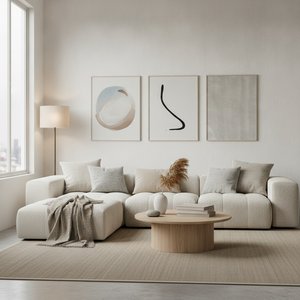
Chill Vibes Only: The Ultimate Trend Forecast for Curating Minimalist & Calm Art Spaces
Master the art of calm with our trend forecast on minimalist decor. Discover how to curate high-impact, low-stimulus spaces using geometric sculptures, monochrome palettes, and modern abstract works for a sophisticated, zen-inspired lifestyle.

