

 Podgląd w skali
 Wyślij jako kartkę
 Udostępnij
 Szczegóły dzieła

 Pobierz
 Podobne obiekty
 RTG
RTG Pokaz slajdów
Flower Vase


 Rozwiń treść
Ręcznie malowana reprodukcja olejowa
Ręcznie malowany obraz olejny na płótnie, wykonany na zamówienie przez naszych artystów w wybranym przez Ciebie wymiarze i oprawie. ( Zamów wydruk Kup obraz wysokiej rozdzielczości)




































Wybierz spośród naszych standardowych rozmiarów, które zachowują oryginalne proporcje dzieła sztuki.

Możesz wprowadzić własne wymiary, aby dopasować obraz do konkretnej ramy lub przestrzeni. Jeśli wybrany rozmiar nie będzie odpowiadał proporcjom oryginału, przytniecie dzieło sztuki lub rozszerzymy je o dodatkowe elementy, ręcznie domalowane przez artystę. Przed rozpoczęciem produkcji wyślemy projekt cyfrowy do Twojej akceptacji.
Należy pamiętać, że podgląd na ekranie nie odzwierciedla rzeczywistego przycinania ani rozszerzania obrazu. Tylko projekt dokładnie pokaże ostateczną kompozycję.
Choć oferujemy możliwość zamówienia niestandardowych rozmiarów, zalecamy wybór wymiaru z gotowej listy, aby zachować oryginalne proporcje dzieła.
Po złożeniu zamówienia zespół OriginalUniqueArt.com skontaktuje się z klientem drogą mailową w celu uzyskania instrukcji i prześle wizualizację projektu
Dostawa na całym świecie () w ciągu 3–4 tygodni zamiast standardowych 5 tygodni. (22 Sierpień). Bez kompromisów w kwestii jakości.

Bezpłatna ekspresowa wysyłka na cały świat

Wysokiej jakości płótno lniane

Pełne ubezpieczenie przesyłki

Gwarancja zwrotu należności celnych i podatków importowych

Gwarancja wiernego odwzorowania kolorów

Polityka 60-dniowego zwrotu (tylko w przypadku wad)

Gwarancja 100% zwrotu kosztów

Zniżka przy zamówieniu wielu produktów
 Opcja ze szkłem jest dostępna wyłącznie w rozmiarach poniżej 110 cm

Flower Vase
Technika reprodukcji
Wymiary reprodukcji
-


Cena całkowita
$ 300
O artyście
A Pioneer of Syrian Impressionism: The Life and Art of Michael Kurcheh
Michael Kurcheh, born in Damascus, Syria in 1900 and passing away in 1973, stands as a pivotal figure in the development of modern art within his nation. He wasn’t merely an artist; he was a visual chronicler of a changing Syria, bridging traditional aesthetics with the burgeoning influence of Impressionism. While formal artistic training remained scarce in early 20th-century Syria, Kurcheh's dedication and innate talent propelled him to become one of the first Syrians to wholeheartedly embrace and adapt this European style. His journey wasn’t simply about replicating techniques; it was a profound exploration of how light, color, and brushwork could capture the essence of his homeland – its landscapes, its people, and its evolving socio-political climate. He is remembered not just for *what* he painted, but for *how* he saw Syria, and how he translated that vision onto canvas.Early Influences and Artistic Development
Kurcheh’s early artistic exposure was largely self-directed. He absorbed the rich visual culture surrounding him – the intricate patterns of Damascene architecture, the vibrant colors of local textiles, and the expressive faces of everyday Syrians. However, his encounter with Impressionism proved transformative. Through limited access to European art publications and perhaps through interactions with returning Syrian expatriates, he became captivated by the movement’s emphasis on capturing fleeting moments and subjective perceptions of light. He began experimenting with broken brushstrokes, a brighter palette than traditionally used in Syrian painting, and an outdoor *plein air* approach – a radical departure from studio-bound practices. This wasn't a wholesale adoption; Kurcheh skillfully integrated Impressionistic techniques into his existing understanding of form and composition, creating a uniquely Syrian brand of the style. His early works demonstrate this fusion, often depicting familiar Damascene scenes with a newfound luminosity and sense of atmosphere.Themes and Subject Matter: A Syria in Transition
The breadth of Kurcheh’s subject matter is remarkable. He painted sweeping landscapes that evoked the beauty and vastness of the Syrian countryside, meticulously rendered depictions of Damascene neighborhoods teeming with life, and poignant portraits capturing the character and dignity of his fellow citizens. However, what truly sets him apart is his willingness to engage with contemporary issues. Unlike many artists who shied away from political commentary, Kurcheh subtly incorporated socio-political themes into his work. The Suez Crisis of 1956, for example, found expression in paintings that alluded to the anxieties and disruptions caused by the conflict. He also depicted Bedouin life, not as a romanticized ideal, but with a nuanced understanding of its challenges and resilience. His famous quote – “I cannot draw or depict hunger…” – reveals his deep empathy and his desire to use art as a means of bearing witness to the realities of his time. This commitment to social awareness elevates his work beyond mere aesthetic beauty; it transforms it into a powerful historical document.Major Achievements and Lasting Legacy
Kurcheh’s contribution to Syrian art is multifaceted. He was instrumental in establishing Impressionism as a viable artistic language within the country, inspiring generations of artists to explore new modes of expression. His paintings are celebrated for their technical skill, their evocative atmosphere, and their insightful portrayal of Syrian life. While he didn't establish a formal school or studio, his influence permeated the art scene through his exhibitions and interactions with younger artists.- Pioneering Impressionism: He was among the first to successfully adapt Impressionistic techniques to depict Syrian landscapes and culture.
- Social Commentary: His willingness to address socio-political issues in his work set him apart from many of his contemporaries.
- Capturing Syria’s Essence: He masterfully captured the beauty, complexity, and changing realities of Syrian life during a pivotal period.

michael kurcheh
1900 - 1973 , Syrian Arab Republic
Krótka nota
- Artistic Movement Or Style: Impressionism
- Date Of Death: 1973
- Full Name: Michael Kurcheh
- Nationality: Syrian
- Notable Artworks:
- Flower Vase
- Badawiyeh
- Place Of Birth: Syrian Arab Republic
Powiązane artykuły

Paul Cézanne: 25 Arcydzieł, które Zrewolucjonizowały Świat Sztuki | OriginalUniqueArt
Odkryj 25 arcydzieł Paula Cézanne'a – od impresjonizmu po postimpresjonizm. Poznaj historie, techniki i inspiracje malarza, który zrewolucjonizował sztukę. Reprodukcje obrazów najwyższej jakości na OriginalUniqueArt.com!

Trwała Spuścizna Malarstwa Olejnego: Technika, Historia i Estetyczny Wpływ
Poznaj historię i technikę malarstwa olejnego! Eksperckie artykuły o konserwacji, renowacji oraz współczesnych zastosowaniach. Dowiedz się więcej o mistrzach i trwałości obrazów olejnych.
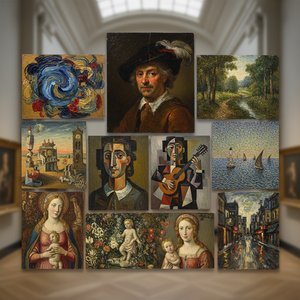
10 Legendarnych Obrazów Olejnych na Desce, Które Zmieniły Sztukę | OriginalUniqueArt
Odkryj 10 legendarnych obrazów olejnych na desce, które zrewolucjonizowały świat sztuki! Van Gogh, Munch i Klimt – poznaj historie arcydzieł impresjonizmu, ekspresjonizmu i realizmu. Znajdź inspiracje do wnętrz i reprodukcje najwyższej jakości na OriginalUniqueArt.com
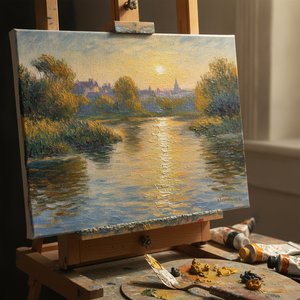
The Soul of Impressionism: Why Oil on Canvas Captures Eternal Light and Timeless Emotion
Discover the enchanting alchemy of Impressionism. Explore how the mastery of oil on canvas, through glazing and impasto, captures eternal light and emotion. Perfect for lovers of Monet and Van Gogh seeking the profound depth of hand-painted fine art.

Olej na płótnie: Historia, techniki i ponadczasowy urok malarskiego medium
Poznaj historię i techniki malarstwa olejowego! Od renesansowych mistrzów po współczesne zastosowania – wszystko o oleju na płótnie. Poradniki, konserwacja i inspiracje dla pasjonatów sztuki.

