

 Zobacz w skali 1:1
 Wyślij
 Udostępnij
 Szczegóły
 Przewodnik

 Pobierz plik obrazu
 Podobne obiekty
 RTG
RTG Pokaz slajdów
 Statystyki
Kettle


 Czytaj więcej
Dzieło sztuki prezentowane na tej stronie podlega ochronie prawem autorskim, co oznacza, że nie mamy prawa do tworzenia ani sprzedaży jego identycznej reprodukcji. Ochrona ta jest egzekwowana na mocy umów międzynarodowych, takich jak Konwencja berneńska oraz przez przepisy prawa krajowego, w tym te określone w Prawo autorskie USA – Tytuł 17.
Metoda ta jest w pełni zgodna z przepisami prawa autorskiego, ponieważ nie polega na kopiowaniu ani powielaniu chronionego dzieła. Stanowi ona kreatywną reinterpretację – nowy obraz, który czerpie inspirację z oryginału, ale nie jest z nim tożsamy.
Giclée / Wydruk artystyczny
Wydruki giclée lub płótna o jakości muzealnej, szybka realizacja i szeroki wybór opcji wykończenia. ( Kup ręcznie malowany obraz Przełącz na wersję cyfrową)




P118B zł10

P118H zł10

P118W zł10

P438Z zł10

P508JH zł12

P508YH zł12

P805H zł10

P805Z zł10

P919BZ zł10

P919G zł10

P919XJ zł10

P959ZH zł10

P968JZ zł12

W106C zł8

W218G zł10

W218JH zł8

W218Y zł10

W307PJ zł10

W316G zł10

W316PJ zł8

W316Y zł10

W398PJ zł8

W4111J zł10

W500HY zł15

W500JH zł15

W692G zł12

W849H zł8

W940BG zł15

W953PJ zł8




Wybierz spośród naszych standardowych rozmiarów, które zachowują oryginalne proporcje dzieła sztuki.

Wpisz wymaganą szerokość i wysokość, aby dopasować grafikę do ramy lub ściany. Wydruk można jedynie przyciąć, nigdy nie powiększając go poza oryginalny obraz, dlatego format o innym proporcji spowoduje utratę części kompozycji. Przed rozpoczęciem druku prześlemy Ci cyfrowy podgląd do zatwierdzenia. Obraz wyświetlany na tej stronie nie pokazuje rzeczywistego przycięcia — jedynie podgląd oddaje ten efekt.
Dostawa na cały świat () w ciągu 2 tygodni zamiast standardowych 4/5 tygodni. (22 Październik)

Bezpłatna ekspresowa wysyłka na cały świat

Wysokiej jakości płótno lniane

Pełne ubezpieczenie transportowe

Gwarancja zwrotu należności celnych i podatków importowych

Gwarancja idealnego odwzorowania barw

100-dniowy okres na zwrot dzieła w przypadku wykrycia wad produkcyjnych

Gwarancja 100% zwrotu pieniędzy

Oferta przy zakupie wielu sztuk
 Opcja ze szkłem jest dostępna wyłącznie w rozmiarach poniżej 110 cm

Kettle
Giclée / Wydruk artystyczny
Rozmiar reprodukcji
-


Suma do zapłaty
zł 304
Kolejność Elegancji i Inspiracji: Studium Kawiarki Michaela Gravesa
Znajomość sztuki często zaczyna się od zrozumienia kontekstu kulturowego i historycznego, w którym powstała dana twórczość. Projekt kawiarki zaprojektowany przez Michaela Gravesa nie jest jedynie funkcjonalną propozycją przestrzeni wypoczynku – stanowi doskonałe przykład połączenia estetyki Art Deco z filozofią architektury humanistycznej. Graves, urodzony w Indianapolis w 1934 roku, rozpoczął swoją karierę zawodową jako architekt związany z modernistycznymi ideami, lecz szybko przekonał się o ograniczeniach tego stylu i potrzebie dodania kolorów, emocji oraz odniesień do historii. Jego twórczość stała się synonimem zabawnego kontrastu z dominującą wówczas estetyką modernistyczną – architektą, która odważnie kwestionowała jego podstawowe założenia.- Styl Art Deco: Projekt kawiarki Gravesa jest głęboko zakorzeniony w stylu Art Deco, który króluje między innymi w architekturze Nowego Jorku lat 30., a także dekoracjami wnętrz i sztuce użytkowej. Charakterystyczną cechą tego ruchu jest symetria, uporządkowana geometria oraz bogate ornamenty – elementy odwołujące się do przeszłości i wzmacniające poczucie elegancji.
- Materiał i Technika: Kawiarka wykonana została z wysokiej jakości srebra (lub jego imitacji), co podkreśla jej wartość estetyczną oraz funkcjonalną. Proces produkcji wykorzystuje nowoczesne metody fotograficzne, zapewniając wierną reprodukcję projektu Gravesa i skupiając się na szczegółowym przedstawieniu kształtu oraz tekstur materiałów.
Symbolizm Kształtów i Kolorów
Geometryczne płaszczyzny kawiarki Gravesa – pionowe fluty oraz poziome szczeliny – nie są przypadkowym wyborem. Odwołują się one do podstawowych zasad architektury humanistycznej, która wierdziła o znaczeniu historii i tradycji dla rozwoju kultury. Kolor srebrny, kontrastujący z ciepłą bielą ścian oraz delikatną beżową kolorystyką uchylnego, stanowi doskonałe podkreślenie piękna i harmonii projektu. Dodatkowe elementy dekoracyjne – trzy niebieskie kulki na pokrywie oraz ciemnoszarość podstawy – wprowadzają dodatkowy poziom złożoności wizualną i wzmacniają emocjonalny wpływ dzieła sztuki.Emocje i Inspiracja Dla Projektantów
Graves wierzył, że architektura powinna inspirować ludzi i wywoływać pozytywne uczucia – celem projektu nie jest jedynie zapewnienie komfortu użytkowego, lecz także stworzenie przestrzeni pełnej piękna oraz energii. Jego twórczość stała się inspiracją dla wielu projektantów wnętrz i dekoratorów, którzy wykorzystują elementy Art Deco do tworzenia nowoczesnych aranżacji pomieszczeń. Projekt kawiarki Gravesa przypomina o potrzebie połączenia funkcjonalności z estetyką oraz o znaczeniu odniesień historycznych dla kształtowania współczesnego świata sztuki. Jego prostota i elegancka forma zachęcają do refleksji nad rolą architektury w życiu codziennym oraz nad możliwościami wyrażania siebie poprzez przestrzeń życiową.Pytania i odpowiedzi
Czy dzieło "Kettle" jest dostępne jako wysokiej jakości wydruk artystyczny?
Aby zamówić wydruk dzieła „Kettle” autorstwa Michael Graves, wystarczy przejść na jego stronę Wydruk artystyczny: szlachetna odbitka na płótnie bawełnianym lub archiwalnym papierze płótnopodobnym.
Jak mogę pobrać obraz dzieła „Kettle” autorstwa Michael Graves?
Możliwość pobrania dzieła „Kettle”: strona Pobierz oferuje wysokiej rozdzielczości cyfrowe zdjęcie do pobrania.
Jakie emocje budzą kolory w „Kettle” autorstwa Michael Graves?
Paleta Barwy neutralne dzieła „Kettle” autorstwa Michael Graves współgra z jego Spokój wydźwiękiem emocjonalnym. Kolor jest jednym ze sposobów, w jakie praca przekazuje uczucia.
Biografia artysty
A Playful Rebellion: The Life and Vision of Michael Graves
Michael Graves, born in Indianapolis in 1934, emerged as a pivotal figure in late 20th and early 21st-century design—an architect who dared to challenge the austere dogma of modernism with a vibrant, often whimsical aesthetic. His journey wasn’t one of immediate rebellion, but rather a gradual evolution fueled by a growing dissatisfaction with the perceived rigidity and historical detachment of the prevailing architectural style. Initially steeped in modernist principles during his education at the University of Cincinnati and Harvard, Graves found himself increasingly drawn to the power of history, symbolism, and ornamentation—elements largely banished from the modernist lexicon. This shift wasn’t simply an aesthetic preference; it was a fundamental questioning of architecture's purpose: should buildings merely function, or should they also delight, communicate, and connect with people on a more emotional level? The seeds of this inquiry were sown during his time at the American Academy in Rome as a recipient of the prestigious Rome Prize, where he immersed himself in the rich tapestry of classical architecture. It was an experience that profoundly shaped his understanding of form, proportion, and the enduring power of architectural language.From The New York Five to Postmodern Iconoclasm
Graves’s ascent coincided with a period of significant experimentation within the architectural world. He became a key member of *The New York Five*, a group of architects—alongside Peter Eisenman, Charles Gwathmey, Richard Meier, and Robert A.M. Stern—who actively challenged modernist orthodoxy in the late 1960s and early 70s. Their work, characterized by formal complexity and a rejection of simplistic functionalism, laid the groundwork for the burgeoning postmodern movement. However, Graves’s vision extended beyond architectural boundaries. His involvement with *The Memphis Group* in the 1980s—an Italian design collective known for its boldly colored, playfully shaped furniture and objects—brought his designs to an even wider audience. This collaboration was a watershed moment, demonstrating that good design wasn't limited to buildings; it could permeate everyday life through accessible, aesthetically engaging products. It was a deliberate democratization of design, bringing artistry into the home. The influence of Robert Venturi and Denise Scott Brown’s seminal work, *Complexity and Contradiction in Architecture*, cannot be overstated. Their critique of modernist simplicity resonated deeply with Graves, encouraging him to embrace ambiguity, irony, and historical references—qualities that would become hallmarks of his style.Landmark Buildings and the Democratization of Design
Graves’s architectural portfolio is remarkably diverse, reflecting his willingness to adapt his distinctive aesthetic to a wide range of contexts. The Portland Building (1982) in Oregon remains perhaps his most iconic—and controversial—creation. Its colorful facade, adorned with oversized classical ornamentation, sparked intense debate, challenging conventional notions of what a civic building should look like. Similarly, the Humana Building in Louisville, Kentucky, is a playful and whimsical structure that incorporates exaggerated decorative elements, creating a sense of theatricality. Beyond these landmark projects, Graves demonstrated his versatility with works such as the Ministry of Culture in The Hague, Netherlands, and the Denver Public Library expansion—each showcasing his commitment to public spaces and thoughtful design solutions. But perhaps his most significant contribution was his ability to bridge the gap between high art and mass production. His collaborations with companies like Alessi resulted in iconic designs such as the 9093 Kettle, transforming a mundane kitchen object into a work of art. Further extending this philosophy, Graves partnered with Target and J.C. Penney to create affordable product lines, making stylish and well-designed items accessible to a broader audience—a truly revolutionary act that challenged the elitism often associated with design.A Legacy of Accessibility and Humanistic Design
In 2003, a life-altering event profoundly impacted Graves’s work: he suffered a partial paralysis that confined him to a wheelchair. This personal experience ignited a passionate advocacy for universal design—the principle of creating products and environments usable by all people, regardless of age, ability, or status. He recognized firsthand the challenges faced by individuals with disabilities and dedicated himself to improving healthcare environments, ensuring they were not only functional but also dignified and supportive. His later work reflected this commitment, prioritizing accessibility, comfort, and a humanistic approach to design. Throughout his illustrious career, Michael Graves received numerous accolades, including fellowships from the American Institute of Architects, the AIA Gold Medal, the National Medal of Arts, and the Driehaus Architecture Prize—testaments to his enduring influence and significant contributions to the field. He left behind a legacy that extends far beyond bricks and mortar or product designs; he challenged conventions, embraced playfulness, and championed a more inclusive and human-centered approach to design—a vision that continues to inspire generations of architects and designers today.
Michael Graves
1934 - 2015 , United States of America
Najważniejsze informacje
- Full Name: Michael Graves
- Nationality: American
- Date Of Birth: 1934
- Date Of Death: 2015
- Place Of Birth: Indianapolis, United States of America
- Notable Artworks:
- 9093 Kettle
- Coffee pot
- Portland Building
- Humana Building
- Artistic Movement Or Style: Postmodernism
- Artists Who Influenced This Artist:
- Robert Venturi
- Denise Scott Brown
- Artists Or Movements Influenced By This Artist:
- Postmodern architecture
- New Urbanism
Zobacz także powiązane artykuły

Art Deco Masterpieces: Exploring the Era of Geometric Elegance and Modernist Luxury
Delve into the era of geometric elegance with our expert exploration of Art Deco masterpieces. Discover the history, iconic artists, and architectural marvels of this luxurious movement, and find museum-quality hand-painted oil reproductions to elevate your collection.
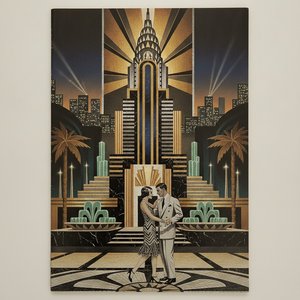
Art Deco Defined: The Glamour, Geometry, and Enduring Legacy of a Modern Icon
Explore the sophisticated world of Art Deco. Discover the history, geometric precision, and enduring glamour of this iconic 20th-century movement through an expert art-historical lens.

Złota Era Stylu: Estetyczne Zasady i Trwałe Dziedzictwo Art Deco
Poznaj fascynującą historię Art Deco – od narodzin stylu po współczesne inspiracje. Ekspercka analiza cech, wpływ na architekturę i wzornictwo oraz ikoniczne dzieła tego glamour okresu. Odkryj dziedzictwo Art Deco!

The Architecture of Glamour: Unveiling the Timeless Geometric Elegance of Art Deco Masterpieces
Immerse yourself in the golden age of glamour. From the sleek lines of Tamara de Lempicka to the geometric soul of Erté, explore the enduring legacy of Art Deco. Discover the artistry that defined an era of luxury and modern sophistication through our expert art history guide.

The Glamour of Erté: Discovering the Art Deco Elegance and Geometric Mastery of Romain de Tirtoff
Step into a realm of perpetual elegance. Discover the visionary world of Erté, the high priest of Art Deco, and explore how his mastery of line and symmetry defined an era of unparalleled glamour and fashion sophistication through expert art history insights.
