

 Zobacz w skali 1:1
 Wyślij
 Udostępnij
 Szczegóły

 Pobierz plik obrazu
 Podobne obiekty
 RTG
RTG Pokaz slajdów
 Statystyki
Landscape, Abergavenny
 Impressionism
 1910
1910 51.0 x 62.0 cm
 Walker Art Gallery
 Czytaj więcej
Ręcznie malowana reprodukcja olejowa
Ręcznie malowany obraz olejny na płótnie, wykonany na zamówienie przez naszych artystów w wybranym przez Ciebie wymiarze i oprawie. ( Przełącz na wersję drukowaną Przełącz na wersję cyfrową)




































Wybierz spośród naszych standardowych rozmiarów, które zachowują oryginalne proporcje dzieła sztuki.

Możesz wprowadzić własne wymiary, aby dopasować obraz do konkretnej ramy lub przestrzeni. Jeśli wybrany rozmiar nie będzie odpowiadał proporcjom oryginału, przytniecie dzieło sztuki lub rozszerzymy je o dodatkowe elementy, ręcznie domalowane przez artystę. Przed rozpoczęciem produkcji wyślemy projekt cyfrowy do Twojej akceptacji.
Należy pamiętać, że podgląd na ekranie nie odzwierciedla rzeczywistego przycinania ani rozszerzania obrazu. Tylko projekt dokładnie pokaże ostateczną kompozycję.
Choć oferujemy możliwość zamówienia niestandardowych rozmiarów, zalecamy wybór wymiaru z gotowej listy, aby zachować oryginalne proporcje dzieła.
Po złożeniu zamówienia zespół OriginalUniqueArt.com skontaktuje się z klientem drogą mailową w celu uzyskania instrukcji i prześle wizualizację projektu
Dostawa na całym świecie () w ciągu 3–4 tygodni zamiast standardowych 5 tygodni. (19 Wrzesień). Bez kompromisów w kwestii jakości.

Bezpłatna ekspresowa wysyłka na cały świat

Wysokiej jakości płótno lniane

Pełne ubezpieczenie transportowe

Gwarancja zwrotu należności celnych i podatków importowych

Gwarancja idealnego odwzorowania barw

100-dniowy okres na zwrot dzieła w przypadku wykrycia wad produkcyjnych

Gwarancja 100% zwrotu pieniędzy

Oferta przy zakupie wielu sztuk
 Opcja ze szkłem jest dostępna wyłącznie w rozmiarach poniżej 110 cm

Landscape, Abergavenny
Technika wykonania
Rozmiar reprodukcji
-


Suma do zapłaty
$ 300
Biografia artysty
A Fleeting Brilliance: The Tragic Artistry of Maxwell Gordon Lightfoot
The history of British art is often written in the long, enduring strokes of masters who lived to see their legacies cemented by time. Yet, there exists a more poignant, haunting chapter found in the brief, luminous career of Maxwell Gordon Lightfoot. Born on July 19, 1886, in the Granby Street district of Liverpool, Lightfoot was a figure of immense promise whose life was tragically extinguished at the age of twenty-five. To look upon his work is to witness a soul caught in the transition between the meticulous traditions of the nineteenth century and the burgeoning, experimental spirit of early twentieth-century modernism. His story is not merely one of technical skill, but of a profound, atmospheric sensitivity that captured the ephemeral beauty of the English landscape and the quiet dignity of the human form.
Lightfoot’s artistic lineage was shaped by both familial circumstance and rigorous academic discipline. The unusual name he bore—a tribute from his mother to a father lost at sea—served as a constant, subtle reminder of the fragility of life, perhaps an element that would later manifest in the melancholic undertones of his compositions. His formal education began at the Chester Art School in 1901, providing him with a foundational mastery of draftsmanship. This was further refined during his time in Liverpool, where he attended evening classes at the Sandon Terrace Studios under the guidance of Gerald Chowne and J. Herbert McNair. These mentors, steeped in the delicate traditions of flower painting and the innovative aesthetics of the Glasgow Four, instilled in him an appreciation for subtle color palettes and structural harmony.
From Chromolithography to the Avant-Garde
Before he was recognized as a rising star of the London art scene, Lightfoot honed his observational precision through a practical apprenticeship. Working as a chromolithographer for Turner and Dunnett, a firm specializing in seed catalogues, he learned the intricate dance of color layering and design. This period of commercial printmaking was far from a detour; rather, it provided him with an invaluable understanding of tonal depth and the graphic power of sepia and earth tones—elements that would become hallmarks of his later paintings. The precision required for botanical illustration undoubtedly informed the meticulous detail found in his more complex figure studies.
The true metamorphosis of his style occurred when he moved to London to study at the prestigious Slade School of Fine Art between 1907 and 1909. At the Slade, Lightfoot emerged as a formidable talent, earning accolades in figure painting, head painting, and composition from the cast. It was during this era that he found himself orbiting the Camden Town Group, a collective known for its gritty, Impressionistic approach to urban and domestic life. While his association with the group was relatively brief, his presence alongside contemporaries such as C.R.W. Nevinson and Mark Gertler placed him at the very heart of Britain's avant-garde movement. His work began to bridge the gap between the pastoral and the modern, utilizing muted browns, deep greens, and evocative sepia tones to create scenes that felt both timeless and intensely atmospheric.
A Legacy Written in Shadows and Light
Despite the immense talent that led critics to predict a "most distinguished career in the highest rank of painting," Lightfoot’s journey ended abruptly with his death in September 1911. The loss of such a vibrant talent left a void in the British art world, leaving behind a body of work that serves as a poignant "what if" in art history. His paintings, characterized by their soft, atmospheric light and soulful depictions of figures, remain a testament to a mastery that was never fully realized but was nonetheless deeply felt.
The historical significance of Lightfoot lies in his ability to capture the quiet, often overlooked moments of existence through a lens of refined Impressionism. His contributions can be summarized by several key artistic pillars:
- Atmospheric Pastoralism: A unique ability to render the English landscape not just as scenery, but as an emotional space filled with mist, shadow, and light.
- Technical Versatility: The seamless integration of his printmaking background into fine art, resulting in highly textured and tonally rich compositions.
- Humanity in Form: A profound sensitivity in his figure studies, where the subjects possess a quiet, introspective dignity.
- Modernist Connection: His role as a bridge between traditional academic training and the experimental energy of the Camden Town Group.
Today, the works of Maxwell Gordon Lightfoot continue to resonate with those drawn to the beauty of the ephemeral. He remains a symbol of the fleeting nature of genius, an artist whose brief time in the sun left behind shadows of immense beauty and enduring grace.

Maxwell Gordon Lightfoot
1886 - 1911
Najważniejsze informacje
- Artistic Movement Or Style: Impressionism
- Artists Or Movements Influenced By This Artist: ['Camden Town Group']
- Artists Who Influenced This Artist: ['Gerald Chowne']
- Date Of Birth: 1886
- Date Of Death: 1911
- Full Name: Maxwell Gordon Lightfoot
- Nationality: British
- Notable Artworks:
- View of Conway from Above Gyffin
- Study of Two Sheep
- Landscape, Abergavenny
- Place Of Birth: Liverpool, England
Zobacz także powiązane artykuły

10 Arcydzieł Impresjonizmu Krajobrazowego, Które Zdefiniowały Sztukę
Odkryj 10 arcydzieł impresjonizmu krajobrazowego! Poznaj historie Moneta, Renoir'a i Van Gogha. Inspiracje wnętrzarskie, techniki malarskie i piękne reprodukcje obrazów na OriginalUniqueArt.com. Eksploruj kolekcję online!

Wiejskie Krajobrazy w Sztuce: Studium Ikonografii, Emocji i Społecznego Kontekstu
Odkryj fascynujący świat wiejskich krajobrazów w sztuce! Studium ikonografii, emocji i społecznego kontekstu malarstwa. Ekspercka analiza, inspiracje i możliwość zakupu reprodukcji na OriginalUniqueArt.
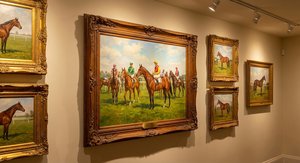
Sir Alfred James Munnings: 25 Arcydzieł Malarstwa Koni i Angielskiej Wsi | OriginalUniqueArt.com
Odkryj 25 arcydzieł Sir Alfreda Jamesa Munningsa – mistrza malarstwa koni i angielskiego krajobrazu. Poznaj historię, technikę i piękno jego obrazów. Reprodukcje najwyższej jakości na OriginalUniqueArt.com! Eksploruj pełną kolekcję online.

John Constable: 25 Najlepszych Obrazów Mistrza Angielskiego Krajobrazu | OriginalUniqueArt
Odkryj 25 arcydzieł Johna Constable'a – mistrza angielskiego krajobrazu! Poznaj romantyczne pejzaże, technikę malarską i inspiracje z Dedham Vale. Reprodukcje obrazów najwyższej jakości na OriginalUniqueArt.com. Eksploruj pełną kolekcję online!

10 Arcydzieł Impresjonizmu Krajobrazowego: Sztuka, Artyści i Dekoracje Wnetrz
Odkryj 10 arcydzieł impresjonizmu krajobrazowego! Poznaj historie Monet, Renoir i innych mistrzów. Inspiracje wnętrzarskie, techniki malarskie i reprodukcje obrazów najwyższej jakości na OriginalUniqueArt.com. Eksploruj pełną kolekcję online!