Menu
Text size

() ·

A painting made for you, by hand

Cage, Forest and Black Sun

Ręcznie malowana reprodukcja olejowa

Ręcznie malowany obraz olejny na płótnie, wykonany na zamówienie przez naszych artystów w wybranym przez Ciebie wymiarze i oprawie. ( Przełącz na wydania drukowane Przejdź do wersji cyfrowej)

Opis obiektu

Max Ernst's 'Cage, Forest & Black Sun' (1927) is a surreal masterpiece exploring confinement and liberation through evocative imagery & innovative techniques like grattage.

Biografia artysty

Max Ernst (1891-1976) – niemiecki malarz surrealisty i dadaista. Znany z technik frottage, kolaży i symbolicznych obrazów ptaków oraz krajobrazów. Jego twórczość wywarła ogromny wpływ na sztukę XX wieku.

from ·

Chapter 1

How large should it be?

Slide to change the size; the picture on the left shows the frame at its real width. The proportions of the original are kept.

Standardowy format
personalizowane
CM
INCH

Wybierz spośród naszych standardowych rozmiarów, które zachowują oryginalne proporcje dzieła sztuki.

szerokość
wysokość

Wpisz wymaganą szerokość i wysokość, aby obraz pasował do Twojej ramy lub ściany. Ponieważ jest to dzieło malowane ręcznie, w przypadku rozmiaru o innych proporcjach artysta może domalować nieco więcej wokół obrazu lub przyciąć jego fragmenty — wybór należy do Ciebie. Przed rozpoczęciem pracy prześlemy Ci cyfrową wizualizację do zatwierdzenia. Obraz widoczny na tej stronie nie przedstawia rzeczywistego efektu — jedynie wizualizacja oddaje realny rezultat.

Chapter 2

How should it arrive?

Choose the edges of the stretched canvas

Choose your frame

Corner sample of the WhiteWrap canvas edge finish, stretched on lite drewno bars
White zł1
Corner sample of the BlurSideWrap canvas edge finish, stretched on lite drewno bars
Blurside zł1
Corner sample of the ExtendedWrap canvas edge finish, stretched on lite drewno bars
Extended zł1
Corner sample of the P118B picture frame: polistyren formowany, 5 cm wide and 3 cm thick
P118B zł10
Corner sample of the P118H picture frame: polistyren formowany, 5 cm wide and 3 cm thick
P118H zł10
Corner sample of the P118W picture frame: polistyren formowany, 5 cm wide and 3 cm thick
P118W zł10
Corner sample of the P438Z picture frame: polistyren formowany, 5.5 cm wide and 3.5 cm thick
P438Z zł10
Corner sample of the P508JH picture frame: polistyren formowany, 7 cm wide and 3.5 cm thick
P508JH zł12
Corner sample of the P508YH picture frame: polistyren formowany, 7 cm wide and 3.5 cm thick
P508YH zł12
Corner sample of the P805H picture frame: polistyren formowany, 5 cm wide and 3.5 cm thick
P805H zł10
Corner sample of the P805Z picture frame: polistyren formowany, 5 cm wide and 3.5 cm thick
P805Z zł10
Corner sample of the P919BZ picture frame: polistyren formowany, 7 cm wide and 3.5 cm thick
P919BZ zł10
Corner sample of the P919G picture frame: polistyren formowany, 7 cm wide and 3.5 cm thick
P919G zł10
Corner sample of the P919XJ picture frame: polistyren formowany, 7 cm wide and 3.5 cm thick
P919XJ zł10
Corner sample of the P959ZH picture frame: polistyren formowany, 5 cm wide and 3 cm thick
P959ZH zł10
Corner sample of the P968JZ picture frame: polistyren formowany, 6 cm wide and 4 cm thick
P968JZ zł12
Corner sample of the W106C picture frame: lite drewno, 5 cm wide and 3 cm thick
W106C zł8
Corner sample of the W218G picture frame: lite drewno, 5 cm wide and 3 cm thick
W218G zł10
Corner sample of the W218JH picture frame: lite drewno, 5 cm wide and 3 cm thick
W218JH zł8
Corner sample of the W218Y picture frame: lite drewno, 5 cm wide and 3 cm thick
W218Y zł10
Corner sample of the W307PJ picture frame: lite drewno, 6 cm wide and 3 cm thick
W307PJ zł10
Corner sample of the W316G picture frame: lite drewno, 6 cm wide and 3 cm thick
W316G zł10
Corner sample of the W316PJ picture frame: lite drewno, 6 cm wide and 3 cm thick
W316PJ zł8
Corner sample of the W316Y picture frame: lite drewno, 6 cm wide and 3 cm thick
W316Y zł10
Corner sample of the W398PJ picture frame: lite drewno, 5 cm wide and 3 cm thick
W398PJ zł8
Corner sample of the W4111J picture frame: lite drewno, 6.5 cm wide and 3.5 cm thick
W4111J zł10
Corner sample of the W500HY picture frame: lite drewno, 7 cm wide and 5 cm thick
W500HY zł15
Corner sample of the W500JH picture frame: lite drewno, 7 cm wide and 5 cm thick
W500JH zł15
Corner sample of the W692G picture frame: lite drewno, 8 cm wide and 4 cm thick
W692G zł12
Corner sample of the W849H picture frame: lite drewno, 5 cm wide and 3 cm thick
W849H zł8
Corner sample of the W940BG picture frame: lite drewno, 7.5 cm wide and 4.5 cm thick
W940BG zł15
Corner sample of the W953PJ picture frame: lite drewno, 6 cm wide and 3.5 cm thick
W953PJ zł8
Corner sample of the H24-GOLD picture frame: rzeźbione drewno pokryte gipsem, 10 cm wide and 6 cm thick
H24-GOLD zł30
Corner sample of the H24-SILVER picture frame: rzeźbione drewno pokryte gipsem, 10 cm wide and 6 cm thick
H24-SILVER zł30
Corner sample of the H36-GOLD picture frame: rzeźbione drewno pokryte gipsem, 15 cm wide and 6.5 cm thick
H36-GOLD zł45
Corner sample of the H36-SILVER picture frame: rzeźbione drewno pokryte gipsem, 15 cm wide and 6.5 cm thick
H36-SILVER zł45

Moulding: . Overall size with the frame: .

Chapter 3

Who paints it, and should anything change?

Examples of what can be changed: Replace face with customer photo; Add pet (e.g., replace cat with dog); Include hidden message in background; Change background landscape or elements.
After order, OriginalUniqueArt.com team will email client for instructions and provide a mockup preview

Dostawa na całym świecie () w ciągu 3–4 tygodni zamiast standardowych 5 tygodni. (30 Październik). Bez kompromisów w kwestii jakości.

Chapter 4

The finishing touches

A nameplate, as in a museum?

Szczegóły grawerowanej brązowej tabliczki

This elegant plaque features the artist's name and the title of the artwork, finely engraved for a timeless presentation.

It is made from bronze with a refined, elegant finish. The text is precisely laser-engraved for a sharp and permanent result. Measuring 9x2 cm, the plaque is compact yet easy to read. It's built to be durable and scratch-resistant, offering a professional, museum-quality look. Mounting is simple thanks to the included adhesive backing.

Szczegóły przezroczystej tabliczki akrylowej

The plaque includes essential engraved details such as the artist's name, the title of the artwork, the date it was created, the type of media used-like oil on canvas or watercolor-a brief description of the piece, and a QR code that links to the complete artwork information.

It is crafted from clear acrylic, offering a sleek, modern appearance. The text is UV-engraved in black to ensure strong visual contrast. With a size of 10x15 cm, it ensures optimal readability. It comes equipped with two metal hooks for secure wall mounting. The plaque is designed to be weather-resistant, making it suitable for various environments, and it includes interactive features that work seamlessly with smartphone scanning.

Szczegóły czarnej tabliczki akrylowej

This elegant plaque includes engraved information such as the artist's name, the title of the artwork, the date it was created, the type of media used (like oil on canvas or watercolor), a short description of the artwork, and a QR code for quick access to more information.

The plaque itself is made from refined black acrylic with a premium finish. The text is laser-engraved in white for high contrast and readability. Its size is 10x15 cm, designed to be easy to read. It comes with two metal hooks for professional mounting. The design is sleek and fits any interior style. It is also weather-resistant and durable, with built-in digital integration for mobile compatibility.

A protective varnish?

When do you need it?

Chapter 5

Your painting, as you ordered it

Cage, Forest and Black Sun

Technika reprodukcji

Wymiary reprodukcji

-

Wybitny mistrz artystyczny

Większa szczegółowość, finezja i dodatkowy czas na realizację

-

Opcje oprawy reprodukcji

-

-

W przypadku dzieł sztuki lub reprodukcji, których którykolwiek z boków przekracza 105 cm (około 41 cali), rama zostanie wysłana w formie zestawu do samodzielnego montażu. Metoda ta zapewnia bezpieczną dostawę i zapobiega uszkodzeniom podczas transportu.

Wymagany profesjonalny montaż – nie jest to produkt typu DIY.
Zestaw musi zostać złożony, a płótno naciągnięte przez doświadczonego profesjonalnego ramiarza, przy użyciu kleju do drewna (brak w zestawie), kleszczy do naciągania płótna oraz ścisków, które utrzymają krosna w równej pozycji podczas schnięcia kleju. Nieprawidłowy montaż lub nierównomierne napięcie płótna może trwale uszkodzić dzieło sztuki i nie podlega naszej gwarancji.

  • W zestawie znajdują się wszystkie listwy z litego drewna, precyzyjnie docięte do wymiarów.

  • Montaż odbywa się przy użyciu dołączonych wkrętów oraz kleju do drewna do łączenia narożników, którego zestaw nie zawiera i który musi zostać dostarczony przez ramiarza.

  • Wymagane są profesjonalne narzędzia, których nie ma w zestawie: kleszcze do naciągania płótna (napinacz) oraz zaciski, które pozwolą utrzymać listwy w równej pozycji podczas schnięcia kleju.

Ważne:
Do połączenia narożników niezbędny jest klej do drewna, listwy należy unieruchomić za pomocą ścisków do momentu całkowitego wyschnięcia kleju, a naciągnięcie płótna na złożoną ramę wymaga użycia kleszczy do naciągania płótna. Żaden z tych elementów nie jest dołączony do zestawu. Przed zamówieniem tego rozmiaru zalecamy konsultację z doświadczonym ramiarzem.

Etykieta obiektu

-

-

Lakier ochronny

Lakier z połyskiem (pogłębia kolory, chroni przed światłem i wilgocią)

-

Personalizacja dzieła

Przykłady możliwości personalizacji: zastąp twarz zdjęciem klienta; dodaj zwierzę domowe (np. zamień kota na psa); umieść ukrytą wiadomość w tle; zmień krajobraz lub elementy tła.

-

Ekspresowa

Dostawa na cały świat () w ciągu 3–4 tygodni zamiast standardowych 5 tygodni. (30 Październik). Bez kompromisów w kwestii jakości.

-

Przesyłka ekspresowa

Dostawa na cały świat () w ciągu 5 tygodni. (6 Listopad).

W cenie

Cena całkowita

zł 1165

Suma całkowita zł 1165

Opcja ze szkłem jest dostępna wyłącznie w rozmiarach poniżej 110 cm

Included with every order

  • Bezpłatna ekspresowa wysyłka na cały świat
  • Wysokiej jakości płótno lniane
  • Pełne ubezpieczenie przesyłki
  • Gwarancja zwrotu należności celnych i podatków importowych
  • Gwarancja wiernego odwzorowania kolorów
  • 100-dniowa polityka zwrotów (tylko w przypadku wad)
  • Gwarancja 100% zwrotu pieniędzy
  • Zniżka przy zakupie wielu sztuk

The Enigmatic Forest Within: Max Ernst’s “Cage, Forest and Black Sun”

Max Ernst's "Cage, Forest and Black Sun," painted in 1927 during his intensely productive period within the heart of Surrealism, isn’t merely a landscape; it’s an immersion into the artist’s subconscious. This oil on canvas piece transcends simple representation, becoming a potent visual metaphor for confinement, liberation, and the unsettling beauty of the unknown. Born in Brühl, Germany, Ernst's early life was steeped in artistic influence – his father, a teacher and amateur painter, fostered a love of art alongside philosophical pursuits at Bonn University. This unique blend shaped his approach to art, leading him to explore themes of psychology, dreams, and the hidden depths of the human mind.

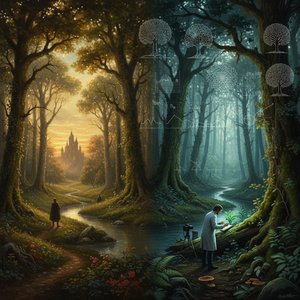
The painting immediately draws the viewer into a dense, almost claustrophobic forest. The trees, rendered with thick, layered brushstrokes – a hallmark of Ernst’s innovative grattage technique – seem to press in from all sides, creating a sense of inescapable enclosure. This isn't a comforting woodland scene; it’s a labyrinthine space imbued with mystery and a subtle threat. Ernst’s masterful use of this technique, combined with his earlier experimentation with frottage (rubbing textured materials onto canvas), generates an extraordinary tactile quality, inviting the viewer to almost feel the rough bark and tangled undergrowth beneath their fingertips.

The Symbolism of Confinement and Liberation

At the heart of the composition lies a cage – not a literal one, but a suggestion of imprisonment. It’s suspended within the forest, seemingly adrift amongst the trees, hinting at a trapped spirit or a yearning for freedom. This central image is powerfully juxtaposed with the presence of a “black sun” hovering above the canopy. This isn't a traditional solar disc; it’s an ominous, almost suffocating presence, casting an unsettling glow upon the scene. The black sun has been interpreted as representing death, oblivion, or perhaps even the artist’s own anxieties and fears – forces that threaten to consume the forest and its inhabitants.

The inclusion of a solitary bird within the cage further amplifies this theme of confinement. Birds are frequently associated with freedom and aspiration in art, yet here, it's trapped, suggesting a struggle against these desires. Ernst’s fascination with birds is well-documented; he often used them as symbols of both vulnerability and resilience within his work. The forest itself, a recurring motif throughout Ernst’s oeuvre, represents the unconscious mind – a wild, untamed space filled with both beauty and danger.

Ernst's Techniques & Legacy

“Cage, Forest and Black Sun” is a testament to Ernst’s groundbreaking approach to painting. The grattage technique, combined with his deliberate use of texture and color, creates an intensely layered and dreamlike quality. The seemingly random patterns generated by scraping the paint across the canvas – achieved through the application of various textured materials beneath the surface – contribute to the overall sense of disorientation and unease. This method allowed Ernst to bypass traditional brushwork, creating a more spontaneous and intuitive process.

As a pivotal figure in both Dada and Surrealism, Max Ernst’s work continues to resonate with audiences today. His exploration of the unconscious mind, his innovative techniques, and his willingness to challenge conventional artistic norms have left an indelible mark on modern art. His legacy extends far beyond the canvas, inspiring generations of artists to embrace experimentation and delve into the hidden realms of their own imaginations. To learn more about Ernst’s life and work, visit Max Ernst Artist Page on OriginalUniqueArt.com.

Exploring Surrealism & Dada

To fully appreciate “Cage, Forest and Black Sun,” it's crucial to understand the artistic movements that shaped Ernst’s vision. Dada, emerging from the chaos of World War I, rejected logic and reason in favor of absurdity and chance. Surrealism, building upon Dada’s principles, sought to unlock the power of dreams and the unconscious mind. Both movements profoundly influenced Ernst's approach to art, encouraging him to embrace unconventional techniques and explore themes of anxiety, desire, and the irrational.

You can delve deeper into these movements by exploring the Dada Art Movement and its influence on modern art: The Dada Art Movement Introduction. Furthermore, exploring other Surrealist works at Surrealism Art Collection will provide a broader context for understanding Ernst’s artistic trajectory.

Experience the Magic of Surrealism

OriginalUniqueArt.com offers exquisite, hand-painted reproductions of “Cage, Forest and Black Sun,” allowing you to bring this captivating masterpiece into your home or office. Our skilled artists meticulously recreate Ernst's unique techniques and evocative imagery, ensuring that every reproduction captures the essence of the original painting. Whether you’re an art enthusiast, a collector, or simply seeking a stunning piece of décor, our reproductions provide a beautiful and authentic way to experience the magic of Surrealism.

Explore a wide range of artistic styles and movements – from Surrealism to Cubism and beyond – on our website. For more information on “Cage, Forest and Black Sun,” visit the OriginalUniqueArt.com page.

Pytania i odpowiedzi

Czy dzieło "Cage, Forest and Black Sun" jest w ogólnym rozrachunku jaśniejsze czy ciemniejsze?

„Cage, Forest and Black Sun” charakteryzuje się ogólną jasnością na poziomie deep_shadow, a jej luminancja wynosi Dark.

Jaki jest dominujący kolor dzieła „Cage, Forest and Black Sun” – Max Ernst?

„Cage, Forest and Black Sun” skłania się ku Green to Violet Spectrum tonacji.

Jak mogę odkryć dzieła podobne do „Cage, Forest and Black Sun” – Max Ernst?

Dzieła podobne do „Cage, Forest and Black Sun” – Max Ernst można znaleźć na stronie Podobne dzieła danego dzieła.

More about this painting

Podgląd w skali 1:1 Podgląd AR Przełącz na wydania drukowane Przejdź do wersji cyfrowej Wyślij jako kartkę
Szczegóły dzieła Przewodnik Dodaj do ulubionych Pobierz obraz Podobne obiekty RTG Pokaz slajdów Q&A Statystyki

In numbers

  • 29frames to choose from
  • standard sizes, in its own proportions
  • 5weeks to paint and deliver it

About the original

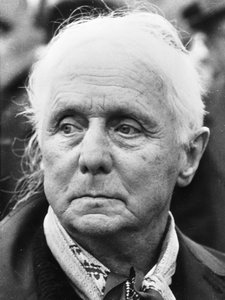
Max Ernst

Max Ernst

1891 - 1976, Niemcy

Quick facts about Max Ernst

  • Artistic Movement Or Style: Dada, Surrealizm
  • Artists Or Movements Influenced By This Artist:
    • Surrealizm
    • Dada
  • Artists Who Influenced This Artist:
    • Picasso
    • Van Gogh
    • Gauguin
  • Date Of Birth: 1 kwietnia 1891
  • Date Of Death: 1 kwietnia 1976
  • Full Name: Max Ernst
  • Nationality: Niemiecko-Amerykański, Francuski
  • Notable Artworks:
    • Celebes
    • Europa po deszczu
    • L'Ange du foyer
  • Place Of Birth: Brühl, Niemcy

Biografia artysty

A Life Immersed in the Surreal

Max Ernst, ur. 2 kwietnia 1891 w Brühl, zm. 1 kwietnia 1976 w Paryżu, był niemieckim malarzem, rzeźbiarzem, grafikiem i pisarzem. Jeden z głównych przedstawicieli surrealizmu, jego twórczość wywarła ogromny wpływ na rozwój sztuki XX wieku. Jego życie nie było podróżą po utartym szlaku artystycznym; raczej była to samodzielna eksploracja, napędzana przez rozważania filozoficzne, fascynację psychiczną i głębokie rozczarowanie normami społecznymi. Ojciec Ernsta, nauczyciel słuchowców i amatorski malarz, zaszczepił w nim zarówno wrażliwość na świat, jak i buntowniczy duch przeciwko ugruntowanym autorytetom. Ta wczesna dwuznaczność stała się definiującą cechą jego wizji artystycznej.

Studia Ernsta na Uniwersytecie w Bonniu – obejmujące filozofię, historię sztuki, literaturę, psychologię i psychiatrię – nie były jedynie odskocznią od rzeczywistości, lecz fundamentalnymi elementami, które głęboko wpłynęły na jego późniejsze prace. Nie interesował się jedynie *jak* malować; zamyślał się nad *dlaczego*. Ta intelektualna ciekawość doprowadziła go do zetknięcia się z przełomowymi dziełami Picassa, Van Gogha i Gauguina podczas wystawy Sonderbund w Kolonii w 1912 roku – moment, który nieodwracalnie zmienił jego ścieżkę artystyczną. Nasiona modernizmu zostały posiane.

Dada’s Disruption and the Birth of Surrealist Visions

Katastrofa I wojny światowej okazała się przełomowym momentem w życiu Ernsta. Jego doświadczenia jako żołnierza na obu frontach – wschodnim i zachodnim – głęboko go zszokowały, prowadząc do głębokiego sceptycyzmu wobec ugruntowanych porządków i pragnienia nowych sposobów wyrażania siebie. To rozczarowanie znalazło żyzną glebę w rozwijającym się ruchu dadańskim, którego on z entuzjazmem podjął się po powrocie do Kolonii w 1918 roku. Obok Hansa Arpa – trwałego przyjaciela i współpracownika – Ernst stał się centralną postacią grupy Dada w Kolonii, odrzucając tradycyjne konwencje artystyczne i przyjmując absurdalność, losowość i antyracjonalizm.

Jednak Dada było jedynie etapem przejściowym. Wczesnymi latami 1920-tych Ernst przeniósł się do Paryża i przyłączył się do kręgu surrealistów, pod przewodnictwem André Bretona. Oznaczało to przejście w stronę eksploracji sfery snów, podświadomości i irracjonalności. Pod wpływem teorii psychoanalitycznych Sigmunda Freuda, Ernst dążył do odblokowania ukrytych głębin ludzkiego doświadczenia poprzez swoją sztukę. Nie interesowało go przedstawianie rzeczywistości tak, jak się pojawiała, lecz ujawnianie podrzędnych sił psychicznych, które ją kształtują. Nie szukał w swoich obrazach odpowiedzi na pytania o sens życia, ale raczej próbował uchwycić emocje i skojarzenia, które wywołuje w nim świat.

Pioneering Techniques: Frottage, Grattage, and Collage

Artystyczne innowacje Ernsta rozciągały się poza tematykę – był nieustannym eksperymentem z technikami. Nie przyjął jedynie istniejących metod— wynalazł nowe. Być może jego najbardziej znanym wkładem jest frottage, czyli przetarcie kredą lub grafitem po powierzchniach o fakturze, aby stworzyć nieoczekiwane i sugestywne obrazy. Ta technika, narodziła się z chwili nudy podczas obserwacji struktury drewna, pozwoliła Ernsto dotrzeć do podświadomości i wygenerować formy, które przeczą świadomej kontroli. Blisko związana z nią była grattage, polegająca na tarciu farby po płótnie, odsłaniając leżące pod spodem warstwy.

Mistrzowsko wykorzystywał również collage – komponował różnorodne elementy – obrazy z magazynów, ilustracje naukowe, fotografie – w surrealistycznych kompozycjach, które kwestionowały konwencjonalne pojęcie reprezentacji. Te techniki nie były jedynie wyborami stylistycznymi— stanowiły integralną część jego eksploracji podświadomości i pragnienia zakłócenia tradycyjnych granic sztuki.

A Legacy of Innovation and Influence

Wybuch II wojny światowej zmusił Ernsta do ucieczki z Europy, znajdując schronienie w Stanach Zjednoczonych. Kontynuował malarstwo i eksperymentowanie z nowymi technikami przez cały okres swojej eksylu, ostatecznie powracając do Europy po zakończeniu wojny, gdzie pozostał aktywnym do śmierci 1 kwietnia 1976 roku w Paryżu.

Wpływ Ernsta na kolejne pokolenia artystów był niezmierzalny. Wyzwał konwencje artystyczne, zagłębił się w ukryte głębiny podświadomości i wynalazł innowacyjne techniki, które nadal inspirują artystów dzisiaj. Nie był jedynie malarzem— był odkrywcą, prowokatorem i wizjonerem, który poszerzył granice sztuki. Jego dzieła stanowią świadectwo siły wyobraźni, urok irracjonalności i trwającej próby zrozumienia złożoności ludzkiej psychiki.

Najważniejsze informacje

  • Location: Private Collection
  • Dimensions: 114 x 146 cm
  • Title: Cage, Forest and Black Sun
  • Influences:
    • Dada
    • Picasso
  • Subject or theme: Confinement/Liberation
  • Artist: Max Ernst

Quiz o sztuce

Do każdego pytania dotyczy tylko jedna poprawna odpowiedź.

Pytanie 1:
What artistic movement is Max Ernst’s ‘Cage, Forest and Black Sun’ primarily associated with?
Pytanie 2:
Which technique is prominently featured in ‘Cage, Forest and Black Sun’ to create its dreamlike quality?
Pytanie 3:
What does the ‘black sun’ in the painting symbolize, according to the provided text?
Pytanie 4:
The forest in ‘Cage, Forest and Black Sun’ is described as symbolizing what?
Pytanie 5:
What is Max Ernst known for experimenting with in his early career that influenced the creation of ‘Cage, Forest and Black Sun’?