

 Podgląd w skali
 Wyślij jako kartkę
 Udostępnij
 Szczegóły dzieła

 Pobierz
 Podobne obiekty
 RTG
RTG Pokaz slajdów
At the first clear word


 Rozwiń treść
Giclée / Wydruk artystyczny
Druk giclée lub płótno o jakości muzealnej, szybka realizacja i szeroki wybór opcji wykończenia. ( Zamów ręcznie malowaną reprodukcję Kup obraz wysokiej rozdzielczości)




P118B $10

P118H $10

P118W $10

P438Z $10

P508JH $12

P508YH $12

P805H $10

P805Z $10

P919BZ $10

P919G $10

P919XJ $10

P959ZH $10

P968JZ $12

W106C $8

W218G $10

W218JH $8

W218Y $10

W307PJ $10

W316G $10

W316PJ $8

W316Y $10

W398PJ $8

W4111J $10

W500HY $15

W500JH $15

W692G $12

W849H $8

W940BG $15

W953PJ $8




Wybierz spośród naszych standardowych rozmiarów, które zachowują oryginalne proporcje dzieła sztuki.

Możesz wprowadzić własne wymiary, aby dopasować dzieło do konkretnej ramy lub przestrzeni. Jeśli wybrany rozmiar nie będzie odpowiadał proporcjom oryginalnego obrazu, przytniecie dzieło lub rozszerzymy obraz za pomocą odbicia lustrzanego lub jednolitego wypełnienia krawędzi. Przed rozpoczęciem produkcji prześlemy cyfrową wizualizację do Twojej akceptacji.
Prosimy pamiętać, że podgląd na ekranie nie odzwierciedla faktycznego przycinania ani rozszerzania. Tylko wizualizacja dokładnie pokaże końcową kompozycję.
Mimo dostępności niestandardowych rozmiarów, zalecamy wybór wymiaru z listy zdefiniowanej, aby zachować oryginalne proporcje.
Dostawa na cały świat () w ciągu 2 tygodni zamiast standardowych 4/5 tygodni. (4 Wrzesień)

Bezpłatna ekspresowa wysyłka na cały świat

Wysokiej jakości płótno lniane

Pełne ubezpieczenie przesyłki

Gwarancja zwrotu należności celnych i podatków importowych

Gwarancja wiernego odwzorowania kolorów

Polityka 60-dniowego zwrotu (tylko w przypadku wad)

Gwarancja 100% zwrotu kosztów

Zniżka przy zamówieniu wielu produktów
 Opcja ze szkłem jest dostępna wyłącznie w rozmiarach poniżej 110 cm

At the first clear word
Giclée / Wydruk artystyczny
Wymiary reprodukcji
-


Cena całkowita
$ 80
At the First Clear Word
“At the First Clear Word” by Max Ernst stands as a cornerstone of Surrealist art, born in 1923 and residing within the Kunstsammlung Nordrhein-Westfalen in Düsseldorf. This oil on canvas piece encapsulates Ernst’s masterful ability to fuse reality with fantasy—a characteristic that immediately draws the viewer into an atmosphere brimming with intrigue and imaginative vision. As a pivotal figure in the Surrealist movement, Ernst employed groundbreaking techniques like Grattage, meticulously scraping away layers of paint to reveal underlying textures and surfaces, creating images that defy conventional representation.
Composition and Symbolism
- The painting depicts a solitary figure holding a red apple, reaching out from behind a wall adorned with a window. Two apples are strategically positioned within the scene—one grasped by the figure and another resting nearby—underscoring their significance as emblems of knowledge or temptation.
- A potted plant occupies the upper left corner, serving as a visual anchor and hinting at themes of growth and vitality. Conversely, a vase is situated in the background, adding depth to the landscape and subtly suggesting notions of domesticity and contemplation.
- The overall composition deliberately crafts a dreamlike panorama—a hallmark of Surrealism—challenging viewers’ perceptions and prompting profound interpretations.
Artistic Style and Technique
- Ernst's artistic style is defined by his fearless experimentation with diverse methods, notably Grattage. This technique involves aggressively scraping away paint layers to expose the raw canvas beneath, resulting in striking textural contrasts and captivating visual effects.
- The resultant blend of abstract and representational elements—evident throughout “At the First Clear Word”—demonstrates Ernst’s commitment to pushing artistic boundaries and exploring uncharted territories.
- Furthermore, the painting's meticulous rendering captures a palpable stillness, mirroring the contemplative mood often associated with Surrealist art.
Historical Context
Created during the turbulent years of World War I, “At the First Clear Word” reflects Ernst’s disillusionment with societal norms and his profound engagement with philosophical ideas. The painting aligns seamlessly with the broader Surrealist movement—a reaction against rationalism and logic—which sought to liberate the subconscious mind from repressive constraints.
Related Works
Ernst's artistic vision extends beyond “At the First Clear Word,” as evidenced by masterpieces such as “The Wavering Woman” and “Ubu Imperator.” These works share a common thread of symbolic exploration—a preoccupation with archetypal imagery and psychological narratives—further cementing Ernst’s legacy as one of Surrealism’s most influential voices.
Availability
For those desiring to immerse themselves in the captivating aesthetic of Surrealist art, OriginalUniqueArt.com offers exquisitely crafted oil painting reproductions of “At the First Clear Word” and other seminal works by Max Ernst. Experience the transformative power of owning a piece of artistic history—a testament to Ernst’s enduring genius.
O artyście
A Life Immersed in the Surreal
Max Ernst, ur. 2 kwietnia 1891 w Brühl, zm. 1 kwietnia 1976 w Paryżu, był niemieckim malarzem, rzeźbiarzem, grafikiem i pisarzem. Jeden z głównych przedstawicieli surrealizmu, jego twórczość wywarła ogromny wpływ na rozwój sztuki XX wieku. Jego życie nie było podróżą po utartym szlaku artystycznym; raczej była to samodzielna eksploracja, napędzana przez rozważania filozoficzne, fascynację psychiczną i głębokie rozczarowanie normami społecznymi. Ojciec Ernsta, nauczyciel słuchowców i amatorski malarz, zaszczepił w nim zarówno wrażliwość na świat, jak i buntowniczy duch przeciwko ugruntowanym autorytetom. Ta wczesna dwuznaczność stała się definiującą cechą jego wizji artystycznej.
Studia Ernsta na Uniwersytecie w Bonniu – obejmujące filozofię, historię sztuki, literaturę, psychologię i psychiatrię – nie były jedynie odskocznią od rzeczywistości, lecz fundamentalnymi elementami, które głęboko wpłynęły na jego późniejsze prace. Nie interesował się jedynie *jak* malować; zamyślał się nad *dlaczego*. Ta intelektualna ciekawość doprowadziła go do zetknięcia się z przełomowymi dziełami Picassa, Van Gogha i Gauguina podczas wystawy Sonderbund w Kolonii w 1912 roku – moment, który nieodwracalnie zmienił jego ścieżkę artystyczną. Nasiona modernizmu zostały posiane.
Dada’s Disruption and the Birth of Surrealist Visions
Katastrofa I wojny światowej okazała się przełomowym momentem w życiu Ernsta. Jego doświadczenia jako żołnierza na obu frontach – wschodnim i zachodnim – głęboko go zszokowały, prowadząc do głębokiego sceptycyzmu wobec ugruntowanych porządków i pragnienia nowych sposobów wyrażania siebie. To rozczarowanie znalazło żyzną glebę w rozwijającym się ruchu dadańskim, którego on z entuzjazmem podjął się po powrocie do Kolonii w 1918 roku. Obok Hansa Arpa – trwałego przyjaciela i współpracownika – Ernst stał się centralną postacią grupy Dada w Kolonii, odrzucając tradycyjne konwencje artystyczne i przyjmując absurdalność, losowość i antyracjonalizm.
Jednak Dada było jedynie etapem przejściowym. Wczesnymi latami 1920-tych Ernst przeniósł się do Paryża i przyłączył się do kręgu surrealistów, pod przewodnictwem André Bretona. Oznaczało to przejście w stronę eksploracji sfery snów, podświadomości i irracjonalności. Pod wpływem teorii psychoanalitycznych Sigmunda Freuda, Ernst dążył do odblokowania ukrytych głębin ludzkiego doświadczenia poprzez swoją sztukę. Nie interesowało go przedstawianie rzeczywistości tak, jak się pojawiała, lecz ujawnianie podrzędnych sił psychicznych, które ją kształtują. Nie szukał w swoich obrazach odpowiedzi na pytania o sens życia, ale raczej próbował uchwycić emocje i skojarzenia, które wywołuje w nim świat.
Pioneering Techniques: Frottage, Grattage, and Collage
Artystyczne innowacje Ernsta rozciągały się poza tematykę – był nieustannym eksperymentem z technikami. Nie przyjął jedynie istniejących metod— wynalazł nowe. Być może jego najbardziej znanym wkładem jest frottage, czyli przetarcie kredą lub grafitem po powierzchniach o fakturze, aby stworzyć nieoczekiwane i sugestywne obrazy. Ta technika, narodziła się z chwili nudy podczas obserwacji struktury drewna, pozwoliła Ernsto dotrzeć do podświadomości i wygenerować formy, które przeczą świadomej kontroli. Blisko związana z nią była grattage, polegająca na tarciu farby po płótnie, odsłaniając leżące pod spodem warstwy.
Mistrzowsko wykorzystywał również collage – komponował różnorodne elementy – obrazy z magazynów, ilustracje naukowe, fotografie – w surrealistycznych kompozycjach, które kwestionowały konwencjonalne pojęcie reprezentacji. Te techniki nie były jedynie wyborami stylistycznymi— stanowiły integralną część jego eksploracji podświadomości i pragnienia zakłócenia tradycyjnych granic sztuki.
A Legacy of Innovation and Influence
Wybuch II wojny światowej zmusił Ernsta do ucieczki z Europy, znajdując schronienie w Stanach Zjednoczonych. Kontynuował malarstwo i eksperymentowanie z nowymi technikami przez cały okres swojej eksylu, ostatecznie powracając do Europy po zakończeniu wojny, gdzie pozostał aktywnym do śmierci 1 kwietnia 1976 roku w Paryżu.
Wpływ Ernsta na kolejne pokolenia artystów był niezmierzalny. Wyzwał konwencje artystyczne, zagłębił się w ukryte głębiny podświadomości i wynalazł innowacyjne techniki, które nadal inspirują artystów dzisiaj. Nie był jedynie malarzem— był odkrywcą, prowokatorem i wizjonerem, który poszerzył granice sztuki. Jego dzieła stanowią świadectwo siły wyobraźni, urok irracjonalności i trwającej próby zrozumienia złożoności ludzkiej psychiki.
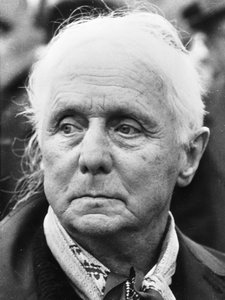
Max Ernst
1891 - 1976 , Niemcy
Krótka nota
- Artistic Movement Or Style: Dada, Surrealizm
- Artists Or Movements Influenced By This Artist:
- Surrealizm
- Dada
- Artists Who Influenced This Artist:
- Picasso
- Van Gogh
- Gauguin
- Date Of Birth: 1 kwietnia 1891
- Date Of Death: 1 kwietnia 1976
- Full Name: Max Ernst
- Nationality: Niemiecko-Amerykański, Francuski
- Notable Artworks:
- Celebes
- Europa po deszczu
- L'Ange du foyer
- Place Of Birth: Brühl, Niemcy
Powiązane artykuły

Max Ernst: 25 Arcydzieł Surrealizmu dla Kolekcjonerów i Miłośników Sztuki | OriginalUniqueArt
Odkryj 25 najbardziej fascynujących dzieł Maxa Ernsta – pioniera surrealizmu. Poznaj historię, techniki i inspiracje tego niemieckiego artysty. Reprodukcje obrazów najwyższej jakości na OriginalUniqueArt.com. Eksploruj pełną kolekcję online!

Trwała Spuścizna Malarstwa Olejnego: Technika, Historia i Estetyczny Wpływ
Poznaj historię i technikę malarstwa olejnego! Eksperckie artykuły o konserwacji, renowacji oraz współczesnych zastosowaniach. Dowiedz się więcej o mistrzach i trwałości obrazów olejnych.

Olej na płótnie: Historia, techniki i ponadczasowy urok malarskiego medium
Poznaj historię i techniki malarstwa olejowego! Od renesansowych mistrzów po współczesne zastosowania – wszystko o oleju na płótnie. Poradniki, konserwacja i inspiracje dla pasjonatów sztuki.

Trwała Spuścizna Malarstwa Olejnego: Technika, Historia i Współczesna Praktyka
Poznaj historię i techniki malarstwa olejnego. Poradniki dla artystów, informacje o konserwacji oraz możliwość zamówienia wysokiej jakości reprodukcji obrazów. Ekspercka wiedza i gwarancja trwałości dzieł sztuki.
The Soul of Impressionism: Why Oil on Canvas Captures Eternal Light and Timeless Emotion
Discover the enchanting alchemy of Impressionism. Explore how the mastery of oil on canvas, through glazing and impasto, captures eternal light and emotion. Perfect for lovers of Monet and Van Gogh seeking the profound depth of hand-painted fine art.



