

 Zobacz w skali 1:1
 Wyślij
 Udostępnij
 Szczegóły
 Przewodnik

 Pobierz plik obrazu
 Podobne obiekty
 RTG
RTG Pokaz slajdów
 Statystyki
The King
 Acrylic
- WallArt
- Expressionist Painting
 1937
1937 135.0 x 100.0 cm
 Czytaj więcej
Ręcznie malowana reprodukcja olejowa
Ręcznie malowany obraz olejny na płótnie, wykonany na zamówienie przez naszych artystów w wybranym przez Ciebie wymiarze i oprawie. ( Przełącz na wersję drukowaną Przełącz na wersję cyfrową)




P118B zł10

P118H zł10

P118W zł10

P438Z zł10

P508JH zł12

P508YH zł12

P805H zł10

P805Z zł10

P919BZ zł10

P919G zł10

P919XJ zł10

P959ZH zł10

P968JZ zł12

W106C zł8

W218G zł10

W218JH zł8

W218Y zł10

W307PJ zł10

W316G zł10

W316PJ zł8

W316Y zł10

W398PJ zł8

W4111J zł10

W500HY zł15

W500JH zł15

W692G zł12

W849H zł8

W940BG zł15

W953PJ zł8




Wybierz spośród naszych standardowych rozmiarów, które zachowują oryginalne proporcje dzieła sztuki.

Wpisz wymaganą szerokość i wysokość, aby obraz pasował do Twojej ramy lub ściany. Ponieważ jest to dzieło malowane ręcznie, w przypadku rozmiaru o innym proporcji artysta może domalować nieco więcej wokół obrazu lub przyciąć fragmenty — wybór należy do Ciebie. Przed rozpoczęciem pracy prześlemy Ci cyfrową wizualizację do zatwierdzenia. Obraz widoczny na tej stronie nie przedstawia rzeczywistego efektu — jedynie wizualizacja oddaje realny rezultat.
Po złożeniu zamówienia zespół OriginalUniqueArt.com skontaktuje się z klientem drogą mailową w celu uzyskania instrukcji i prześle wizualizację projektu
Dostawa na całym świecie () w ciągu 3–4 tygodni zamiast standardowych 5 tygodni. (16 Październik). Bez kompromisów w kwestii jakości.

Bezpłatna ekspresowa wysyłka na cały świat

Wysokiej jakości płótno lniane

Pełne ubezpieczenie transportowe

Gwarancja zwrotu należności celnych i podatków importowych

Gwarancja idealnego odwzorowania barw

100-dniowy okres na zwrot dzieła w przypadku wykrycia wad produkcyjnych

Gwarancja 100% zwrotu pieniędzy

Oferta przy zakupie wielu sztuk
 Opcja ze szkłem jest dostępna wyłącznie w rozmiarach poniżej 110 cm

The King
Technika wykonania
Rozmiar reprodukcji
-


Suma do zapłaty
zł 1139
Artistic Evolution and Inspiration
Beckmann worked tirelessly on The King, submitting it to the Carnegie International exhibition in San Francisco from 1934-35. Although it did not win a prize, this setback prompted him to make significant changes before finally signing the piece in Amsterdam in 1937. The painting's history is crucial as some critics have interpreted it as an allusion to the "despot" of the time, suggesting it was Beckmann's first work created in exile. However, the resemblance between the king and Beckmann himself negates any direct reference to a specific tyrant. Instead, the artwork delves into the inner drama of a proud, powerful, yet benign individual.Composition and Symbolism
The painting features a man wearing a crown, seated with a child on his lap, accompanied by two other figures in the background. All three individuals are dressed in pink attire, creating a sense of unity and togetherness. A dog is prominently positioned near the center of the image, while a chair is visible in the background, adding depth to the composition. The king's features bear a striking resemblance to Beckmann's own, although it was not intended as a formal self-portrait. The distinctive collar with triangular flaps, often associated with clown and harlequin costumes, suggests that the ominous scene might be part of a play. This blend of reality and theatricality is characteristic of Beckmann's unique style.Expressionism and Artistic Legacy
Max Beckmann was a prominent figure in the Expressionist movement, known for his ability to convey intense emotions through his art. The King exemplifies this by capturing the inner turmoil and dignity of its subject. Beckmann's work is a testament to the power of Expressionism in exploring the human experience. For those interested in learning more about Max Beckmann and his contributions to Expressionism, visit /art/list/?Filter=Max-Beckmann for a comprehensive overview of his life and works. Additionally, explore the detailed page on "The King" to delve deeper into the painting's history and significance.Conclusion
The King by Max Beckmann is a masterpiece that encapsulates the essence of Expressionism, blending reality with theatrical elements. Its rich history and symbolism make it a compelling piece for art enthusiasts and scholars alike. As part of the Saint Louis Art Museum's collection, this painting continues to inspire and intrigue audiences. For those who appreciate the beauty of handmade oil paintings, OriginalUniqueArt offers high-quality reproductions of Beckmann's works, including The King. Visit https://OriginalUniqueArt.com to explore their extensive collection and bring a piece of art history into your home.Pytania i odpowiedzi
Jak postrzegana jasność prezentuje „The King” autorstwa Max Beckmann?
Ogólnie rzecz biorąc, "The King" charakteryzuje się poziomem deep_shadow. Postrzegana jasność opisuje, jak jasne lub ciemne wydaje się dzieło.
Do którego etapu kariery Max Beckmann należy dzieło „The King” (1937)?
Biorąc pod uwagę datę powstania (1937), dzieło „The King” wpisuje się w Mature Period twórczości Max Beckmann.
Jakiej kolorystyki używa "The King"?
Paleta dzieła „The King” autorstwa Max Beckmann jest opisywana jako Earthy. Stanowi ona zwięzłe zestawienie barw użytych w pracy.
Biografia artysty
Early Life and Artistic Development
Max Carl Friedrich Beckmann (ur. 12 lutego 1884 w Lipsku, zm. 27 grudnia 1950 w Nowym Jorku) – niemiecki malarz, rysownik, rzeźbiarz, grafik i pisarz. Członek Berlińskiej Secesji. Jego twórczość rozpoczęła się od obrazów wiernych akademickim zasadom, które później przekształciły się w deformacje postaci i przestrzeni, odzwierciedlając jego zmieniony obraz ludzkości po służbie jako lekarz podczas I wojny światowej. Jego edukacja odbyła się w Lipsku, gdzie ojciec był młynarzem. Po wybuchu konfliktu międzynarodowego Beckmann został jego gorącym przeciwnikiem, gdyż uważał ją za narodowe nieszczęście. W 1915 przeżył poważną kryzys psychiczną. Te wydarzenia znacząco wpłynęły na jego twórczość i zainspirowały go do eksperymentów z różnymi technikami artystycznymi oraz tematami filozoficznymi. Jego pierwszym obrazem był dzieło inspirowane sztuką Cézanne’a i Van Gogha, które odzwierciedlało wpływ impresjonizmu na jego młodych twórczych lat.Artistic Style and Influences
Beckmann's style, rooted in the imagery of medieval stained glass, was profoundly influenced by numerous artists. Among them were Cézanne, Van Gogh, Blake, Rembrandt, and Rubens – figures who championed expressive brushwork and bold color palettes. He drew inspiration from Northern European artists of the late Middle Ages and early Renaissance, such as Bosch, Grünewald, and Matthias Grünewald, whose works explored themes of morality and symbolism with unsettling detail. Beckmann’s artistic vision was shaped by a fascination for psychological depth and an uncompromising commitment to portraying human experience in its rawest form. Jego twórczość odzwierciedlała zainteresowanie filozofią oraz refleksję nad kondycją człowieka w obliczu tragedii i przemiany świata.Notable Works and Exhibitions
Beckmann’s oeuvre encompasses a remarkable range of styles and mediums, reflecting his evolving artistic sensibilities throughout his life. He gained recognition for monumental triptychs that tackled complex theological and philosophical questions, demonstrating his mastery of visual storytelling and symbolic representation. His most celebrated paintings include *The Bark*, acquired by the National Gallery in Berlin – a haunting depiction of human suffering and resilience – and *Self-Portrait in Tuxedo*, which captures a moment of introspective contemplation. Beckmann’s works were showcased in prestigious exhibitions across Europe, cementing his place as one of the foremost artists of his era. Jego twórczość była prezentowana na międzynarodowych wystawach sztuki i osiągnęła ogromną popularność wśród krytyków oraz kolekcjonerów.Later Life and Exile
Beckmann’s life took a dramatic turn with the rise of Adolf Hitler, leading to his dismissal from the Frankfurt Art School and the confiscation of over 500 of his paintings – a devastating blow to his artistic career. Forced into exile, he resided in Amsterdam for ten years, facing insurmountable obstacles in securing permission to immigrate to the United States. Despite these hardships, Beckmann continued to produce art during his self-imposed seclusion, demonstrating unwavering dedication to his craft and intellectual pursuits. Jego twórczość powstała podczas okresu emigracji i była świadectwem jego odporności ducha oraz umiejętności przekształcania trudnych doświadczeń w inspirację dla sztuki. Podczas II wojny światowej Beckmann pozostał wiernym swoim przekonaniom politycznym i wyrażał swoje sprzeciw wobec nazistowskiego reżimu poprzez twórczość artystyczną. Jego ostatnie lata spędził w Nowym Jorku, gdzie kontynuował pracę nad obrazami oraz prowadził działalność pedagogiczną. Max Beckmann zmarł na atak serca w 1950 roku, pozostawiając po sobie bogate dziedzictwo kulturalne i wpływowe dzieła sztuki. Jego twórczość jest analizowana przez krytyków i historyków sztuki jako jedno z najważniejszych osiągnięć ekspresjonizmu niemieckiego oraz refleksję nad kondycją człowieka w XX wieku.Legacy
Beckmann’s legacy extends beyond his artistic output, encompassing his role as a teacher and mentor who nurtured the talents of aspiring artists. His retrospective exhibitions in Saint Louis and Basel captivated audiences worldwide, reaffirming his enduring relevance to contemporary art discourse. Max Beckmann Gallery, Germany – houses a comprehensive collection of his paintings and prints, offering visitors an unparalleled opportunity to immerse themselves in the artist’s visionary aesthetic. Jego twórczość jest analizowana przez krytyków i historyków sztuki jako jedno z najważniejszych osiągnięć ekspresjonizmu niemieckiego oraz refleksję nad kondycją człowieka w XX wieku.
Max Beckmann
1884 - 1950 , Niemcy
Najważniejsze informacje
- Artistic Movement Or Style: Ekspresjonizm
- Artists Or Movements Influenced By This Artist:
- Rembrandt
- Bosch
- Artists Who Influenced This Artist:
- Georges Seurat
- Vincent van Gogh
- Date Of Birth: 2 lutego 1884
- Date Of Death: 27 grudnia 1950
- Full Name: Max Carl Friedrich Beckmann
- Nationality: Niemiec
- Notable Artworks:
- The Bark
- Portret w smokingu
- Place Of Birth: Lipsk, Niemcy
Zobacz także powiązane artykuły

Olej na płótnie: Historia, techniki i ponadczasowy urok malarskiego medium
Poznaj historię i techniki malarstwa olejowego! Od renesansowych mistrzów po współczesne zastosowania – wszystko o oleju na płótnie. Poradniki, konserwacja i inspiracje dla pasjonatów sztuki.

Trwała Spuścizna Malarstwa Olejnego: Technika, Historia i Estetyczny Wpływ
Poznaj historię i technikę malarstwa olejnego! Eksperckie artykuły o konserwacji, renowacji oraz współczesnych zastosowaniach. Dowiedz się więcej o mistrzach i trwałości obrazów olejnych.
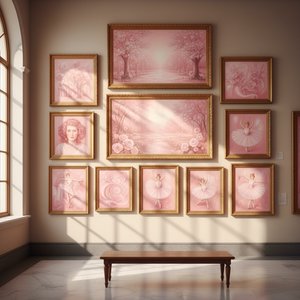
Top 10 Sławnych Obrazów w Odcieniach Delikatnego Różu – Sztuka i Dekoracja Domu
Odkryj 10 najsłynniejszych obrazów w odcieniach delikatnego różu! Poznaj historie Monet, Degasa i innych mistrzów impresjonizmu. Inspiracje do dekoracji wnętrz i reprodukcje najwyższej jakości na OriginalUniqueArt.com – sztuka dla Twojego domu.

Unmasking Emotion: A Journey Through the Raw Power and Visceral Beauty of German Expressionism
Explore the raw emotional power of German Expressionism. From Kirchner to Die Brücke, discover how artists used distortion and vibrant color to unmask the human psyche. A deep dive into art history for the discerning collector and enthusiast.

10 Arcydzieł Ekspresjonizmu Niemieckiego, Które Zdefiniowały Epokę | OriginalUniqueArt
Poznaj 10 arcydzieł ekspresjonizmu niemieckiego – od Kirchnera po Muncha. Odkryj historię, emocje i techniki tych ikonicznych dzieł sztuki. Reprodukcje najwyższej jakości na OriginalUniqueArt.com. Eksploruj kolekcję online!


