Expressionism · 1946
Actresses (Max Beckmann, 1946)
Max Beckmann (1884–1950) stworzył Actresses. Dzieło pochodzi z 1946. Należy do nurtu Expressionism. Wykonano w technice Acrylic On Canvas. Przechowywane jest w Kunsthaus Zürich w Zurych, Szwajcaria. Wymiary to 160 × 120 cm.
- 1946
- Acrylic On Canvas
- 160 × 120 cm
- Kunsthaus Zürich, Zurych

 Podgląd w skali 1:1

 Ręcznie malowany obraz olejny
 Wyślij jako kartkę
 Udostępnij
 Karta informacyjna


 Pobierz obraz
 Podobne obiekty
 RTG
 Pokaz slajdów
 Pytania i odpowiedzi

 Statystyki
Actresses w skrócie
- Tytuł
- Actresses
- Artysta
- Max Beckmann (1884–1950)
- Miejsce urodzenia artysty
- Lipsk, Niemcy
- Data powstania
- 1946
- Technika wykonania
- Acrylic On Canvas
- Wymiary
- 160 × 120 cm
- Gdzie można je zobaczyć
- Kunsthaus Zürich, Zurych, Szwajcaria
- Ruch
- Expressionism
- Temat
- actresses, dressing room, theatre, women, reflection, black and white
Co przedstawia Actresses?
A Moment Frozen in Glamour: Max Beckmann’s “Actresses”
Max Beckmann's 1946 painting, "Actresses," isn’t merely a depiction of two women in a dressing room; it’s a potent distillation of anxiety, vulnerability, and the carefully constructed facade of performance. Housed within the Kunsthaus Zürich’s collection, this oil on canvas invites us into a space both intimate and unsettling, revealing a complex interplay between reality and illusion that defines much of Beckmann's oeuvre. The painting immediately draws the eye to the central figures – two women seated before a large mirror, their postures suggesting a blend of anticipation and weariness. One woman, positioned slightly to the left, holds her hand delicately to her face, a gesture simultaneously shielding herself from an unseen light or expressing a profound discomfort. Her expression is ambiguous, hinting at both apprehension and a quiet resignation.
Beckmann’s style during this period – often categorized as New Objectivity or Neo-Expressionism – deliberately rejected the emotional excesses of earlier Expressionist movements. Instead, he favored a stark realism, employing flattened perspectives and fragmented forms to create a sense of unease and psychological depth. The mirror itself is crucial; it's not a simple reflective surface but an active participant in the scene, distorting and multiplying the figures, suggesting that identity itself is fluid and constructed. The lighting, too, contributes significantly to the painting’s mood – a diffused, almost clinical light casts long shadows, emphasizing the women’s faces and highlighting their vulnerability.
Echoes of Weimar and the Shadow of War
To fully appreciate “Actresses,” it's essential to understand the historical context in which it was created. Painted in 1946, just after the end of World War II, the painting reflects the profound anxieties and uncertainties gripping Germany at the time. The Weimar Republic, a period of relative prosperity and artistic experimentation, had collapsed into chaos and ultimately succumbed to the rise of Nazism. Beckmann, a staunch critic of authoritarianism, channeled these turbulent emotions through his art. The scene within the dressing room can be interpreted as a metaphor for the broader societal anxieties – the crumbling of established norms, the loss of innocence, and the pervasive sense of disillusionment.
Beckmann’s earlier life in Leipzig, Germany, was marked by significant personal tragedy, including the death of his wife. This experience undoubtedly informed his later work, contributing to a recurring theme of isolation and psychological distress. The painting's somber palette – dominated by muted browns, grays, and blacks – reinforces this sense of melancholy and foreboding. The overall effect is less celebratory than one might expect from a depiction of actresses, instead evoking a feeling of quiet desperation.
Symbolism and the Performance of Identity
Beyond its immediate visual impact, “Actresses” is rich in symbolic meaning. The dressing room itself represents the constructed nature of identity – the elaborate costumes, makeup, and carefully rehearsed performances that actresses present to the public. The mirror serves as a constant reminder that this performance is ultimately an illusion, concealing the women’s true selves. The book visible on the table further reinforces this theme, suggesting a preoccupation with stories, narratives, and the roles we play in life.
Furthermore, the positioning of the figures – one woman facing away from the viewer, the other turned towards her – creates a dynamic tension. It’s as if they are both observing each other, caught in a silent exchange that reveals nothing but their shared vulnerability. The painting doesn't offer easy answers or resolutions; instead, it compels us to confront the complexities of human experience and the often-painful process of self-discovery.
A Timeless Reflection on Artifice and Reality
“Actresses” remains a powerfully evocative work of art, demonstrating Beckmann’s mastery of psychological observation and his ability to translate complex emotions onto canvas. It's a painting that rewards repeated viewing, revealing new layers of meaning with each encounter. Its enduring appeal lies in its honest portrayal of human fragility and the inherent tension between appearance and reality – themes that resonate deeply across generations. Whether viewed as a historical document or a timeless meditation on identity, “Actresses” continues to captivate and challenge viewers today.
W którym muzeum znajduje się Actresses?
Kunsthaus Zürich
Zurych, Szwajcaria
Historia Kunsthaus Zürich Korzenie Kunsthaus Zürich sięgają 1901 roku, kiedy to instytucja została założona przez Zürcher Kunstgesellschaft. To, co rozpoczęło się jako stowarzyszenie poświęcone pielęgnowaniu wrażliwości na wyraz artystyczny, z czasem przeobraziło się w największą instytucję kulturalną w Szwajcarii. Muzeum, położone w samym sercu Zurychu, zajmuje największy obszar spośród wszystkich galerii sztuki w tym kraju, stanowiąc prawdziwe centrum artystycznego życia.


Zdjęcia w wysokiej rozdzielczości dzieła Actresses

Domena publiczna: artysta zmarł w 1950.
Inne rozmiary, kadrowanie i cytowanie →Max Beckmann, Actresses (1946), Kunsthaus Zürich. Domena publiczna
Odpowiedzi na pytania dotyczące Actresses
Gdzie można obecnie zobaczyć dzieło „Actresses” – Max Beckmann?
Oryginał dzieła „Actresses” można zobaczyć w Kunsthaus Zürich, Zurych, Szwajcaria.
W którym roku powstało dzieło „Actresses” – Max Beckmann?
Powstanie „Actresses” – Max Beckmann datuje się na 1946.
Z jakiej techniki wykorzystano "Actresses"?
Technika wykonania dzieła „Actresses” – Max Beckmann to Acrylic On Canvas. Reprodukcje mają na celu wierne oddanie wyglądu tej techniki.
Jakie są rzeczywiste wymiary dzieła „Actresses” – Max Beckmann?
Wymiary dzieła „Actresses” – Max Beckmann to 160 x 120 cm. Reprodukcje można zamówić w innych rozmiarach, zachowując te same proporcje.
Co przedstawia "Actresses"?
Tematyka obecna w „Actresses” – Max Beckmann obejmuje actresses, dressing room, theatre, women, reflection, black and white, 1946, germany. Razem stanowią one podsumowanie tematyki dzieła.
Czy obraz „Actresses” – Max Beckmann można swobodnie reprodukować?
Status praw autorskich dla „Actresses” – Max Beckmann: dzieło znajduje się w należy do domeny publicznej – autorskie prawa majątkowe wygasły. Określa to, czy reprodukcje obrazu mogą być sporządzane swobodnie.
Kto jest autorem dzieła "Actresses"?
Autorem dzieła „Actresses” jest Max Beckmann. Praca ta figuruje w katalogu pod nazwiskiem Max Beckmann.
Do jakiego nurtu należy "Actresses"?
„Actresses” – Max Beckmann należy do nurtu Expressionism. Nurt ten stanowi stylistyczny kontekst dzieła.
Do którego etapu twórczości Max Beckmann należy dzieło „Actresses”?
W dorobku artystycznym Max Beckmann dzieło „Actresses” przypada na Mature Period. Ten etap pozwala zestawić je z innymi pracami twórcy.
O artyście: Max Beckmann

1884–1950, Niemcy
Max Beckmann
Życie i sztuka Max Beckmann Max Beckmann był artystą o niezwykłej wszechstronności, który z pasją oddawał się malarstwu, rysunkowi, grafice, rzeźbie oraz literaturze. Na świat przyszedł 12 lutego 1884 roku w Lipsku, w Saksonii. Wychowywał się w rodzinie klasy średniej jako najmłodsze z trójki dzieci. Jego wczesne lata upłynęły w cieniu domowego spokoju i stabilizacji, aż do 1984 roku, kiedy to jego ojciec, Carl Beckmann, handlarz zbożem, odszedł z tego świata.
Inne prace Max Beckmann
 Noc1919
 Scena Wielka z Agonii1906
 Most Żelazny (Widok na Frankfurt)1922
 Kolumbina1950

Eseje o Actresses
 Max Beckmann: Navigating Trauma & Modernity Through a Distorted LensExplore the powerful world of Max Beckmann's art – a journey through trauma, modernity & distortion. Discover his key works, influences, an…
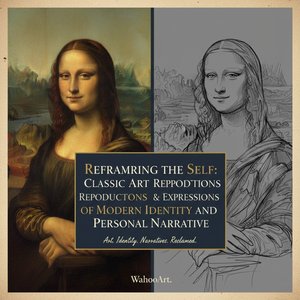 Przestrzenią Tożsamości: Klasyczne Reprodukcje Sztuki jako Wyraz Współczesnej Indywidualności i Opowieści ŻyciowejOdkryj klasyczne reprodukcje sztuki i portrety tworzone z pasją przez artystów. Wyraź swoją tożsamość, pielęgnuj pamięć rodziny lub stwórz …
 Masterpieces Unveiled: The Top 25 Artworks at Kunsthaus ZürichExplore 25 iconic works from Kunsthaus Zürich, from Munch to Picasso. Discover museum-quality art at OriginalUniqueArt.com.