

 Zobacz w skali 1:1
 Wyślij
 Udostępnij
 Szczegóły
 Guide
Guide

 Pobierz plik obrazu
 Podobne obiekty
 RTG
RTG Pokaz slajdów
 Statystyki
Market Scene


 Czytaj więcej
Giclée / Wydruk artystyczny
Wydruki giclée lub płótna o jakości muzealnej, szybka realizacja i szeroki wybór opcji wykończenia. ( Kup ręcznie malowany obraz Przełącz na wersję cyfrową)




P118B $10

P118H $10

P118W $10

P438Z $10

P508JH $12

P508YH $12

P805H $10

P805Z $10

P919BZ $10

P919G $10

P919XJ $10

P959ZH $10

P968JZ $12

W106C $8

W218G $10

W218JH $8

W218Y $10

W307PJ $10

W316G $10

W316PJ $8

W316Y $10

W398PJ $8

W4111J $10

W500HY $15

W500JH $15

W692G $12

W849H $8

W940BG $15

W953PJ $8




Wybierz spośród naszych standardowych rozmiarów, które zachowują oryginalne proporcje dzieła sztuki.

Możesz wprowadzić własne wymiary, aby dopasować dzieło do konkretnej ramy lub przestrzeni. Jeśli wybrany rozmiar nie będzie odpowiadał proporcjom oryginalnego obrazu, przytniecie dzieło lub rozszerzymy obraz za pomocą odbicia lustrzanego lub jednolitego wypełnienia krawędzi. Przed rozpoczęciem produkcji prześlemy cyfrową wizualizację do Twojej akceptacji.
Prosimy pamiętać, że podgląd na ekranie nie odzwierciedla faktycznego przycinania ani rozszerzania. Tylko wizualizacja dokładnie pokaże końcową kompozycję.
Mimo dostępności niestandardowych rozmiarów, zalecamy wybór wymiaru z listy zdefiniowanej, aby zachować oryginalne proporcje.
Dostawa na cały świat () w ciągu 2 tygodni zamiast standardowych 4/5 tygodni. (21 Wrzesień)

Bezpłatna ekspresowa wysyłka na cały świat

Wysokiej jakości płótno lniane

Pełne ubezpieczenie transportowe

Gwarancja zwrotu należności celnych i podatków importowych

Gwarancja idealnego odwzorowania barw

100-dniowy okres na zwrot dzieła w przypadku wykrycia wad produkcyjnych

Gwarancja 100% zwrotu pieniędzy

Oferta przy zakupie wielu sztuk
 Opcja ze szkłem jest dostępna wyłącznie w rozmiarach poniżej 110 cm

Market Scene
Giclée / Wydruk artystyczny
Rozmiar reprodukcji
-


Suma do zapłaty
$ 80
A Vibrant Snapshot of Urban Life: Maurice Brazil Prendergast’s “Market Scene”
Maurice Brazil Prendergast's "Market Scene," painted in 1899, isn’t merely a depiction of a bustling marketplace; it’s a carefully constructed tableau brimming with the energy and dynamism of late 19th-century American life. This captivating work, recently rediscovered through extensive research, offers a rare glimpse into the artistic sensibilities of an often-overlooked figure in the transition from Impressionism to Modernism. The painting immediately draws the eye with its riotous color palette – bold yellows, vibrant reds, and deep blues—a deliberate departure from the muted tones favored by many of his contemporaries. Prendergast masterfully employs a technique he termed “mosaic,” layering small, broken brushstrokes of pure color upon one another to create an effect of shimmering light and movement. This approach, reminiscent of Seurat’s pointillism but with a distinctly looser, more expressive quality, imbues the scene with a palpable sense of vitality.The Setting: Boston's Vibrant Commercial Heart
To understand “Market Scene,” it’s crucial to consider its historical context. Painted during a period of rapid industrialization and urbanization in America, Boston was experiencing a surge in population and economic activity. The marketplace depicted here wasn’t a romanticized pastoral idyll; it represented the heart of the city's commercial life – a place where goods were exchanged, stories unfolded, and the rhythms of daily existence played out with frenetic energy. Prendergast himself had experienced this firsthand, having grown up in a trading post family in Newfoundland before relocating to Boston. This early exposure to a rugged, elemental landscape undoubtedly shaped his artistic vision, fostering an appreciation for light, color, and the raw beauty of nature – qualities he skillfully translated into his urban scenes. The inclusion of numerous boats further emphasizes this connection to maritime trade, a vital component of Boston’s economy at the time.Decoding the Composition: People, Boats, and Movement
The composition of “Market Scene” is remarkably dynamic, deliberately designed to capture the feeling of constant motion. Prendergast doesn't offer a single, dominant focal point; instead, he directs our gaze across the crowded scene through a carefully orchestrated arrangement of figures and boats. The numerous individuals – men, women, and children – are depicted in various states of activity: bartering, conversing, carrying goods, or simply observing the spectacle. Their interactions, though fleetingly captured, suggest a complex social tapestry. The boats, strategically placed throughout the scene, aren’t just decorative elements; they contribute significantly to the sense of depth and perspective, mirroring the movement of the crowd and reinforcing the feeling of a vibrant, ever-changing environment. Notice how Prendergast uses overlapping forms and varying levels of detail to create an illusion of three-dimensionality – a hallmark of his innovative approach.Symbolism and Emotional Resonance
Beyond its technical brilliance, “Market Scene” resonates with a subtle emotional depth. While the painting celebrates the energy and vitality of urban life, there’s also an underlying sense of transience and impermanence. The fleeting interactions between individuals, the constant flow of goods, and the ever-changing nature of the marketplace all suggest a world in perpetual motion – a theme that aligns with Prendergast's broader exploration of modern American experience. The bright colors and dynamic brushwork evoke a sense of optimism and exuberance, while the sheer density of figures hints at the challenges and complexities of urban life. Ultimately, “Market Scene” is a powerful testament to Prendergast’s ability to capture not just a visual representation of a marketplace, but also its essence – its energy, its chaos, and its enduring appeal.A Reproduction Worth Admiring: Bringing "Market Scene" Home
OriginalUniqueArt offers meticulously crafted hand-painted reproductions of Maurice Brazil Prendergast's “Market Scene,” allowing you to experience the full impact of this remarkable artwork in your own space. Our skilled artists replicate Prendergast’s distinctive mosaic technique and vibrant color palette with exceptional precision, ensuring that your reproduction captures the essence of the original painting. Whether displayed as a striking focal point in a living room or a captivating addition to an office, “Market Scene” is sure to spark conversation and evoke a sense of wonder – a timeless reminder of Prendergast’s artistic genius and his unique vision of American modernism. Explore our range of sizes and framing options today and bring this vibrant snapshot of urban life into your home.Biografia artysty
A Life Painted in Light: The World of Maurice Brazil Prendergast
Maurice Brazil Prendergast, a name perhaps less immediately recognizable than some of his contemporaries, nevertheless occupies a vital and luminous space within the narrative of American modernism. Born on October 10, 1858, amidst the rugged beauty of St. John’s, Newfoundland, his early life was shaped by an unusual upbringing – a family operating a subarctic trading post. This initial exposure to a stark, elemental landscape would subtly inform his later artistic vision, even as his world shifted dramatically with the family's relocation to Boston following the failure of their business venture. It was in Boston that young Maurice’s artistic inclinations began to blossom, nurtured by an apprenticeship with a commercial artist – a formative experience that instilled within him a sensitivity to color and pattern which would become hallmarks of his mature style. This early training wasn’t about grand academic tradition; it was about visual communication, about capturing attention, and this pragmatic foundation proved surprisingly potent as he evolved into a sophisticated Post-Impressionist painter.Parisian Influences and the Shaping of a Style
The true crucible for Prendergast's artistic development lay in Paris. From 1891 to 1895, he immersed himself in the vibrant art scene, studying at both the Académie Colarossi and the Académie Julian. These institutions provided him with technical grounding, but it was his encounters with the burgeoning avant-garde that truly ignited his imagination. He wasn’t simply absorbing techniques; he was witnessing a revolution in artistic thought. The influence of James McNeill Whistler, discovered through Canadian painter James Morrice, proved particularly significant, fostering an appreciation for aestheticism and harmonious color arrangements. Later exposure to artists like Édouard Vuillard and Pierre Bonnard cemented his path towards Post-Impressionism, while encosignificant encounters with the works of Vincent van Gogh and Georges Seurat during retrospectives in Paris broadened his understanding of expressive form and color theory. He didn’t adopt any single style wholesale; instead, he synthesized these diverse influences into something uniquely his own – a mosaic-like approach to painting characterized by flattened forms, bold outlines, and jewel-toned hues. His palette was rich and vibrant, often employing complementary colors to create dazzling visual effects.The Eight and Beyond: Finding His Place in American Art
Upon returning to Boston in 1895, Prendergast began to forge his distinctive artistic identity. He initially worked primarily in watercolor and monotype, mediums that allowed him to explore the delicate nuances of light and color with remarkable freedom.- His subject matter often centered on scenes of modern life – leisurely moments in parks, bustling city streets, and vibrant waterfronts.
- These weren’t merely depictions of reality; they were carefully constructed compositions designed to evoke a sense of joy, vitality, and urban energy.
Technique and Style
Prendergast’s technique was characterized by a remarkable control of color and form. He employed loose, expressive brushstrokes to create a sense of spontaneity and movement, while simultaneously maintaining a meticulous attention to detail. His paintings are often described as tapestry-like or resembling mosaics, reflecting his deliberate arrangement of shapes and colors to achieve a harmonious visual effect. He was particularly adept at capturing the effects of light and shadow, using subtle gradations of color to create a sense of depth and atmosphere. His use of watercolor allowed for luminous washes and delicate details, while his work in oils provided him with greater control over texture and tone. Prendergast’s style evolved considerably throughout his career, reflecting his ongoing exploration of artistic ideas and techniques.A Legacy of Light and Pattern
Despite facing health challenges throughout much of his career, Preendergast continued to exhibit and refine his artistic vision until his death in 1924. He remained a bachelor, finding companionship and support in his close relationship with his brother Charles, also an artist. His work, often overlooked during his lifetime, has since been recognized for its pioneering spirit and enduring beauty. Prendergast’s influence can be seen in the work of later American artists who embraced abstraction and explored the expressive potential of color and pattern. He was a master of capturing atmosphere and mood, transforming ordinary scenes into captivating visual experiences. His paintings are not simply representations of places; they are evocations of feelings – a sense of warmth, light, and the simple joys of being alive. He stands as a testament to the power of individual vision, an artist who dared to forge his own path and create a world painted in light and pattern, leaving behind a legacy that continues to inspire and delight audiences today.Exploring Prendergast’s World Today
Fortunately, experiencing Maurice Brazil Preendergast's artistry is readily accessible. His works are held in prominent collections such as the Smithsonian American Art Museum and the National Gallery of Art, offering opportunities for direct engagement with his vibrant canvases. Numerous online resources, including those provided by these institutions, allow art enthusiasts to delve deeper into his life and work. Furthermore, reproductions and scholarly analyses are available through platforms like OriginalUniqueArt, providing a comprehensive overview of his artistic journey and lasting impact on the landscape of American art. His paintings continue to resonate with contemporary viewers, reminding us of the enduring power of beauty, observation, and the transformative potential of color.
Mauricio Prendergast
1858 - 1924 , Kanada”
Najważniejsze informacje
- Artistic Movement Or Style: Postimpresjonizm
- Artists Or Movements Influenced By This Artist:
- The Eight
- Amerykańskie sztuki
- Artists Who Influenced This Artist:
- James Whistler
- Gustave Courtois
- Date Of Birth: 10 października 1858
- Date Of Death: 1 lutego 1924
- Full Name: Maurice Brazil Prendergast
- Nationality: Kanadyjsko-amerykański
- Notable Artworks:
- Umbrellas w deszczu
- Śnieg w Salem
- Nierozpoznane
- Place Of Birth: St. John's, Kanada
Zobacz także powiązane artykuły

Impressionism vs. Post-Impressionism: A Masterclass in the Revolution of Light, Color, and Emotion
Master the nuances of Impressionism vs. Post-Impressionism with our expert guide. Explore the revolutionary shift from Monet’s fleeting light to Van Gogh’s emotional depth. Discover how these iconic movements continue to inspire fine art collectors and modern interiors today.

10 Arcydzieł Postimpresjonizmu, Które Zdefiniowały Sztukę. Inspiracje do Dekoracji Domu.
Odkryj 10 arcydzieł postimpresjonizmu Van Gogha, Moneta i Cézanne'a! Poznaj historie artystów, techniki malarskie i inspiracje do dekoracji wnętrz. Reprodukcje obrazów najwyższej jakości na OriginalUniqueArt.com – sztuka dla Twojego domu.
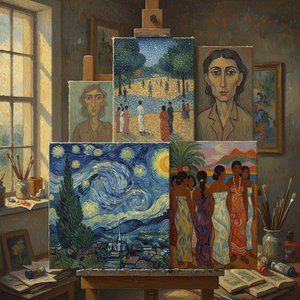
Poza Impresjonizmem: Eksploracja Głębii Emocjonalnej Malarstwa Postimpresjonistycznego
Odkryj fascynujący świat postimpresjonizmu! Analiza dzieł Van Gogha, Cézanne'a i Gauguina. Poznaj techniki malarskie, symbolikę oraz wpływ tego ruchu na sztukę współczesną. Ekspercka wiedza i inspiracje dla miłośników sztuki.

Poza Światłem i Kolorem: Impresjonizm a Postimpresjonizm dla Wymagającego Kolekcjonera
Poznaj subtelne różnice między impresjonizmem a postimpresjonizmem. Ekspercka analiza dla wymagających kolekcjonerów sztuki. Inwestycje, historia i wartość dzieł.

Maurice Prendergast: Pioneering Abstraction & the Poetics of Modern American Life
Explore the captivating world of Maurice Brazil Prendergast, a pioneer of American Modernism. Discover his unique mosaic style, influence on abstract art, and investment potential. Expert analysis & collecting guide.


