
 Podgląd w skali 1:1
 Wyślij jako kartkę
 Udostępnij
 Szczegóły dzieła
 Przewodnik

 Pobierz obraz
 Podobne obiekty
 RTG
RTG Pokaz slajdów
 Pytania i odpowiedzi
 Statystyki
The Crucifixion

- 269.0 x 307.0 cm


 Rozwiń treść
Giclée / Wydruk artystyczny
Wydruki giclée lub płótna o jakości muzealnej, szybka realizacja i szeroki wybór opcji wykończenia. ( Zamów ręcznie malowaną reprodukcję Przejdź do wersji cyfrowej)




P118B zł10

P118H zł10

P118W zł10

P438Z zł10

P508JH zł12

P508YH zł12

P805H zł10

P805Z zł10

P919BZ zł10

P919G zł10

P919XJ zł10

P959ZH zł10

P968JZ zł12

W106C zł8

W218G zł10

W218JH zł8

W218Y zł10

W307PJ zł10

W316G zł10

W316PJ zł8

W316Y zł10

W398PJ zł8

W4111J zł10

W500HY zł15

W500JH zł15

W692G zł12

W849H zł8

W940BG zł15

W953PJ zł8




Wybierz spośród naszych standardowych rozmiarów, które zachowują oryginalne proporcje dzieła sztuki.

Wpisz wymaganą szerokość i wysokość, aby dopasować grafikę do ramy lub ściany. Wydruk można jedynie przyciąć, nigdy nie powiększając go poza oryginalny obraz, dlatego format o innych proporcjach spowoduje utratę części kompozycji. Przed rozpoczęciem druku prześlemy Ci cyfrowy podgląd do zatwierdzenia. Obraz wyświetlany na tej stronie nie pokazuje rzeczywistego przycięcia — jedynie podgląd oddaje ten efekt.
Dostawa na cały świat () w ciągu 2 tygodni zamiast standardowych 4/5 tygodni. (9 Listopad)

Bezpłatna ekspresowa wysyłka na cały świat

Wysokiej jakości płótno lniane

Pełne ubezpieczenie przesyłki

Gwarancja zwrotu należności celnych i podatków importowych

Gwarancja wiernego odwzorowania kolorów

100-dniowa polityka zwrotów (tylko w przypadku wad)

Gwarancja 100% zwrotu pieniędzy

Zniżka przy zakupie wielu sztuk
 Opcja ze szkłem jest dostępna wyłącznie w rozmiarach poniżej 110 cm

The Crucifixion
Giclée / Wydruk artystyczny
Wymiary reprodukcji
-


Cena całkowita
zł 317
A Vision of Suffering: The Isenheim Altarpiece’s Central Panel
Matthias Grünewald's “The Crucifixion,” a cornerstone of the Isenheim Altarpiece, isn’t merely a depiction of a religious scene; it’s an immersive experience of profound sorrow and spiritual intensity. Completed around 1512-1516 for the Unterlinden Museum in Colmar, France, this panel transcends traditional iconography to deliver a visceral portrayal of Christ's agony – a testament to Grünewald’s mastery of late medieval German art. The painting immediately commands attention with its stark contrasts: the deep, bruised blues and purples of the background against the pallid flesh tones of the central figure, creating an atmosphere thick with despair. It’s a scene deliberately designed to evoke empathy, not through idealized beauty, but through unflinching realism.
Grünewald eschewed the polished elegance favored by Renaissance Italy, instead embracing the expressive power and emotional depth characteristic of Northern European art. He prioritized conveying feeling over precise anatomical detail, resulting in a Christ whose body is contorted with pain, his muscles strained, and his face etched with an almost unbearable suffering. The artist’s use of impasto – thick layers of paint applied directly to the panel – adds texture and dynamism to the scene, emphasizing the physicality of Christ's torment. The rough, unfinished quality of the brushstrokes contributes to a sense of immediacy, as if we are witnessing this event unfold before our very eyes.
Symbolism Woven into Suffering
Beyond its immediate emotional impact, “The Crucifixion” is rich in symbolic meaning. The figure of Christ isn’t presented as a noble martyr but as a profoundly human being experiencing the full weight of his sacrifice. To his left, John the Evangelist, depicted with an expression of anguish and grief, supports the Virgin Mary, who herself embodies sorrow. The presence of Saint Sebastian, traditionally associated with healing through suffering, and Saint Anthony, contemplating God’s will, further underscores the theme of redemption through pain. The lamb at the foot of the cross, a potent symbol of Christ as “the Lamb of God,” reinforces this central theological message.
The inclusion of figures like Mary Magdalene, kneeling in despair, highlights the universal human experience of loss and suffering connected to Christ’s death. Even the background landscape—a desolate, almost apocalyptic scene—contributes to the overall sense of foreboding and spiritual crisis. Grünewald masterfully integrates these symbolic elements into a single, unified composition, creating an artwork that speaks volumes about faith, sacrifice, and the enduring power of human emotion.
Technique and Context: A Masterpiece Forged in Darkness
The Isenheim Altarpiece was created during a period of significant religious upheaval in Europe. The Black Death had ravaged the continent, leaving behind widespread death, disease, and social disruption. This context profoundly shaped Grünewald’s artistic vision. The altarpiece was intended for a hospital dedicated to St. Anthony, where patients suffered from various ailments, including ergotism (St. Anthony's Fire), a debilitating illness characterized by hallucinations and convulsions. The painting’s raw emotional intensity and unflinching depiction of suffering were precisely what the patients needed – a visual reminder of their own mortality and the promise of salvation.
Grünewald employed oil paint on wood, a technique that allowed for rich colors and detailed textures. The use of grisaille (monochrome painting) in the outer panels—featuring saints depicted in shades of gray—contrasts sharply with the vibrant colors of the central panel, further emphasizing its dramatic impact. The altarpiece’s complex folding mechanism – allowing it to be displayed in three different configurations – was a groundbreaking innovation for its time, adding another layer of visual and spiritual complexity.
A Legacy of Emotional Resonance
“The Crucifixion” remains one of the most powerful and moving religious paintings ever created. Its enduring appeal lies not only in Grünewald’s technical skill but also in his ability to capture the essence of human suffering with such profound honesty and empathy. Reproductions of this masterpiece continue to inspire awe and contemplation, offering viewers a glimpse into the heart of medieval faith and artistic expression. It stands as a poignant reminder of Christ's sacrifice and the enduring power of art to connect us to our deepest emotions and spiritual longings.
Pytania i odpowiedzi
Jaki rozmiar wydruku „The Crucifixion” – Matthias Grünewald będzie odpowiedni do zalecanego pomieszczenia?
Dla Living Room zalecany rozmiar wydruku dzieła „The Crucifixion” – Matthias Grünewald to Large.
Jaka jest technika i wymiary oryginału „The Crucifixion” – Matthias Grünewald?
Technika wykonania dzieła „The Crucifixion” – Matthias Grünewald to Oil On Canvas, a jego wymiary to 269 x 307 cm.
Jaki nastrój oddaje styl Late Medieval Northern Renaissance w dziele „The Crucifixion”?
W nurcie Late Medieval Northern Renaissance dzieło „The Crucifixion” zostało ujęte w Melancholic tonie.
Biografia artysty
Matthias Grünewald: Życie i dziedzictwo
Wczesne lata i artystyczne początki
Matthias Grünewald, urodzony jako Mathis Gothart Neithardt około lat 1470–1475 w Würzburgu w Niemczech, był postacią kluczową dla niemieckiego renesansu. Choć żył w epoce coraz silniej podlegającej wpływom włoskich ideałów odrodzenia, Grünewald pozostał głęboko zakorzeniony w artystycznych tradycjach późnośredniowiecznej Europy Środkowej. Szczegóły dotyczące jego wczesnego życia są nieliczne, jednak wiadomo, że kształcił się jako artysta, prawdopodobnie w lokalnych warsztatach.
Rozwój artystyczny i inspiracje
Artystyczna droga Grünewalda została ukształtowana przez dominujące w północnej Europie tradycje realizmu, emocjonalnej intensywności oraz drobiazgowej obserwacji świata. W jego dziełach dostrzec można wpływy takich mistrzów jak Albrecht Dürer czy Martin Schongauer, jednak artysta wytyczył własną, unikalną ścieżkę, którą charakteryzuje dramatyczna ekspresja i żywa kolorystyka. Nie brał on bezpośredniego udziału w kręgach humanistycznych tak powszechnych we Włoszech; zamiast tego jego sztuka służyła przede wszystkim celom religijnym, stając się lustrem duchowych niepokojów jego czasów.
Najważniejsze dzieła i styl artystyczny
- Ołtarz z Isenheim (1512–1516): To arcydzieło, znajdujące się w Musée d'Unterlinden w Colmar, uznawane jest za magnum opus Grünewalda. Przedstawia ono sceny z życia Chrystusa z przejmującym realizmem, skupiając się przede wszystkim na motywach cierpienia i odkupienia.
- Ukrzyżowanie (ok. 1502–1503): Wczesne dzieło demonstrujące rozwijający się styl artysty, ukazujące intensywne emocje oraz niezwykłą dbałość o szczegół anatomiczny.
- Madonna Zwiastowania (1512–14): Studium przygotowawcze do Ołtarza z Isenheim, które ujawnia niezwykle skrupulatny proces planowania kompozycji.
- Mojżesz (1511): Rysunek podkreślający umiejętność Grünewalda w oddawaniu ekspresyjnych postaci i dramatycznych póz.
Styl Grünewalda wyróżnia się przede wszystkim:
- Dramatyczną kompozycją: stosowaniem dynamicznych układów, które potęgują siłę emocjonalnego przekazu.
- Żywą paletą barw: wykorzystaniem intensywnych, często kontrastujących kolorów, co tworzy niezwykle mocne doświadczenie wizualne.
- Realistycznym przedstawieniem cierpienia: artysta nie unikał ukazywania fizycznego i psychicznego bólu wpisanego w narracje religijne.
- Ekspresyjnymi postaciami: jego figury są przesycone silnymi emocjami i głębią psychologiczną.
Znaczenie historyczne i dziedzictwo
Twórczość Grünewalda stanowi świadectwo trwałej siły średniowiecznych tradycji artystycznych w Niemczech podczas epoki renesansu. Artysta ten stał się pomostem między stylem późnogotyckim a rodzącym się renesansem, tworząc unikalny język wizualny, który silnie oddziaływał na współczesnych mu ludzi. Jego wpływ można dostrzec w późniejszych dziełach niemieckich artystów, którzy kontynuowali eksplorację tematów religijnego żaru i emocjonalnej intensywności. Choć po śmierci w 1528 roku został w dużej mierze zapomniany na całe stulecia, Grünewald przeżył renesans w XIX wieku. Dziś jest uznawany za jednego z najważniejszych malarzy niemieckiego renesansu, a jego sztuka nieustannie zachwyca widzów surową emocją, technicznym kunsztem i głębokim wymiarem duchowym.
Dalsza eksploracja
Odkryj więcej o życiu i twórczości Matthias Grünewalda na stronie: OriginalUniqueArt

Matthias Grünewald
1480 - 1528 , Niemcy
Krótka nota
- Artistic Movement Or Style: German Renaissance
- Artists Or Movements Influenced By This Artist: ['Caravaggio']
- Artists Who Influenced This Artist:
- Albrecht Dürer
- Martin Schongauer
- Date Of Birth: ok. 1480
- Date Of Death: 31 sierpnia 1528
- Full Name: Matthias Grünewald
- Nationality: Niemiec
- Notable Artworks:
- Ołtarz z Isenheim
- Ukrzyżowanie
- Święty Erazm i Święty Maurycy
- Place Of Birth: Würzburg, Niemcy
Powiązane artykuły
Arcydzieła Północnego Renesansu: 10 Obrazów, które Zmieniły Sztukę | OriginalUniqueArt.com
Poznaj 10 arcydzieł Północnego Renesansu! Odkryj historie van Eycka, Dürera i Holbeina. Reprodukcje obrazów najwyższej jakości dla Twojego wnętrza. Inspiracje i zakup dzieł sztuki na OriginalUniqueArt.com.
Illuminating Belief: A Visual Exploration of Faith Across Artistic Movements & Historical Contexts
Explore the rich history of faith through art! Discover Renaissance masterpieces, iconic artists & religious symbolism with expert analysis from OriginalUniqueArt. Perfect for collectors and enthusiasts.

Północny Renesans: Rozkwit Realizmu, Reformacji Religijnej i Artystycznych Innowacji
Poznaj fascynujący świat Północnego Renesansu! Odkryj realizm flamandzkich mistrzów, wpływ reformacji na sztukę i arcydzieła van Eycka, Weydena i Boscha. Ekspercka analiza historii i innowacji artystycznych.
Northern Mannerism: The Dramatic Evolution of Renaissance Art and the Mastery of Elegant Distortion
Explore the dramatic evolution of Northern Mannerism. Discover how masters like Bosch and Grünewald transitioned from Renaissance harmony to profound, elegant distortion through an expert analysis of symbolism, emotional intensity, and artistic innovation.
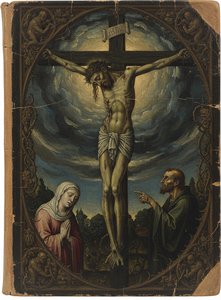
Matthias Grünewald: Devotion, Distortion & Spiritual Turmoil in Renaissance Art
Explore the profound religious art of Matthias Grünewald, master of the Isenheim Altarpiece. Discover his unique expressionism, symbolism & lasting impact on Renaissance painting. A guide for collectors and enthusiasts.


