

 Zobacz w skali 1:1
 Wyślij
 Udostępnij
 Szczegóły
 Przewodnik

 Pobierz plik obrazu
 Podobne obiekty
 RTG
RTG Pokaz slajdów
 Statystyki
St Catherine
 Chalk
Chalk- Northern Renaissance
 1520
1520 316.0 x 215.0 cm
 Staatliche Museen zu Berlin
 Czytaj więcej
Giclée / Wydruk artystyczny
Wydruki giclée lub płótna o jakości muzealnej, szybka realizacja i szeroki wybór opcji wykończenia. ( Kup ręcznie malowany obraz Przełącz na wersję cyfrową)




P118B zł10

P118H zł10

P118W zł10

P438Z zł10

P508JH zł12

P508YH zł12

P805H zł10

P805Z zł10

P919BZ zł10

P919G zł10

P919XJ zł10

P959ZH zł10

P968JZ zł12

W106C zł8

W218G zł10

W218JH zł8

W218Y zł10

W307PJ zł10

W316G zł10

W316PJ zł8

W316Y zł10

W398PJ zł8

W4111J zł10

W500HY zł15

W500JH zł15

W692G zł12

W849H zł8

W940BG zł15

W953PJ zł8




Wybierz spośród naszych standardowych rozmiarów, które zachowują oryginalne proporcje dzieła sztuki.

Wpisz wymaganą szerokość i wysokość, aby dopasować grafikę do ramy lub ściany. Wydruk można jedynie przyciąć, nigdy nie powiększając go poza oryginalny obraz, dlatego format o innym proporcji spowoduje utratę części kompozycji. Przed rozpoczęciem druku prześlemy Ci cyfrowy podgląd do zatwierdzenia. Obraz wyświetlany na tej stronie nie pokazuje rzeczywistego przycięcia — jedynie podgląd oddaje ten efekt.
Dostawa na cały świat () w ciągu 2 tygodni zamiast standardowych 4/5 tygodni. (23 Październik)

Bezpłatna ekspresowa wysyłka na cały świat

Wysokiej jakości płótno lniane

Pełne ubezpieczenie transportowe

Gwarancja zwrotu należności celnych i podatków importowych

Gwarancja idealnego odwzorowania barw

100-dniowy okres na zwrot dzieła w przypadku wykrycia wad produkcyjnych

Gwarancja 100% zwrotu pieniędzy

Oferta przy zakupie wielu sztuk
 Opcja ze szkłem jest dostępna wyłącznie w rozmiarach poniżej 110 cm

St Catherine
Giclée / Wydruk artystyczny
Rozmiar reprodukcji
-


Suma do zapłaty
zł 308
The Enigmatic Saint: Matthias Grünewald’s St Catherine
Matthias Grünewald's 1520 chalk drawing, “St Catherine,” is more than just a portrait; it’s a profound meditation on faith, scholarship, and the enduring power of medieval symbolism. This remarkable work, currently residing in the Staatliche Museen zu Berlin, offers a captivating glimpse into the artist’s unique vision – a synthesis of late Gothic sensibilities with nascent Renaissance influences. Grünewald, a pivotal figure in German art, deliberately eschewed the prevailing Italian humanist trends, instead drawing deeply from the rich traditions of Central European religious painting, resulting in an intensely personal and emotionally resonant style.
The image depicts St Catherine from the waist up, her head tilted slightly downwards as if lost in contemplation. Her posture exudes a quiet dignity, while the subtle turn of her neck invites us into her inner world. She’s dressed in a gown with voluminous sleeves – a detail that speaks to both the formality of her status and the luxurious fabrics favored by wealthy patrons during the period. Crucially, she holds two objects: an open book or manuscript, symbolizing her role as a learned scholar, and a sword raised upright, representing her martyrdom and unwavering faith. These symbols aren’t merely decorative; they are potent visual statements about Catherine's life and devotion.
A Study in Northern Renaissance Technique
Grünewald’s masterful technique is immediately apparent. The drawing is executed with exquisite detail using chalk on paper, a medium that allowed for the delicate shading and fine lines characteristic of his work. Notice the subtle gradations of tone – the way light catches on her dress, the modeling of her face, and the atmospheric haze in the background. This meticulous attention to texture and form creates a remarkable sense of depth and realism, despite the relatively small scale of the piece. The artist’s use of chalk also lends a slightly ethereal quality to the image, contributing to its contemplative mood.
Furthermore, Grünewald's style deviates significantly from the prevailing Renaissance aesthetic. Unlike the idealized figures favored by artists like Albrecht Dürer, Catherine is rendered with a certain distortion – her proportions aren’t perfectly symmetrical, and her features possess an expressive intensity. This deliberate departure from classical ideals reflects Grünewald’s commitment to conveying emotional truth rather than purely visual accuracy. The background, deliberately minimalistic, consists of only a few suggestive lines—perhaps hinting at a cloudy sky or an abstract representation of the heavens – further emphasizing the saint's presence and drawing our focus entirely onto her.
Historical Context and Symbolic Resonance
Created in 1520, “St Catherine” exists within a fascinating transitional period in art history. Grünewald was working at a time when the influence of Italian Renaissance humanism was beginning to spread across Europe, yet he remained firmly rooted in the traditions of late medieval Central European painting. The saint herself holds significant religious importance – she is venerated as a martyr and patron saint of scholars, librarians, and translators. Her story, recounted in early Christian hagiographies, details her conversion after being saved from execution by St Peter, who recognized her divine calling.
Interestingly, the figure of Catherine has been associated with intellectual pursuits for centuries. Her association with learning stems from her devotion to scripture and her role as a translator of the Bible. The book she holds in the drawing symbolizes this scholarly dedication, while the sword represents her willingness to defend her faith against persecution. The combination of these symbols creates a powerful image of a woman who embodies both spiritual strength and intellectual prowess.
A Legacy of Emotion and Innovation
“St Catherine” is a testament to Matthias Grünewald’s artistic genius – a work that seamlessly blends technical skill with profound emotional depth. It's a poignant reminder of the artist’s ability to capture not just the likeness of his subject, but also her inner world. The drawing’s enduring appeal lies in its ability to evoke a sense of quiet contemplation and spiritual yearning. As a significant example of Northern Renaissance art, it continues to inspire artists and scholars alike, offering a valuable window into the artistic and intellectual landscape of 16th-century Germany.
Pytania i odpowiedzi
Czy istnieje przewodnik dla „St Catherine” autorstwa Matthias Grünewald?
Strona Przewodnik dzieła „St Catherine” autorstwa Matthias Grünewald oferuje dwustronicową kartę informacyjną w formacie do druku: samo dzieło wraz z tabelą identyfikacyjną, oś czasu umieszczającą je w latach życia artysty, inne prace tego twórcy, zmierzoną paletę kolorystyczną oraz gotowe do skopiowania cytaty w czterech stylach.
W jaki sposób mogę obejrzeć „St Catherine” autorstwa Matthias Grünewald w formie pokazu slajdów?
Prezentację slajdów dzieła "St Catherine" można obejrzeć na stronie Pokaz slajdów tego utworu.
Jaki jest dominujący kolor w „St Catherine” autorstwa Matthias Grünewald?
Dominującym kolorem dzieła „St Catherine” autorstwa Matthias Grünewald jest Putty (#e9decc).
Biografia artysty
Matthias Grünewald: Życie i dziedzictwo
Wczesne lata i artystyczne początki
Matthias Grünewald, urodzony jako Mathis Gothart Neithardt około lat 1470–1475 w Würzburgu w Niemczech, był postacią kluczową dla niemieckiego renesansu. Choć żył w epoce coraz silniej podlegającej wpływom włoskich ideałów odrodzenia, Grünewald pozostał głęboko zakorzeniony w artystycznych tradycjach późnośredniowiecznej Europy Środkowej. Szczegóły dotyczące jego wczesnego życia są nieliczne, jednak wiadomo, że kształcił się jako artysta, prawdopodobnie w lokalnych warsztatach.
Rozwój artystyczny i inspiracje
Artystyczna droga Grünewalda została ukształtowana przez dominujące w północnej Europie tradycje realizmu, emocjonalnej intensywności oraz drobiazgowej obserwacji świata. W jego dziełach dostrzec można wpływy takich mistrzów jak Albrecht Dürer czy Martin Schongauer, jednak artysta wytyczył własną, unikalną ścieżkę, którą charakteryzuje dramatyczna ekspresja i żywa kolorystyka. Nie brał on bezpośredniego udziału w kręgach humanistycznych tak powszechnych we Włoszech; zamiast tego jego sztuka służyła przede wszystkim celom religijnym, stając się lustrem duchowych niepokojów jego czasów.
Najważniejsze dzieła i styl artystyczny
- Ołtarz z Isenheim (1512–1516): To arcydzieło, znajdujące się w Musée d'Unterlinden w Colmar, uznawane jest za magnum opus Grünewalda. Przedstawia ono sceny z życia Chrystusa z przejmującym realizmem, skupiając się przede wszystkim na motywach cierpienia i odkupienia.
- Ukrzyżowanie (ok. 1502–1503): Wczesne dzieło demonstrujące rozwijający się styl artysty, ukazujące intensywne emocje oraz niezwykłą dbałość o szczegół anatomiczny.
- Madonna Zwiastowania (1512–14): Studium przygotowawcze do Ołtarza z Isenheim, które ujawnia niezwykle skrupulatny proces planowania kompozycji.
- Mojżesz (1511): Rysunek podkreślający umiejętność Grünewalda w oddawaniu ekspresyjnych postaci i dramatycznych póz.
Styl Grünewalda wyróżnia się przede wszystkim:
- Dramatyczną kompozycją: stosowaniem dynamicznych układów, które potęgują siłę emocjonalnego przekazu.
- Żywą paletą barw: wykorzystaniem intensywnych, często kontrastujących kolorów, co tworzy niezwykle mocne doświadczenie wizualne.
- Realistycznym przedstawieniem cierpienia: artysta nie unikał ukazywania fizycznego i psychicznego bólu wpisanego w narracje religijne.
- Ekspresyjnymi postaciami: jego figury są przesycone silnymi emocjami i głębią psychologiczną.
Znaczenie historyczne i dziedzictwo
Twórczość Grünewalda stanowi świadectwo trwałej siły średniowiecznych tradycji artystycznych w Niemczech podczas epoki renesansu. Artysta ten stał się pomostem między stylem późnogotyckim a rodzącym się renesansem, tworząc unikalny język wizualny, który silnie oddziaływał na współczesnych mu ludzi. Jego wpływ można dostrzec w późniejszych dziełach niemieckich artystów, którzy kontynuowali eksplorację tematów religijnego żaru i emocjonalnej intensywności. Choć po śmierci w 1528 roku został w dużej mierze zapomniany na całe stulecia, Grünewald przeżył renesans w XIX wieku. Dziś jest uznawany za jednego z najważniejszych malarzy niemieckiego renesansu, a jego sztuka nieustannie zachwyca widzów surową emocją, technicznym kunsztem i głębokim wymiarem duchowym.
Dalsza eksploracja
Odkryj więcej o życiu i twórczości Matthias Grünewalda na stronie: OriginalUniqueArt

Matthias Grünewald
1480 - 1528 , Niemcy
Najważniejsze informacje
- Artistic Movement Or Style: German Renaissance
- Artists Or Movements Influenced By This Artist: ['Caravaggio']
- Artists Who Influenced This Artist:
- Albrecht Dürer
- Martin Schongauer
- Date Of Birth: ok. 1480
- Date Of Death: 31 sierpnia 1528
- Full Name: Matthias Grünewald
- Nationality: Niemiec
- Notable Artworks:
- Ołtarz z Isenheim
- Ukrzyżowanie
- Święty Erazm i Święty Maurycy
- Place Of Birth: Würzburg, Niemcy
Zobacz także powiązane artykuły
Late Medieval Masterpieces: 10 Artworks That Defined an Era | OriginalUniqueArt
Journey through 10 defining Late Medieval masterpieces – from Giotto's frescoes to Jan van Eyck’s realism. Explore the stories, techniques & vibrant colors of Gothic art. Find museum-quality reproductions and elevate your home decor with OriginalUniqueArt.com! Discover all masterpieces on OriginalUniqueArt.com
High Medieval Art: 10 Masterpieces That Shaped an Era | OriginalUniqueArt
Journey through High Medieval Art! Explore 10 iconic masterpieces – from Giotto's frescoes to stunning Gothic cathedrals. Discover the stories behind these timeless paintings, sculptures & illuminated manuscripts. Find museum-quality art reproductions at OriginalUniqueArt.com.
The Nuances of Graphite: Exploring Emotional Depth & Technical Mastery in Pencil Drawing
Explore the captivating world of graphite drawing! Discover its rich history, master essential techniques like chiaroscuro, and learn how artists evoke emotion through this timeless medium. Expert insights for art enthusiasts.
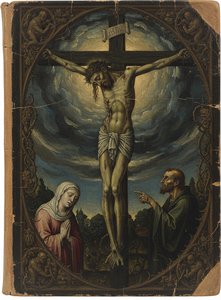
Matthias Grünewald: Devotion, Distortion & Spiritual Turmoil in Renaissance Art
Explore the profound religious art of Matthias Grünewald, master of the Isenheim Altarpiece. Discover his unique expressionism, symbolism & lasting impact on Renaissance painting. A guide for collectors and enthusiasts.

El Greco: 25 Arcydzieł Genialnego Malarza – Kolekcja dla Koneserów Sztuki i Wystroju Domu
Odkryj 25 arcydzieł El Greco – mistrza renesansu i manieryzmu. Poznaj historie, techniki i duchowość w jego obrazach. Reprodukcje najwyższej jakości na OriginalUniqueArt.com. Inspiracje do wnętrz i kolekcja sztuki online!


