

 Zobacz w skali 1:1
 Wyślij
 Udostępnij
 Szczegóły
 Przewodnik

 Pobierz plik obrazu
 Podobne obiekty
 RTG
RTG Pokaz slajdów
 Statystyki
St Antony the Hermit
 Oil On Panel
- WallArt
- German Renaissance
 1515
1515- Renaissance
 232.0 x 75.0 cm
 Muzeum Unterlinden
 Czytaj więcej
Ręcznie malowana reprodukcja olejowa
Ręcznie malowany obraz olejny na płótnie, wykonany na zamówienie przez naszych artystów w wybranym przez Ciebie wymiarze i oprawie. ( Przełącz na wersję drukowaną Przełącz na wersję cyfrową)




P118B zł10

P118H zł10

P118W zł10

P438Z zł10

P508JH zł12

P508YH zł12

P805H zł10

P805Z zł10

P919BZ zł10

P919G zł10

P919XJ zł10

P959ZH zł10

P968JZ zł12

W106C zł8

W218G zł10

W218JH zł8

W218Y zł10

W307PJ zł10

W316G zł10

W316PJ zł8

W316Y zł10

W398PJ zł8

W4111J zł10

W500HY zł15

W500JH zł15

W692G zł12

W849H zł8

W940BG zł15

W953PJ zł8




Wybierz spośród naszych standardowych rozmiarów, które zachowują oryginalne proporcje dzieła sztuki.

Wpisz wymaganą szerokość i wysokość, aby obraz pasował do Twojej ramy lub ściany. Ponieważ jest to dzieło malowane ręcznie, w przypadku rozmiaru o innym proporcji artysta może domalować nieco więcej wokół obrazu lub przyciąć fragmenty — wybór należy do Ciebie. Przed rozpoczęciem pracy prześlemy Ci cyfrową wizualizację do zatwierdzenia. Obraz widoczny na tej stronie nie przedstawia rzeczywistego efektu — jedynie wizualizacja oddaje realny rezultat.
Po złożeniu zamówienia zespół OriginalUniqueArt.com skontaktuje się z klientem drogą mailową w celu uzyskania instrukcji i prześle wizualizację projektu
Dostawa na całym świecie () w ciągu 3–4 tygodni zamiast standardowych 5 tygodni. (25 Październik). Bez kompromisów w kwestii jakości.

Bezpłatna ekspresowa wysyłka na cały świat

Wysokiej jakości płótno lniane

Pełne ubezpieczenie transportowe

Gwarancja zwrotu należności celnych i podatków importowych

Gwarancja idealnego odwzorowania barw

100-dniowy okres na zwrot dzieła w przypadku wykrycia wad produkcyjnych

Gwarancja 100% zwrotu pieniędzy

Oferta przy zakupie wielu sztuk
 Opcja ze szkłem jest dostępna wyłącznie w rozmiarach poniżej 110 cm

St Antony the Hermit
Technika wykonania
Rozmiar reprodukcji
-


Suma do zapłaty
zł 1151
A Vision of Solitude: The Spiritual Depth of St Antony the Hermit
In the quiet, shadowed corners of art history, few works command the soul with such profound stillness as Matthias Grünewald’s St Antony the Hermit. Completed in 1515, this monumental oil on panel serves as a breathtaking window into the late medieval spirit, captured at the very moment it began to merge with the burgeoning Renaissance aesthetic. The painting does not merely depict a saint; it invites the viewer into a sacred, meditative space. As one gazes upon the elderly figure of St Antony, there is an immediate sense of being transported to a time when art was a direct conduit for the divine. His long, flowing beard and alabaster skin are rendered with a meticulousness that transcends mere representation, offering instead a portrait of spiritual asceticism that feels both ancient and eternally present.
The composition is a masterclass in atmospheric storytelling. Grünewald places the saint within a darkened chamber, where rough stone walls enclose him in a cocoon of isolation. This setting is far from accidental; it symbolizes the hermit’s deliberate detachment from the cacophony of the worldly life in pursuit of a higher truth. The presence of a barred window suggests the confines of a cell or monastery, yet the spiritual expanse within the painting feels limitless. For the collector or the lover of fine art, this piece offers more than just visual beauty; it provides a focal point for contemplation, making it an extraordinary addition to any space dedicated to reflection and peace.
The Alchemy of Color and Light
Technically, Grünewald’s work is a triumph of texture and chiaroscuro. The artist employs a rich, somber palette—deep blacks, muted browns, and earthy tones—which allows the sudden, vibrant strike of crimson to resonate with startling intensity. St Antony’s red robe, draped over a dark tunic, acts as a visual heartbeat within the gloom, drawing the eye toward the saint's contemplative gesture. His right hand, resting gently upon his chest, is a silent testament to prayerful devotion and an unwavering faith that refuses to be extinguished by the surrounding shadows.
The interplay of light and shadow in this work creates a sculptural depth that is rare even among the masters of the Northern Renaissance. Every fold of the fabric and every line etched into the saint's weathered face tells a story of endurance. For interior designers seeking to infuse a room with character and gravitas, a high-quality reproduction of this masterpiece brings a sense of historical weight and dramatic elegance. The painting’s ability to balance heavy, textured realism with an ethereal, spiritual glow makes it a versatile yet commanding presence in sophisticated decor.
A Legacy of Devotion for the Modern Collector
To understand St Antony the Hermit is to understand the unique genius of Matthias Grünewald. Unlike his contemporary Albrecht Dürer, who embraced the classical humanism of Italy, Grünewald remained a poet of the Northern tradition, prioritizing emotional resonance and raw, spiritual truth over formal perfection. This dedication to the "inner life" ensures that his work remains perpetually relevant. In an era of constant digital distraction, the profound silence captured in this panel offers a much-needed sanctuary.
Owning or displaying a reproduction of this work is an act of preserving a piece of German Renaissance history. It is an opportunity to surround oneself with the textures of the past and the enduring power of faith. Whether placed in a private study, a quiet library, or a curated gallery space, St Antony the Hermit serves as a constant reminder of the beauty found in solitude and the strength found in stillness. It is not just a painting; it is an invitation to breathe, to reflect, and to find meaning in the shadows.
Pytania i odpowiedzi
Do jakiego nurtu artystycznego należy „St Antony the Hermit” autorstwa Matthias Grünewald?
Nurt związany z „St Antony the Hermit” autorstwa Matthias Grünewald to German Renaissance. Ta klasyfikacja sytuuje dzieło wśród pokrewnych artystów i dzieł sztuki.
Z jakiego okresu pochodzi „St Antony the Hermit” autorstwa Matthias Grünewald?
Okres historyczny dzieła „St Antony the Hermit” autorstwa Matthias Grünewald to Renaissance. Ta klasyfikacja pozwala umiejscowić pracę w historii sztuki.
Kto stworzył "St Antony the Hermit" i kiedy?
Matthias Grünewald stworzył/a "St Antony the Hermit" w 1515 roku.
Biografia artysty
Matthias Grünewald: Życie i dziedzictwo
Wczesne lata i artystyczne początki
Matthias Grünewald, urodzony jako Mathis Gothart Neithardt około lat 1470–1475 w Würzburgu w Niemczech, był postacią kluczową dla niemieckiego renesansu. Choć żył w epoce coraz silniej podlegającej wpływom włoskich ideałów odrodzenia, Grünewald pozostał głęboko zakorzeniony w artystycznych tradycjach późnośredniowiecznej Europy Środkowej. Szczegóły dotyczące jego wczesnego życia są nieliczne, jednak wiadomo, że kształcił się jako artysta, prawdopodobnie w lokalnych warsztatach.
Rozwój artystyczny i inspiracje
Artystyczna droga Grünewalda została ukształtowana przez dominujące w północnej Europie tradycje realizmu, emocjonalnej intensywności oraz drobiazgowej obserwacji świata. W jego dziełach dostrzec można wpływy takich mistrzów jak Albrecht Dürer czy Martin Schongauer, jednak artysta wytyczył własną, unikalną ścieżkę, którą charakteryzuje dramatyczna ekspresja i żywa kolorystyka. Nie brał on bezpośredniego udziału w kręgach humanistycznych tak powszechnych we Włoszech; zamiast tego jego sztuka służyła przede wszystkim celom religijnym, stając się lustrem duchowych niepokojów jego czasów.
Najważniejsze dzieła i styl artystyczny
- Ołtarz z Isenheim (1512–1516): To arcydzieło, znajdujące się w Musée d'Unterlinden w Colmar, uznawane jest za magnum opus Grünewalda. Przedstawia ono sceny z życia Chrystusa z przejmującym realizmem, skupiając się przede wszystkim na motywach cierpienia i odkupienia.
- Ukrzyżowanie (ok. 1502–1503): Wczesne dzieło demonstrujące rozwijający się styl artysty, ukazujące intensywne emocje oraz niezwykłą dbałość o szczegół anatomiczny.
- Madonna Zwiastowania (1512–14): Studium przygotowawcze do Ołtarza z Isenheim, które ujawnia niezwykle skrupulatny proces planowania kompozycji.
- Mojżesz (1511): Rysunek podkreślający umiejętność Grünewalda w oddawaniu ekspresyjnych postaci i dramatycznych póz.
Styl Grünewalda wyróżnia się przede wszystkim:
- Dramatyczną kompozycją: stosowaniem dynamicznych układów, które potęgują siłę emocjonalnego przekazu.
- Żywą paletą barw: wykorzystaniem intensywnych, często kontrastujących kolorów, co tworzy niezwykle mocne doświadczenie wizualne.
- Realistycznym przedstawieniem cierpienia: artysta nie unikał ukazywania fizycznego i psychicznego bólu wpisanego w narracje religijne.
- Ekspresyjnymi postaciami: jego figury są przesycone silnymi emocjami i głębią psychologiczną.
Znaczenie historyczne i dziedzictwo
Twórczość Grünewalda stanowi świadectwo trwałej siły średniowiecznych tradycji artystycznych w Niemczech podczas epoki renesansu. Artysta ten stał się pomostem między stylem późnogotyckim a rodzącym się renesansem, tworząc unikalny język wizualny, który silnie oddziaływał na współczesnych mu ludzi. Jego wpływ można dostrzec w późniejszych dziełach niemieckich artystów, którzy kontynuowali eksplorację tematów religijnego żaru i emocjonalnej intensywności. Choć po śmierci w 1528 roku został w dużej mierze zapomniany na całe stulecia, Grünewald przeżył renesans w XIX wieku. Dziś jest uznawany za jednego z najważniejszych malarzy niemieckiego renesansu, a jego sztuka nieustannie zachwyca widzów surową emocją, technicznym kunsztem i głębokim wymiarem duchowym.
Dalsza eksploracja
Odkryj więcej o życiu i twórczości Matthias Grünewalda na stronie: OriginalUniqueArt

Matthias Grünewald
1480 - 1528 , Niemcy
Najważniejsze informacje
- Artistic Movement Or Style: German Renaissance
- Artists Or Movements Influenced By This Artist: ['Caravaggio']
- Artists Who Influenced This Artist:
- Albrecht Dürer
- Martin Schongauer
- Date Of Birth: ok. 1480
- Date Of Death: 31 sierpnia 1528
- Full Name: Matthias Grünewald
- Nationality: Niemiec
- Notable Artworks:
- Ołtarz z Isenheim
- Ukrzyżowanie
- Święty Erazm i Święty Maurycy
- Place Of Birth: Würzburg, Niemcy
Zobacz także powiązane artykuły
High Medieval Art: 10 Masterpieces That Shaped an Era | OriginalUniqueArt
Journey through High Medieval Art! Explore 10 iconic masterpieces – from Giotto's frescoes to stunning Gothic cathedrals. Discover the stories behind these timeless paintings, sculptures & illuminated manuscripts. Find museum-quality art reproductions at OriginalUniqueArt.com.
Late Medieval Masterpieces: 10 Artworks That Defined an Era | OriginalUniqueArt
Journey through 10 defining Late Medieval masterpieces – from Giotto's frescoes to Jan van Eyck’s realism. Explore the stories, techniques & vibrant colors of Gothic art. Find museum-quality reproductions and elevate your home decor with OriginalUniqueArt.com! Discover all masterpieces on OriginalUniqueArt.com
Illuminating Belief: A Visual Exploration of Faith Across Artistic Movements & Historical Contexts
Explore the rich history of faith through art! Discover Renaissance masterpieces, iconic artists & religious symbolism with expert analysis from OriginalUniqueArt. Perfect for collectors and enthusiasts.
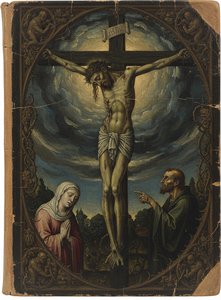
Matthias Grünewald: Devotion, Distortion & Spiritual Turmoil in Renaissance Art
Explore the profound religious art of Matthias Grünewald, master of the Isenheim Altarpiece. Discover his unique expressionism, symbolism & lasting impact on Renaissance painting. A guide for collectors and enthusiasts.

Divine Splendor: A Guide to the Sacred Beauty and Symbolic Depth of High Medieval Art
Embark on a scholarly journey through the sacred beauty of High Medieval art. Discover the profound symbolism, luminous iconography, and spiritual depth of Gothic masterpieces in this expert guide for classical art enthusiasts.


