 Wyślij jako kartkę
 Udostępnij
 Szczegóły dzieła
 Przewodnik

 Pobierz obraz
 Podobne obiekty
 Pokaz slajdów
 Pytania i odpowiedzi
 Statystyki
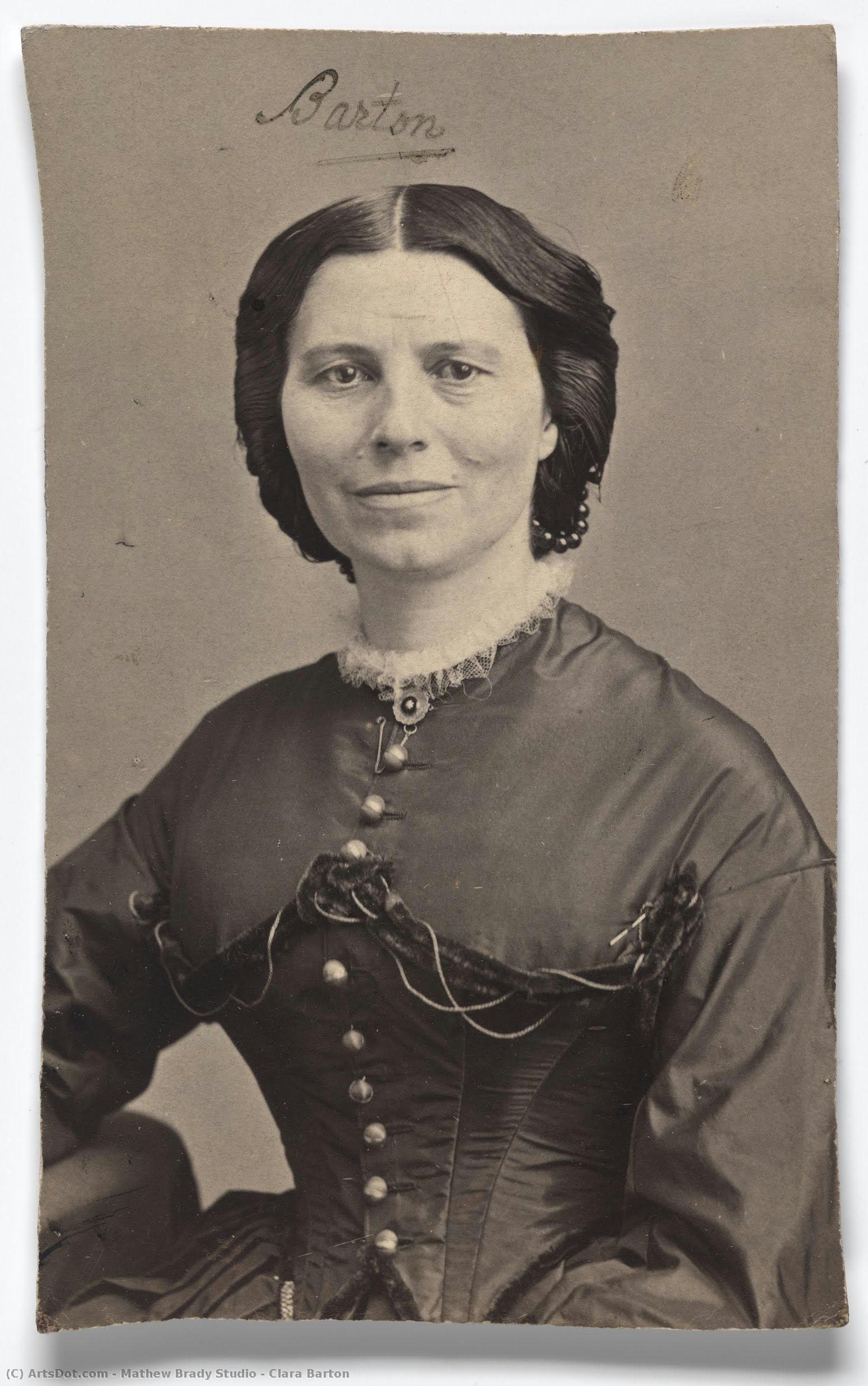
Clara Barton

- 6.0 x 10.0 cm


 Rozwiń treść
Dzieło sztuki prezentowane na tej stronie podlega ochronie prawem autorskim, co oznacza, że nie mamy prawa do tworzenia ani sprzedaży jego identycznej reprodukcji. Ochrona ta jest egzekwowana na mocy umów międzynarodowych, takich jak Konwencja berneńska oraz przez przepisy prawa krajowego, w tym te określone w Prawo autorskie USA – Tytuł 17.
Metoda ta jest w pełni zgodna z przepisami prawa autorskiego, ponieważ nie polega na kopiowaniu ani powielaniu chronionego dzieła. Stanowi ona kreatywną reinterpretację – nowy obraz, który czerpie inspirację z oryginału, ale nie jest z nim tożsamy.
Giclée / Wydruk artystyczny
Wydruki giclée lub płótna o jakości muzealnej, szybka realizacja i szeroki wybór opcji wykończenia. ( Zamów ręcznie malowaną reprodukcję Przejdź do wersji cyfrowej)




































Wybierz spośród naszych standardowych rozmiarów, które zachowują oryginalne proporcje dzieła sztuki.

Wpisz wymaganą szerokość i wysokość, aby dopasować grafikę do ramy lub ściany. Wydruk można jedynie przyciąć, nigdy nie powiększając go poza oryginalny obraz, dlatego format o innych proporcjach spowoduje utratę części kompozycji. Przed rozpoczęciem druku prześlemy Ci cyfrowy podgląd do zatwierdzenia. Obraz wyświetlany na tej stronie nie pokazuje rzeczywistego przycięcia — jedynie podgląd oddaje ten efekt.
Dostawa na cały świat () w ciągu 2 tygodni zamiast standardowych 4/5 tygodni. (14 Listopad)

Bezpłatna ekspresowa wysyłka na cały świat

Wysokiej jakości płótno lniane

Pełne ubezpieczenie przesyłki

Gwarancja zwrotu należności celnych i podatków importowych

Gwarancja wiernego odwzorowania kolorów

100-dniowa polityka zwrotów (tylko w przypadku wad)

Gwarancja 100% zwrotu pieniędzy

Zniżka przy zakupie wielu sztuk
 Opcja ze szkłem jest dostępna wyłącznie w rozmiarach poniżej 110 cm

Clara Barton
Giclée / Wydruk artystyczny
Wymiary reprodukcji
-


Cena całkowita
zł 316
A Glimpse Through the Lens
The silvered surface holds a face from 1865. Clara Barton sits in a moment of quiet stillness, her features softened by a gentle smile. She wears the structured fashion of the era, a corset and a flowing long dress that define the Victorian silhouette. Her hair is pinned up, with delicate curls framing her face like small, dark shadows. In this monochromatic frame, the light catches the texture of her attire and the warmth in her expression.
The chemistry of the early photographic process creates subtle gradations of grey and black. These tones build a sense of depth across the two-dimensional plane. The play of light and shadow reveals the fine details of her pinned hairstyle and the heavy fabric of her clothing. It is a study in light, capturing a woman whose life would later move through the darkest corners of human suffering.
The Weight of History
This portrait emerged from the Mathew Brady Studio during a period of profound national transition. The image captures Barton before the immense hardships of the Civil War battlefields. There is an unmistakable spark of agency in her gaze, a precursor to the humanitarian who would found the American Red Cross. The photograph functions as a window into a soul defined by both grace and iron will.
The technical mastery of the studio is visible in the sophisticated command of early photographic chemistry. Through the use of light, the image immortalizes a figure of resilience. It remains a poignant symbol of compassion, anchoring the viewer to a specific moment in American history.
A single, steady gaze.
Pytania i odpowiedzi
Jaki rozmiar wydruku "Clara Barton" będzie odpowiedni do mojego pokoju?
Zalecane zestawienie dla „Clara Barton” – Mathew Brady Studio: wydruk w formacie Small do Office.
Co przedstawia „Clara Barton” – Mathew Brady Studio?
Tematyka obecna w „Clara Barton” – Mathew Brady Studio obejmuje woman, smiling, long dress, corset, pinned-up hair, curls, black and white. Razem stanowią one podsumowanie tematyki dzieła.
Jakie inne pseudonimy lub nazwy stosuje Mathew Brady Studio?
Mathew Brady Studio występuje również pod innymi nazwiskami: Brady Studio, Matthew B. Brady Studio, M.B. Brady & Co., BradyS National Photographic Portrait Gallery, Brady And Roney.
Biografia artysty
The Enduring Legacy of Mathew Brady Studio: Capturing a Nation in Transition
Mathew Brady, more than simply a photographer, was an architect of American memory. Born in Warren County, New York, in 1823, his journey to becoming the most celebrated visual chronicler of the 19th century began not with a lens, but with an ambition for artistry. Initially drawn to landscape painting and the burgeoning world of daguerreotypy, Brady quickly recognized the power of photography to transcend artistic interpretation and deliver unvarnished reality. He established his New York studio in 1844, rapidly gaining prominence through meticulously crafted portraits of prominent figures – a testament to his technical skill and keen understanding of public image. However, it was the seismic event of the Civil War that would irrevocably define Brady’s legacy and cement his place in history.Witnessing History: The Civil War Photographs
With the outbreak of hostilities in 1861, Brady embarked on a monumental undertaking: to document the entirety of the conflict. He didn't wield the camera himself at every battle; instead, he assembled and financed a team of photographers – Alexander Gardner, Timothy H. O’Sullivan, George N. Barnard among them – who ventured onto the front lines, braving danger to capture the brutal realities of war. Brady’s vision was comprehensive: not just grand landscapes of battlefields like Antietam and Gettysburg, but also intimate portraits of soldiers, camp life, and the devastating aftermath of conflict. The resulting collection, numbering in the thousands, presented a starkly different portrayal of war than anything previously seen by the American public. These weren’t romanticized depictions of heroism; they were unflinching glimpses into the carnage, suffering, and sheer scale of destruction.Technique and Innovation: Beyond Portraiture
Brady's studio wasn’t merely a place for taking pictures; it was an early adopter of photographic innovation. He moved beyond the limitations of daguerreotypes to embrace the collodion wet-plate process, which allowed for greater detail and reproducibility – crucial for creating multiple prints from each negative. This technical shift enabled wider dissemination of his images through publications like *Harper’s Weekly* and *Leslie's Illustrated Newspaper*, bringing the war directly into American homes. The logistical challenges were immense. The wet-plate method required a portable darkroom, immediate development of negatives after exposure, and careful handling of fragile materials in often harsh conditions. Brady’s team pioneered techniques for capturing movement and depth, laying the groundwork for future generations of photojournalists. His commitment to documenting the war wasn't driven by profit; he initially funded the project himself, believing it was a vital historical record.A Lasting Impact: Shaping Public Perception
The impact of Brady’s Civil War photographs extended far beyond their immediate publication. They shattered prevailing illusions about the glory of war and forced Americans to confront its horrific cost. While initially met with mixed reactions – some found the images too graphic, others dismissed them as staged – they gradually gained recognition for their authenticity and power. These photographs fundamentally altered public perception of conflict, paving the way for a more critical and informed understanding of warfare. Brady’s work also established photography as a legitimate form of historical documentation, influencing subsequent generations of war correspondents and documentary photographers.Beyond the Battlefield: Legacy and Remembrance
Though financially ruined by his investment in the Civil War project – he received little financial support from the government or public for years – Mathew Brady’s legacy remains undiminished. He continued to photograph prominent figures after the war, but it is his wartime work that continues to resonate most powerfully. The collection amassed by the studio became a cornerstone of American visual history, preserved and studied by scholars and artists alike.- Brady's photographs are now considered essential primary sources for understanding the Civil War.
- His team’s work established many of the conventions of war photography still used today.
- The studio’s commitment to documenting reality helped shape public opinion and foster a more critical awareness of conflict.

Powiązane artykuły

The Weight of Conflict: How Military Art Shifted from Glorifying Victory to Documenting Humanity
Explore how military art evolved from imperial propaganda to raw realism. Discover the profound human truth behind every brushstroke.
Echoes of Conflict: A Curated Exploration of Art Capturing the Intensity of War and Human Resilience
Explore a profound collection of historical war art. From visceral realism to poignant depictions of human resilience, discover museum-quality oil reproductions and expert insights for the discerning collector seeking to preserve history's most powerful echoes.

The Soul of an Era: Capturing Character and Identity in 19th-Century Portraiture
Explore the depth of 19th-century portraiture through texture and light. Discover the soul of the Victorian era now.

Timeless Shadows: The Artistry, History, and Emotional Resonance of Black and White Photography
Explore the profound artistry of black and white photography. From historical mastery to the interplay of light and shadow, discover how monochrome captures timeless emotion and form through a sophisticated lens of art history.
Ford Madox Brown: Pre-Raphaelite Visionary & Victorian Social Commentary
Explore the life & art of Ford Madox Brown, a pivotal Pre-Raphaelite painter renowned for his powerful social commentary and masterpiece 'Work'. Discover his lasting influence on British art history.