
 Zobacz w skali 1:1
 Wyślij
 Udostępnij
 Szczegóły
 Przewodnik

 Pobierz plik obrazu
 Podobne obiekty
 RTG
RTG Pokaz slajdów
 Statystyki
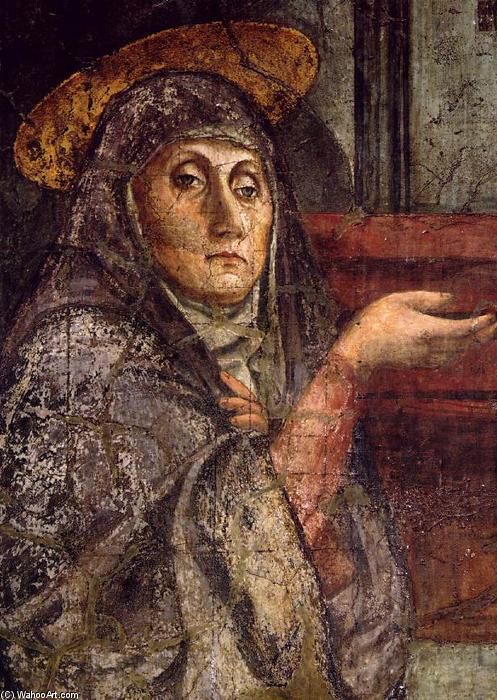
Trinity (detail)


 Czytaj więcej
Giclée / Wydruk artystyczny
Wydruki giclée lub płótna o jakości muzealnej, szybka realizacja i szeroki wybór opcji wykończenia. ( Kup ręcznie malowany obraz Przełącz na wersję cyfrową)




P118B zł10

P118H zł10

P118W zł10

P438Z zł10

P508JH zł12

P508YH zł12

P805H zł10

P805Z zł10

P919BZ zł10

P919G zł10

P919XJ zł10

P959ZH zł10

P968JZ zł12

W106C zł8

W218G zł10

W218JH zł8

W218Y zł10

W307PJ zł10

W316G zł10

W316PJ zł8

W316Y zł10

W398PJ zł8

W4111J zł10

W500HY zł15

W500JH zł15

W692G zł12

W849H zł8

W940BG zł15

W953PJ zł8




Wybierz spośród naszych standardowych rozmiarów, które zachowują oryginalne proporcje dzieła sztuki.

Wpisz wymaganą szerokość i wysokość, aby dopasować grafikę do ramy lub ściany. Wydruk można jedynie przyciąć, nigdy nie powiększając go poza oryginalny obraz, dlatego format o innym proporcji spowoduje utratę części kompozycji. Przed rozpoczęciem druku prześlemy Ci cyfrowy podgląd do zatwierdzenia. Obraz wyświetlany na tej stronie nie pokazuje rzeczywistego przycięcia — jedynie podgląd oddaje ten efekt.
Dostawa na cały świat () w ciągu 2 tygodni zamiast standardowych 4/5 tygodni. (20 Październik)

Bezpłatna ekspresowa wysyłka na cały świat

Wysokiej jakości płótno lniane

Pełne ubezpieczenie transportowe

Gwarancja zwrotu należności celnych i podatków importowych

Gwarancja idealnego odwzorowania barw

100-dniowy okres na zwrot dzieła w przypadku wykrycia wad produkcyjnych

Gwarancja 100% zwrotu pieniędzy

Oferta przy zakupie wielu sztuk
 Opcja ze szkłem jest dostępna wyłącznie w rozmiarach poniżej 110 cm

Trinity (detail)
Giclée / Wydruk artystyczny
Rozmiar reprodukcji
-


Suma do zapłaty
zł 303
Biografia artysty
Masaccio (1401-1428): The Dawn of Renaissance Realism
Tommaso di Ser Giovanni di Simone Guidi, better known as Masaccio (meaning "clumsy Tom"), was a pivotal figure in the Early Italian Renaissance. Born on December 21, 1401, in San Giovanni Valdarno, Italy, and dying tragically young in 1428, his brief career revolutionized painting with groundbreaking realism, perspective, and chiaroscuro (the use of strong contrasts between light and dark). Despite his short life, Masaccio’s impact on subsequent generations of artists was profound, establishing a new standard for naturalism and influencing the course of Western art.Early Life and Training
Masaccio's origins were humble; he descended from a family involved in cabinet making – Ser Giovanni Cassai, his father, practiced this craft. Orphaned at age five due to his father’s untimely death, Masaccio was cared for by his brother, Giovanni (Lo Scheggia), who also pursued artistic endeavors. The details surrounding Masaccio's formative years remain shrouded in obscurity—a rarity amongst Renaissance artists—underscoring the mystery surrounding his rapid ascent and innovative techniques. It is believed he began his apprenticeship around 12 years old, though definitive documentation of his master remains elusive. This lack of verifiable training contributes to speculation about how he achieved such remarkable artistic prowess. He joined the painters’ guild in Florence on January 7, 1422, marking his emergence as an independent artist and signaling a decisive step toward establishing himself within the burgeoning Florentine art scene.Artistic Development and Major Works
Masaccio's artistic journey commenced with an initial fascination for Giotto di Bondone—a predecessor who championed naturalism—but he swiftly surpassed Giotto’s achievements in mastering perspective and anatomical accuracy. He drew inspiration from Filippo Brunelleschi’s groundbreaking rediscovery of linear perspective, particularly Brunelleschi’s architectural innovations at the Duomo in Florence. Masaccio pioneered several transformative techniques that fundamentally reshaped painting:- Linear Perspective: Employing vanishing points and mathematical precision, he created a convincing illusion of depth on canvas—a technique previously unheard of in art—effectively capturing spatial realism.
- Chiaroscuro: He skillfully manipulated light and shadow to sculpt forms with astonishing detail, generating volume and conveying emotion with unparalleled effectiveness.
- Naturalism: Masaccio depicted human figures with meticulous anatomical precision and expressive gestures, departing from stylized representations prevalent in earlier artistic traditions.
Historical Significance and Legacy
Masaccio's influence extended far beyond his lifetime, profoundly impacting subsequent generations of artists—Leonardo da Vinci, Michelangelo, Raphael—who sought to emulate his unparalleled skill in portraying the human form and conveying emotion. Vasari famously lauded Masaccio as “the best painter of his generation,” recognizing him as a catalyst for artistic innovation and establishing a new standard for naturalism that would dominate Western art for decades to come. Despite his tragically curtailed life, Masaccio’s legacy persists as one of the most significant figures in Renaissance history—a testament to the transformative power of artistic genius and an enduring inspiration for artists across centuries.
Masaccio
1401 - 1429 , Włochy
Najważniejsze informacje
- Artistic Movement Or Style: Renesans
- Artists Or Movements Influenced By This Artist:
- Leonardo da Vinci
- Michelangelo
- Artists Who Influenced This Artist:
- Giotto di Bondone
- Filippo Brunelleschi
- Date Of Birth: 21 grudnia 1401
- Full Name: Tommaso di Ser Giovanni di Simone Cassai
- Nationality: Włoski
- Notable Artworks:
- Święta Trójca
- Freski Kaplicy Brancacci
- Place Of Birth: San Giovanni Valdarno, Italia
Zobacz także powiązane artykuły
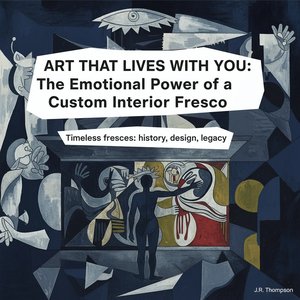
Sztuka, która ożywia przestrzeń: Emocjonalna siła fresku we wnętrzu
Poznaj fascynujący świat fresków! Ekspercka wiedza o technice, historii i konserwacji malowideł ściennych. Inspiracje dla wnętrz i możliwość zamówienia unikalnego dzieła sztuki.

Fresk: Technika, Historia i Artystyczna Ekspresja – Od Antyku do Współczesności
Poznaj historię i technikę fresku – od antycznych korzeni po współczesne zastosowania. Ekspercka analiza, konserwacja i inspiracje dla miłośników sztuki. Odkryj trwałość i piękno malowideł ściennych!

The Enduring Legacy of Fresco Painting: Techniques, History & Contemporary Relevance
Explore the rich history & enduring artistry of fresco painting – from Giotto to Michelangelo! Discover techniques, conservation efforts, & modern applications. Learn how OriginalUniqueArt brings this timeless art form to your home.

Fresk jako Rodzinna Spuścizna: Utrwalenie Dziedzictwa na Ścianach
Odkryj sztukę fresku! Poznaj historię, technikę i inspiracje. Zamów spersonalizowany fresk rodzinny – trwałe dzieło sztuki dla przyszłych pokoleń. Profesjonalna konserwacja i ochrona.

Trwała Spuścizna Fresku: Technika, Historia i Wyraz Artystyczny w Różnych Kulturach
Odkryj fascynujący świat fresków! Poznaj historię, technikę tworzenia i wybitnych artystów. Ekspercka analiza konserwacji i współczesne zastosowania malowideł ściennych. Inspiracje dla wnętrz i pasjonatów sztuki.


