
 Podgląd w skali
 Wyślij jako kartkę
 Udostępnij
 Szczegóły dzieła

 Pobierz
 Podobne obiekty
 RTG
RTG Pokaz slajdów
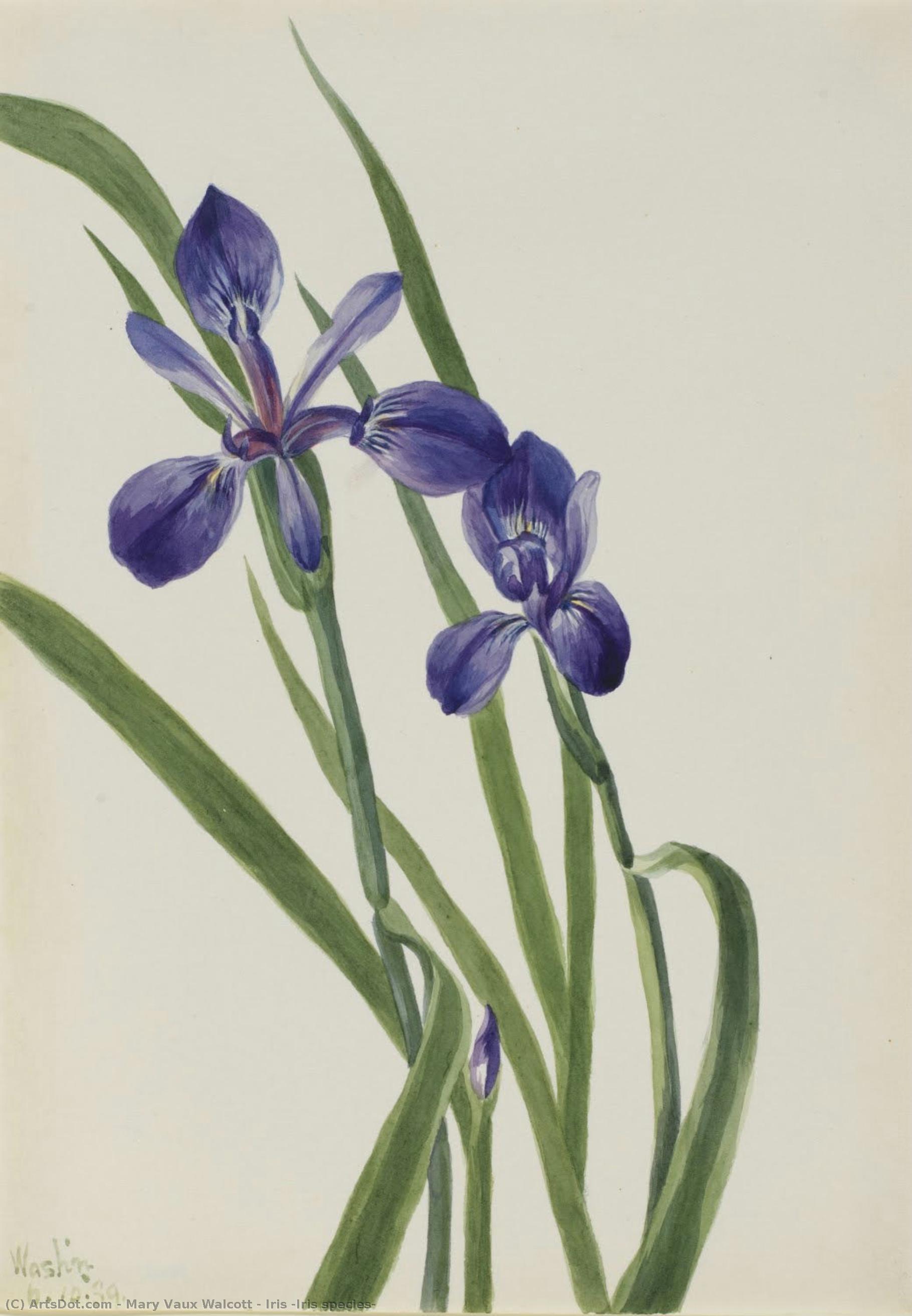
Iris (Iris species)
 Acrylic On Canvas
- WallArt
- Post-Impressionism
 1939
1939- 19th Century
 25.0 x 17.0 cm
 Smithsonian American Art Museum
 Rozwiń treść
Ręcznie malowana reprodukcja olejowa
Ręcznie malowany obraz olejny na płótnie, wykonany na zamówienie przez naszych artystów w wybranym przez Ciebie wymiarze i oprawie. ( Zamów wydruk Kup obraz wysokiej rozdzielczości)




P118B $10

P118H $10

P118W $10

P438Z $10

P508JH $12

P508YH $12

P805H $10

P805Z $10

P919BZ $10

P919G $10

P919XJ $10

P959ZH $10

P968JZ $12

W106C $8

W218G $10

W218JH $8

W218Y $10

W307PJ $10

W316G $10

W316PJ $8

W316Y $10

W398PJ $8

W4111J $10

W500HY $15

W500JH $15

W692G $12

W849H $8

W940BG $15

W953PJ $8




Wybierz spośród naszych standardowych rozmiarów, które zachowują oryginalne proporcje dzieła sztuki.

Możesz wprowadzić własne wymiary, aby dopasować obraz do konkretnej ramy lub przestrzeni. Jeśli wybrany rozmiar nie będzie odpowiadał proporcjom oryginału, przytniecie dzieło sztuki lub rozszerzymy je o dodatkowe elementy, ręcznie domalowane przez artystę. Przed rozpoczęciem produkcji wyślemy projekt cyfrowy do Twojej akceptacji.
Należy pamiętać, że podgląd na ekranie nie odzwierciedla rzeczywistego przycinania ani rozszerzania obrazu. Tylko projekt dokładnie pokaże ostateczną kompozycję.
Choć oferujemy możliwość zamówienia niestandardowych rozmiarów, zalecamy wybór wymiaru z gotowej listy, aby zachować oryginalne proporcje dzieła.
Po złożeniu zamówienia zespół OriginalUniqueArt.com skontaktuje się z klientem drogą mailową w celu uzyskania instrukcji i prześle wizualizację projektu
Dostawa na całym świecie () w ciągu 3–4 tygodni zamiast standardowych 5 tygodni. (18 Sierpień). Bez kompromisów w kwestii jakości.

Bezpłatna ekspresowa wysyłka na cały świat

Wysokiej jakości płótno lniane

Pełne ubezpieczenie przesyłki

Gwarancja zwrotu należności celnych i podatków importowych

Gwarancja wiernego odwzorowania kolorów

Polityka 60-dniowego zwrotu (tylko w przypadku wad)

Gwarancja 100% zwrotu kosztów

Zniżka przy zamówieniu wielu produktów
 Opcja ze szkłem jest dostępna wyłącznie w rozmiarach poniżej 110 cm

Iris (Iris species)
Technika reprodukcji
Wymiary reprodukcji
-


Cena całkowita
$ 300
Opis dzieła
A Study in Ephemeral Beauty: Iris by Mary Vaux Walcott
To gaze upon Mary Vaux Walcott's depiction of Iris is to step directly into a sun-dappled moment of quiet natural splendor. This painting, executed in 1939, captures three magnificent purple irises standing proudly amidst a sea of lush, verdant grass. The composition itself is deceptively simple: the flowers are arranged with careful balance—one anchoring the left quadrant, another drawing the eye to the center, and the third completing the harmony on the right. It is a scene that speaks not only of botanical perfection but also of enduring grace.
The Artistry of Observation and Watercolor Mastery
Walcott’s technique here is a testament to her profound skill as a watercolorist. While the subject matter—the vibrant purple blooms against the deep greens—is immediately arresting, it is the delicate handling of light that elevates this piece beyond mere botanical illustration. The artist possesses an almost scientific eye for detail, allowing every petal fold and blade of grass to retain its individual character. Yet, this precision never sacrifices emotion. The watercolor medium itself lends a luminous quality; the colors seem to breathe from the paper, suggesting the moist air and gentle breeze that must have accompanied the painting's creation. For those considering a reproduction for your home or studio, understanding this masterful wash technique is key, as it promises an authentic echo of her original luminosity.
Symbolism and the Spirit of Nature
The iris has long held rich symbolic weight throughout art history, often representing faith, wisdom, and royalty. In Walcott's hands, these meanings are grounded in the tangible beauty of the wild. The grouping of three flowers is a classic artistic motif, suggesting completeness or perhaps a triptych of moods—a moment captured at dawn, noon, and dusk, all within one breath. Furthermore, considering Mary Vaux Walcott’s own life story—her dedication to documenting the natural world—the painting resonates with themes of resilience and enduring beauty found even in wild, untamed settings.
A Touch of Early 20th Century Sentiment
Created in 1939, this work carries the subtle weight of its time. While it celebrates nature’s timeless cycle, the context places it at a moment of profound global anticipation and change. This imbues the piece with a quiet, almost nostalgic sentimentality. It is not merely a pretty picture; it is an act of preservation—an artist staking a claim on perfect beauty before the inevitable passage of time. Owning this artwork, or a high-quality reproduction thereof, allows one to bring that sense of serene, cultivated contemplation into any interior space.
O artyście
A Life Blossoming in Watercolor: The World of Mary Vaux Walcott
Mary Vaux Walcott, a name synonymous with the delicate beauty and scientific precision of North American wildflowers, was born into a world of quiet refinement in Philadelphia in 1860. Yet, from her earliest years, a vibrant artistic spirit pulsed within her—a gift nurtured by a simple set of watercolor paints at the tender age of eight. This wasn’t merely a childhood pastime; it was the genesis of a lifelong passion, a deep connection with the natural world that would ultimately define her extraordinary career and earn her the affectionate title “the Audubon of Botany.” Her story is not simply one of artistic talent, but also of remarkable resilience, unwavering curiosity, and a pioneering spirit that defied the societal expectations placed upon women in the late 19th century. The responsibility for caring for her father and two younger brothers fell heavily upon young Mary after the untimely death of her mother in 1880—a burden she carried with grace and determination, never allowing it to extinguish the flame of her creative spirit.The Allure of the Rockies: Nature as Muse and Subject
The landscapes of the Canadian Rockies became the very heart and soul of Mary’s artistic journey. These vast, rugged mountains weren't merely a backdrop for her paintings; they were an active laboratory, a place where she meticulously documented the intricate details of alpine flora alongside her brothers. They didn’t simply observe the landscape; they engaged with it deeply—studying mineralogy, charting glacial movements through detailed drawings and photographs, and immersing themselves in the subtle nuances of each wildflower species. This wasn't passive observation; it was a profound engagement with the scientific underpinnings of nature, driven by an insatiable curiosity and a desire to capture its essence with unparalleled accuracy. During these annual summer expeditions, Mary honed her skills as a botanical illustrator, initially at the request of botanists eager for precise depictions of rare and elusive species. Her approach was revolutionary for its time—she rendered plants to scale, showcasing their delicate structures, vibrant colors, and intricate details with an almost obsessive attention to detail. Unlike many floral paintings of the era, which often romanticized or stylized their subjects, Walcott’s work prioritized scientific accuracy alongside artistic expression, creating images that were both beautiful and profoundly informative. Her dedication extended beyond mere representation; she sought to capture not just the outward appearance of a flower but also its unique characteristics and ecological role.A Partnership Forged in Science and Art
In 1914, Mary’s life took an unexpected turn with her marriage to Charles Doolittle Walcott, then Secretary of the Smithsonian Institution—a man deeply committed to scientific exploration and a renowned paleontologist. This union wasn't simply a personal connection; it was a meeting of minds—two individuals united by a shared passion for understanding the natural world. Their marriage fostered a unique partnership where art and science intertwined seamlessly. They continued their annual expeditions to the Canadian Rockies, with Charles pursuing his geological research while Mary dedicated herself to her botanical paintings. These weren’t separate endeavors but complementary pursuits, each enriching the other—Charles's scientific observations providing context for Mary’s artistic interpretations, and Mary’s detailed illustrations offering a visual record of Charles’s discoveries. The Smithsonian Institution became a crucial platform for showcasing Mary’s work, culminating in the publication of *North American Wild Flowers* in 1925—a monumental five-volume collection featuring over 400 of her meticulously crafted illustrations, accompanied by insightful descriptions and scientific observations. This publication cemented her reputation as a leading botanical artist and earned her the enduring moniker “the Audubon of Botany,” acknowledging the parallel between her detailed floral studies and John James Audubon’s iconic depictions of birds.Key Achievements & Recognition
- Pioneering Botanical Illustration: Renowned for her scientifically accurate and artistically exquisite watercolor paintings of wildflowers, setting a new standard for botanical illustration.
- “The Audubon of Botany”: Affectionately known by this title, recognizing the significance of her work in botanical art and its parallels with Audubon’s legacy.
- *North American Wild Flowers* (1925): Publication of a five-volume collection showcasing over 400 of her illustrations, solidifying her reputation as a leading botanical artist.
- First Woman to Summit Mount Stephen: A testament to her adventurous spirit, physical endurance, and pioneering spirit in the field of mountaineering.
- Contributions to Glacial Geology: Documented glacial recession in the Canadian Rockies alongside her brothers, providing valuable data for climate change studies and contributing significantly to scientific understanding.
- Philanthropic Legacy: Bequeathed a substantial sum to the Smithsonian Institution to support scientific research and conservation efforts.
A Lasting Legacy
Mary Vaux Walcott’s influence extends far beyond the beauty of her paintings—she represents a unique synthesis of artistic skill, scientific observation, and adventurous spirit. Her work isn't simply a collection of pretty flowers; it’s a profound celebration of the natural world, revealing its intricate structures, capturing its delicate beauty, and highlighting its vital role in the ecosystem. Her illustrations continue to be valued by both art enthusiasts and botanists alike, serving as invaluable resources for identifying and studying North American flora. Beyond her artistic achievements, Walcott demonstrated a commitment to public service, advocating for improved conditions on Native American reservations and contributing to scientific understanding through her meticulous documentation of the Canadian Rockies. Her story serves as an inspiration—a reminder that passion, dedication, and a deep connection with nature can blossom into a life of remarkable achievement and leave a lasting legacy for generations to come.
Mary Vaux Walcott
1860 - 1940 , Stany Zjednoczone
Krótka nota
- Artistic Movement Or Style: Botaniczna ilustracja
- Artists Or Movements Influenced By This Artist: ['Maria Sibylla Merian']
- Artists Who Influenced This Artist: ['John James Audubon']
- Date Of Birth: 31 lip 1860
- Date Of Death: 22 aug 1940
- Full Name: Mary Vaux Walcott
- Nationality: Amerykańska
- Notable Artworks:
- Kwiaty jesienne
- Gaillardia aristata
- Rosa bourgeauiana
- Fremontodendron
- Place Of Birth: Filadelfia, USA
Powiązane artykuły

10 Legendarnych Akwareli, Które Zmieniły Sztukę. Inspiracje do Dekoracji Domu.
Odkryj 10 legendarnych akwareli Turner'a, Monet'a i innych mistrzów! Poznaj historie, techniki i inspiracje tych ponadczasowych dzieł. Reprodukcje obrazów najwyższej jakości na OriginalUniqueArt.com – idealne do dekoracji wnętrz.
Mary Vaux Walcott: Botanical Precision & Artistic Vision in American Conservation
Discover the exquisite botanical watercolors of Mary Vaux Walcott, celebrated as the 'Audubon of Botany.' Explore her life, art, and lasting impact on American conservation through detailed illustrations & Smithsonian contributions.

Efemeryczne Wizje: Historia i Współczesna Praktyka Malarstwa Akwarelowego
Poznaj historię i techniki malarstwa akwarelowego! Odkryj inspiracje mistrzów, współczesne trendy oraz praktyczne porady dotyczące materiałów. Rozwiń swoją pasję z naszym przewodnikiem.

Efemeryczne Wizje: Historia i Emocjonalny Rezonans Malarstwa Akwarelowego
Odkryj fascynującą historię malarstwa akwarelowego! Poznaj techniki mistrzów, romantyczny nurt i współczesne trendy. Inspiracje do dekoracji wnętrz oraz możliwość personalizacji obrazów na OriginalUniqueArt.com.

Ephemeral Visions: Exploring the Artistic Legacy & Nuances of Watercolor Painting
Explore the captivating world of watercolor painting! Discover its rich history, essential techniques, influential artists & collecting tips from art experts. A comprehensive guide for enthusiasts.



