Podgląd w skali 1:1
 Wyślij jako kartkę
 Udostępnij
 Szczegóły dzieła
 Przewodnik

 Pobierz obraz
 Podobne obiekty
 RTG
RTG Pokaz slajdów
 Q&A
Q&A Statystyki
Nativity (detail)


 Rozwiń treść
Giclée / Wydruk artystyczny
Wydruki giclée lub płótna o jakości muzealnej, szybka realizacja i szeroki wybór opcji wykończenia. ( Zamów ręcznie malowaną reprodukcję Przejdź do wersji cyfrowej)




P118B zł10

P118H zł10

P118W zł10

P438Z zł10

P508JH zł12

P508YH zł12

P805H zł10

P805Z zł10

P919BZ zł10

P919G zł10

P919XJ zł10

P959ZH zł10

P968JZ zł12

W106C zł8

W218G zł10

W218JH zł8

W218Y zł10

W307PJ zł10

W316G zł10

W316PJ zł8

W316Y zł10

W398PJ zł8

W4111J zł10

W500HY zł15

W500JH zł15

W692G zł12

W849H zł8

W940BG zł15

W953PJ zł8




Wybierz spośród naszych standardowych rozmiarów, które zachowują oryginalne proporcje dzieła sztuki.

Wpisz wymaganą szerokość i wysokość, aby dopasować grafikę do ramy lub ściany. Wydruk można jedynie przyciąć, nigdy nie powiększając go poza oryginalny obraz, dlatego format o innych proporcjach spowoduje utratę części kompozycji. Przed rozpoczęciem druku prześlemy Ci cyfrowy podgląd do zatwierdzenia. Obraz wyświetlany na tej stronie nie pokazuje rzeczywistego przycięcia — jedynie podgląd oddaje ten efekt.
Dostawa na cały świat () w ciągu 2 tygodni zamiast standardowych 4/5 tygodni. (2 Listopad)

Bezpłatna ekspresowa wysyłka na cały świat

Wysokiej jakości płótno lniane

Pełne ubezpieczenie przesyłki

Gwarancja zwrotu należności celnych i podatków importowych

Gwarancja wiernego odwzorowania kolorów

100-dniowa polityka zwrotów (tylko w przypadku wad)

Gwarancja 100% zwrotu pieniędzy

Zniżka przy zakupie wielu sztuk
 Opcja ze szkłem jest dostępna wyłącznie w rozmiarach poniżej 110 cm

Nativity (detail)
Giclée / Wydruk artystyczny
Wymiary reprodukcji
-


Cena całkowita
zł 311
A Sacred Glimpse into Northern Renaissance Devotion
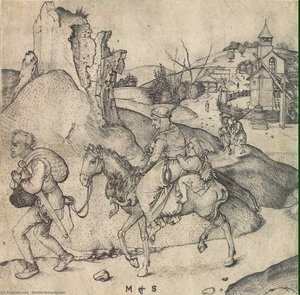
In the quiet intimacy of Martin Schongauer’s Nativity (detail), we are invited to step back into the late 15th century, a period where the boundaries between the earthly and the divine were rendered with breathtaking clarity. This exquisite fragment, part of a larger masterpiece currently held in the British Museum, serves as more than just a religious illustration; it is a window into the soul of the Northern Renaissance. As we gaze upon the kneeling Virgin Mary beside the Christ Child, we feel the profound stillness of that holy night. Schongauer, an artist whose name was whispered with reverence by contemporaries like Albrecht Dürer, captures a moment of serene solemnity that transcends time, offering a meditative experience for any viewer fortunate enough to encounter its delicate beauty.
The technical mastery displayed in this work is nothing short of extraordinary. Executed on a durable oak panel—a hallmark of the era’s enduring craftsmanship—the painting reveals Schongauer’s ability to manipulate light and texture through the meticulous layering of thin oil glazes. One cannot help but be captivated by the tactile realism: the rough, organic weave of the blankets, the dry prickle of the straw within the manger, and the soft, luminous skin of the infant Jesus. By subtly flattening the landscape in the background, Schongauer directs our gaze inward, toward the central figures, creating a sense of depth that pulls the observer into this intimate tableau. The play of light and shadow does not merely illuminate the scene; it breathes life into the textures, heightening the drama while maintaining an atmosphere of peaceful reverence.
Symbolism and the Language of Faith
Every element within this composition is steeped in a rich tapestry of medieval symbolism, designed to guide the faithful through layers of spiritual meaning. The presence of the oxen flanking the manger is not merely a pastoral detail; these animals serve as potent symbols of fertility, strength, and the enduring provision of God for humanity. As shepherds approach from the periphery, their very presence embodies the virtues of humility and piety, representing the common folk who were the first to recognize the divine presence in the lowliest of settings. This interplay between the humble landscape and the profound theological truths creates a narrative that is both accessible to the layperson and intellectually stimulating for the scholar.
For the discerning collector or interior designer, this piece offers an unparalleled opportunity to introduce a sense of historical weight and spiritual tranquility into a space. A high-quality reproduction of this detail allows the soft, muted tones and the intricate Gothic aesthetic to harmonize with sophisticated modern interiors, providing a focal point that encourages reflection. It is a work that does not shout for attention but rather commands it through its quiet, persistent grace. To possess such an image is to hold a piece of the Northern Renaissance's enduring legacy—a testament to a time when art was the ultimate bridge between the human heart and the heavens.
Pytania i odpowiedzi
Czy dzieło "Nativity (detail)" znajduje się w domenie publicznej?
„Nativity (detail)” – Martin Schongauer znajduje się w domenie publicznej (należy do domeny publicznej – autorskie prawa majątkowe wygasły). Status ten określa zasady reprodukcji obrazu tego dzieła.
Gdzie i w jakim celu zaleca się użycie "Nativity (detail)"?
Zalecane zastosowanie (Mood) oraz przestrzeń (Living Room) to dwie rekomendacje dla dzieła „Nativity (detail)” – Martin Schongauer.
Co przedstawia „Nativity (detail)” – Martin Schongauer?
Tematyka dzieła "Nativity (detail)" to nativity, shepherds, manger scene, religious art, medieval painting, renaissance detail, oxen.
Biografia artysty
Biografia Martina Schongauera
Martin Schongauer, znany również jako Martin Schön („Martin piękny”) lub Hübsch Martin („pretty Martin”), urodził się około 1435 roku w Kolmarze, Alzacji (obecnie Francja), będącym miastem cesarskim w późnym średniowieczu i niemieckojęzycznym obszarem. Jego ojcem był Caspar Schongauer, złotnik pochodzący z Augsburga, który około 1440 roku przeniósł się do Kolmar; Caspar został mistrzem gildii złotniczej w 1445 roku, co prawdopodobnie wymagało pobytu pięciu lat. Jego brat Ludwig również był malarzem i zajmował się działalnością gospodarczą. Kolmar jest obecnie częścią Francji, ale wtedy stanowił część Cesarstwa Niemieckiego i mówił się nim niemieckim językiem.- Początki życia i edukacja
- Styl artystyczny i wpływy
- Największe osiągnięcia i dzieła
- Znaczenie historyczne i dziedzictwo
Początki życia i edukacja
Martin Schongauer pochodził z rodziny złotniczej, co miało istotny wpływ na jego szkolną drogę. Jego ojciec był Caspar Schongauerem, który posiadał tytuł szlachecki i był jednym z najważniejszych twórców gildii złotniczej w Kolmarze. Nauki pobierał u Caspara Isenmanna, lokalnego mistrza szkoły górnoreńskiej, który był pod wpływem sztuki Rogiera van der Weydena i innych przedstawicieli szkoły flamandzkiej oraz prawdopodobnie studiował w Holandii. Schongauer rozpoczął studia około 1462 roku na Uniwersytecie Lipskiego, gdzie uzyskał tytuł doktorskiego, lecz szybko porzucił akademicki świat, aby poświęcić się całkowicie sztuce. Jego umiejętności złotnicze zapewniły mu doskonałą podstawę techniczną dla przyszłej działalności jako rytownik.Styl artystyczny i wpływy
Schongauer wyróżniał się jasnym i uporządkowanym estetyką gotycką, która przenikała się wpływami renesansu. Nie posiadał bezpośredniego wpływu włoskiego, lecz czerpał inspirację z tradycji niemieckiej i szkoły górnoreńskiej. Jego twórczość charakteryzowała się precyzyjną techniką rytowniczą, realistycznymi przedstawieniami postaci oraz wyrafinowanym zrozumieniem kompozycji. Najważniejszym jego wpływem był Rogier van der Weyden, którego dzieła zainspirowały Schongauera do wykorzystania elementów stylu flamandzkiego w swoich obrazach i grafikach. Jego twórczość odzwierciedlała ducha późnego gotyku i stanowiła ważny etap przejścia między sztuką gotycką a renesansową.Największe osiągnięcia i dzieła
Schongauer jest najbardziej znany z ponad stu pięciudziesięciu grafik, które wykonał z monogramem („M†S”), wszystkie sygnowane jego inicjałami. Grafiki te były szeroko rozpowszechnione przez Europę i znacząco wpłynęły na rozwój techniki rytowniczej oraz styl artystyczny. Często przedstawiały sceny religijne, portrety oraz alegoryczne motywy. Jego najważniejsze dzieła to Madonna wśród róż (1473), obraz wykonany dla kościoła św. Marcina w Kolmarze, który jest jednym z najcenniejszych przykładów sztuki szkoły górnoreńskiej oraz Portret młodej kobiety (ok. 1478), znajdujący się w zbiorach Heinricha Kistersa w Kreuzlingen.Znaczenie historyczne i dziedzictwo
Martin Schongauer zyskał międzynarodową renomę jako rytownik przed Albrecht Dürerem, młodszym artystą, który zbierał jego twórczość. Jego grafiki były bardzo cenione przez krytyków i kolekcjonerów oraz przyczyniły się do rozpowszechnienia stylu artystycznego Schongauera na terenie Europy. Jego twórczość stanowiła istotną łącznikiem między sztuką gotycką a renesansową, wyznaczając drogę dla takich mistrzów jak Albrecht Dürer i Rafael. Jego umiejętności rytownicze były pionierskie i wpłynęły na rozwój technik graficznych oraz kształtowanie się estetyki późnego średniowiecza i początku epoki Renesansu.
Martin Schongauer
1450 - 1491 , Francja
Krótka nota
- Artistic Movement Or Style: Szkoła górnoreńska
- Artists Or Movements Influenced By This Artist: ['Albrecht Dürer']
- Artists Who Influenced This Artist:
- Rogier van der Weyden
- Caspar Isenmann
- Date Of Birth: ok. 1450–53
- Date Of Death: 2 lutego 1491
- Full Name: Martin Schongauer
- Nationality: Niemiec
- Notable Artworks:
- Madonna wśród róż
- Pokłon Pasterzy
- Place Of Birth: Colmar, Alsace
Powiązane artykuły

Odbitki Giclée: Jakość Archiwalna i Estetyczne Niuanse dla Wymagającego Kolekcjonera
Poznaj sekrety druku giclée – technologii zapewniającej najwyższą jakość reprodukcji sztuki i trwałość archiwalaną. Poradnik dla wymagających kolekcjonerów o wyborze papieru, tuszy i profilach kolorystycznych.
Arcydzieła na panelu olejnym: 10 obrazów, które zmieniły historię sztuki | OriginalUniqueArt.com
Poznaj 10 arcydzieł malarstwa olejnego na panelu, które zrewolucjonizowały sztukę! Odkryj historie Van Gogha, Rembrandta i Botticellego. Reprodukcje obrazów najwyższej jakości – inspiracje do wnętrz na OriginalUniqueArt.com.
Oil on Panel: A Historical Survey of Technique, Support & Aesthetic Evolution
Explore the rich history of oil on panel painting! Discover Renaissance techniques, support structures & aesthetic evolution. Expert insights for art collectors and enthusiasts.

The Timeless Charm of Oil on Board: Reimagining Texture and Light through the Impressionist Lens
Discover the profound intimacy of oil on panel. Explore how Impressionist masters used rigid supports to capture light, texture, and impasto depth through exquisite, handmade oil reproductions for discerning collectors.

Mastering the Surface: A Historical and Technical Guide to the Art of Oil on Panel Painting
Explore the profound history and technical brilliance of oil on panel painting. From Renaissance masters to modern techniques, discover why this rigid support offers unparalleled precision and permanence for fine art lovers and collectors.