Podgląd w skali 1:1
 Wyślij jako kartkę
 Udostępnij
 Szczegóły dzieła
 Przewodnik

 Pobierz obraz
 Podobne obiekty
 RTG
RTG Pokaz slajdów
 Statystyki
Chirst befire pilate

 Rozwiń treść
Giclée / Wydruk artystyczny
Wydruki giclée lub płótna o jakości muzealnej, szybka realizacja i szeroki wybór opcji wykończenia. ( Zamów ręcznie malowaną reprodukcję Przejdź do wersji cyfrowej)




P118B zł10

P118H zł10

P118W zł10

P438Z zł10

P508JH zł12

P508YH zł12

P805H zł10

P805Z zł10

P919BZ zł10

P919G zł10

P919XJ zł10

P959ZH zł10

P968JZ zł12

W106C zł8

W218G zł10

W218JH zł8

W218Y zł10

W307PJ zł10

W316G zł10

W316PJ zł8

W316Y zł10

W398PJ zł8

W4111J zł10

W500HY zł15

W500JH zł15

W692G zł12

W849H zł8

W940BG zł15

W953PJ zł8




Wybierz spośród naszych standardowych rozmiarów, które zachowują oryginalne proporcje dzieła sztuki.

Wpisz wymaganą szerokość i wysokość, aby dopasować grafikę do ramy lub ściany. Wydruk można jedynie przyciąć, nigdy nie powiększając go poza oryginalny obraz, dlatego format o innych proporcjach spowoduje utratę części kompozycji. Przed rozpoczęciem druku prześlemy Ci cyfrowy podgląd do zatwierdzenia. Obraz wyświetlany na tej stronie nie pokazuje rzeczywistego przycięcia — jedynie podgląd oddaje ten efekt.
Dostawa na cały świat () w ciągu 2 tygodni zamiast standardowych 4/5 tygodni. (28 Październik)

Bezpłatna ekspresowa wysyłka na cały świat

Wysokiej jakości płótno lniane

Pełne ubezpieczenie przesyłki

Gwarancja zwrotu należności celnych i podatków importowych

Gwarancja wiernego odwzorowania kolorów

100-dniowa polityka zwrotów (tylko w przypadku wad)

Gwarancja 100% zwrotu pieniędzy

Zniżka przy zakupie wielu sztuk
 Opcja ze szkłem jest dostępna wyłącznie w rozmiarach poniżej 110 cm

Chirst befire pilate
Giclée / Wydruk artystyczny
Wymiary reprodukcji
-


Cena całkowita
zł 307
Subject and Narrative Depth
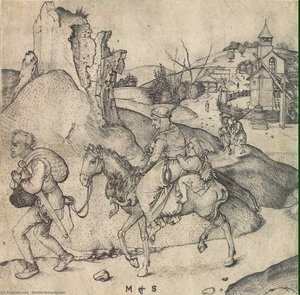
This masterful engraving captures a pivotal moment from the Passion of Christ, depicting Him before Pontius Pilate. The scene is rich with emotional intensity, illustrating the tense interaction between the Roman governor and the condemned Christ. Surrounding figures, including soldiers and onlookers, add layers of narrative, emphasizing themes of judgment, authority, and divine sacrifice. The composition invites viewers to contemplate the gravity of this biblical event, evoking feelings of reverence, reflection, and spiritual introspection.Artistic Style and Technique
Created in the Northern Renaissance style, this piece exemplifies the meticulous craftsmanship of early printmaking. The artist employs fine lines, delicate cross-hatching, and stippling to achieve remarkable detail and depth. The monochromatic palette, relying solely on black ink against white paper, enhances the dramatic contrast and highlights the intricate textures of drapery, facial expressions, and architectural elements. The engraving technique allows for precise control over light and shadow, giving the scene a three-dimensional quality that draws viewers into its complex narrative.Historical Context and Significance
Produced during the late 15th century, this engraving reflects the burgeoning interest in religious themes and the development of printmaking as an art form. Artists like Martin Schongauer pioneered the use of detailed line work to communicate profound spiritual stories accessible to a broader audience. This work not only served as a devotional object but also as a means of disseminating biblical stories across Europe, influencing countless artists and engravers. Its historical importance lies in its role in shaping religious art and printmaking techniques during the Renaissance.Symbolism and Emotional Impact
Every element within this scene is imbued with symbolic meaning. The act of Pilate washing his hands signifies the abdication of moral responsibility, while the intense expressions of the figures convey a spectrum of human emotion—confusion, anger, compassion, and foreboding. The detailed rendering of gestures and facial features fosters a visceral connection, allowing viewers to experience the tension and solemnity of the moment. This engraving’s emotional power lies in its ability to evoke empathy and spiritual reflection, making it a compelling centerpiece for both private collections and sacred spaces.Perfect for Collectors and Interior Design
This high-quality reproduction offers art lovers, collectors, and interior designers an exceptional opportunity to own a piece of Renaissance religious artistry. Its intricate detail and historical significance make it a timeless addition to any collection or interior setting. Whether displayed in a study, gallery wall, or sacred space, this engraving provides a sophisticated focal point that inspires contemplation and admiration. Its enduring beauty and profound narrative make it an investment in both art and spiritual heritage.Pytania i odpowiedzi
Czy „Chirst befire pilate” – Martin Schongauer to jasne czy ciemne dzieło?
Pod względem postrzeganej jasności, „Chirst befire pilate” – Martin Schongauer jest brilliant.
Kto jest autorem i jaki styl reprezentuje "Chirst befire pilate"?
"Chirst befire pilate" powstało autorstwa Martin Schongauer w stylu Northern Renaissance. Artysta oraz nurt definiują tradycję tego dzieła.
Z jakiego kraju pochodzi dzieło Northern Renaissance pt. "Chirst befire pilate"?
"Chirst befire pilate" powstało dzięki Martin Schongauer, urodzonemu w Francja, w ramach nurtu Northern Renaissance. Pochodzenie artysty wiąże to dzieło z Northern Renaissance w wydaniu twórców z Francja.
Biografia artysty
Biografia Martina Schongauera
Martin Schongauer, znany również jako Martin Schön („Martin piękny”) lub Hübsch Martin („pretty Martin”), urodził się około 1435 roku w Kolmarze, Alzacji (obecnie Francja), będącym miastem cesarskim w późnym średniowieczu i niemieckojęzycznym obszarem. Jego ojcem był Caspar Schongauer, złotnik pochodzący z Augsburga, który około 1440 roku przeniósł się do Kolmar; Caspar został mistrzem gildii złotniczej w 1445 roku, co prawdopodobnie wymagało pobytu pięciu lat. Jego brat Ludwig również był malarzem i zajmował się działalnością gospodarczą. Kolmar jest obecnie częścią Francji, ale wtedy stanowił część Cesarstwa Niemieckiego i mówił się nim niemieckim językiem.- Początki życia i edukacja
- Styl artystyczny i wpływy
- Największe osiągnięcia i dzieła
- Znaczenie historyczne i dziedzictwo
Początki życia i edukacja
Martin Schongauer pochodził z rodziny złotniczej, co miało istotny wpływ na jego szkolną drogę. Jego ojciec był Caspar Schongauerem, który posiadał tytuł szlachecki i był jednym z najważniejszych twórców gildii złotniczej w Kolmarze. Nauki pobierał u Caspara Isenmanna, lokalnego mistrza szkoły górnoreńskiej, który był pod wpływem sztuki Rogiera van der Weydena i innych przedstawicieli szkoły flamandzkiej oraz prawdopodobnie studiował w Holandii. Schongauer rozpoczął studia około 1462 roku na Uniwersytecie Lipskiego, gdzie uzyskał tytuł doktorskiego, lecz szybko porzucił akademicki świat, aby poświęcić się całkowicie sztuce. Jego umiejętności złotnicze zapewniły mu doskonałą podstawę techniczną dla przyszłej działalności jako rytownik.Styl artystyczny i wpływy
Schongauer wyróżniał się jasnym i uporządkowanym estetyką gotycką, która przenikała się wpływami renesansu. Nie posiadał bezpośredniego wpływu włoskiego, lecz czerpał inspirację z tradycji niemieckiej i szkoły górnoreńskiej. Jego twórczość charakteryzowała się precyzyjną techniką rytowniczą, realistycznymi przedstawieniami postaci oraz wyrafinowanym zrozumieniem kompozycji. Najważniejszym jego wpływem był Rogier van der Weyden, którego dzieła zainspirowały Schongauera do wykorzystania elementów stylu flamandzkiego w swoich obrazach i grafikach. Jego twórczość odzwierciedlała ducha późnego gotyku i stanowiła ważny etap przejścia między sztuką gotycką a renesansową.Największe osiągnięcia i dzieła
Schongauer jest najbardziej znany z ponad stu pięciudziesięciu grafik, które wykonał z monogramem („M†S”), wszystkie sygnowane jego inicjałami. Grafiki te były szeroko rozpowszechnione przez Europę i znacząco wpłynęły na rozwój techniki rytowniczej oraz styl artystyczny. Często przedstawiały sceny religijne, portrety oraz alegoryczne motywy. Jego najważniejsze dzieła to Madonna wśród róż (1473), obraz wykonany dla kościoła św. Marcina w Kolmarze, który jest jednym z najcenniejszych przykładów sztuki szkoły górnoreńskiej oraz Portret młodej kobiety (ok. 1478), znajdujący się w zbiorach Heinricha Kistersa w Kreuzlingen.Znaczenie historyczne i dziedzictwo
Martin Schongauer zyskał międzynarodową renomę jako rytownik przed Albrecht Dürerem, młodszym artystą, który zbierał jego twórczość. Jego grafiki były bardzo cenione przez krytyków i kolekcjonerów oraz przyczyniły się do rozpowszechnienia stylu artystycznego Schongauera na terenie Europy. Jego twórczość stanowiła istotną łącznikiem między sztuką gotycką a renesansową, wyznaczając drogę dla takich mistrzów jak Albrecht Dürer i Rafael. Jego umiejętności rytownicze były pionierskie i wpłynęły na rozwój technik graficznych oraz kształtowanie się estetyki późnego średniowiecza i początku epoki Renesansu.
Martin Schongauer
1450 - 1491 , Francja
Krótka nota
- Artistic Movement Or Style: Szkoła górnoreńska
- Artists Or Movements Influenced By This Artist: ['Albrecht Dürer']
- Artists Who Influenced This Artist:
- Rogier van der Weyden
- Caspar Isenmann
- Date Of Birth: ok. 1450–53
- Date Of Death: 2 lutego 1491
- Full Name: Martin Schongauer
- Nationality: Niemiec
- Notable Artworks:
- Madonna wśród róż
- Pokłon Pasterzy
- Place Of Birth: Colmar, Alsace
Powiązane artykuły

Sacred Symbols: Decoding the Iconography and Spiritual Power of the World’s Greatest Religious Masterpieces
Explore the profound history and symbolism of the world's greatest religious artworks. From Byzantine icons to Renaissance masters, journey through sacred iconography with our expert guide and discover museum-quality, hand-painted oil reproductions for your collection.
Fra Angelico: 25 Arcydzieł Sztuki Włoskiego Renesansu | Reprodukcje Obrazów Online
Odkryj 25 arcydzieł Fra Angelico – mistrza renesansu włoskiego! Poznaj historię, techniki i piękno jego fresków oraz obrazów religijnych. Reprodukcje najwyższej jakości na OriginalUniqueArt.com. Eksploruj kolekcję online!

The Art of Devotion: Capturing the Grandeur and Spiritual Drama of Religious Processions in Art History
Explore the profound beauty of religious processions in art history. From Baroque drama to spiritual transcendence, discover how masters captured faith. OriginalUniqueArt.com offers exquisite, hand-painted oil reproductions for discerning collectors seeking timeless grandeur.
Sacred Narratives Embodied: A Comprehensive Exploration of Religious Iconography in Art History
Explore the rich history of religious iconography in art! Discover symbolism, movements & masterpieces from Byzantine to Renaissance periods. Expert insights for collectors and enthusiasts at OriginalUniqueArt.
Sacred Narratives on Canvas: Exploring Religious Painting Through History
Explore the rich history of religious painting with OriginalUniqueArt.com! Discover iconic artworks, symbolism & techniques from antiquity to the Renaissance. Enhance your art appreciation today.