
 Podgląd w skali 1:1
 Wyślij jako kartkę
 Udostępnij
 Szczegóły dzieła
 Przewodnik

 Pobierz obraz
 Podobne obiekty
 RTG
RTG Pokaz slajdów
 Pytania i odpowiedzi
 Statystyki
Oh, Oh, Oh, Not Again


 Rozwiń treść
Dzieło sztuki prezentowane na tej stronie podlega ochronie prawem autorskim, co oznacza, że nie mamy prawa do tworzenia ani sprzedaży jego identycznej reprodukcji. Ochrona ta jest egzekwowana na mocy umów międzynarodowych, takich jak Konwencja berneńska oraz przez przepisy prawa krajowego, w tym te określone w Prawo autorskie USA – Tytuł 17.
Metoda ta jest w pełni zgodna z przepisami prawa autorskiego, ponieważ nie polega na kopiowaniu ani powielaniu chronionego dzieła. Stanowi ona kreatywną reinterpretację – nowy obraz, który czerpie inspirację z oryginału, ale nie jest z nim tożsamy.
Giclée / Wydruk artystyczny
Wydruki giclée lub płótna o jakości muzealnej, szybka realizacja i szeroki wybór opcji wykończenia. ( Zamów ręcznie malowaną reprodukcję Przejdź do wersji cyfrowej)




P118B zł10

P118H zł10

P118W zł10

P438Z zł10

P508JH zł12

P508YH zł12

P805H zł10

P805Z zł10

P919BZ zł10

P919G zł10

P919XJ zł10

P959ZH zł10

P968JZ zł12

W106C zł8

W218G zł10

W218JH zł8

W218Y zł10

W307PJ zł10

W316G zł10

W316PJ zł8

W316Y zł10

W398PJ zł8

W4111J zł10

W500HY zł15

W500JH zł15

W692G zł12

W849H zł8

W940BG zł15

W953PJ zł8




Wybierz spośród naszych standardowych rozmiarów, które zachowują oryginalne proporcje dzieła sztuki.

Wpisz wymaganą szerokość i wysokość, aby dopasować grafikę do ramy lub ściany. Wydruk można jedynie przyciąć, nigdy nie powiększając go poza oryginalny obraz, dlatego format o innych proporcjach spowoduje utratę części kompozycji. Przed rozpoczęciem druku prześlemy Ci cyfrowy podgląd do zatwierdzenia. Obraz wyświetlany na tej stronie nie pokazuje rzeczywistego przycięcia — jedynie podgląd oddaje ten efekt.
Dostawa na cały świat () w ciągu 2 tygodni zamiast standardowych 4/5 tygodni. (3 Listopad)

Bezpłatna ekspresowa wysyłka na cały świat

Wysokiej jakości płótno lniane

Pełne ubezpieczenie przesyłki

Gwarancja zwrotu należności celnych i podatków importowych

Gwarancja wiernego odwzorowania kolorów

100-dniowa polityka zwrotów (tylko w przypadku wad)

Gwarancja 100% zwrotu pieniędzy

Zniżka przy zakupie wielu sztuk
 Opcja ze szkłem jest dostępna wyłącznie w rozmiarach poniżej 110 cm

Oh, Oh, Oh, Not Again
Giclée / Wydruk artystyczny
Wymiary reprodukcji
-


Cena całkowita
zł 317
Oh, Oh, Oh, Not Again – A Portrait of Vulnerability
The artwork “Oh, Oh, Oh, Not Again,” created by Marlene Dumas in 1996, is a striking watercolor portrait that transcends mere representation to delve into the depths of human emotion. Presented as a close-up depiction of a child’s face—a figure deliberately devoid of context—the piece immediately confronts viewers with an unsettling stillness punctuated by subtle gestures that speak volumes about psychological state. Dumas's masterful use of wet-on-wet watercolor technique contributes significantly to its evocative atmosphere, fostering a sense of immediacy and capturing the ephemeral quality of human experience.Style and Technique: Expressionist Minimalism
Dumas’s artistic approach aligns firmly with expressionism, prioritizing emotional resonance over photographic accuracy. Unlike traditional portraiture aimed at capturing likeness, “Oh, Oh, Oh, Not Again” eschews detailed rendering in favor of loose brushstrokes and diluted colors—a deliberate decision that amplifies the painting's melancholic undertones. The artist employs a technique characterized by layering washes of pigment onto paper, allowing for soft edges and blurred contours. This method creates an illusion of depth while simultaneously emphasizing the vulnerability inherent in the subject matter. Texture is predominantly smooth due to the watercolor medium, though slight variations emerge from subsequent paint applications—a testament to Dumas’s intuitive understanding of material properties.Historical Context: Apartheid's Shadow
Born in Cape Town during the era of apartheid in South Africa, Marlene Dumas’s artistic vision was profoundly shaped by the pervasive injustices and divisions of that time. Her upbringing amidst a landscape scarred by racial segregation instilled within her a deep empathy for marginalized voices and fueled her exploration of themes related to identity and social consciousness. This formative experience informs her oeuvre, particularly evident in “Oh, Oh, Oh, Not Again,” where the child’s face embodies both innocence and unspoken sorrow—a poignant reflection of the broader societal anxieties surrounding race relations during Dumas's lifetime.Symbolism: Silence Speaks Volumes
The composition itself is laden with symbolic significance. The open mouth and downturned eyes convey a palpable sense of distress, hinting at hidden emotions beneath the surface calm. More broadly, “Oh, Oh, Oh, Not Again” operates as an emblem of vulnerability—a depiction that invites contemplation on themes of loss, isolation, and the fragility of human existence. Dumas’s muted color palette—primarily grayed-out hues—further enhances this emotional impact, mirroring the somber mood and reinforcing the painting's overarching message about confronting uncomfortable truths. The artist’s signature “M. Dumas 1996” is discreetly positioned in the lower right corner, grounding the artwork within its historical context and acknowledging Dumas’s artistic legacy.Emotional Resonance: A Window into Inner Turmoil
Ultimately, “Oh, Oh, Oh, Not Again” succeeds in capturing a profound emotional state—one that resonates with viewers long after initial observation. It's not merely a portrait; it’s an invitation to consider the complexities of human psychology and the enduring power of unspoken feelings. The artwork stands as a testament to Dumas’s ability to distill emotion into visual form, creating a piece that lingers in the imagination and prompts reflection on universal themes of vulnerability and resilience.Pytania i odpowiedzi
Jaki jest zalecany format i orientacja druku dla "Oh, Oh, Oh, Not Again"?
W przypadku "Oh, Oh, Oh, Not Again" zalecanym formatem wydruku jest rozmiar Medium w orientacji Portrait.
W jakim pomieszczeniu najlepiej wyeksponować "Oh, Oh, Oh, Not Again", biorąc pod uwagę jego paletę barw?
Dzięki swojej palecie barw Neutrals, dzieło „Oh, Oh, Oh, Not Again” – Marlene Dumas idealnie sprawdzi się w Living Room. Kolorystyka jest jedną z przyczyn tej rekomendacji.
Gdzie i w jakim celu zaleca się użycie "Oh, Oh, Oh, Not Again"?
Dzieło „Oh, Oh, Oh, Not Again” – Marlene Dumas jest polecane do Accent, najlepiej w Living Room. Zastosowanie oraz przestrzeń pomagają zdecydować, gdzie najlepiej umieścić reprodukcję.
Biografia artysty
A Life Shaped by Landscape and Sociopolitical Currents
Marlene Dumas, born in 1953 in Cape Town, South Africa, is a painter whose work resonates with an emotional depth rarely encountered in contemporary art. Her upbringing amidst the stark realities of apartheid profoundly shaped her artistic vision, instilling within her a keen awareness of social injustice and the complexities of human identity. Growing up on her father’s vineyard in Kuils River, she witnessed firsthand the divisions and inequalities that defined South African society during those years—a landscape both beautiful and burdened by history. This early exposure to a fractured world would become a recurring theme throughout her career, informing her exploration of race, sexuality, and the psychological weight of existence. Dumas’s formal artistic journey began at the University of Cape Town in 1972, where she pursued a Bachelor of Fine Arts degree alongside studies in ethics. This combination proved crucial, laying the groundwork for an art practice deeply concerned with moral questions and the human condition. She later continued her education at Ateliers '63 in Haarlem, Netherlands, relocating to Amsterdam in 1976—a move that marked a significant shift in both her geographical location and artistic perspective. Further academic pursuits in psychology at the University of Amsterdam between 1979-1980 would further refine her ability to portray inner states with remarkable sensitivity.The Evolution of a Distinctive Style
Dumas’s artistic development has been characterized by a constant questioning of representation and a willingness to confront difficult subjects. Her early work directly addressed the political climate of apartheid, reflecting her identity as a white woman grappling with the moral implications of living within a system of racial segregation. However, she quickly moved beyond purely political statements, delving into more universal themes of human vulnerability, desire, and loss. Influenced by the emotional intensity of Romanticism—particularly artists like Egon Schiele and Francis Bacon—Dumas developed a distinctive style marked by loose brushstrokes, distorted figures, and an evocative use of color. She often begins her paintings with source material gathered from diverse origins: Polaroid photographs, magazine clippings, even pornographic imagery. These images are not simply copied but rather serve as starting points for explorations of feeling and memory. Her technique is notable for its layering—a wet-on-wet approach that builds depth and texture through the interplay of thin and thick paint. This creates a sense of fluidity and ambiguity, mirroring the complexities of the emotions she seeks to convey. The resulting images are often hauntingly beautiful, simultaneously alluring and unsettling.Themes of Identity, Sexuality, and the Human Condition
At the heart of Dumas’s work lies an unwavering commitment to exploring the intricacies of human experience. Her subjects range widely—from portraits of friends and lovers to depictions of children, strippers, and figures drawn from popular culture. However, these are never mere representations; they are vehicles for investigating deeper psychological states. Race, sexuality, identity, violence, guilt, innocence – these are all recurring themes in her oeuvre, approached with a rare degree of honesty and nuance. Dumas’s paintings often challenge conventional notions of beauty and desirability, exposing the vulnerabilities and contradictions inherent in human relationships. She is particularly interested in the ways in which bodies are constructed and perceived—how they become sites of both pleasure and pain, power and oppression. Her work frequently engages with issues of representation, questioning who has the right to look at whom and what implications arise from that gaze. This critical perspective extends to her own artistic practice, as she acknowledges the inherent limitations and ethical challenges of portraying others.Recognition and Lasting Impact
Marlene Dumas’s contributions to contemporary art have been widely recognized through numerous exhibitions and accolades. A significant milestone was her first major American museum exhibition, “Measuring Your Own Grave,” which opened at the Museum of Contemporary Art, Los Angeles in 2008 and subsequently traveled to the Museum of Modern Art, New York City. This retrospective solidified her position as a leading figure in contemporary painting. Her market success has also been remarkable; in 2004, *Jule-die Vrou* (1985) sold for over $1 million, establishing her as one of only three living female artists to achieve such a price point at the time. More recently, *The Schoolboys* (1986–87) reached an astounding $9 million at Art Basel Miami Beach in 2023, and *Miss January* (1997) shattered records in May 2025, selling for $13.6 million at Christie’s—a new high for a living female artist. Represented by the prestigious David Zwirner Gallery since 2008, Dumas continues to exhibit internationally and inspire a new generation of artists. Her influence extends beyond the realm of painting; she has challenged conventional notions of portraiture and encouraged a more critical engagement with social and political issues within art. Dumas’s legacy lies in her ability to create works that are both deeply personal and universally resonant—paintings that confront us with our own vulnerabilities, desires, and prejudices.- Born: Cape Town, South Africa (1953)
- Education: University of Cape Town (BFA), Ateliers ‘63 (Haarlem)
- Notable Exhibitions: Measuring Your Own Grave (LACMA), Tate Modern, Fondation Beyeler
- Awards: Düsseldorf Art Prize, Rolf Schock Prize in the Visual Arts
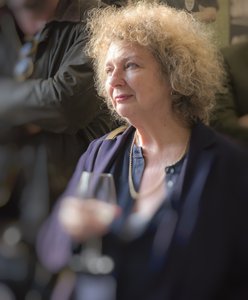
Marlene Dumas
1953 - , Południowa Afryka
Krótka nota
- Artistic Movement Or Style: Romanticizm, Malarstwo figuralne
- Artists Or Movements Influenced By This Artist: ['Contemporary painters']
- Artists Who Influenced This Artist:
- Egon Schiele
- Francis Bacon
- Date Of Birth: 1953
- Full Name: Marlene Dumas
- Nationality: Południowa Afryka
- Notable Artworks:
- Young Boys
- The Cover Up
- Snow Flake
- Suspect
- Feather Stola
- Place Of Birth: Cape Town, South Africa
Powiązane artykuły

Efemeryczne Wizje: Historia i Współczesna Praktyka Malarstwa Akwarelowego
Poznaj historię i techniki malarstwa akwarelowego! Odkryj inspiracje mistrzów, współczesne trendy oraz praktyczne porady dotyczące materiałów. Rozwiń swoją pasję z naszym przewodnikiem.

Efemeryczne Wizje: Historia i Emocjonalny Rezonans Malarstwa Akwarelowego
Odkryj fascynującą historię malarstwa akwarelowego! Poznaj techniki mistrzów, romantyczny nurt i współczesne trendy. Inspiracje do dekoracji wnętrz oraz możliwość personalizacji obrazów na OriginalUniqueArt.com.

Akwarela: Historia, Techniki i Współczesna Praktyka – Sztuka Wodnych Barw
Poznaj historię i techniki akwareli! Poradnik dla początkujących i inspiracje dla artystów. Dowiedz się więcej o materiałach, współczesnych trendach i jak zacząć malować akwarelami.

Ephemeral Visions: Exploring the Artistic Legacy & Nuances of Watercolor Painting
Explore the captivating world of watercolor painting! Discover its rich history, essential techniques, influential artists & collecting tips from art experts. A comprehensive guide for enthusiasts.

10 Legendarnych Akwareli, Które Zmieniły Sztukę. Inspiracje do Dekoracji Domu.
Odkryj 10 legendarnych akwareli Turner'a, Monet'a i innych mistrzów! Poznaj historie, techniki i inspiracje tych ponadczasowych dzieł. Reprodukcje obrazów najwyższej jakości na OriginalUniqueArt.com – idealne do dekoracji wnętrz.