Abstract Expressionism · 1947
Untitled (Mark Rothko, 1947)
Mark Rothko (1903–1970) stworzył Untitled. Dzieło pochodzi z 1947. Należy do nurtu Abstract Expressionism. Wykonano w technice Acrylic On Canvas. Wymiary to 96 × 53 cm.
- 1947
- Acrylic On Canvas
- 96 × 53 cm

 Podgląd w skali 1:1

 Ręcznie malowany obraz olejny
 Wyślij jako kartkę
 Udostępnij
 Karta informacyjna


 Pobierz obraz
 Podobne obiekty
 RTG
 Pokaz slajdów
 Pytania i odpowiedzi

 Statystyki
Untitled w skrócie
- Tytuł
- Untitled
- Artysta
- Mark Rothko (1903–1970)
- Miejsce urodzenia artysty
- Daugavpils, Łotwa
- Data powstania
- 1947
- Technika wykonania
- Acrylic On Canvas
- Wymiary
- 96 × 53 cm
- Epoka
- Modern
- Temat
- abstract, color field, emotion, tranquility, depth, layered
Co przedstawia Untitled?
A Window into the Soul: Exploring Mark Rothko’s 1947 Untitled Painting
This captivating work by Mark Rothko, created in 1947, exemplifies a pivotal moment in the artist's transition towards his signature Color Field style. Measuring 96 x 53 cm, this painting isn’t about *what* it depicts, but rather *how* it makes you feel – a hallmark of Abstract Expressionism and Rothko’s enduring legacy.Style & Technique: Gestural Abstraction and the Birth of Color Fields
The artwork is deeply rooted in Abstract Expressionism, specifically leaning towards gestural abstraction. Unlike purely abstract works that might emphasize geometric forms, this piece showcases a fluidity and spontaneity achieved through loose brushstrokes and washes of color. Rothko masterfully employs a wet-on-wet blending technique, allowing hues to seamlessly merge and create atmospheric depth. While reminiscent of the later, more defined Color Field paintings – like his iconic series of stacked rectangles – this 1947 work retains a greater textural variation, hinting at the emotional turmoil and experimentation that characterized his artistic evolution. The layering of paint creates a sense of movement within the composition, drawing the eye upwards through subtle shifts in tone and saturation.Historical Context: Post-War Emotion & Artistic Innovation
Created immediately after World War II, this painting reflects the anxieties and existential questioning prevalent during that era. Abstract Expressionism emerged as a response to the horrors of war, rejecting traditional representational art in favor of expressing raw emotion and subjective experience. Rothko, having immigrated from Latvia as a child, carried with him a sense of displacement and cultural shift which profoundly influenced his artistic vision. This period saw American artists seeking new ways to articulate universal human experiences – grief, hope, spirituality – through non-figurative forms.Symbolism & Emotional Resonance
While Rothko resisted explicit interpretations of his work, the painting undeniably evokes a powerful emotional response. The muted tones and lack of defined shapes contribute to a sense of tranquility tinged with melancholy. The amorphous, organic forms suggest hidden depths and invite introspection. It’s not about recognizing *something* in the painting; it's about allowing the colors and textures to resonate within you, prompting personal reflection. Rothko aimed to create paintings that were almost like spiritual experiences – spaces for contemplation and emotional release.Interior Design & Collecting Considerations
This piece, or a high-quality reproduction, would serve as a striking focal point in a modern or minimalist interior. Its subdued palette lends itself well to spaces seeking calm and sophistication. The vertical orientation makes it ideal for hallways or above seating areas. As an early example of Rothko’s evolving style, this work represents a significant investment for collectors interested in the development of Abstract Expressionism. It offers a glimpse into the artist's formative years and foreshadows the iconic Color Field paintings that would define his career.- Dimensions: 96 x 53 cm
- Date: 1947
- Style: Abstract Expressionism, Gestural Abstraction, Color Field (Proto)
- Materials: Likely oil or acrylic on canvas.
Zdjęcia w wysokiej rozdzielczości dzieła Untitled
Chronione prawem autorskim: obraz przedstawiono wyłącznie w celach informacyjnych.
Inne rozmiary, kadrowanie i cytowanie →Mark Rothko, Untitled (1947).
Odpowiedzi na pytania dotyczące Untitled
W którym roku powstało dzieło „Untitled” – Mark Rothko?
"Untitled" powstało w 1947 roku. Data ta pozwala umiejscowić dzieło w kontekście twórczości Mark Rothko oraz epoki, w której powstało.
Z jakiej techniki wykorzystano "Untitled"?
Mark Rothko wykorzystał/a technikę Acrylic On Canvas w pracy „Untitled”. Technika ta definiuje materię oryginalnego dzieła.
Jakie są wymiary oryginału "Untitled"?
Wymiary dzieła „Untitled” – Mark Rothko to 96 x 53 cm. Reprodukcje można zamówić w innych rozmiarach, zachowując te same proporcje.
Co przedstawia "Untitled"?
„Untitled” – Mark Rothko przedstawia: abstract, color field, emotion, tranquility, depth, layered, atmospheric, rothko.
Czy obraz „Untitled” – Mark Rothko można swobodnie reprodukować?
Status praw autorskich dla „Untitled” – Mark Rothko: dzieło znajduje się w nadal objęte ochroną prawa autorskiego. Określa to, czy reprodukcje obrazu mogą być sporządzane swobodnie.
Kto jest autorem dzieła "Untitled"?
Autorstwo dzieła "Untitled" przypisuje się Mark Rothko.
Do jakiego nurtu należy "Untitled"?
Nurt związany z „Untitled” – Mark Rothko to Abstract Expressionism. Ta klasyfikacja sytuuje dzieło wśród pokrewnych artystów i dzieł sztuki.
Do którego okresu twórczości Mark Rothko należy dzieło "Untitled"?
"Untitled" reprezentuje Mature Period twórczości Mark Rothko.
W jakim wieku Mark Rothko stworzył(a) "Untitled"?
Gdy w 1947 roku powstało dzieło „Untitled”, Mark Rothko – urodzony/a w 1903 – miał/a 44 lat.
O artyście: Mark Rothko

1903–1970, Łotwa
Mark Rothko
Wczesne lata życia Marka Rothko Mark Rothko urodził się w 1903 roku jako Markus Yakovlevich Rothkowitz. Jego korzenie sięgają Dwińska w Rosji, w miejscu znanym dziś jako Daugavpils w Łotwie. Jego rodzina żyła w obrębie Pasu Osadniczego, regionu naznaczonego niepokojami politycznymi i nieustannym cieniem pogromów. Ta atmosfera niestabilności towarzyszyła rodzinie również podczas emigracji do Stanów Zjednoczonych w 1913 roku.
Inne prace Mark Rothko
 White Center1950
 Bez. 1
 Nr 61 (Rdza i błękit)1953
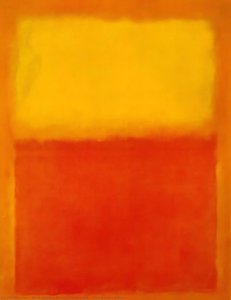 Pomarańczowy i żółty1956
Eseje o Untitled
 Trzy płótna, trzy emocje: Rola wyboru w kształtowaniu odbioru dzieła sztukiOdkryj fascynujący świat sztuki! Poznaj neuroestetyczne podstawy odbioru dzieł, wpływ kontekstu i techniki malarskiej na emocje. Analiza ob…
 Mark Rothko: 25 Arcydzieł Koloru i Emocji | Reprodukcje Obrazów | OriginalUniqueArt.comOdkryj 25 arcydzieł Marka Rothko – mistrza abstrakcji i koloru. Poznaj historie, techniki i emocje kryjące się za jego płótnami. Reprodukcj…
 The Architecture of Emotion: A Connoisseur’s Guide to the Chromatic Sublimity of Mark RothkoExplore the profound emotional landscapes of Mark Rothko. An expert editorial on Color Field painting, decoding the spiritual depth, techni…