Expressionism · 1941
Untitled (Mark Rothko, 1941)
Mark Rothko (1903–1970) stworzył Untitled. Dzieło pochodzi z 1941. Należy do nurtu Expressionism. Wykonano w technice Oil On Canvas. Wymiary to 102 × 81 cm.
- 1941
- Oil On Canvas
- 102 × 81 cm

 Podgląd w skali 1:1

 Ręcznie malowany obraz olejny
 Wyślij jako kartkę
 Udostępnij
 Karta informacyjna


 Pobierz obraz
 Podobne obiekty
 RTG
 Pokaz slajdów
 Pytania i odpowiedzi

 Statystyki
Untitled w skrócie
- Tytuł
- Untitled
- Artysta
- Mark Rothko (1903–1970)
- Miejsce urodzenia artysty
- Daugavpils, Łotwa
- Data powstania
- 1941
- Technika wykonania
- Oil On Canvas
- Wymiary
- 102 × 81 cm
- Ruch
- Expressionism
- Epoka
- Modern
- Temat
- man, faces, doorway, multiple heads, depth, perspective
Co przedstawia Untitled?
A Fragmented Presence
The canvas presents a figure that defies simple identification, a man whose very essence seems composed of disparate, overlapping elements. One might notice how his face is not a single entity but a collection of multiple faces, with features appearing on the left, center, and right sides of his head. Two eyes are positioned at opposite corners—one near the top-left and another toward the bottom-right—creating a disorienting sense of sight that pulls the viewer across the surface. Behind this figure, an open doorway provides a focal point, offering a glimpse into a space that suggests depth and perspective. The man’s body is placed directly in front of this threshold, anchoring the composition within a scene that feels both structured and surreal.The Language of Form and Shadow
Created in 1941, this work reflects a period of transition where recognizable subjects began to dissolve into more complex, biomorphic shapes. The technique relies on a careful arrangement of these fragmented parts to build a sense of volume and presence without relying on traditional portraiture. There is a quiet tension in the way the figure interacts with the architecture of the doorway. The painting uses these layered elements to explore themes of identity and the human condition during an era of profound global change. By presenting a face made of multiple perspectives, the work invites a slow, contemplative observation of how we perceive the self and the world around us.Zdjęcia w wysokiej rozdzielczości dzieła Untitled
Chronione prawem autorskim: pliki te służą wyłącznie do osobistego wglądu i nie stanowią licencji na ich powielanie.
Mark Rothko, Untitled (1941).
Odpowiedzi na pytania dotyczące Untitled
W którym roku powstało dzieło "Untitled"?
"Untitled" powstało w 1941 roku. Data ta pozwala umiejscowić dzieło w kontekście twórczości Mark Rothko oraz epoki, w której powstało.
W jakiej technice wykonano „Untitled” – Mark Rothko?
Mark Rothko wykorzystał/a technikę Oil On Canvas w pracy „Untitled”. Technika ta definiuje materię oryginalnego dzieła.
Jakie są rzeczywiste wymiary dzieła „Untitled” – Mark Rothko?
Wymiary dzieła „Untitled” – Mark Rothko to 102 x 81 cm. Reprodukcje można zamówić w innych rozmiarach, zachowując te same proporcje.
Co przedstawia "Untitled"?
„Untitled” – Mark Rothko przedstawia: man, faces, doorway, multiple heads, depth, perspective, surrealism.
Czy dzieło "Untitled" znajduje się w domenie publicznej?
Status praw autorskich dla „Untitled” – Mark Rothko: dzieło znajduje się w nadal objęte ochroną prawa autorskiego. Określa to, czy reprodukcje obrazu mogą być sporządzane swobodnie.
Kto stworzył "Untitled"?
„Untitled” zostało stworzone przez Mark Rothko. Informacje na tej stronie dotyczą oryginalnego dzieła autorstwa Mark Rothko.
Do jakiego nurtu artystycznego należy „Untitled” – Mark Rothko?
„Untitled” – Mark Rothko należy do nurtu Expressionism. Nurt ten stanowi stylistyczny kontekst dzieła.
Do którego okresu twórczości Mark Rothko należy dzieło „Untitled”?
"Untitled" reprezentuje Mature Period twórczości Mark Rothko.
Ile lat miał(a) Mark Rothko, tworząc "Untitled" w 1941 roku?
Gdy w 1941 roku powstało dzieło „Untitled”, Mark Rothko – urodzony/a w 1903 – miał/a 38 lat.
O artyście: Mark Rothko

1903–1970, Łotwa
Mark Rothko
Wczesne lata życia Marka Rothko Mark Rothko urodził się w 1903 roku jako Markus Yakovlevich Rothkowitz. Jego korzenie sięgają Dwińska w Rosji, w miejscu znanym dziś jako Daugavpils w Łotwie. Jego rodzina żyła w obrębie Pasu Osadniczego, regionu naznaczonego niepokojami politycznymi i nieustannym cieniem pogromów. Ta atmosfera niestabilności towarzyszyła rodzinie również podczas emigracji do Stanów Zjednoczonych w 1913 roku.
Inne prace Mark Rothko
 White Center1950
 Bez. 1
 Nr 61 (Rdza i błękit)1953
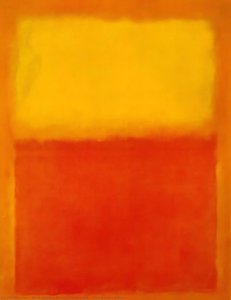 Pomarańczowy i żółty1956
Eseje o Untitled
 The Architecture of Emotion: A Connoisseur’s Guide to the Chromatic Sublimity of Mark RothkoExplore the profound emotional landscapes of Mark Rothko. An expert editorial on Color Field painting, decoding the spiritual depth, techni…
 Mastering Emotion: The Top 25 Most Iconic Mark Rothko ArtworksImmerse yourself in the profound emotion of Abstract Expressionism. Explore our curated guide to the top 25 Mark Rothko masterpieces, from …
 Color Fields of Calm: Transform Luxury Interiors with Minimalist Masterpiece ReproductionsElevate your luxury interiors with museum-quality Mark Rothko reproductions. Discover how hand-painted Color Field masterpieces bring profo…