Abstract Expressionism
Untitled 4 (Mark Rothko)
Mark Rothko (1903–1970) stworzył Untitled 4. Należy do nurtu Abstract Expressionism. Wykonano w technice Acrylic On Canvas.
- Acrylic On Canvas

 Podgląd w skali 1:1

 Ręcznie malowany obraz olejny
 Wyślij jako kartkę
 Udostępnij
 Karta informacyjna


 Pobierz obraz
 Podobne obiekty
 RTG
 Pokaz slajdów
 Pytania i odpowiedzi

 Statystyki
Untitled 4 w skrócie
- Tytuł
- Untitled 4
- Artysta
- Mark Rothko (1903–1970)
- Miejsce urodzenia artysty
- Daugavpils, Łotwa
- Technika wykonania
- Acrylic On Canvas
- Temat
- color field painting, geometric abstraction, emotional resonance, red hue, blue tone, texture depth
Co przedstawia Untitled 4?
A Symphony in Color: Exploring Mark Rothko’s No. 4
The painting known simply as “No. 4” by Mark Rothko is more than just pigment on canvas; it's an invitation into a realm of profound contemplation and emotional resonance. Created in 1964 during his prolific period, this monumental work embodies the core tenets of Rothko’s signature style – Color Field Painting – a movement that revolutionized abstract art and continues to captivate audiences worldwide.- Subject Matter: At first glance, “No. 4” presents itself as deceptively simple. It consists of five rectangular blocks of color—primarily deep crimson, cadmium orange, and slate blue—layered atop one another. These rectangles are not sharply delineated; instead, they bleed into each other subtly, creating an ethereal haze that obscures precise boundaries.
- Style: Rothko’s approach transcends mere representation. He eschewed traditional artistic conventions, rejecting illusionistic depth and perspective altogether. Instead, he sought to convey emotion directly through color alone—a radical departure from the prevailing aesthetic sensibilities of his time.
Historical Context: Minimalism and Existential Anxiety
“No. 4” emerged during a period marked by significant cultural upheaval. The rise of Minimalism in the mid-1960s challenged the dominance of figurative art, advocating for austere compositions and unadorned surfaces as expressions of intellectual seriousness. Simultaneously, anxieties surrounding nuclear proliferation and the Cold War fueled existential concerns about humanity’s place in the cosmos—themes that resonated deeply with Rothko's artistic vision. He wasn’t attempting to depict a specific scene or narrative; rather, he aimed to tap into universal human experiences – grief, joy, transcendence – feelings conveyed through pure color.Symbolism and Emotional Impact
Rothko deliberately avoided explicit symbolism, believing that color itself possessed inherent expressive power. However, scholars have interpreted the hues within “No. 4” as representing a spectrum of emotions—crimson symbolizing passion and vulnerability, orange conveying warmth and optimism, and blue embodying serenity and contemplation. The layering effect contributes to this emotional depth, suggesting an unfolding process of feeling rather than a static depiction. Viewing No. 4 is said to induce a state of calm introspection; it encourages the viewer to surrender to the painting's immersive quality and allow themselves to be carried away by its evocative beauty.A Legacy of Color
“No. 4” stands as a testament to Rothko’s unwavering commitment to exploring the expressive potential of color—a legacy that continues to inspire artists and collectors alike. Its enduring appeal lies in its ability to bypass intellectual analysis altogether, communicating directly with the viewer's subconscious mind. A high-quality reproduction captures not only the visual splendor of this masterpiece but also its profound emotional core – a reminder that art can transcend language and offer access to realms of feeling beyond words.Zdjęcia w wysokiej rozdzielczości dzieła Untitled 4

Chronione prawem autorskim: pliki te służą wyłącznie do osobistego wglądu i nie stanowią licencji na ich powielanie.
Mark Rothko, Untitled 4.
Odpowiedzi na pytania dotyczące Untitled 4
Z jakiej techniki wykorzystano "Untitled 4"?
Mark Rothko wykorzystał/a technikę Acrylic On Canvas w pracy „Untitled 4”. Technika ta definiuje materię oryginalnego dzieła.
Co przedstawia „Untitled 4” – Mark Rothko?
Tematyka obecna w „Untitled 4” – Mark Rothko obejmuje color field painting, geometric abstraction, emotional resonance, red hue, blue tone, texture depth, minimalist composition. Razem stanowią one podsumowanie tematyki dzieła.
Czy obraz „Untitled 4” – Mark Rothko można swobodnie reprodukować?
Status praw autorskich dla „Untitled 4” – Mark Rothko: dzieło znajduje się w nadal objęte ochroną prawa autorskiego. Określa to, czy reprodukcje obrazu mogą być sporządzane swobodnie.
Kto stworzył "Untitled 4"?
Autorstwo dzieła "Untitled 4" przypisuje się Mark Rothko.
Do jakiego nurtu artystycznego należy „Untitled 4” – Mark Rothko?
„Untitled 4” to dzieło należące do nurtu Abstract Expressionism. Nurt ten określa tradycję artystyczną, w której osadzone jest dzieło.
Do którego etapu twórczości Mark Rothko należy dzieło „Untitled 4”?
W dorobku artystycznym Mark Rothko dzieło „Untitled 4” przypada na Mature Period. Ten etap pozwala zestawić je z innymi pracami twórcy.
Czy dzieło „Untitled 4” autorstwa Mark Rothko znajduje się w domenie publicznej i dlaczego?
„Untitled 4” – Mark Rothko jest nadal objęte ochroną prawa autorskiego. Okres ochrony praw autorskich liczony jest od śmierci artysty, która nastąpiła w 1970.
Co łączy "Untitled 4" z resztą twórczości Mark Rothko?
W dorobku Mark Rothko, "Untitled 4" wpisuje się w styl Abstract Expressionism, nawiązując do tematów takich jak color theory, gestalt principles, existential angst, spiritual harmony, rothko legacy.
Czy "Untitled 4" wpisuje się w typową tematykę twórczości Mark Rothko?
Powracające motywy w twórczości Mark Rothko obejmują color theory, gestalt principles, existential angst, spiritual harmony, rothko legacy; „Untitled 4” koncentruje się na color field painting, geometric abstraction, emotional resonance, red hue, blue tone, texture depth, minimalist composition.
O artyście: Mark Rothko

1903–1970, Łotwa
Mark Rothko
Wczesne lata życia Marka Rothko Mark Rothko urodził się w 1903 roku jako Markus Yakovlevich Rothkowitz. Jego korzenie sięgają Dwińska w Rosji, w miejscu znanym dziś jako Daugavpils w Łotwie. Jego rodzina żyła w obrębie Pasu Osadniczego, regionu naznaczonego niepokojami politycznymi i nieustannym cieniem pogromów. Ta atmosfera niestabilności towarzyszyła rodzinie również podczas emigracji do Stanów Zjednoczonych w 1913 roku.
Inne prace Mark Rothko
 White Center1950
 Bez. 1
 Nr 61 (Rdza i błękit)1953
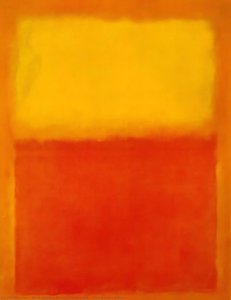 Pomarańczowy i żółty1956
Eseje o Untitled 4
 Abstract Expressionism vs. Pop Art: Distinguishing Emotion from IconographyMaster the shift from raw emotion to pop iconography with our expert art history guide. Explore the evolution of modern art today.
 The Soul of Color: Exploring the Emotional Depth and Existential Resonance of Mark Rothko's MasterpiecesImmerse yourself in the profound emotional landscapes of Mark Rothko. Explore how his revolutionary Color Field paintings use pure pigment …
 Mark Rothko: 25 Arcydzieł Koloru i Emocji | Reprodukcje Obrazów | OriginalUniqueArt.comOdkryj 25 arcydzieł Marka Rothko – mistrza abstrakcji i koloru. Poznaj historie, techniki i emocje kryjące się za jego płótnami. Reprodukcj…