Color Field · 1964
No. 5 (Mark Rothko, 1964)
Mark Rothko (1903–1970) stworzył No. 5. Dzieło pochodzi z 1964. Należy do nurtu Color Field. Wykonano w technice Acrylic On Canvas. Wymiary to 206 × 196 cm.
- 1964
- Acrylic On Canvas
- 206 × 196 cm

 Podgląd w skali 1:1

 Ręcznie malowany obraz olejny
 Wyślij jako kartkę
 Udostępnij
 Karta informacyjna


 Pobierz obraz
 Podobne obiekty
 RTG
 Pokaz slajdów
 Pytania i odpowiedzi

 Statystyki
No. 5 w skrócie
- Tytuł
- No. 5
- Artysta
- Mark Rothko (1903–1970)
- Miejsce urodzenia artysty
- Daugavpils, Łotwa
- Data powstania
- 1964
- Technika wykonania
- Acrylic On Canvas
- Wymiary
- 206 × 196 cm
- Ruch
- Color Field
- Epoka
- Modern
- Temat
- rothko, abstract, color field, square, black and white, canvas
Co przedstawia No. 5?
Mark Rothko’s ‘No. 5’: A Meditation on Darkness and Absence
Mark Rothko's "No. 5," painted in 1964, is not merely a canvas filled with color; it’s an intensely personal and profoundly moving exploration of human emotion and the weight of existence. This monumental work, measuring 206 x 196 cm, exemplifies Rothko’s signature style – large-scale rectangular blocks of saturated color that seem to bleed into one another, creating a hypnotic effect on the viewer. The painting's stark simplicity—a vast, dark square dominating the composition—immediately confronts us with an unsettling void, prompting contemplation about mortality, isolation, and the fundamental questions of human experience.
The Genesis of Color Field Painting
Created during a pivotal moment in art history, "No. 5" is inextricably linked to the rise of Color Field painting in the mid-20th century. Rothko, along with artists like Barnett Newman and Clyfford Still, rejected traditional representational forms, seeking instead to express profound emotional states through pure color. Influenced by Abstract Expressionism’s emphasis on subjective experience, Rothko developed a technique that involved layering thin washes of acrylic paint, allowing the colors to subtly shift and merge under layers of varnish. This process created an almost sculptural quality, emphasizing the materiality of the canvas itself.
Symbolic Weight and Existential Themes
Born in 1903 in Daugavpils, Latvia (then part of the Russian Empire), Mark Rothko’s life was marked by displacement and loss – experiences that deeply informed his artistic vision. The painting's dark square can be interpreted as a visual representation of this sense of void, reflecting the anxieties and uncertainties inherent in the human condition. Some scholars suggest the work is an exploration of trauma, referencing Rothko's own difficult childhood and the pervasive atmosphere of fear and instability he experienced growing up within a Jewish family during times of political unrest. The sheer scale of the canvas amplifies this feeling, enveloping the viewer in a space of quiet contemplation.
Technique and Emotional Impact
"No. 5" is a testament to Rothko’s mastery of color and texture. The subtle gradations within the dark blocks, achieved through meticulous layering and blending, create an illusion of depth and movement. The photograph captures this intricate detail perfectly, revealing the artist's deliberate control over light and shadow. The painting’s impact isn’t about visual spectacle; it’s about a deeply felt emotional response. Rothko aimed to evoke a sense of awe and vulnerability in the viewer, inviting them to confront their own mortality and grapple with the complexities of human existence. This reproduction offers an unparalleled opportunity to experience the power and beauty of this iconic work firsthand.
Zdjęcia w wysokiej rozdzielczości dzieła No. 5
Chronione prawem autorskim: pliki te służą wyłącznie do osobistego wglądu i nie stanowią licencji na ich powielanie.
Mark Rothko, No. 5 (1964).
Odpowiedzi na pytania dotyczące No. 5
W którym roku powstało „No. 5” – Mark Rothko?
„No. 5” – Mark Rothko powstało w 1964.
W jakiej technice wykonano „No. 5” – Mark Rothko?
Mark Rothko wykorzystał/a technikę Acrylic On Canvas w pracy „No. 5”. Technika ta definiuje materię oryginalnego dzieła.
Jakie są wymiary oryginalnego dzieła „No. 5” – Mark Rothko?
Oryginalny utwór „No. 5” – Mark Rothko ma wymiary 206 x 196 cm.
Co przedstawia „No. 5” – Mark Rothko?
Tematyka obecna w „No. 5” – Mark Rothko obejmuje rothko, abstract, color field, square, black and white, canvas, mark rothko. Razem stanowią one podsumowanie tematyki dzieła.
Czy dzieło "No. 5" znajduje się w domenie publicznej?
Status praw autorskich dla „No. 5” – Mark Rothko: dzieło znajduje się w nadal objęte ochroną prawa autorskiego. Określa to, czy reprodukcje obrazu mogą być sporządzane swobodnie.
Któremu artyście przypisuje się "No. 5"?
Autorstwo dzieła "No. 5" przypisuje się Mark Rothko.
Do jakiego nurtu w sztuce należy „No. 5” – Mark Rothko?
Nurt związany z „No. 5” – Mark Rothko to Color Field. Ta klasyfikacja sytuuje dzieło wśród pokrewnych artystów i dzieł sztuki.
Do którego okresu twórczości Mark Rothko należy dzieło „No. 5”?
W dorobku artystycznym Mark Rothko dzieło „No. 5” przypada na Mature Period. Ten etap pozwala zestawić je z innymi pracami twórcy.
Ile lat miał Mark Rothko, gdy powstało dzieło „No. 5”?
Mark Rothko miał 61 lat w momencie powstania „No. 5” w 1964. Wiek ten obliczono na podstawie roku urodzenia artysty, 1903.
O artyście: Mark Rothko

1903–1970, Łotwa
Mark Rothko
Wczesne lata życia Marka Rothko Mark Rothko urodził się w 1903 roku jako Markus Yakovlevich Rothkowitz. Jego korzenie sięgają Dwińska w Rosji, w miejscu znanym dziś jako Daugavpils w Łotwie. Jego rodzina żyła w obrębie Pasu Osadniczego, regionu naznaczonego niepokojami politycznymi i nieustannym cieniem pogromów. Ta atmosfera niestabilności towarzyszyła rodzinie również podczas emigracji do Stanów Zjednoczonych w 1913 roku.
Inne prace Mark Rothko
 White Center1950
 Bez. 1
 Nr 61 (Rdza i błękit)1953
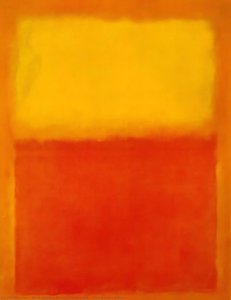 Pomarańczowy i żółty1956
Eseje o No. 5
 Color Fields of Calm: Transform Luxury Interiors with Minimalist Masterpiece ReproductionsElevate your luxury interiors with museum-quality Mark Rothko reproductions. Discover how hand-painted Color Field masterpieces bring profo…
 The Soul of Color: Exploring the Emotional Depth and Existential Resonance of Mark Rothko's MasterpiecesImmerse yourself in the profound emotional landscapes of Mark Rothko. Explore how his revolutionary Color Field paintings use pure pigment …
 Mark Rothko: 25 Arcydzieł Koloru i Emocji | Reprodukcje Obrazów | OriginalUniqueArt.comOdkryj 25 arcydzieł Marka Rothko – mistrza abstrakcji i koloru. Poznaj historie, techniki i emocje kryjące się za jego płótnami. Reprodukcj…