Color Field Painting · 1964
No. 2 (Mark Rothko, 1964)
Mark Rothko (1903–1970) stworzył No. 2. Dzieło pochodzi z 1964. Należy do nurtu Color Field Painting. Wykonano w technice Oil On Canvas. Wymiary to 267 × 203 cm.
- 1964
- Oil On Canvas
- 267 × 203 cm

 Podgląd w skali 1:1

 Ręcznie malowany obraz olejny
 Wyślij jako kartkę
 Udostępnij
 Karta informacyjna


 Pobierz obraz
 Podobne obiekty
 RTG
 Pokaz slajdów
 Pytania i odpowiedzi

 Statystyki
No. 2 w skrócie
- Tytuł
- No. 2
- Artysta
- Mark Rothko (1903–1970)
- Miejsce urodzenia artysty
- Daugavpils, Łotwa
- Data powstania
- 1964
- Technika wykonania
- Oil On Canvas
- Wymiary
- 267 × 203 cm
- Epoka
- Modern
- Temat
- minimalism, geometric abstraction, emotion, color palette, scale, depth
Co przedstawia No. 2?
A Meditation in Gray: The Ethereal Depth of Rothko’s No. 2
In the vast landscape of Abstract Expressionism, few works command the room with such quiet, monumental authority as Mark Rothko’s No. 2. Completed in 1964, this masterpiece serves as a profound cornerstone of Color Field Painting, inviting the viewer into a realm where color transcends mere pigment to become an emotional experience. The composition is deceptively simple, presenting two rectangular blocks of muted gray hues stacked vertically against a darker, more somber background. Yet, beneath this minimalist surface lies a complex interplay of light and shadow that demands a slow, contemplative gaze.
The power of No. 2 resides in its ability to evoke an atmosphere of stillness. There is no representational imagery to distract the eye, no recognizable figures to anchor the mind; instead, Rothko directs our attention toward the pure materiality of color itself. The grayscale palette is meticulously calibrated, offering a spectrum of tones that suggest a sense of depth and luminosity without the need for traditional perspective. As one stands before this large-scale canvas, the soft edges of the rectangles seem to vibrate, creating a sensation that the forms are hovering like mist or receding into an infinite void.
Technique and the Architecture of Emotion
To understand the mesmerizing quality of No. 2, one must consider the artist's meticulous technique. Rothko did not simply apply paint to canvas; he built layers of atmosphere. By utilizing thin washes of oil and acrylic media, he achieved a delicate translucency that allows light to appear as if it is emanating from within the work itself. This method of layering—often referred to as veiling—creates subtle tonal gradations that blur the boundaries between shapes, contributing to the painting's characteristic sense of atmospheric depth.
This technical mastery serves a deeper symbolic purpose. Emerging from the post-war era, a period marked by existential anxiety and a search for meaning, No. 2 reflects a broader artistic preoccupation with the fundamental human experience. While some critics have interpreted the stark, geometric forms as representations of the void or the absence of form—symbolizing the anxieties of mortality—Rothko himself sought to evoke feelings of transcendence and spiritual communion. For the collector or the interior designer, this work offers more than just a sophisticated aesthetic; it provides a focal point for introspection, a sanctuary of calm that can transform a space into a site of profound psychological resonance.
Zdjęcia w wysokiej rozdzielczości dzieła No. 2
Chronione prawem autorskim: pliki te służą wyłącznie do osobistego wglądu i nie stanowią licencji na ich powielanie.
Mark Rothko, No. 2 (1964).
Odpowiedzi na pytania dotyczące No. 2
W którym roku powstało dzieło „No. 2” – Mark Rothko?
Powstanie „No. 2” – Mark Rothko datuje się na 1964.
W jakiej technice wykonano „No. 2” – Mark Rothko?
Mark Rothko wykorzystał/a technikę Oil On Canvas w pracy „No. 2”. Technika ta definiuje materię oryginalnego dzieła.
Jakie są rzeczywiste wymiary dzieła „No. 2” – Mark Rothko?
Wymiary dzieła „No. 2” – Mark Rothko to 267 x 203 cm. Reprodukcje można zamówić w innych rozmiarach, zachowując te same proporcje.
Co przedstawia "No. 2"?
Tematyka obecna w „No. 2” – Mark Rothko obejmuje minimalism, geometric abstraction, emotion, color palette, scale, depth, contemplation. Razem stanowią one podsumowanie tematyki dzieła.
Czy obraz „No. 2” – Mark Rothko można swobodnie reprodukować?
„No. 2” – Mark Rothko znajduje się w domenie publicznej (nadal objęte ochroną prawa autorskiego). Status ten określa zasady reprodukcji obrazu tego dzieła.
Kto stworzył "No. 2"?
„No. 2” zostało stworzone przez Mark Rothko. Informacje na tej stronie dotyczą oryginalnego dzieła autorstwa Mark Rothko.
Do jakiego nurtu należy "No. 2"?
„No. 2” – Mark Rothko należy do nurtu Color Field Painting. Nurt ten stanowi stylistyczny kontekst dzieła.
Do którego okresu twórczości Mark Rothko należy dzieło "No. 2"?
„No. 2” pochodzi z okresu Mature Period w twórczości Mark Rothko. Klasyfikacja ta wiąże dzieło z rozwojem artysty.
W jakim wieku Mark Rothko stworzył(a) "No. 2"?
Mark Rothko stworzył/a "No. 2" w wieku 61 lat. Artysta urodził/a się w 1903, a datowanie dzieła to 1964.
O artyście: Mark Rothko

1903–1970, Łotwa
Mark Rothko
Wczesne lata życia Marka Rothko Mark Rothko urodził się w 1903 roku jako Markus Yakovlevich Rothkowitz. Jego korzenie sięgają Dwińska w Rosji, w miejscu znanym dziś jako Daugavpils w Łotwie. Jego rodzina żyła w obrębie Pasu Osadniczego, regionu naznaczonego niepokojami politycznymi i nieustannym cieniem pogromów. Ta atmosfera niestabilności towarzyszyła rodzinie również podczas emigracji do Stanów Zjednoczonych w 1913 roku.
Inne prace Mark Rothko
 White Center1950
 Bez. 1
 Nr 61 (Rdza i błękit)1953
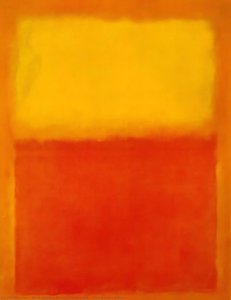 Pomarańczowy i żółty1956
Eseje o No. 2
 Mark Rothko: 25 Arcydzieł Koloru i Emocji | Reprodukcje Obrazów | OriginalUniqueArt.comOdkryj 25 arcydzieł Marka Rothko – mistrza abstrakcji i koloru. Poznaj historie, techniki i emocje kryjące się za jego płótnami. Reprodukcj…
 The Architecture of Emotion: A Connoisseur’s Guide to the Chromatic Sublimity of Mark RothkoExplore the profound emotional landscapes of Mark Rothko. An expert editorial on Color Field painting, decoding the spiritual depth, techni…
 Chromatic Atmospheres: The Psychological Impact of Minimalist Color Field Reproductions in Luxury Villa InteriorsDiscover the profound psychological impact of minimalist Color Field paintings for luxury villas. Explore Rothko & curated art reproduction…