Color Field
Horizontal Vision (Mark Rothko)
Mark Rothko (1903–1970) stworzył Horizontal Vision. Należy do nurtu Color Field. Wykonano w technice Oil On Canvas.
- Oil On Canvas

 Podgląd w skali 1:1

 Ręcznie malowany obraz olejny
 Wyślij jako kartkę
 Udostępnij
 Karta informacyjna


 Pobierz obraz
 Podobne obiekty
 RTG
 Pokaz slajdów
 Pytania i odpowiedzi

 Statystyki
Horizontal Vision w skrócie
- Tytuł
- Horizontal Vision
- Artysta
- Mark Rothko (1903–1970)
- Miejsce urodzenia artysty
- Daugavpils, Łotwa
- Technika wykonania
- Oil On Canvas
- Ruch
- Color Field
- Epoka
- Modern
- Temat
- color blocks, geometric shapes, red hue, minimalism, emotional resonance, bowl composition
Co przedstawia Horizontal Vision?
A Symphony of Crimson and Light
To stand before Mark Rothko’s “Horizontal Vision” is to step away from the clamor of the physical world and enter a sanctuary of pure, unadulterated emotion. Painted in 1946, this masterpiece serves as a profound cornerstone of the Abstract Expressionist movement, a period when artists sought to strip away the superficiality of representation to uncover the raw essence of the human condition. The canvas does not present a landscape or a figure; instead, it offers a meditative expanse where color itself becomes the protagonist. Through its layered, luminous rectangles, the work invites a silent dialogue between the viewer and the infinite, making it an unparalleled centerpiece for any collection dedicated to contemplative beauty.
The composition is deceptively simple, yet its complexity lies in the subtle vibrations of its palette. Rothko utilizes a mesmerizing arrangement of horizontal bands—deep crimsons, warm oranges, and muted yellows—that seem to float upon one another. There are no hard edges here; rather, the boundaries between colors are soft and atmospheric, achieved through his signature technique of “gypsy staining.” By applying thin, translucent washes of pigment, Rothko allowed each layer to bleed into the next, creating a sense of breathing depth. This meticulous layering produces a hazy, ethereal glow, as if the light is emanating from within the canvas itself rather than reflecting off its surface.
The Architecture of Emotion and Spirit
Beyond its visual splendor, “Horizontal Vision” is steeped in the spiritual and historical tensions of the post-World War II era. Emerging from a period of global trauma, Rothko sought to bypass the rational mind and speak directly to the primal soul. Influenced by the meditative stillness of Zen Buddhism, his work functions as a visual prayer. The tension between the warm, advancing reds and the receding shadows creates a rhythmic pulse, a visual heartbeat that draws the eye into a state of deep reflection. For the collector or interior designer, this painting offers more than mere decoration; it provides an emotional anchor, a way to infuse a space with a sense of profound stillness and intellectual weight.
For those seeking to integrate such a powerful work into a modern environment, a high-quality reproduction allows the transformative power of Rothko’s vision to become a permanent fixture of the home. Whether placed in a minimalist gallery-style living room or a quiet study, the painting acts as a window into an internal landscape. It challenges the viewer to look past the surface and find meaning in the absence of form, proving that even in the lack of recognizable imagery, there is a wealth of narrative, history, and soul to be discovered.
Zdjęcia w wysokiej rozdzielczości dzieła Horizontal Vision
Protected by copyright: these files are for personal reference, not a licence to republish.
Mark Rothko, Horizontal Vision.
Odpowiedzi na pytania dotyczące Horizontal Vision
W jakiej technice wykonano „Horizontal Vision” – Mark Rothko?
Mark Rothko wykorzystał/a technikę Oil On Canvas w pracy „Horizontal Vision”. Technika ta definiuje materię oryginalnego dzieła.
Co przedstawia „Horizontal Vision” – Mark Rothko?
„Horizontal Vision” – Mark Rothko przedstawia: color blocks, geometric shapes, red hue, minimalism, emotional resonance, bowl composition, rothko style.
Czy dzieło "Horizontal Vision" znajduje się w domenie publicznej?
Status praw autorskich dla „Horizontal Vision” – Mark Rothko: dzieło znajduje się w nadal objęte ochroną prawa autorskiego. Określa to, czy reprodukcje obrazu mogą być sporządzane swobodnie.
Któremu artyście przypisuje się "Horizontal Vision"?
Autorstwo dzieła "Horizontal Vision" przypisuje się Mark Rothko.
Do jakiego nurtu w sztuce należy „Horizontal Vision” – Mark Rothko?
Nurt związany z „Horizontal Vision” – Mark Rothko to Color Field. Ta klasyfikacja sytuuje dzieło wśród pokrewnych artystów i dzieł sztuki.
Do którego etapu twórczości Mark Rothko należy dzieło „Horizontal Vision”?
"Horizontal Vision" reprezentuje Mature twórczości Mark Rothko.
Z czego wynika obecny status praw autorskich dzieła "Horizontal Vision"?
„Horizontal Vision” – Mark Rothko jest nadal objęte ochroną prawa autorskiego. Okres ochrony praw autorskich liczony jest od śmierci artysty, która nastąpiła w 1970.
Co łączy "Horizontal Vision" z resztą twórczości Mark Rothko?
W dorobku Mark Rothko, "Horizontal Vision" wpisuje się w styl Color Field, nawiązując do tematów takich jak color field expression, existential minimalism, emotional depth exploration, rothko’s formal legacy, central composition motif.
Czy "Horizontal Vision" wpisuje się w typową tematykę twórczości Mark Rothko?
„Horizontal Vision” przedstawia color blocks, geometric shapes, red hue, minimalism, emotional resonance, bowl composition, rothko style, podczas gdy powracające motywy u Mark Rothko to color field expression, existential minimalism, emotional depth exploration, rothko’s formal legacy, central composition motif. Porównanie tych dwóch elementów ukazuje, jak dzieło nawiązuje do typowej dla tego artysty tematyki.
O artyście: Mark Rothko

1903–1970, Łotwa
Mark Rothko
Wczesne lata życia Marka Rothko Mark Rothko urodził się w 1903 roku jako Markus Yakovlevich Rothkowitz. Jego korzenie sięgają Dwińska w Rosji, w miejscu znanym dziś jako Daugavpils w Łotwie. Jego rodzina żyła w obrębie Pasu Osadniczego, regionu naznaczonego niepokojami politycznymi i nieustannym cieniem pogromów. Ta atmosfera niestabilności towarzyszyła rodzinie również podczas emigracji do Stanów Zjednoczonych w 1913 roku.
Inne prace Mark Rothko
 White Center1950
 Bez. 1
 Nr 61 (Rdza i błękit)1953
 Pomarańczowy i żółty1956
Eseje o Horizontal Vision
 The Architecture of Emotion: A Connoisseur’s Guide to the Chromatic Sublimity of Mark RothkoExplore the profound emotional landscapes of Mark Rothko. An expert editorial on Color Field painting, decoding the spiritual depth, techni…
 Beyond the Canvas: A Definitive Guide to Abstract Expressionism, Action Painting, and Color Field MastersExplore the profound history of Abstract Expressionism, from the visceral energy of Action Painting to the serene depth of Color Field mast…
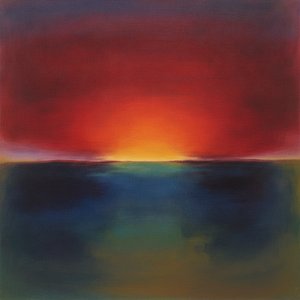 Color & Emotion: The Top 25 Masterpieces by Mark RothkoImmerse yourself in the profound emotion of Mark Rothko's greatest works. Explore 25 iconic Abstract Expressionist masterpieces, from color…