

 Podgląd w skali 1:1
 Wyślij jako kartkę
 Udostępnij
 Szczegóły dzieła
 Przewodnik

 Pobierz obraz
 Podobne obiekty
 RTG
RTG Pokaz slajdów
 Statystyki
Rabbi and Rabbitzin
 Oil
Oil- WallArt
- Post-Impressionism
 1914
1914- Modern
 48.0 x 37.0 cm
 Ben Uri Gallery and Museum
 Rozwiń treść
Giclée / Wydruk artystyczny
Wydruki giclée lub płótna o jakości muzealnej, szybka realizacja i szeroki wybór opcji wykończenia. ( Zamów ręcznie malowaną reprodukcję Przejdź do wersji cyfrowej)




P118B zł10

P118H zł10

P118W zł10

P438Z zł10

P508JH zł12

P508YH zł12

P805H zł10

P805Z zł10

P919BZ zł10

P919G zł10

P919XJ zł10

P959ZH zł10

P968JZ zł12

W106C zł8

W218G zł10

W218JH zł8

W218Y zł10

W307PJ zł10

W316G zł10

W316PJ zł8

W316Y zł10

W398PJ zł8

W4111J zł10

W500HY zł15

W500JH zł15

W692G zł12

W849H zł8

W940BG zł15

W953PJ zł8




Wybierz spośród naszych standardowych rozmiarów, które zachowują oryginalne proporcje dzieła sztuki.

Wpisz wymaganą szerokość i wysokość, aby dopasować grafikę do ramy lub ściany. Wydruk można jedynie przyciąć, nigdy nie powiększając go poza oryginalny obraz, dlatego format o innych proporcjach spowoduje utratę części kompozycji. Przed rozpoczęciem druku prześlemy Ci cyfrowy podgląd do zatwierdzenia. Obraz wyświetlany na tej stronie nie pokazuje rzeczywistego przycięcia — jedynie podgląd oddaje ten efekt.
Dostawa na cały świat () w ciągu 2 tygodni zamiast standardowych 4/5 tygodni. (25 Październik)

Bezpłatna ekspresowa wysyłka na cały świat

Wysokiej jakości płótno lniane

Pełne ubezpieczenie przesyłki

Gwarancja zwrotu należności celnych i podatków importowych

Gwarancja wiernego odwzorowania kolorów

100-dniowa polityka zwrotów (tylko w przypadku wad)

Gwarancja 100% zwrotu pieniędzy

Zniżka przy zakupie wielu sztuk
 Opcja ze szkłem jest dostępna wyłącznie w rozmiarach poniżej 110 cm

Rabbi and Rabbitzin
Giclée / Wydruk artystyczny
Wymiary reprodukcji
-


Cena całkowita
zł 307
A Glimpse into the Soul of Spitalfields
In the quiet, evocative depths of Mark Gertler’s 1914 masterpiece, Rabbi and Rabbitzin, we are invited into a moment of profound stillness that transcends the boundaries of time. Painted during a pivotal era when the artist was beginning to move beyond his formal training at the Slade School, this work serves as a poignant window into a world of tradition and intimacy. The painting presents us with a man and a woman standing in close proximity before a table laden with the humble artifacts of daily life—cups, bowls, and a solitary knife. There is an undeniable gravity to their presence; the man, adorned with a hat and a flowing white beard, carries the weight of wisdom and heritage, while the woman’s steady gaze connects the viewer directly to the heart of the scene. Through Gertler's lens, a simple gathering is elevated to something much more significant, capturing the quiet dignity found within communal rituals.
The composition is masterfully balanced, utilizing a technique that leans into the burgeoning experimentalism of early Modernism. While the subjects are anchored by a certain formal rigidity, there is a soft, rhythmic quality to the arrangement of objects on the table that guides the eye across the canvas. Gertler employs a palette that feels both grounded and atmospheric, using light to sculpt the figures and imbue them with a sculptural permanence. The background, featuring shadowy, less defined figures, creates a sense of depth and social context, suggesting that while our protagonists are the focal point, they are part of a larger, breathing tapestry of community life. This interplay between the sharp focus on the central pair and the ethereal quality of the surrounding space creates a captivating tension that keeps the viewer perpetually engaged.
For the discerning collector or interior designer, Rabbi and Rabbitzin offers much more than mere decoration; it provides an emotional anchor for any curated space. The painting’s symbolism—the shared table, the ritualistic objects, and the stoic expressions—speaks to themes of continuity, heritage, and the sanctity of the domestic sphere. It is a piece that commands attention through its subtlety rather than through loud or jarring colors. When rendered as a high-quality hand-painted reproduction, the textures of the brushwork and the nuanced transitions of tone are preserved, allowing the artwork to breathe life into a room. Whether placed in a sophisticated study, a contemporary living area, or a gallery-style hallway, this work serves as a conversation starter, inviting contemplation on the beauty of tradition and the enduring power of the human portrait.
Pytania i odpowiedzi
Jaki nastrój emocjonalny budzi „Rabbi and Rabbitzin” – Mark Gertler?
Emocjonalny ton przypisany do „Rabbi and Rabbitzin” – Mark Gertler to Somber. Oddaje on emocje, jakie wyraża to dzieło.
W którym roku powstało dzieło „Rabbi and Rabbitzin” – Mark Gertler?
Powstanie „Rabbi and Rabbitzin” – Mark Gertler datuje się na 1914.
Jakie umiejscowienie najlepiej pasuje do formatu dzieła „Rabbi and Rabbitzin” – Mark Gertler?
Format (Portrait) oraz rekomendowana przestrzeń (Dining Room) to dwa parametry dotyczące rozmieszczenia dzieła „Rabbi and Rabbitzin” – Mark Gertler.
Biografia artysty
Early Life and Career
Mark Gertler (born Marks Gertler; December 9, 1891), a British painter of figure subjects, portraits, and still-life, was born in Spitalfields, London. His early life and relationship with Dora Carrington were the inspiration for Gilbert Cannan’s novel Mendel. Gertler's forename was anglicised from "marks" to "mark" in 1896, when his family joined his father in London. Gertler showed signs of a great talent for drawing from an early age. He enrolled in art classes at Regent Street Polytechnic in 1906 but was forced to drop out due to poverty. In 1908, he began working as an apprentice at Clayton & Bell, a stained glass company, while attending evening classes at the polytechnic. This formative experience instilled in him a meticulous attention to detail and a fascination with capturing light and texture—qualities that would become hallmarks of his artistic style.Rise to Prominence and Notable Works
Gertler’s career took off when he was placed third in a national art competition in 1908. He then enrolled at Slade School of Art in London, where he became a contemporary of notable artists like Paul Nash, Edward Wadsworth, and Sir Stanley Spencer. His patrons included Lady Ottoline Morrell, who introduced him to Walter Sickert, the leader of the Camden Town Group—a collective known for its bold experimentation with color and form. Gertler’s success as a painter of society portraits was short-lived due to his temperamental nature and unwavering dedication to pursuing his artistic vision independently, resulting in considerable personal frustration and financial hardship. Despite these challenges, he persevered, producing works that continue to resonate with viewers today. Among his most celebrated paintings are *Still Life with Self Portrait*, a masterful depiction of self-reflection rendered in muted hues; *The Basket of Fruit*, *Peaches and Green Bottle*, and *Violin Case and Flowers*, each showcasing Gertler’s distinctive approach to capturing the beauty of everyday objects—a technique influenced by Impressionism and foreshadowing developments in Modern Art.Influences and Artistic Style
Gertler's artistic style was profoundly shaped by Post-Impressionist painters such as Vincent van Gogh and Paul Cézanne, particularly their expressive use of color and distorted forms. He absorbed the lessons of these masters, adapting them to his own sensibilities and developing a unique visual language characterized by subtle tonal gradations and an understated elegance. Gertler’s canvases often convey a sense of melancholy and introspection—themes that reflect his personal experiences and philosophical concerns. His meticulous observation of nature combined with a deliberate simplification of form resulted in images that are both visually striking and emotionally resonant.Legacy and Burial
Mark Gertler's life was marked by considerable adversity, including poverty and unfulfilled romantic aspirations. He died on June 23, 1939, and was buried at Willesden Jewish Cemetery, where many other prominent figures from London’s Jewish community rest alongside him—a testament to his enduring contribution to British art history. His work continues to be studied and admired for its expressive power and artistic innovation, securing his place as one of the most important artists of the early 20th century. Explore more of Mark Gertler's oeuvre on OriginalUniqueArt: mark gertler | 127 artworks Discover other artists and their stories on OriginalUniqueArt: the greatest artists painters of all time
Mark Gertler
1891 - 1939 , Wielka Brytania
Krótka nota
- Artistic Movement Or Style: Post-Impressionism, Early Modernism
- Artists Who Influenced This Artist:
- Walter Sickert
- Paul Nash
- Edward Wadsworth
- Date Of Birth: December 9, 1891
- Date Of Death: June 23, 1939
- Full Name: Mark Gertler
- Nationality: British
- Notable Artworks:
- Still Life with Self Portrait
- Basket of Fruit
- Peaches and Green Bottle
- Violin Case and Flowers
- Place Of Birth: London, United Kingdom
Powiązane artykuły
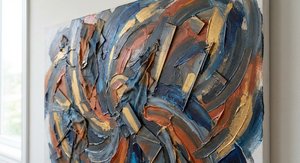
Poza Reprezentacją: Eksploracja Rezonansu Emocjonalnego i Formalnych Innowacji w Sztuce Abstrakcyjnej
Odkryj fascynujący świat sztuki abstrakcyjnej z OriginalUniqueArt! Eksperckie analizy, historia nurtu, inspiracje do wnętrz i możliwość zakupu unikalnych dzieł. Znajdź idealny obraz dla siebie.

Beyond Representation: Emotional Resonance & Formal Innovation in Abstract Painting
Explore the profound emotional depth & formal innovations of abstract painting. Discover key artists like Rothko & Kandinsky, understand art collecting insights, and elevate your space with timeless masterpieces. Expert analysis for discerning collectors.
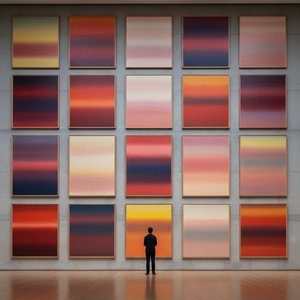
Mark Rothko: 25 Arcydzieł Koloru i Emocji | Reprodukcje Obrazów | OriginalUniqueArt.com
Odkryj 25 arcydzieł Marka Rothko – mistrza abstrakcji i koloru. Poznaj historie, techniki i emocje kryjące się za jego płótnami. Reprodukcje obrazów najwyższej jakości na OriginalUniqueArt.com. Eksploruj kolekcję online!

Mark Gertler: Modern Anxiety & British Vorticism – A Life Painted with Context
Explore the life & art of Mark Gertler, a key figure in British Vorticism. Discover his poignant portraits, Bloomsbury connections, and enduring legacy. Expert analysis & high-quality reproductions at OriginalUniqueArt.
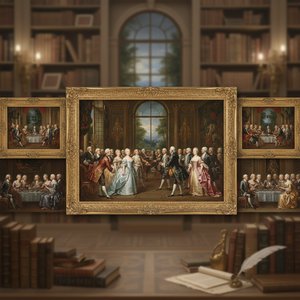
Capturing Elegance: The Art of the Formal Gathering in Masterpiece Paintings
Explore the timeless elegance of formal gatherings through the lens of art history. Discover how master painters captured social grace, status, and atmosphere in iconic group portraits and ballroom scenes.