
 Podgląd w skali
 Wyślij jako kartkę
 Udostępnij
 Szczegóły dzieła

 Pobierz
 Podobne obiekty
 RTG
RTG Pokaz slajdów
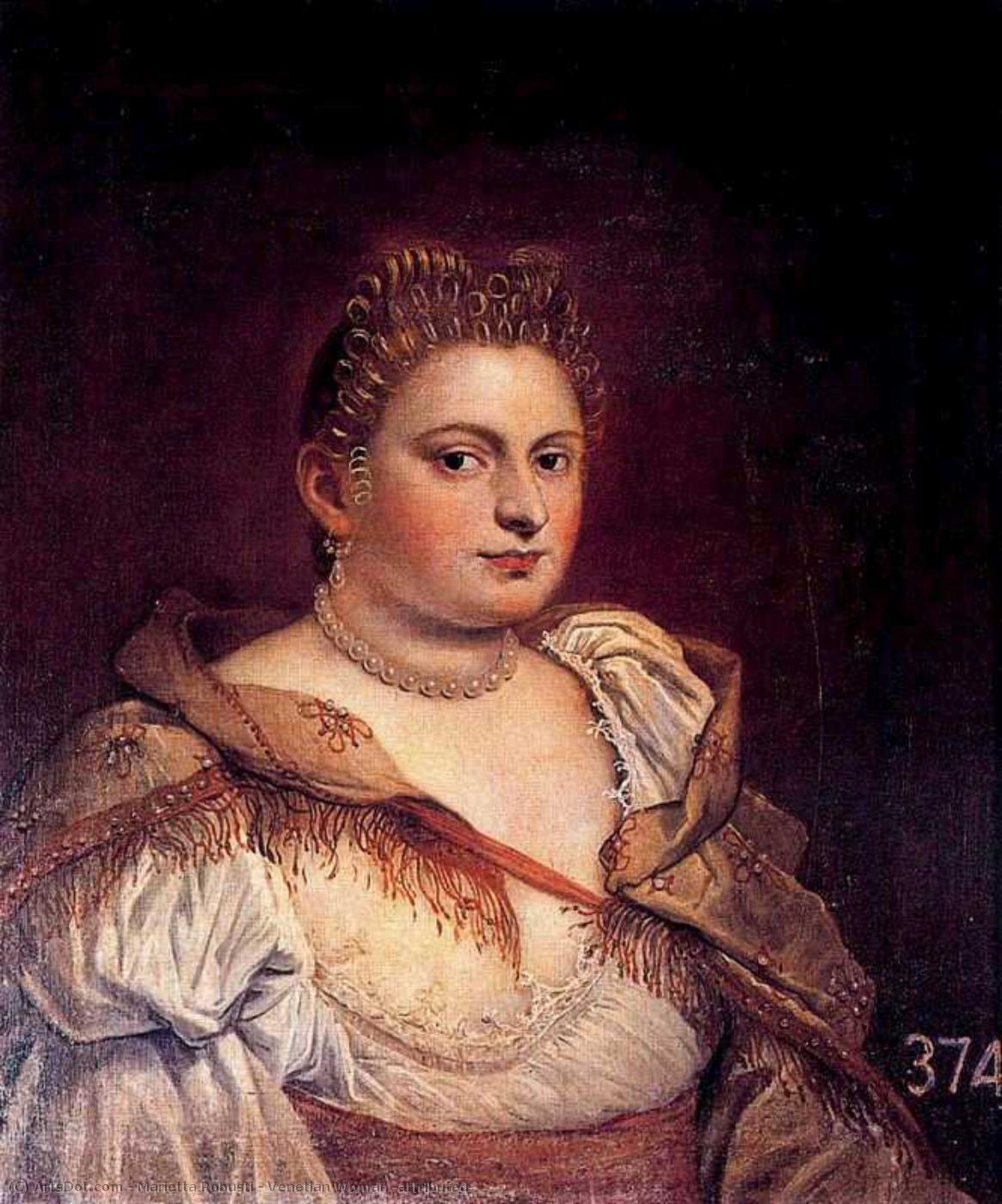
Venetian Woman (attributed)


 Rozwiń treść
Ręcznie malowana reprodukcja olejowa
Ręcznie malowany obraz olejny na płótnie, wykonany na zamówienie przez naszych artystów w wybranym przez Ciebie wymiarze i oprawie. ( Zamów wydruk Kup obraz wysokiej rozdzielczości)




P118B $10

P118H $10

P118W $10

P438Z $10

P508JH $12

P508YH $12

P805H $10

P805Z $10

P919BZ $10

P919G $10

P919XJ $10

P959ZH $10

P968JZ $12

W106C $8

W218G $10

W218JH $8

W218Y $10

W307PJ $10

W316G $10

W316PJ $8

W316Y $10

W398PJ $8

W4111J $10

W500HY $15

W500JH $15

W692G $12

W849H $8

W940BG $15

W953PJ $8




Wybierz spośród naszych standardowych rozmiarów, które zachowują oryginalne proporcje dzieła sztuki.

Możesz wprowadzić własne wymiary, aby dopasować obraz do konkretnej ramy lub przestrzeni. Jeśli wybrany rozmiar nie będzie odpowiadał proporcjom oryginału, przytniecie dzieło sztuki lub rozszerzymy je o dodatkowe elementy, ręcznie domalowane przez artystę. Przed rozpoczęciem produkcji wyślemy projekt cyfrowy do Twojej akceptacji.
Należy pamiętać, że podgląd na ekranie nie odzwierciedla rzeczywistego przycinania ani rozszerzania obrazu. Tylko projekt dokładnie pokaże ostateczną kompozycję.
Choć oferujemy możliwość zamówienia niestandardowych rozmiarów, zalecamy wybór wymiaru z gotowej listy, aby zachować oryginalne proporcje dzieła.
Po złożeniu zamówienia zespół OriginalUniqueArt.com skontaktuje się z klientem drogą mailową w celu uzyskania instrukcji i prześle wizualizację projektu
Dostawa na całym świecie () w ciągu 3–4 tygodni zamiast standardowych 5 tygodni. (19 Sierpień). Bez kompromisów w kwestii jakości.

Bezpłatna ekspresowa wysyłka na cały świat

Wysokiej jakości płótno lniane

Pełne ubezpieczenie przesyłki

Gwarancja zwrotu należności celnych i podatków importowych

Gwarancja wiernego odwzorowania kolorów

Polityka 60-dniowego zwrotu (tylko w przypadku wad)

Gwarancja 100% zwrotu kosztów

Zniżka przy zamówieniu wielu produktów
 Opcja ze szkłem jest dostępna wyłącznie w rozmiarach poniżej 110 cm

Venetian Woman (attributed)
Technika reprodukcji
Wymiary reprodukcji
-


Cena całkowita
$ 300
Opis dzieła
A Glimpse of Venetian Grace: Exploring Marietta Robusti’s “Venetian Woman”
Marietta Robusti's "Venetian Woman," often attributed to her father, the renowned Tintoretto, offers a captivating window into the artistic and social landscape of 16th-century Venice. More than just a portrait, it’s a carefully constructed tableau vivant—a moment frozen in time, revealing layers of wealth, status, and perhaps even a hint of melancholy. The painting, likely created around 1560, is a testament to the burgeoning Mannerist style that was beginning to challenge the established conventions of Renaissance art, while simultaneously retaining the rich traditions of Venetian painting.
The subject herself remains somewhat enigmatic, shrouded in the luxurious fabrics and elaborate headdress characteristic of Venetian nobility. Her pose, subtly turned towards the viewer, invites a quiet contemplation—a direct gaze that holds both dignity and a certain reserve. The creamy tones of her gown, meticulously rendered with fine embroidery along the neckline and sleeves, speak to her family’s considerable wealth and influence. The pearl necklace, a symbol of status and refinement, adds another layer of opulence, while the heavy gold headdress, adorned with pearls, further emphasizes her elevated position within Venetian society. The careful attention to detail—the delicate folds of the fabric, the subtle shading of the skin, the intricate patterns—demonstrates Robusti’s mastery of oil painting techniques and her deep understanding of human anatomy.
The Shadowed Studio: Contextualizing a Female Artist's Work
Understanding Marietta Robusti requires acknowledging the challenging circumstances under which she worked as an artist. As the daughter of Tintoretto, one of Venice’s most celebrated masters, she benefited from a privileged upbringing and access to his workshop—a rare opportunity for women in that era. However, female artists faced significant obstacles, often relegated to roles as assistants or studio hands rather than being recognized as independent creators. Despite these limitations, Robusti persevered, leaving behind a small but significant body of work, largely overshadowed by her father’s monumental achievements.
Her life, though shrouded in some mystery due to limited primary sources, offers a poignant glimpse into the dynamics of Venetian art production during this pivotal period. The biographical accounts available—primarily through Tintoretto's own Life—highlight her dedication and skill, while also revealing the societal pressures she faced as a woman pursuing a career in a traditionally male-dominated field. The fact that she was considered “la Tintoretta” – Tintoretto’s daughter – speaks volumes about the respect she garnered within the artistic community, even if it wasn't always acknowledged publicly.
A Dance of Light and Shadow: Artistic Technique
Robusti’s technique is a fascinating blend of observation and stylistic influence. While clearly drawing inspiration from her father’s dramatic use of light and shadow—a hallmark of Venetian painting—she demonstrates a more refined control over color and form, reflecting the growing sophistication of Mannerism. The composition is tightly framed, focusing almost entirely on the woman's face and upper torso, creating a sense of intimacy and immediacy. The lighting, soft and diffused, casts subtle shadows that define her facial features and clothing folds, adding depth and texture to the painting.
Noticeable brushstrokes are present, contributing to a slightly textured surface—a deliberate choice that adds visual interest and reinforces the hand-crafted quality of the artwork. The use of warm colors – reds, browns, and creams – creates a sense of richness and warmth, while the careful delineation of lines emphasizes the details of her gown, hair, and face. The overall effect is one of dignified beauty and timelessness, capturing not only the woman’s physical appearance but also her inner character.
Symbolism and Emotional Resonance
Beyond its technical merits, “Venetian Woman” resonates with a subtle emotional depth. The subject's serious expression—a direct gaze that engages the viewer—suggests a contemplative nature, perhaps even a hint of melancholy. The opulent attire and elaborate headdress serve as symbols of her social status and wealth, while the pearl necklace represents purity and virtue – values highly prized in Renaissance society.
Ultimately, the painting invites us to consider the complexities of Venetian life—the beauty, the luxury, but also the constraints and expectations placed upon women within that era. “Venetian Woman” is a powerful reminder of Marietta Robusti’s artistic talent and her enduring legacy as one of Venice's most talented, yet often overlooked, painters.
Powiązane artykuły

Jacopo Tintoretto: 25 Arcydzieł Pełnych Dramatyzmu i Światła | OriginalUniqueArt.com
Odkryj 25 arcydzieł Jacopo Tintoretto – weneckiego mistrza dramatyzmu i światła! Poznaj historie, techniki i inspiracje za jego najsłynniejszymi obrazami. Reprodukcje najwyższej jakości na OriginalUniqueArt.com. Eksploruj kolekcję online!
Golden Light & Rich Color: The Timeless Magic of Venetian Renaissance Art
Explore the luminous beauty of Venetian Renaissance art. Discover how masters like Titian used colorito and golden light to redefine painting through texture, emotion, and atmospheric brilliance in a masterclass of historical artistry.

Złoty Świt Innowacji: Odkrywanie Wenecjańskiego Renesansu Artystycznego (1430–1580)
Odkryj złoty wiek renesansu weneckiego (1430-1580)! Analiza innowacyjnych technik malarskich, portretów i krajobrazów. Ekskluzywne informacje dla kolekcjonerów i miłośników sztuki.

Venetian Renaissance: The Mastery of Color, Light, and the Art of Colorito
Explore the luminous mastery of the Venetian Renaissance. Discover how masters like Titian and Giorgione revolutionized art through colorito, light, and atmosphere. An expert guide to the golden age of Italian painting for collectors and enthusiasts.

Jacopo Palma il Giovane: A Venetian Master's Poetic Evolution
Explore the captivating world of Jacopo Palma il Giovane, a pivotal Venetian Renaissance master. Discover his unique style, influenced by Titian & Tintoretto, and learn about key works perfect for discerning collectors.

