

 Wyślij
 Udostępnij
 Szczegóły
 Guide
Guide

 Pobierz plik obrazu
 Podobne obiekty
 Pokaz slajdów
 Statystyki
Teagown


 Czytaj więcej
Ręcznie malowana reprodukcja olejowa
Ręcznie malowany obraz olejny na płótnie, wykonany na zamówienie przez naszych artystów w wybranym przez Ciebie wymiarze i oprawie. ( Przełącz na wersję drukowaną Przełącz na wersję cyfrową)




































Wybierz spośród naszych standardowych rozmiarów, które zachowują oryginalne proporcje dzieła sztuki.

Możesz wprowadzić własne wymiary, aby dopasować obraz do konkretnej ramy lub przestrzeni. Jeśli wybrany rozmiar nie będzie odpowiadał proporcjom oryginału, przytniecie dzieło sztuki lub rozszerzymy je o dodatkowe elementy, ręcznie domalowane przez artystę. Przed rozpoczęciem produkcji wyślemy projekt cyfrowy do Twojej akceptacji.
Należy pamiętać, że podgląd na ekranie nie odzwierciedla rzeczywistego przycinania ani rozszerzania obrazu. Tylko projekt dokładnie pokaże ostateczną kompozycję.
Choć oferujemy możliwość zamówienia niestandardowych rozmiarów, zalecamy wybór wymiaru z gotowej listy, aby zachować oryginalne proporcje dzieła.
Po złożeniu zamówienia zespół OriginalUniqueArt.com skontaktuje się z klientem drogą mailową w celu uzyskania instrukcji i prześle wizualizację projektu
Dostawa na całym świecie () w ciągu 3–4 tygodni zamiast standardowych 5 tygodni. (21 Wrzesień). Bez kompromisów w kwestii jakości.

Bezpłatna ekspresowa wysyłka na cały świat

Wysokiej jakości płótno lniane

Pełne ubezpieczenie transportowe

Gwarancja zwrotu należności celnych i podatków importowych

Gwarancja idealnego odwzorowania barw

100-dniowy okres na zwrot dzieła w przypadku wykrycia wad produkcyjnych

Gwarancja 100% zwrotu pieniędzy

Oferta przy zakupie wielu sztuk
 Opcja ze szkłem jest dostępna wyłącznie w rozmiarach poniżej 110 cm

Teagown
Technika wykonania
Rozmiar reprodukcji
-


Suma do zapłaty
$ 300
A Venetian Echo of Grecian Elegance
In the pantheon of textile masterpieces, few works possess the ethereal magnetism of Mariano Fortuny’s “Teagown,” completed in 1920. This is not merely a garment; it is a profound dialogue between the opulent textures of the Venetian Belle Époque and the austere, idealized beauty of classical antiquity. As one gazes upon this stunning silk velvet creation, the fabric seems to breathe with the weight of history, acting as a meticulously crafted homage to the ancient Greek chiton. Fortuny, a true polymath of the decorative arts, managed to weave the spirit of a bygone era into every thread, transforming a functional piece of couture into a sculptural relic of grace and sophistication.
The visual impact of the Teagown is rooted in its masterful interplay of light and shadow. Utilizing his unparalleled expertise in textile manipulation, Fortuny employed stenciled gold detailing that catches the light with a subtle, rhythmic shimmer, reminiscent of the sun-drenched surfaces of Delphic bronze sculptures. The velvet itself serves as a lush canvas for an organic narrative; undulating stems and large, sweeping leaves—hallmarks of the celebrated Venetian style—emerge from the deep, mottled tones of the fabric. This technique creates a rich, tactile depth that invites the eye to wander through a landscape of forest greens, earthy browns, and gilded accents, making the dress feel less like a static object and more like a living, breathing piece of art.
Symbolism and the Spirit of an Era
Beyond its physical splendor, the Teagown is steeped in profound symbolism. By drawing direct inspiration from the Greek tunic, Fortuny invoked the classical virtues of innocence, purity, and idealized femininity. This deliberate nod to antiquity was a hallmark of the early 20th-century artistic revival, a period when intellectuals and aesthetes sought refuge in the timeless ideals of the past to escape the rapid industrialization of the modern world. The gold accents do more than provide luster; they serve as emblems of prestige and the lavish tastes of the aristocracy, bridging the gap between the humble simplicity of ancient Greece and the decadent luxury of 1920s high society.
For the discerning collector or interior designer, a reproduction of this masterpiece offers much more than mere decoration. It brings an atmosphere of quiet sophistication and romantic nostalgia into a space. The muted, complex color palette provides a neutral yet deeply textured anchor for sophisticated interiors, evoking feelings of serenity and mystery. Whether showcased as a focal point in a curated gallery or used to inspire the mood of a luxurious living space, the Teagown remains an enduring symbol of aesthetic perfection—a timeless fragment of a dream where art, fashion, and history are inextricably entwined.
Biografia artysty
Early Life and Inspiration
Mariano Fortuny, a name synonymous with theatrical innovation and opulent textiles, was born in Reus, Spain, in 1871 – an event that irrevocably shaped his artistic trajectory. His father, Mariano Fortuny y Marsal, a respected genre painter, tragically passed away when the young boy was just three years old. This sudden loss propelled the family to Paris, France, where his mother, Cecilia de Madrazo, recognized and nurtured his burgeoning talents. It was in this vibrant Parisian environment that Mariano’s artistic journey truly began, immersed in the world of textiles and fabrics – a formative influence that would profoundly impact his later creations. From an early age, Fortuny demonstrated remarkable versatility, excelling not only in painting but also showcasing skills in photography, sculpting, architecture, etching, and theatrical stage lighting. His innate curiosity and inventive spirit were evident from the start, leading him to experiment with materials and techniques, laying the groundwork for his revolutionary contributions to the world of design.Artistic Talents and Revolutionary Inventions
Mariano Fortuny’s artistic abilities blossomed throughout his youth, revealing a keen eye for detail and an innovative approach to traditional art forms. He quickly established himself as a skilled painter, demonstrating mastery in various styles and subjects. However, it was his inventive drive that truly set him apart. Between 1901 and 1934, Fortuny patented over twenty groundbreaking inventions – a testament to his relentless pursuit of innovation. Perhaps his most significant achievement was the “fortuny cyclorama dome,” a quarter-dome structure crafted from plaster or cloth designed to create seamless transitions between scenes in theatrical productions. This ingenious device utilized indirect lighting and sophisticated reflection techniques, dramatically altering the perception of space and time on stage. Fortuny’s treatise, "Eclairage Scenique" (1904), meticulously documented his discoveries regarding light manipulation, detailing how different surfaces could be used to alter color, intensity, and overall effect. His work wasn't limited to stage design; he also developed innovative methods for creating textiles, pushing the boundaries of material science and artistic expression.Collaborations and Recognition
Fortuny’s unique vision gained widespread recognition in the 1920s, solidifying his position as a leading figure in both art and design. He forged significant collaborations with influential figures from across Europe, leaving an indelible mark on various creative fields. His work resonated deeply with Richard Wagner, the German composer, whose operas inspired Fortuny to explore themes of drama, light, and atmosphere in his paintings. The renowned opera house, La Scala in Milan, became a testing ground for his innovations, where he adapted his dome design for the theater’s grand scale and even invented a suction fan system to maintain its taut structure – a remarkable feat of engineering. Beyond Wagner, Fortuny's contributions were celebrated by figures like Marcel Proust, the French novelist, who was deeply moved by Fortuny’s artistic vision and incorporated elements of his work into his literary masterpieces. His legacy extended beyond the stage, influencing fashion designers and textile manufacturers alike.Legacy and Venetian Influence
Mariano Fortuny passed away in Venice, Italy, on May 3, 1949, leaving behind a remarkable body of work that continues to captivate audiences today. His influence can be seen in the enduring popularity of his signature “Delphos” gown – a flowing, pleated silk creation that became a symbol of elegance and freedom during the Art Deco era. Fortuny’s life and artistic journey were also depicted in Pere Gimferrer's novel "Fortuny," further cementing his place in literary history. More than just an artist, Fortuny was a true polymath—a painter, inventor, designer, and visionary who pushed the boundaries of creativity across multiple disciplines. His legacy continues to inspire artists and designers worldwide, demonstrating the power of innovation, imagination, and a deep appreciation for beauty. The Museo Mariano Fortuny y Madrazo in Venice stands as a testament to his extraordinary life and work, inviting visitors to explore the magic and artistry that defined this remarkable figure.
Mariano Fortuny
1871 - 1949 , Hiszpania
Najważniejsze informacje
- Artistic Movement Or Style: Orientalizm art.
- Artists Or Movements Influenced By This Artist: ['Marcel Proust']
- Artists Who Influenced This Artist: ['Richard Wagner']
- Date Of Birth: 11 maja 1871
- Date Of Death: 3 maja 1949
- Full Name: Mariano Fortuny y Marsal
- Nationality: Hiszpański
- Notable Artworks:
- Teagown
- Portrait Henriette
- Place Of Birth: Granada, Hiszpania
Zobacz także powiązane artykuły

Cristóbal Balenciaga: Deconstructing Haute Couture's Architectural Legacy
Explore the revolutionary world of Cristóbal Balenciaga, the 'couturier's couturier'. Discover his architectural designs, lasting influence on haute couture, and guide to collecting rare pieces. A connoisseur’s resource.

Mariano Fortuny: A Fusion of Art, Fashion & Design – Exploring a Venetian Innovator's Legacy
Explore the captivating world of Mariano Fortuny – artist, designer & innovator. Discover his revolutionary textiles, iconic Delphos gown, and lasting influence on art, fashion & interiors. A collector's guide to a Venetian master.
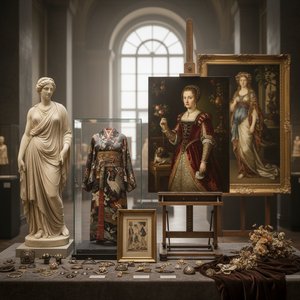
Draped Narratives: Fashion as Symbol & Subject in Historical Art
Explore the fascinating history of fashion as a symbol of power & status in art! Discover masterpieces from Gainsborough to Tissot and learn how clothing shaped societal narratives. Find museum-quality reproductions at OriginalUniqueArt.
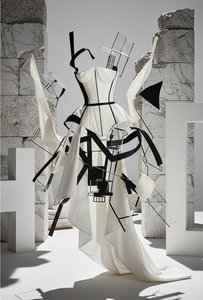
Gianfranco Ferré: Deconstructing Haute Couture – A Legacy of Architectural Form
Explore the revolutionary world of Gianfranco Ferré, 'the architect of fashion.' Discover his architectural approach to haute couture, iconic Dior designs, and lasting influence on luxury style. A deep dive for collectors & enthusiasts.

Crimson Threads of Narrative: Exploring Symbolism & Representation in Artworks Featuring the Red Dress
Explore the rich symbolism of the red dress in art history! From ancient power displays to iconic portraits like Cézanne’s 'Madame Cezanne', discover the cultural and artistic significance behind this captivating color. Expert analysis & insights.
