 Podgląd w skali 1:1
 Wyślij jako kartkę
 Udostępnij
 Szczegóły dzieła
 Przewodnik

 Pobierz obraz
 Podobne obiekty
 RTG
RTG Pokaz slajdów
 Pytania i odpowiedzi
 Statystyki
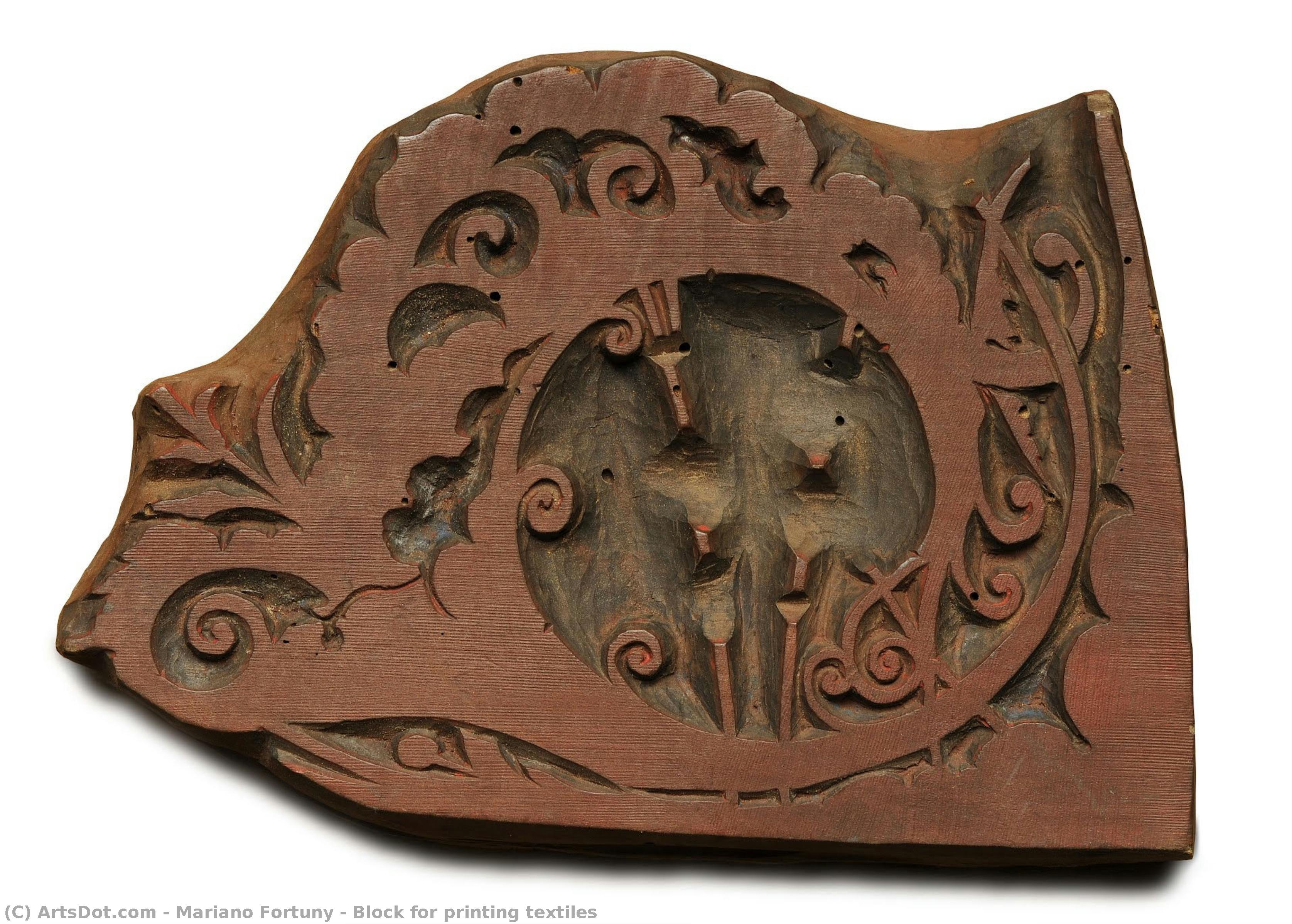
Block for printing textiles


 Rozwiń treść
Otrzymaj plik gotowy do druku, którego jakość znacznie przewyższa podgląd internetowy. Każdy sprzedawany przez nas obraz cyfrowy pochodzi z wysokorozdzielczego pliku wzorcowego w naszej bazie — zazwyczaj o szerokości od 5 000 do 15 000 pikseli — dzięki czemu możesz drukować w dużym formacie, mocno kadrować lub z pełnym przekonaniem odwzorowywać najdrobniejsze detale.
Żaden plik nie opuszcza naszego studia bez odpowiedniej obróbki. Ekspert ds. cyfrowej edycji sprawdza zgodność kolorów z oryginałem i w razie potrzeby je koryguje, a następnie za pomocą profesjonalnych narzędzi do retuszu poprawia ostrość oraz szczegółowość — zawsze zachowując wierność pociągnięciom pędzla i stylowi artysty. Rezultatem jest obraz, który wygląda jak prawdziwe dzieło, a nie jak przefiltrowany skan.
Zatwierdzasz przed finalizacją zamówienia: nasz ekspert prześle obraz drogą mailową w ciągu 72 godzin do Twojego wglądu. Nie jesteś zadowolony? Poproś o poprawki lub korektę, bądź o zwrot kosztów, jeśli jakość nie spełnia oczekiwań.
To jakość, na której polegają wydawcy, studia projektowe, galerie oraz drukarnie.
Obraz cyfrowy
Pobierz plik o wysokiej rozdzielczości do osobistego użytku, druku oraz projektów kreatywnych. ( Przełącz na wydania drukowane Zamów ręcznie malowaną reprodukcję)
W każdym zamówieniu na obraz cyfrowy znajduje się
Profesjonalna dostawa cyfrowa z gwarancją
Wybierając OriginalUniqueArt.com, nie otrzymujesz jedynie obrazu – otrzymujesz profesjonalnie udoskonalone cyfrowe dzieło sztuki, stworzone z najwyższą precyzją i objęte gwarancją satysfakcji. Oto wszystko, co automatycznie dołączane jest do Twojego zamówienia:

Błyskawiczna wysyłka e-mailowa
Plik z obrazem cyfrowym w wysokiej rozdzielczości zostanie przesłany na Twój adres e-mail w ciągu 72 godzin od złożenia zamówienia – gotowy do natychmiastowego użycia.

Plik cyfrowy wzbogacony przez AI
Twoja grafika została profesjonalnie zoptymalizowana przy użyciu zaawansowanych narzędzi AI oraz ręcznej edycji, co zapewnia maksymalną szczegółowość, klarowność i wierność kolorów.

Darmowe ponowne przesyłki dożywotnio
Przypadkowo usunąłeś lub zgubiłeś swój plik? Bez obaw – prześlemy go Tobie ponownie w dowolnym momencie, bez żadnych opłat.

Bez opłat importowych – zawsze
Ciesz się swoją sztuką natychmiast, bez żadnych opłat celnych, należności ani kosztów dostawy – pliki cyfrowe są zawsze wolne od podatku.

Gwarancja wierności kolorów
Dzięki zastosowaniu profesjonalnych narzędzi i procesów zarządzania barwą zapewniamy, że Twoje cyfrowe zdjęcie odzwierciedla oryginalne kolory tak wiernie, jak to tylko możliwe.

Gwarancja satysfakcji przez 100 dni
Jeśli nie będziesz zadowolony ze swojego cyfrowego obrazu, dokonamy jego poprawki lub zwrócimy 100% kosztów w ciągu 100 dni – bez zbędnych pytań.

100% Gwarancja zwrotu pieniędzy
Nie jesteś zadowolony? Otrzymaj pełny zwrot kosztów w ciągu 100 dni od otrzymania pliku cyfrowego – bez zbędnych pytań.

Rabaty przy zamówieniach hurtowych
Kup 3 obrazy, oszczędź 10% - Kup 5, oszczędź 15% - Kup 10+, oszczędź 20%. Idealne do projektów kreatywnych, galerii i agencji.
A Whisper of Geometry: Unveiling Mariano Fortuny’s ‘Block for Printing Textiles’
Mariano Fortuny y Madrazo, a name synonymous with the opulent elegance of 19th-century Spain and beyond, wasn't merely a painter; he was a revolutionary designer, a master craftsman, and an inventor who fundamentally reshaped the world of theatrical lighting and textile production. His ‘Block for Printing Textiles’ (1905), now meticulously reproduced by OriginalUniqueArt.com, offers a rare glimpse into this multifaceted genius – a tangible embodiment of his fascination with geometry, Celtic motifs, and the interplay of light and shadow. This isn't simply a decorative block; it’s a concentrated distillation of Fortuny’s artistic vision, a testament to his meticulous hand, and a window into a period of intense experimentation and innovation.
The Language of Form: Geometry and Celtic Echoes
At first glance, the block’s surface appears deceptively simple – a dense arrangement of swirling lines and geometric shapes rendered in shades of reddish-brown. However, closer inspection reveals a complex tapestry of interlocking patterns, echoing the intricate designs found in Celtic knotwork. Fortuny was deeply influenced by Orientalist art, particularly the decorative motifs of Morocco, but he also possessed a profound appreciation for ancient European traditions, evident in this subtle homage to the Celtic aesthetic. The precise execution suggests a deliberate attempt to capture not just visual form, but also the inherent dynamism and interconnectedness of these patterns – a concept central to Fortuny’s broader artistic philosophy.
A Legacy Forged in Light: Technique and Innovation
The creation of this block represents a pivotal moment in Fortuny's career. He was actively experimenting with new techniques for creating theatrical lighting, particularly his ‘cyclorama dome,’ a revolutionary device that utilized reflected light to create seamless transitions between scenes in grand opera houses. This block is believed to be a prototype or working model for these larger-scale installations – a miniature representation of the complex systems he devised to manipulate and control light. The meticulous carving demonstrates an extraordinary level of skill, requiring not only artistic vision but also a deep understanding of materials and their properties. Fortuny’s inventive spirit extended beyond lighting; his patents reveal a relentless pursuit of innovation in various fields, including textiles, ceramics, and even furniture design.
Beyond Decoration: Symbolism and the Fortuny Aesthetic
While undeniably beautiful, ‘Block for Printing Textiles’ transcends mere decorative function. It embodies Fortuny's broader aesthetic – one characterized by a harmonious blend of geometry, asymmetry, and a subtle sense of mystery. The swirling patterns evoke movement and dynamism, while the restrained color palette creates an atmosphere of sophisticated elegance. Fortuny sought to capture not just the appearance of reality but also its underlying essence—a pursuit reflected in his meticulous attention to detail and his innovative use of light and shadow. This block is a tangible manifestation of that quest – a miniature world brimming with artistic intention.
Collecting a Masterpiece: Reproduction and Preservation
OriginalUniqueArt.com offers high-quality, hand-painted reproductions of this extraordinary work by Mariano Fortuny. Each reproduction meticulously recreates the original block’s intricate details, capturing its unique texture and color palette. Choosing a reproduction allows you to bring this captivating piece into your home or office, celebrating Fortuny's legacy while preserving the integrity of his artistic vision. Explore our selection today and experience the enduring beauty of ‘Block for Printing Textiles.’
Pytania i odpowiedzi
Kiedy powstało dzieło "Block for printing textiles" i do jakiego nurtu należy?
Dzieło "Block for printing textiles" powstało w 1905 roku i reprezentuje nurt Art Nouveau.
Czy dostępny jest przewodnik do dzieła „Block for printing textiles” – Mariano Fortuny?
Dla dzieła „Block for printing textiles” – Mariano Fortuny dostępna jest strona Karta informacyjna dla uczniów: nadająca się do druku karta informacyjna o utworze, przygotowana z myślą o uczniach i wykorzystaniu w klasie.
W jakiej technice wykonano „Block for printing textiles” – Mariano Fortuny?
Mariano Fortuny wykorzystał/a technikę Woodblock Print w pracy „Block for printing textiles”. Technika ta definiuje materię oryginalnego dzieła.
Biografia artysty
Early Life and Inspiration
Mariano Fortuny, a name synonymous with theatrical innovation and opulent textiles, was born in Reus, Spain, in 1871 – an event that irrevocably shaped his artistic trajectory. His father, Mariano Fortuny y Marsal, a respected genre painter, tragically passed away when the young boy was just three years old. This sudden loss propelled the family to Paris, France, where his mother, Cecilia de Madrazo, recognized and nurtured his burgeoning talents. It was in this vibrant Parisian environment that Mariano’s artistic journey truly began, immersed in the world of textiles and fabrics – a formative influence that would profoundly impact his later creations. From an early age, Fortuny demonstrated remarkable versatility, excelling not only in painting but also showcasing skills in photography, sculpting, architecture, etching, and theatrical stage lighting. His innate curiosity and inventive spirit were evident from the start, leading him to experiment with materials and techniques, laying the groundwork for his revolutionary contributions to the world of design.Artistic Talents and Revolutionary Inventions
Mariano Fortuny’s artistic abilities blossomed throughout his youth, revealing a keen eye for detail and an innovative approach to traditional art forms. He quickly established himself as a skilled painter, demonstrating mastery in various styles and subjects. However, it was his inventive drive that truly set him apart. Between 1901 and 1934, Fortuny patented over twenty groundbreaking inventions – a testament to his relentless pursuit of innovation. Perhaps his most significant achievement was the “fortuny cyclorama dome,” a quarter-dome structure crafted from plaster or cloth designed to create seamless transitions between scenes in theatrical productions. This ingenious device utilized indirect lighting and sophisticated reflection techniques, dramatically altering the perception of space and time on stage. Fortuny’s treatise, "Eclairage Scenique" (1904), meticulously documented his discoveries regarding light manipulation, detailing how different surfaces could be used to alter color, intensity, and overall effect. His work wasn't limited to stage design; he also developed innovative methods for creating textiles, pushing the boundaries of material science and artistic expression.Collaborations and Recognition
Fortuny’s unique vision gained widespread recognition in the 1920s, solidifying his position as a leading figure in both art and design. He forged significant collaborations with influential figures from across Europe, leaving an indelible mark on various creative fields. His work resonated deeply with Richard Wagner, the German composer, whose operas inspired Fortuny to explore themes of drama, light, and atmosphere in his paintings. The renowned opera house, La Scala in Milan, became a testing ground for his innovations, where he adapted his dome design for the theater’s grand scale and even invented a suction fan system to maintain its taut structure – a remarkable feat of engineering. Beyond Wagner, Fortuny's contributions were celebrated by figures like Marcel Proust, the French novelist, who was deeply moved by Fortuny’s artistic vision and incorporated elements of his work into his literary masterpieces. His legacy extended beyond the stage, influencing fashion designers and textile manufacturers alike.Legacy and Venetian Influence
Mariano Fortuny passed away in Venice, Italy, on May 3, 1949, leaving behind a remarkable body of work that continues to captivate audiences today. His influence can be seen in the enduring popularity of his signature “Delphos” gown – a flowing, pleated silk creation that became a symbol of elegance and freedom during the Art Deco era. Fortuny’s life and artistic journey were also depicted in Pere Gimferrer's novel "Fortuny," further cementing his place in literary history. More than just an artist, Fortuny was a true polymath—a painter, inventor, designer, and visionary who pushed the boundaries of creativity across multiple disciplines. His legacy continues to inspire artists and designers worldwide, demonstrating the power of innovation, imagination, and a deep appreciation for beauty. The Museo Mariano Fortuny y Madrazo in Venice stands as a testament to his extraordinary life and work, inviting visitors to explore the magic and artistry that defined this remarkable figure.
Mariano Fortuny
1871 - 1949 , Hiszpania
Krótka nota
- Artistic Movement Or Style: Orientalizm art.
- Artists Or Movements Influenced By This Artist: ['Marcel Proust']
- Artists Who Influenced This Artist: ['Richard Wagner']
- Date Of Birth: 11 maja 1871
- Date Of Death: 3 maja 1949
- Full Name: Mariano Fortuny y Marsal
- Nationality: Hiszpański
- Notable Artworks:
- Teagown
- Portrait Henriette
- Place Of Birth: Granada, Hiszpania