

 Zobacz w skali 1:1
 Wyślij
 Udostępnij
 Szczegóły
 Przewodnik

 Pobierz plik obrazu
 Podobne obiekty
 RTG
RTG Pokaz slajdów
 Statystyki
Plate 47 from Dissertation in Insect Generations and Metamorphosis in Surinam


 Czytaj więcej
Giclée / Wydruk artystyczny
Wydruki giclée lub płótna o jakości muzealnej, szybka realizacja i szeroki wybór opcji wykończenia. ( Kup ręcznie malowany obraz Przełącz na wersję cyfrową)




P118B $10

P118H $10

P118W $10

P438Z $10

P508JH $12

P508YH $12

P805H $10

P805Z $10

P919BZ $10

P919G $10

P919XJ $10

P959ZH $10

P968JZ $12

W106C $8

W218G $10

W218JH $8

W218Y $10

W307PJ $10

W316G $10

W316PJ $8

W316Y $10

W398PJ $8

W4111J $10

W500HY $15

W500JH $15

W692G $12

W849H $8

W940BG $15

W953PJ $8




Wybierz spośród naszych standardowych rozmiarów, które zachowują oryginalne proporcje dzieła sztuki.

Możesz wprowadzić własne wymiary, aby dopasować dzieło do konkretnej ramy lub przestrzeni. Jeśli wybrany rozmiar nie będzie odpowiadał proporcjom oryginalnego obrazu, przytniecie dzieło lub rozszerzymy obraz za pomocą odbicia lustrzanego lub jednolitego wypełnienia krawędzi. Przed rozpoczęciem produkcji prześlemy cyfrową wizualizację do Twojej akceptacji.
Prosimy pamiętać, że podgląd na ekranie nie odzwierciedla faktycznego przycinania ani rozszerzania. Tylko wizualizacja dokładnie pokaże końcową kompozycję.
Mimo dostępności niestandardowych rozmiarów, zalecamy wybór wymiaru z listy zdefiniowanej, aby zachować oryginalne proporcje.
Dostawa na cały świat () w ciągu 2 tygodni zamiast standardowych 4/5 tygodni. (27 Wrzesień)

Bezpłatna ekspresowa wysyłka na cały świat

Wysokiej jakości płótno lniane

Pełne ubezpieczenie transportowe

Gwarancja zwrotu należności celnych i podatków importowych

Gwarancja idealnego odwzorowania barw

100-dniowy okres na zwrot dzieła w przypadku wykrycia wad produkcyjnych

Gwarancja 100% zwrotu pieniędzy

Oferta przy zakupie wielu sztuk
 Opcja ze szkłem jest dostępna wyłącznie w rozmiarach poniżej 110 cm

Plate 47 from Dissertation in Insect Generations and Metamorphosis in Surinam
Giclée / Wydruk artystyczny
Rozmiar reprodukcji
-


Suma do zapłaty
$ 80
A Window Into Surinam’s Insect Realm: Exploring Maria Sibylla Merian's Plate 47
Maria Sybilla Merian stands as an unparalleled pioneer in the annals of scientific illustration—a woman who dared to challenge societal expectations and forge her own path toward groundbreaking discoveries. Born in Frankfurt in 1647, Merian’s life was marked by intellectual fervor and a relentless pursuit of knowledge that would ultimately reshape our understanding of entomology and botanical art alike. Her journey began amidst the vibrant tapestry of European trade and scholarship, where she honed her artistic skills under the tutelage of her father, Matthäus Merian the Elder—a celebrated engraver and publisher—and stepfather, Jacob Marrel, a masterful still life painter. This formative environment instilled in her not only technical proficiency but also an unwavering appreciation for meticulous observation and artistic expression.- The Dissertation That Changed Perception: Merian’s ambition extended far beyond mere artistry; she embarked on a daring expedition to Surinam—then Dutch Guiana—in 1699, accompanied by her husband Andreas Sibyllae Theophila Lemniscus Bernoulli. This voyage represented an audacious step for women of the era, who faced considerable obstacles in pursuing scientific endeavors. Yet, Merian persevered, driven by an unwavering conviction that detailed botanical and entomological studies could illuminate the interconnectedness of nature and advance scientific understanding.
- A Symphony of Detail: Plate 47 from her magnum opus, “Dissertation in Insect Generations and Metamorphosis,” exemplifies Merian’s extraordinary artistic vision. The painting captures a microcosm of Surinam's biodiversity—a lush landscape populated by butterflies, grapes, leaves, and vines—each element rendered with breathtaking precision.
Biografia artysty
A Life Unfurled: The Botanical Brilliance of Maria Sibylla Merian
Maria Sibylla Merian, born in Frankfurt in 1647, was a figure remarkably ahead of her time—a naturalist, scientific illustrator, and an artist whose dedication to meticulous observation transformed our understanding of the insect world. Her story isn’t simply one of artistic talent; it's a testament to unwavering curiosity, courageous exploration, and a profound connection to the natural world that defied the conventions of 17th and early 18th-century society. Growing up amidst the bustling trade and intellectual currents of Frankfurt, Merian’s initial exposure to art came through her family. Her father, Matthäus Merian the Elder, was a renowned engraver and publisher, providing a foundation in visual representation. However, it was her stepfather, Jacob Marrel, a skilled still life painter, who actively fostered her artistic inclinations, encouraging her drawing and painting skills from a young age. This early nurturing wasn’t limited to technique; Merian developed an intense fascination with insects, meticulously collecting and studying them—a pursuit considered unusual, if not eccentric, for a woman of that era. Even as a child, she didn't merely depict butterflies and caterpillars; she sought to understand their complete life cycles, a revolutionary approach in a time when the prevailing belief was spontaneous generation – the idea that insects simply arose from mud or decaying matter.From European Gardens to Surinamese Rainforests
Merian’s artistic career blossomed alongside her scientific investigations. She received formal training from Marrel and his pupil, Abraham Mignon, honing her skills in rendering botanical details with exquisite precision. Her early works focused on the flora of Europe, culminating in publications like *Neues Blumenbuch* (“New Book of Flowers”), showcasing her talent for floral illustration. However, it was her groundbreaking work on insect metamorphosis that truly set her apart. Published in 1679 and 1683, *Der Raupen wunderbare Verwandelung und sonderbare Blumennahrung* ("The Wonderful Transformation of Caterpillars and Their Peculiar Nourishment from Flowers") documented the life cycles of European insects with unprecedented accuracy. Each plate wasn’t just a beautiful image; it was a carefully researched record of an insect's development, its host plant, and its interactions within its environment. But Merian harbored a deeper ambition: to study insects in their natural habitat, free from the constraints of European gardens. This led to an extraordinary undertaking—a self-funded expedition to Dutch Guiana (modern-day Suriname) in 1699, accompanied by her daughter Dorothea. For two years, she immersed herself in the rainforests, documenting the exotic insects, plants, and animals with unwavering dedication, despite harsh conditions and considerable personal risk.Metamorphosis Surinamensis: A Legacy of Observation
The culmination of Merian’s South American journey was *Metamorphosis Insectorum Surinamensium* (1705), a monumental work that cemented her legacy as a pioneering naturalist and illustrator. This two-volume publication presented detailed depictions of the insects of Suriname, their life cycles, and their relationships with the surrounding flora. Unlike previous natural history illustrations which often focused on isolated specimens, Merian’s plates depicted insects interacting with their host plants, showcasing a holistic understanding of ecological connections. Her illustrations weren't merely scientific records; they were vibrant works of art, imbued with a sense of wonder and appreciation for the beauty of the natural world. The work was revolutionary not only for its artistic quality but also for its scientific accuracy. Merian challenged existing beliefs about insect behavior and development, providing compelling evidence against spontaneous generation. She meticulously documented previously unknown species, contributing significantly to the field of entomology. *Metamorphosis Insectorum Surinamensium* became a landmark publication, influencing generations of naturalist illustrators and scientists.Influences and Artistic Style
Merian’s artistic style was characterized by an extraordinary level of detail and accuracy, reflecting her meticulous observation skills. She combined scientific rigor with a painterly sensibility, creating images that were both informative and aesthetically pleasing. Her work drew inspiration from several sources: her father's engraving expertise, her stepfather’s still life painting traditions, and the burgeoning field of natural history illustration. Notably, she was influenced by the work of Jan van Dijck, whose detailed botanical illustrations served as a model for her own approach. Furthermore, Merian’s dedication to documenting insects in their natural habitats—a radical departure from the prevailing practice of studying specimens in isolation—demonstrates an early understanding of ecological principles. Her meticulous record-keeping and artistic skill combined to produce a body of work that continues to inspire admiration today.A Lasting Impact on Art and Science
Maria Sibylla Merian’s influence extends far beyond the realm of natural history illustration. Her work bridged the gap between art and science, demonstrating that meticulous observation and artistic skill could be powerful tools for scientific discovery. She challenged societal norms by pursuing her passion for natural history with unwavering determination, paving the way for future female scientists and artists. David Attenborough has rightly recognized Merian as a pivotal figure in entomology, acknowledging her groundbreaking contributions to our understanding of insect life cycles. Her legacy continues to inspire artists, scientists, and nature enthusiasts alike. Today, her original illustrations are highly prized possessions of museums and private collectors worldwide. Reproductions of her work—like “Plate 70 from Dissertation in Insect Generations and Metamorphosis in Surinam” or the exquisite detail found in "Erucarum Ortus, Alimentum Et Paradoxa Metamorphosis"—allow us to appreciate her artistic skill and scientific insight. *Maria Sibylla Merian’s life was a testament to the power of curiosity, observation, and a deep reverence for the natural world—a legacy that continues to resonate centuries after her passing.*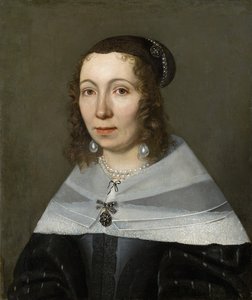
maria sybilla merian
1647 - 1717 , Niemcy
Najważniejsze informacje
- Artistic Movement Or Style: Natural History Art
- Artists Or Movements Influenced By This Artist:
- Naturalist Ilustratorzy
- Entomologia
- Artists Who Influenced This Artist:
- Jacob Marrel
- Abraham Mignon
- Date Of Birth: 2 kwietnia 1647
- Date Of Death: 13 stycznia 1717
- Full Name: Maria Sibylla Merian
- Nationality: Niemka
- Notable Artworks:
- Metamorphosis Insectorum Surinamensium
- Erucarum Ortus
- Fennel
- Place Of Birth: Frankfurt nad Menem
Zobacz także powiązane artykuły

Kwiatowy Rozkwit Nauki i Sztuki: Historyczna Podróż przez Botaniczne Ilustracje
Odkryj fascynującą historię botanicznej ilustracji – od starożytnych zielników po współczesne arcydzieła. Poznaj wybitnych artystów, techniki i wpływ tej dziedziny na naukę i kulturę. Ekskluzywne artykuły dla pasjonatów sztuki i botaniki.
The Delicate Beauty of Botanical Realism: Capturing Nature's True Essence through the Lens of Art History
Explore the exquisite world of botanical realism. From scientific precision to Impressionist light, discover how master artists capture nature's true essence through timeless, hand-painted oil reproductions and historical insights for the discerning art lover.
The Flourishing Canvas: A Historical & Artistic Exploration of Botanical Illustration
Explore the rich history of botanical illustration! Discover key artists like Havell & Barraband, learn about scientific accuracy & aesthetic beauty. Shop museum-quality reproductions at OriginalUniqueArt.

Ewolucja Naturalistycznego Szkicownictwa: Od Herbalnych Tradycji do Współczesnej Ekspresji Artystycznej
Poznaj fascynującą ewolucję naturalistycznego szkicownictwa – od herbalnych tradycji po współczesną ekspresję artystyczną. Odkryj historię, techniki i inspiracje z OriginalUniqueArt.com! Zamów reprodukcje lub stwórz własny portret.
The Flourishing Canvas: A Historical Journey Through Botanical Illustration
Explore the captivating history of botanical illustration! Discover renowned artists like Robert Havell & Mary Walcott, learn about techniques, and find museum-quality art at OriginalUniqueArt.com.