Contemporary Art · 2003
Mourning (Maria Lassnig, 2003)
Maria Lassnig (1919–2014) stworzył Mourning. Dzieło pochodzi z 2003. Należy do nurtu Contemporary Art. Wykonano w technice Painting. Przechowywane jest w Albertina Klosterneuburg w Klosterneuburg, Austria. Wymiary to 205 × 150 cm.
- 2003
- Painting
- 205 × 150 cm
- Albertina Klosterneuburg

 Podgląd w skali 1:1

 Ręcznie malowany obraz olejny
 Wyślij jako kartkę
 Udostępnij
 Karta informacyjna


 Pobierz obraz
 Podobne obiekty
 RTG
 Pokaz slajdów
 Pytania i odpowiedzi

 Statystyki
Mourning w skrócie
- Tytuł
- Mourning
- Artysta
- Maria Lassnig (1919–2014)
- Miejsce urodzenia artysty
- Kappel am Krappfeld, Austria
- Data powstania
- 2003
- Technika wykonania
- Painting
- Wymiary
- 205 × 150 cm
- Gdzie można je zobaczyć
- Albertina Klosterneuburg, Klosterneuburg, Austria
- Ruch
- Contemporary Art
- Epoka
- Contemporary
- Temat
- woman, figures, white dress, red color, orange color
Co przedstawia Mourning?
The Visceral Language of Emotion
In the profound and haunting masterpiece Mourning, the late Austrian visionary Maria Lassnig invites us into a raw, unfiltered exploration of human vulnerability. Created in 2003, this expansive work serves as a powerful testament to the artist's lifelong dedication to her theory of "body awareness." At the heart of the composition, a central female figure emerges with an open-moutched cry, a visceral expression of grief that transcends mere depiction to become a shared human experience. Surrounded by figures that exist in varying states of nakedness and color, the painting dissolves the boundaries between the physical self and the psychological landscape, creating a scene that is as much about internal sensation as it is about external form.
The technique employed here is nothing short of transformative. Lassnig utilizes a vibrant, almost feverish color palette to communicate the intensity of the subject matter. The central figure, bathed in searing reds and warm oranges, acts as a focal point of heat and passion, contrasting sharply with the more varied, multi-colored tones of the surrounding figures. This use of color does not merely decorate the canvas; it functions as a rhythmic pulse, guiding the viewer's eye through a chaotic yet deeply structured emotional journey. The brushwork, characteristic of her later mastery, feels spontaneous and urgent, capturing the fleeting, often painful sensations of being alive.
A Legacy of Subjectivity and Form
To understand Mourning, one must look to the historical context of Lassnig’s evolution within the Austrian art scene. As a pioneer of Informalism and Tachisme, Lassnig moved away from traditional representation toward a style that prioritized the "inner body." This piece stands as a culmination of decades spent navigating the complexities of identity, influenced by her early life in Kappel am Krappfeld and her formative years at the Academy of Fine Arts in Vienna. The figures surrounding the central protagonist—some draped, some bare, some looming in the background—suggest a communal weight to grief, implying that sorrow is never an isolated event but one that ripples through our social and physical connections.
For the discerning collector or interior designer, this artwork offers more than just visual splendor; it provides a profound emotional anchor for any space. The sheer scale of the piece, measuring 150 x 205 cm, allows its commanding presence to dominate a room, turning a wall into a window into the human soul. A high-quality reproduction of this work preserves the delicate nuances of Lassnig's color transitions and the raw energy of her strokes, making it an ideal centerpiece for those seeking to infuse their environment with intellectual depth and avant-garde sophistication. It is a piece that demands conversation, inviting viewers to contemplate the beautiful, tragic, and inescapable nature of our shared existence.
W którym muzeum znajduje się Mourning?
Albertina Klosterneuburg
Klosterneuburg, Austria
A Renaissance on the Danube Nestled in the tranquil charm of Klosterneuburg, just a breath away from the imperial pulse of Vienna, lies a cultural sanctuary that redefines the boundaries of contemporary art. The Albertina Klosterneuburg , which opened its doors in April 2024, is far more than a mere satellite of its famous Viennese counterpart; it is a profound act of cultural stewardship and a bold reimagining of artistic space. Born from the generous legacy of Karlheinz and Agnes Essl, whose private collection was transitioned to the Albertina to ensure its public immortality, this museum breathes new life into the repurposed halls of the former Essl Museum.


Zdjęcia w wysokiej rozdzielczości dzieła Mourning

Chronione prawem autorskim: pliki te służą wyłącznie do osobistego wglądu i nie stanowią licencji na ich powielanie.
Maria Lassnig, Mourning (2003), Albertina Klosterneuburg.
Odpowiedzi na pytania dotyczące Mourning
Gdzie można obecnie zobaczyć dzieło „Mourning” – Maria Lassnig?
„Mourning” – Maria Lassnig znajduje się w zbiorach Albertina Klosterneuburg, Klosterneuburg, Austria. Informacja o muzeum dotyczy oryginału, a nie reprodukcji.
W którym roku powstało dzieło „Mourning” – Maria Lassnig?
"Mourning" powstało w 2003 roku. Data ta pozwala umiejscowić dzieło w kontekście twórczości Maria Lassnig oraz epoki, w której powstało.
W jakiej technice wykonano „Mourning” – Maria Lassnig?
Maria Lassnig wykorzystał/a technikę Painting w pracy „Mourning”. Technika ta definiuje materię oryginalnego dzieła.
Jakie są wymiary oryginalnego dzieła „Mourning” – Maria Lassnig?
Oryginalne wymiary dzieła „Mourning” to 150 x 205 cm. Znajomość pierwotnej skali może być pomocna przy wyborze odpowiedniego rozmiaru reprodukcji.
Co przedstawia „Mourning” – Maria Lassnig?
„Mourning” – Maria Lassnig przedstawia: woman, figures, white dress, red color, orange color.
Czy obraz „Mourning” – Maria Lassnig można swobodnie reprodukować?
Status praw autorskich dla „Mourning” – Maria Lassnig: dzieło znajduje się w nadal objęte ochroną prawa autorskiego. Określa to, czy reprodukcje obrazu mogą być sporządzane swobodnie.
Kto jest autorem dzieła "Mourning"?
„Mourning” zostało stworzone przez Maria Lassnig. Informacje na tej stronie dotyczą oryginalnego dzieła autorstwa Maria Lassnig.
Do jakiego nurtu artystycznego należy „Mourning” – Maria Lassnig?
„Mourning” – Maria Lassnig należy do nurtu Contemporary Art. Nurt ten stanowi stylistyczny kontekst dzieła.
Do którego etapu twórczości Maria Lassnig należy dzieło „Mourning”?
"Mourning" reprezentuje Late Period twórczości Maria Lassnig.
O artyście: Maria Lassnig

1919–2014, Austria
Maria Lassnig
wczesne lata i edukacja Maria Lassnig, austriacka artystka znana ze swoich malarskich autoportretów oraz teorii „świadomości ciała”, urodziła się 8 września 1919 roku w Kappel am Kraffeld w Austrii. Jej wczesne lata zostały naznaczone trudną relacją matki ze znacznie starszym mężczyzną, co sprawiło, że Lassnig była wychowywana głównie przez swoją babcię. Ta złożona dynamika rodzinna miała w późniejszym czasie wpłynąć na jej tematy artystyczne. Podczas II wojny światowej Lassnig studiowała w Akademii Sztuk Pięknych w Wiedniu, gdzie zaczęła rozwijać swój unikalny styl i nowatorskie podejście do sztuki.
Inne prace Maria Lassnig
 At Night when Mice Scream1981
 Tension Figure1961
 Untitled (D2XACC)2005
 Woman Power1979
Eseje o Mourning
 Visualizing Sorrow: How Historical Art Captures the Universal Experience of LossExplore how masters like David and Munch visually capture grief through art history. Discover the profound language of loss today.
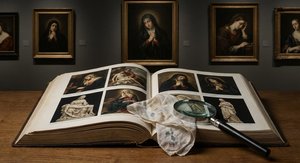 The Visceral Language of Loss: Exploring Grief's Depiction in Art HistoryExplore the profound history of grief in art with OriginalUniqueArt. Discover Renaissance & Baroque masterpieces depicting loss, mourning, …
 Master of the Renaissance: The 25 Greatest Artworks by Albrecht DürerJourney through the Northern Renaissance with our curated guide to the 25 greatest artworks by Albrecht Dürer. From iconic woodcuts to prof…