

 Zobacz w skali 1:1
 Wyślij
 Udostępnij
 Szczegóły

 Pobierz plik obrazu
 Podobne obiekty
 RTG
RTG Pokaz slajdów
 Statystyki
Madame Bouret as Diana
 Acrylic On Canvas
- WallArt
- Rococo Painting
 1745
1745 138.0 x 105.0 cm
 Muzeum Thyssen-Bornemisza
 Czytaj więcej
Giclée / Wydruk artystyczny
Wydruki giclée lub płótna o jakości muzealnej, szybka realizacja i szeroki wybór opcji wykończenia. ( Kup ręcznie malowany obraz Przełącz na wersję cyfrową)




P118B $10

P118H $10

P118W $10

P438Z $10

P508JH $12

P508YH $12

P805H $10

P805Z $10

P919BZ $10

P919G $10

P919XJ $10

P959ZH $10

P968JZ $12

W106C $8

W218G $10

W218JH $8

W218Y $10

W307PJ $10

W316G $10

W316PJ $8

W316Y $10

W398PJ $8

W4111J $10

W500HY $15

W500JH $15

W692G $12

W849H $8

W940BG $15

W953PJ $8




Wybierz spośród naszych standardowych rozmiarów, które zachowują oryginalne proporcje dzieła sztuki.

Możesz wprowadzić własne wymiary, aby dopasować dzieło do konkretnej ramy lub przestrzeni. Jeśli wybrany rozmiar nie będzie odpowiadał proporcjom oryginalnego obrazu, przytniecie dzieło lub rozszerzymy obraz za pomocą odbicia lustrzanego lub jednolitego wypełnienia krawędzi. Przed rozpoczęciem produkcji prześlemy cyfrową wizualizację do Twojej akceptacji.
Prosimy pamiętać, że podgląd na ekranie nie odzwierciedla faktycznego przycinania ani rozszerzania. Tylko wizualizacja dokładnie pokaże końcową kompozycję.
Mimo dostępności niestandardowych rozmiarów, zalecamy wybór wymiaru z listy zdefiniowanej, aby zachować oryginalne proporcje.
Dostawa na cały świat () w ciągu 2 tygodni zamiast standardowych 4/5 tygodni. (19 Wrzesień)

Bezpłatna ekspresowa wysyłka na cały świat

Wysokiej jakości płótno lniane

Pełne ubezpieczenie transportowe

Gwarancja zwrotu należności celnych i podatków importowych

Gwarancja idealnego odwzorowania barw

100-dniowy okres na zwrot dzieła w przypadku wykrycia wad produkcyjnych

Gwarancja 100% zwrotu pieniędzy

Oferta przy zakupie wielu sztuk
 Opcja ze szkłem jest dostępna wyłącznie w rozmiarach poniżej 110 cm

Madame Bouret as Diana
Giclée / Wydruk artystyczny
Rozmiar reprodukcji
-


Suma do zapłaty
$ 80
A Glimpse of Roman Grace: Jean-Marc Nattier’s “Madame Bouret as Diana”
Jean-Marc Nattier's "Madame Bouret as Diana," painted in 1745, is more than just a portrait; it’s a meticulously crafted tableau vivant—a staged scene designed to evoke the grandeur and idealized beauty of classical antiquity. This exquisite work, now housed within the Museo Thyssen-Bornemisza in Madrid, offers a captivating window into the Rococo era's fascination with mythology and aristocratic refinement. Nattier, a master of his craft, skillfully blends realism with allegorical representation, transforming a noblewoman into a goddess of the hunt – Diana, Roman equivalent of Artemis – creating an image brimming with elegance, power, and subtle narrative depth.
The painting immediately draws the eye to Madame Bouret herself. Dressed in a flowing white gown that seems to shimmer with light, she embodies a serene grace. Her pose is deliberate, suggesting both confidence and quiet contemplation. The artist’s mastery of chiaroscuro – the dramatic interplay of light and shadow – sculpts her form, highlighting the delicate curves of her body and emphasizing the luminous quality of her skin. Her gaze, direct and engaging, invites the viewer into this carefully constructed world.
The Mythological Echo: Diana and the Hunt
Nattier’s choice to depict Madame Bouret as Diana is laden with symbolic meaning. Diana, the Roman goddess, was associated with the hunt, wilderness, and the moon – representing independence, fertility, and protection. The inclusion of her characteristic attributes—a bow and arrow, a quiver filled with arrows, and a leopard skin draped over her arm—reinforces this association. These elements aren’t merely decorative; they speak to a broader concept of female power and dominion within a society that often sought to confine women to domestic roles. The setting, a stylized landscape reminiscent of the Roman countryside, further anchors the scene in this mythological context.
Notably, Nattier doesn't simply present Diana as a literal representation; he imbues her with an inherent humanity. Madame Bouret’s expression is not one of cold detachment but rather a quiet dignity and a hint of playful allure. This blending of the divine and the human is characteristic of Rococo portraiture—a deliberate strategy to elevate the subject while simultaneously acknowledging their earthly existence.
Technique and Style: The Language of Rococo
Nattier’s technique exemplifies the hallmarks of the Rococo style. His brushwork is fluid and delicate, creating a sense of movement and luminosity. He employs pastel shades—pale blues, greens, and pinks—to evoke a dreamlike atmosphere. The composition itself is carefully balanced, with the figure occupying a central position within a shallow space. The background, rendered in muted tones, serves to enhance the vibrancy of the subject’s attire and complexion.
Furthermore, Nattier's attention to detail is remarkable. From the intricate folds of the gown to the delicate rendering of the arrows on the quiver, every element contributes to the overall sense of realism and sophistication. He was a master of capturing texture—the sheen of silk, the weight of leather—creating an illusion of tangible reality.
A Portrait of an Era: Context and Legacy
"Madame Bouret as Diana" reflects the cultural climate of 18th-century France, a period marked by renewed interest in classical antiquity and a fascination with aristocratic life. Portraits like this one were commissioned by wealthy patrons—often members of the court—as both expressions of personal taste and symbols of social status. Nattier’s success stemmed from his ability to cater to these demands while simultaneously pushing the boundaries of artistic convention.
Today, “Madame Bouret as Diana” stands as a testament to Nattier's skill and artistry—a captivating example of Rococo portraiture that continues to enchant viewers with its elegance, grace, and subtle narrative power. Reproductions offer an accessible way to appreciate this masterpiece, bringing its beauty and symbolism into any space.
Biografia artysty
A Brushstroke of Elegance: The Life and Art of Jean-Marc Nattier
Jean-Marc Nattier, a name synonymous with the refined elegance of 18th-century French court life, was more than just a portrait painter; he was a master of illusion, transforming his sitters into embodiments of classical mythology and aristocratic grace. Born in Paris on March 17, 1685, into an artistic lineage steeped in tradition – his father, Marc Nattier, a respected portraitist, and his mother, Marie Courtois, a skilled miniaturist – Nattier’s early life provided him with a solid foundation in the fundamentals of visual art. His formative years were spent diligently copying masterpieces at the Luxembourg Gallery, honing his skills in capturing likenesses and mastering the principles of composition—a practice that would prove invaluable as he developed his distinctive style. Interestingly, despite being offered the prestigious opportunity to study at the French Academy in Rome, a path often taken by aspiring artists seeking formal training, Nattier chose to remain in Paris, believing that he could cultivate his unique artistic vision independently and without the constraints of academic tradition. This decision proved to be a pivotal moment, allowing him to forge a distinct path and ultimately establish himself as one of the most celebrated portraitists of his era.The Painter of Aristocratic Dreams
Nattier’s rise to prominence was swift and remarkable. He quickly became the preferred portraitist for the ladies of Versailles, capturing their beauty and status with an unparalleled flair for elegance and sophistication. However, Nattier's artistry extended far beyond mere likeness; he possessed a remarkable ability to craft illusions, transforming his sitters into goddesses and mythological figures—a technique that set him apart from his contemporaries. This innovative approach – reviving the allegorical portrait genre – became a hallmark of his style. A lady might be depicted as Diana, goddess of the hunt, or Hebe, cupbearer to the gods, adorned in flowing classical drapery and placed within evocative landscapes meticulously designed to enhance the sense of grandeur and timeless beauty. These weren’t simply costumes; they were carefully constructed representations that imbued the subject with an aura of sophistication, grace, and a feeling of enduring elegance. His masterful manipulation of light was equally crucial—it created depth, dimensionality, and drew the viewer into the scene, amplifying the ethereal quality of his subjects and elevating their portraits to works of art that transcended mere representation. Notable examples include *Madame Le Fèvre de Caumartin as Hebe*, a stunning testament to his technical skill and artistic vision, now housed in the National Gallery of Art.Influences and Artistic Development
Nattier’s artistic development was shaped by a complex interplay of influences. His father provided him with an initial grounding in portraiture, instilling within him a love for capturing the essence of human character. Further guidance came from his uncle, Jean Jouvenet, a respected history painter who broadened Nattier's understanding of composition and narrative structure. However, it was the profound impact of Peter Paul Rubens’ work at the Luxembourg Palace that proved to be particularly transformative. The Baroque master’s dynamic compositions, rich colors, and sensual depictions of the human form left an indelible mark on Nattier’s style. He absorbed Rubens' energy and exuberance, adapting them to his own refined aesthetic sensibilities. This synthesis of influences culminated in a unique artistic voice that positioned Nattier as a key figure in the burgeoning Rococo movement—a style characterized by its elegance, grace, playful themes, and an emphasis on ornamentation. His innovative techniques, particularly his ability to seamlessly integrate realism with mythological allegory, distinguished him from his contemporaries and inspired generations of artists who followed.Key Works and Historical Context
Nattier’s career coincided with a period of significant social and political change in France. The reign of Louis XV saw the court at Versailles reach its zenith—a world of opulent luxury, intricate etiquette, and carefully constructed appearances. Nattier played a vital role in shaping this image through his portraits, capturing not just the physical likenesses of the aristocracy but also their status, power, and aspirations. His works offer invaluable insights into the fashion, customs, and social dynamics of 18th-century France—a window into a world of powdered wigs, elaborate gowns, and carefully choreographed rituals. His ability to capture both the outward appearance and the underlying character of his subjects made him immensely popular with the French elite. He created numerous portraits that are now treasured possessions of prestigious museums worldwide, including the Louvre, The Wallace Collection, and the Alte Pinakothek Museum in Munich—testaments to his enduring legacy as one of France’s most celebrated portraitists. Notable works include *The Artist Surrounded by His Family*, a charming depiction of Nattier himself and his loved ones, and *Marie Lečinska*, a captivating portrayal of a young woman embodying the spirit of Diana.Legacy and Historical Significance
Jean-Marc Nattier’s impact extends far beyond the exquisite portraits he created. As the official portrait painter to Louis XV, he played a crucial role in shaping the image of the French aristocracy during a period of immense cultural and political transformation. His paintings provide invaluable insights into the fashion, customs, and social dynamics of 18th-century France—a window into a world defined by elegance, refinement, and the pursuit of beauty. The revival of allegorical portraits under Nattier’s hand was a significant artistic achievement, demonstrating his ability to breathe new life into established genres while simultaneously reflecting the prevailing aesthetic sensibilities of the time. His works remain powerful reminders of an age characterized by grace, sophistication, and the enduring allure of classical mythology—a brushstroke of elegance frozen in time.Exploring Nattier’s World Further
- Notable Works: The Artist Surrounded by His Family (1730), Marie Lečinska (Dijon Museum), Magdalen (Louvre), Comtesse de Tillières and Mademoiselle de Clermont en Sultane (The Wallace Collection), Madame Le Fèvre de Caumartin as Hebe (National Gallery of Art), The Lovers (Alte Pinakothek Museum, Munich).
- Key Characteristics: Rococo style, allegorical portraits, mythological attire, masterful use of light and shadow, attention to detail.
- Further Research: Explore resources like Wikipedia (https://en.wikipedia.org/wiki/Jean-Marc_Nattier) and Britannica (https://www.britannica.com/biography/Jean-Marc_Nattier) for more in-depth information.

Marc Nattier
1685 - 1766 , Francja
Najważniejsze informacje
- Artistic Movement Or Style: Rokok
- Artists Or Movements Influenced By This Artist: ['Późny Rokok']
- Artists Who Influenced This Artist:
- Marc Nattier
- Jean Jouvenet
- Rubens
- Date Of Birth: 17 marca 1685
- Date Of Death: 7 listopada 1766
- Full Name: Jean-Marc Nattier
- Nationality: Francuz
- Notable Artworks:
- Portret Henrietta
- Marie Lečinska
- Magdalen
- Place Of Birth: Paryż, Francja
Zobacz także powiązane artykuły
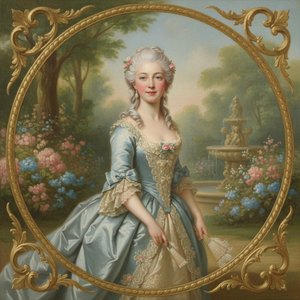
The Elegance of Rococo Portraiture: A Journey Through Grace, Soft Light, and Pastel Dreams
Discover the exquisite world of Rococo portraiture. Explore the delicate beauty of 18th-century French art, from pastel light to graceful asymmetry, and learn how to bring this era of elegance into your home through masterfully hand-painted oil reproductions.

Jean-Marc Nattier: Rococo Portraiture & Aristocratic Patronage
Explore the exquisite Rococo portraits of Jean-Marc Nattier, favored by French aristocracy. Discover his artistic techniques, patronage network, and lasting legacy – a guide for discerning collectors.
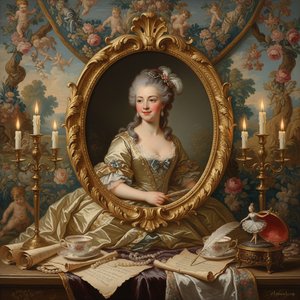
Elegance & Opulence: A Definitive Guide to the Grace and Grandeur of Rococo Portraiture
Discover the breathtaking elegance of Rococo portraiture. Explore an expert guide to 18th-century mastery, from pastel palettes to aristocratic grandeur, and learn how to bring this era of opulence into your home through museum-quality oil reproductions.

Rokokowy przepych: Bunt i rozkosz w sztuce XVIII wieku
Poznaj fascynujący świat rokoka – stylu pełnego wdzięku i przepychu! Odkryj historię, charakterystykę oraz wpływ tego nurtu na sztukę XVIII wieku. Ekspercka analiza i inspiracje dla miłośników historii sztuki.

Charles-André van Loo: A Study in Rococo Portraiture & the French Court's Artistic Dynamics
Explore the elegant world of Charles-André van Loo, a master of Rococo portraiture at the French court. Discover his life, techniques, and enduring influence on 18th-century art. Hand-painted reproductions available.

