

 Zobacz w skali 1:1
 Wyślij
 Udostępnij
 Szczegóły
 Przewodnik

 Pobierz plik obrazu
 Podobne obiekty
 RTG
RTG Pokaz slajdów
 Statystyki
Champagne Laugh
 Post-Impressionism
 1991
1991 213.0 x 152.0 cm
 Czytaj więcej
Dzieło sztuki prezentowane na tej stronie podlega ochronie prawem autorskim, co oznacza, że nie mamy prawa do tworzenia ani sprzedaży jego identycznej reprodukcji. Ochrona ta jest egzekwowana na mocy umów międzynarodowych, takich jak Konwencja berneńska oraz przez przepisy prawa krajowego, w tym te określone w Prawo autorskie USA – Tytuł 17.
Jako pełną szacunku i legalną alternatywę oferujemy personalizowane, malowane ręcznie dzieła sztuki inspirowane oryginałem. Nasi wykwalifikowani i profesjonalni artyści starannie analizują styl, nastrój oraz artystyczną esencję pierwowzoru, aby stworzyć nowe, unikalne dzieło, które przywołuje te same emocje – pozostając jednocześnie w pełni oryginalną kreacją.
Metoda ta jest w pełni zgodna z przepisami prawa autorskiego, ponieważ nie polega na kopiowaniu ani powielaniu chronionego dzieła. Stanowi ona kreatywną reinterpretację – nowy obraz, który czerpie inspirację z oryginału, ale nie jest z nim tożsamy.
Ręcznie malowana reprodukcja olejowa
Ręcznie malowany obraz olejny na płótnie, wykonany na zamówienie przez naszych artystów w wybranym przez Ciebie wymiarze i oprawie. ( Przełącz na wersję drukowaną Przełącz na wersję cyfrową)




P118B zł10

P118H zł10

P118W zł10

P438Z zł10

P508JH zł12

P508YH zł12

P805H zł10

P805Z zł10

P919BZ zł10

P919G zł10

P919XJ zł10

P959ZH zł10

P968JZ zł12

W106C zł8

W218G zł10

W218JH zł8

W218Y zł10

W307PJ zł10

W316G zł10

W316PJ zł8

W316Y zł10

W398PJ zł8

W4111J zł10

W500HY zł15

W500JH zł15

W692G zł12

W849H zł8

W940BG zł15

W953PJ zł8




Wybierz spośród naszych standardowych rozmiarów, które zachowują oryginalne proporcje dzieła sztuki.

Wpisz wymaganą szerokość i wysokość, aby obraz pasował do Twojej ramy lub ściany. Ponieważ jest to dzieło malowane ręcznie, w przypadku rozmiaru o innym proporcji artysta może domalować nieco więcej wokół obrazu lub przyciąć fragmenty — wybór należy do Ciebie. Przed rozpoczęciem pracy prześlemy Ci cyfrową wizualizację do zatwierdzenia. Obraz widoczny na tej stronie nie przedstawia rzeczywistego efektu — jedynie wizualizacja oddaje realny rezultat.
Po złożeniu zamówienia zespół OriginalUniqueArt.com skontaktuje się z klientem drogą mailową w celu uzyskania instrukcji i prześle wizualizację projektu
Dostawa na całym świecie () w ciągu 3–4 tygodni zamiast standardowych 5 tygodni. (25 Październik). Bez kompromisów w kwestii jakości.

Bezpłatna ekspresowa wysyłka na cały świat

Wysokiej jakości płótno lniane

Pełne ubezpieczenie transportowe

Gwarancja zwrotu należności celnych i podatków importowych

Gwarancja idealnego odwzorowania barw

100-dniowy okres na zwrot dzieła w przypadku wykrycia wad produkcyjnych

Gwarancja 100% zwrotu pieniędzy

Oferta przy zakupie wielu sztuk
 Opcja ze szkłem jest dostępna wyłącznie w rozmiarach poniżej 110 cm

Champagne Laugh
Technika wykonania
Rozmiar reprodukcji
-


Suma do zapłaty
zł 1151
Artist Background
Maggi Hambling is a British artist known for her bold and expressive paintings. Her work often features vibrant colors and distorted forms, which are evident in the Champagne Laugh. This painting is a quintessential example of Hambling's ability to capture the essence of human emotion through her art.Painting Analysis
The Champagne Laugh features two people in the center of the scene, with one person being painted over another. The colors used are predominantly pink and yellow, giving the painting a warm and vibrant appearance. The brushstrokes are bold and expressive, adding to the overall energy of the piece. This style is reminiscent of other notable artists, such as Henri De Toulouse Lautrec, who also explored the use of bold colors and distorted forms in their work.- The painting's composition is complex and intriguing, with multiple layers and textures adding depth to the piece.
- The use of color is a key element in the painting, with the vibrant hues creating a sense of energy and movement.
- The Champagne Laugh is a unique example of Post-Impressionism, a movement that emerged as a reaction against traditional approaches to art.
The Museum Escuelas Pias De España Tercera Demarcacion in Madrid, Spain, is also worth visiting for its impressive collection of artworks from various periods and movements. More information can be found on our website: /art/list/?Filter=A@D3BNVR-The-Museum-Escuelas-Pias-De-Espana-Tercera-Demarcacion-(Madrid-Spain)
For a deeper understanding of the artist and her work, I recommend exploring the Bev Walters, Principal of Morley College (1991–2003) painting, also available on our website: /art/list/?Filter=AQSJ2V-Maggi-Hambling-Bev-Walters-Principal-of-Morley-College-(1991-2003)
Pytania i odpowiedzi
Kto jest autorem dzieła "Champagne Laugh"?
Dzieło "Champagne Laugh" przypisuje się Maggi Hambling.
Czy mogę obejrzeć podgląd „Champagne Laugh” autorstwa Maggi Hambling przed złożeniem zamówienia?
Aby podglądnąć reprodukcję dzieła „Champagne Laugh” autorstwa Maggi Hambling, otwórz stronę Podgląd danego utworu.
Jak silny jest kontrast w „Champagne Laugh” autorstwa Maggi Hambling?
Kontrast jasności w dziele "Champagne Laugh" wynosi Gentle. Kontrast określa stopień zróżnicowania między obszarami jasnymi a ciemnymi.
Biografia artysty
The Soul in the Stroke: The Artistic Journey of Maggi Hambling
Maggi Hambling CBE stands as a singular figure in contemporary British art, celebrated for her distinctive blend of painting and sculpture—a practice deeply rooted in observation and driven by an unwavering commitment to capturing the essence of human experience. Born in Sudbury, Suffolk, in 1945, Hambling’s formative years were shaped by a family that nurtured artistic inclinations; her father instilled a passion for painting, while her mother fostered a love for movement and performance through ballroom dancing. This early exposure profoundly influenced her artistic sensibilities, establishing a foundation for her subsequent explorations into the rhythmic complexities of portraiture and the raw, elemental power of the landscape.
Her formal artistic education provided the rigorous technical scaffolding upon which her expressive style would later flourish. Following studies at the East Anglian School of Painting and Drawing under the mentorship of Cedric Morris and Lett Haines, she refined her craft at the Ipswich School of Art, Camberwell College of Arts, and finally the Slade School of Art, graduating in 1969. These formative years instilled a deep understanding of artistic history, yet Hambling never sought to merely replicate the past; instead, she used her technical mastery to explore the psychological depths of her subjects. Her work often reflects a fascination with the complexities of human emotion and memory, portraying individuals with a remarkable sensitivity that transcends mere likeness.
A Legacy of Portraits and Presence
Hambling's professional breakthrough arrived in 1980 when she was appointed Artist-in-Residence at the National Gallery. This prestigious position allowed her to engage deeply with the masters of the past while forging a new path in contemporary portraiture. Her series of portraits from this era explored themes of identity and vulnerability, often characterized by a striking use of color and texture. One of her most iconic interactions involved the comedian Max Wall, whose playful response to her inquiry about his preferred color became part of the lore surrounding her collaborative spirit—an approach that emphasizes dialogue and engagement with the subject.
Her portraiture is never static; it is a living exploration of character. In works such as Sir Ernest Ashley Bramall, she utilizes dramatic backgrounds and striking realism to capture the gravity of leadership and age. Conversely, her more recent explorations, such as her Self Portrait from 2011, demonstrate a move toward a textured blend of surrealism and realism, capturing the profound nature of aged introspection. Through her brush, the sitter is not just observed but felt, with every layer of oil paint contributing to a sense of psychological depth.
Sculptural Vision and Elemental Forces
Beyond the canvas, Hambling has carved her name into the public consciousness through monumental sculptural endeavors. Her work in three dimensions often mirrors the raw energy found in her paintings, particularly her fascination with the sea and the ephemeral nature of existence. Her sculptures frequently invite a physical interaction with the environment, challenging the boundaries between art and the natural world.
Notable achievements in her sculptural career include:
- A Conversation with Oscar Wilde: A provocative piece that explores themes of wit, identity, and public memory.
- Scallop: A controversial yet captivating public installation that engages with the coastal landscape and the concept of the permanent versus the transient.
- Explorations in Form: Her ability to translate the fluid motion of water and the ruggedness of stone into tangible, emotive structures.
The historical significance of Maggi Hambling lies in her refusal to be confined by medium or convention. Whether she is utilizing vibrant pink and yellow hues in a post-impressionist style, as seen in Champagne Laugh, or creating heavy, textured landscapes, her work remains an unwavering testament to the power of the human spirit. She continues to be a vital force in the art world, reminding us that art is not merely a depiction of life, but a profound encounter with the very essence of being.

Maggi Hambling
1945 -
Najważniejsze informacje
- Artists Who Influenced This Artist:
- Cedric Morris
- Lett Haines
- Full Name: Margaret J. Hambling
- Nationality: British
- Notable Artworks:
- A Conversation with Oscar Wilde
- Scallop
- Self Portrait
- Champagne Laugh
- Place Of Birth: Sudbury, UK
- Date Of Birth: 1945
Zobacz także powiązane artykuły
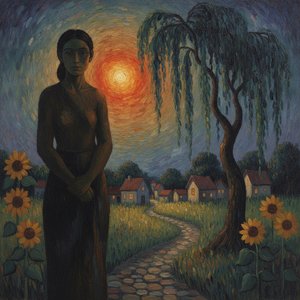
Beyond the Light: Discovering the Soul and Emotional Depth of Post-Impressionism
Embark on a cultural journey through Post-Impressionism. Discover the profound emotional depth of masters like Van Gogh and Cézanne, exploring how they moved beyond light to capture the very soul of human experience through vibrant color and symbolic form.

Trwała Spuścizna Malarstwa Olejnego: Technika, Historia i Estetyczny Wpływ
Poznaj historię i technikę malarstwa olejnego! Eksperckie artykuły o konserwacji, renowacji oraz współczesnych zastosowaniach. Dowiedz się więcej o mistrzach i trwałości obrazów olejnych.

Poza Światłem i Kolorem: Impresjonizm a Postimpresjonizm dla Wymagającego Kolekcjonera
Poznaj subtelne różnice między impresjonizmem a postimpresjonizmem. Ekspercka analiza dla wymagających kolekcjonerów sztuki. Inwestycje, historia i wartość dzieł.

Beyond Impressionism: How Post-Impressionism Revolutionized Modern Art through Emotion and Structure
Explore the profound evolution of art from Impressionism to Post-Impressionism. Discover how masters like Van Gogh revolutionized color and emotion, shaping modern art history through structural innovation and expressive technique.

Impresjonizm vs Postimpresjonizm: Ekskluzywny Przewodnik po Rewolucji Światła i Emocji w Malarstwie
Odkryj fascynującą różnicę między impresjonizmem a postimpresjonizmem. Poznaj historię rewolucji światła i emocji poprzez luksusowe, ręcznie malowane reprodukcje mistrzów w OriginalUniqueArt. Ekskluzywna jakość, tradycyjne techniki olejowe i profesjonalne doradztwo dla koneserów sztuki.