

 Zobacz w skali 1:1
 Wyślij
 Udostępnij
 Szczegóły
 Przewodnik

 Pobierz plik obrazu
 Podobne obiekty
 RTG
RTG Pokaz slajdów
 Statystyki
Jesuits III


 Czytaj więcej
Ręcznie malowana reprodukcja olejowa
Ręcznie malowany obraz olejny na płótnie, wykonany na zamówienie przez naszych artystów w wybranym przez Ciebie wymiarze i oprawie. ( Przełącz na wersję drukowaną Przełącz na wersję cyfrową)




































Wybierz spośród naszych standardowych rozmiarów, które zachowują oryginalne proporcje dzieła sztuki.

Wpisz wymaganą szerokość i wysokość, aby obraz pasował do Twojej ramy lub ściany. Ponieważ jest to dzieło malowane ręcznie, w przypadku rozmiaru o innym proporcji artysta może domalować nieco więcej wokół obrazu lub przyciąć fragmenty — wybór należy do Ciebie. Przed rozpoczęciem pracy prześlemy Ci cyfrową wizualizację do zatwierdzenia. Obraz widoczny na tej stronie nie przedstawia rzeczywistego efektu — jedynie wizualizacja oddaje realny rezultat.
Po złożeniu zamówienia zespół OriginalUniqueArt.com skontaktuje się z klientem drogą mailową w celu uzyskania instrukcji i prześle wizualizację projektu
Dostawa na całym świecie () w ciągu 3–4 tygodni zamiast standardowych 5 tygodni. (22 Październik). Bez kompromisów w kwestii jakości.

Bezpłatna ekspresowa wysyłka na cały świat

Wysokiej jakości płótno lniane

Pełne ubezpieczenie transportowe

Gwarancja zwrotu należności celnych i podatków importowych

Gwarancja idealnego odwzorowania barw

100-dniowy okres na zwrot dzieła w przypadku wykrycia wad produkcyjnych

Gwarancja 100% zwrotu pieniędzy

Oferta przy zakupie wielu sztuk
 Opcja ze szkłem jest dostępna wyłącznie w rozmiarach poniżej 110 cm

Jesuits III
Technika wykonania
Rozmiar reprodukcji
-


Suma do zapłaty
zł 1535
Composition and Style
The painting features several individuals engaged in various activities, creating a lively atmosphere within the artwork. The composition is characterized by geometric shapes, fragmented forms, and multiple perspectives, which are hallmarks of Cubism. Feininger's use of bold lines, vibrant colors, and textured brushstrokes adds depth and emotion to the piece.Inspiration and Context
"Cubism" was a pioneering movement that emerged in the early 20th century, led by artists such as Pablo Picasso and Georges Braque. The style rejected traditional techniques of perspective and representation, instead emphasizing geometric forms and fragmented images. Feininger's work was influenced by this movement, as well as his own experiences as a caricaturist and comic strip artist.- Discover more about the Cubist movement at the Musée National d'Art Moderne in Paris, France.
- Explore the works of other notable artists, such as Henri Matisse and his painting Luxe I Huile sur Toile Paris, Musée d'Art Moderne, available on OriginalUniqueArt.com.
- Learn more about the life and work of Lyonel Feininger on OriginalUniqueArt.com or Wikipedia.
The "Jesuits III" painting is a testament to Feininger's innovative style and his contribution to the development of modern art. As a masterpiece of Cubism, it continues to inspire and fascinate audiences today.
Pytania i odpowiedzi
Do którego okresu twórczości Lyonel Feininger należy dzieło "Jesuits III"?
„Jesuits III” należy do Mature Period w twórczości Lyonel Feininger. Klasyfikacja ta wiąże dzieło z rozwojem artysty.
Jak mogę pobrać obraz dzieła „Jesuits III” autorstwa Lyonel Feininger?
„Jesuits III” autorstwa Lyonel Feininger można pobrać ze strony Pobierz dzieła jako wysokiej rozdzielczości cyfrowe zdjęcie do pobrania.
Czy dzieło „Jesuits III” autorstwa Lyonel Feininger znajduje się w domenie publicznej i dlaczego?
„Jesuits III” autorstwa Lyonel Feininger znajduje się w stanowi domenę publiczną – autorskie prawa majątkowe wygasły. Okres ochrony praw autorskich liczony jest od śmierci artysty, która nastąpiła w 1956.
Biografia artysty
Early Life and Artistic Roots
Lyonel Charles Adrian Feininger, a name synonymous with the vibrant intersection of Expressionism and modern art, was born in New York City on July 17, 1871. His lineage was deeply rooted in artistic heritage; his father, Karl Wilhelm Friedrich Feininger, was a celebrated German-American violinist and composer, while his mother, Elizabeth Feininger, possessed a remarkable voice as an American singer. This familial legacy of musical and artistic talent profoundly shaped Lyonel’s early development, instilling within him a deep appreciation for creative expression from a remarkably young age.
His childhood was marked by extensive travels throughout Europe, experiences that proved pivotal in shaping his artistic sensibilities. Beginning at the tender age of sixteen, he embarked on a journey to study music in Hamburg and Berlin, immersing himself in the rich cultural landscape of these European capitals. However, it wasn’t solely music that captivated him; a burgeoning interest in visual arts quickly took hold, leading him to pursue drawing studies in both cities. These formative years exposed him to diverse artistic styles and techniques, laying the groundwork for his distinctive approach to painting.
A Career Forged in Commercial Art
Following his European sojourn, Feininger established a successful career as a caricaturist, a profession that would occupy much of his time from 1894 until the mid-1930s. He quickly gained recognition for his witty and engaging comic strips, which appeared in numerous German, French, and American magazines. Titles like “The Kin-der-Kids” and “Wee Willie Winkie’s World” became immensely popular, showcasing his remarkable ability to capture character and humor with a unique graphic style. This period provided him with invaluable experience in visual communication and commercial art, honing his skills in composition, layout, and audience engagement – skills that would later prove essential to his development as a fine artist.
The Transformative Influence of Expressionism and the Bauhaus
A significant turning point in Feininger’s artistic trajectory occurred at the age of thirty-six when he decisively transitioned from commercial art to fine art. This decision coincided with the rise of Expressionism, a movement characterized by its emphasis on emotional expression and subjective experience. He eagerly embraced this burgeoning artistic philosophy, joining influential groups such as Die Brücke, Novembergruppe, and Gruppe 1919, immersing himself in the vibrant creative atmosphere of Berlin’s avant-garde scene.
In 1919, a truly momentous opportunity presented itself: he was appointed as the first faculty member at the Bauhaus, the revolutionary art school founded by Walter Gropius. This appointment marked a profound shift in his career and provided him with access to an unparalleled environment for artistic experimentation. As the master artist in charge of the printmaking workshop, Feininger exerted a considerable influence on numerous students, shaping their artistic perspectives and fostering a spirit of innovation.
A Unique Artistic Style: Cubism, Architecture, and the Sea
Feininger’s artistic style was instantly recognizable, characterized by a distinctive blend of influences. He skillfully incorporated elements of Cubism, utilizing fragmented forms and multiple viewpoints to create dynamic compositions. Simultaneously, he drew inspiration from stained glass aesthetics, employing translucent colors and intricate patterns to evoke a sense of ethereal beauty. Furthermore, his work frequently referenced architecture, particularly the imposing structures of German churches and buildings, reflecting a deep fascination with form and space.
The sea played an equally significant role in his artistic vision. He repeatedly depicted maritime scenes, capturing the power and majesty of the Baltic Sea with remarkable precision and emotional intensity. These recurring motifs—architecture, stained glass, and the sea—became hallmarks of his unique style, distinguishing his work from that of other Expressionist artists.
Major Works and a Lasting Legacy
Throughout his prolific career, Feininger produced a vast body of artwork encompassing watercolors, drawings, prints, and paintings. Notable works include “Werder I,” a captivating watercolor depicting the German landscape; “Gaberndorf II,” a poignant paper drawing capturing a moment of quiet contemplation; and “Boats,” a vibrant cubist painting that exemplifies his innovative approach to form and color. These pieces, along with countless others, demonstrate his remarkable versatility and artistic depth.
Following the rise of Nazism in 1933, Feininger emigrated to the United States, where he continued to paint and create art until his death on January 13, 1956. Despite facing significant challenges during this period, he remained a dedicated artist, producing works that reflected both his personal experiences and his enduring artistic vision. Lyonel Feininger’s legacy extends far beyond his individual creations; he is remembered as a pivotal figure in the development of Expressionism and a key contributor to the Bauhaus movement, whose innovative ideas continue to inspire artists today.

Lyonel Feininger
1871 - 1956 , Stany Zjednoczone Ameryki
Najważniejsze informacje
- Artistic Movement Or Style: Ekspresjonizm
- Artists Or Movements Influenced By This Artist: ['Bauhaus']
- Artists Who Influenced This Artist:
- Gustav Fürst
- Robert Delaunay
- Date Of Birth: 1871
- Date Of Death: 1956
- Full Name: Lyonel Charles Adrian Feininger
- Nationality: Amerykański
- Notable Artworks:
- Werder I
- Gaberndorf II
- Boats
- Place Of Birth: Nowy Jork, USA
Zobacz także powiązane artykuły
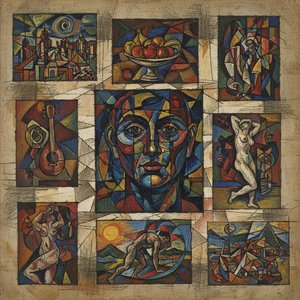
10 Arcydzieł Kubizmu Ekspresjonistycznego, które Zdefiniowały Sztukę | OriginalUniqueArt
Odkryj 10 arcydzieł kubizmu ekspresjonistycznego! Poznaj historię Picasso, Braque'a i innych mistrzów. Inspiracje wnętrzarskie i reprodukcje obrazów najwyższej jakości na OriginalUniqueArt.com – sztuka dla Twojego domu.

Dekonstrukcja Rzeczywistości: Estetyczne i Filozoficzne Fundamenty Ekspresjonizmu Kubistycznego
Odkryj głębię kubizmu! Analiza filozoficznych fundamentów ekspresjonizmu, techniki Picassa i Braque'a oraz wpływ na sztukę XX wieku. Ekskluzywne artykuły dla kolekcjonerów.
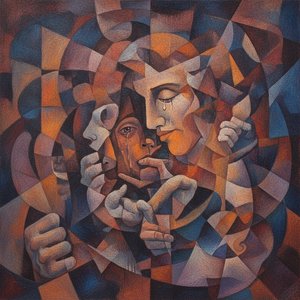
Beyond the Surface: Exploring the Emotional Depth of Cubist Expressionism
Discover the profound emotional resonance within Cubist Expressionism. Explore how fragmented forms and geometric abstraction convey deep human feeling through an expert art-historical lens for the discerning collector.
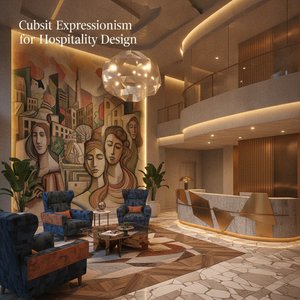
Cubist Expressionism for Hospitality Design: Integrating Geometric Structure with Emotional Depth
Elevate hospitality interiors with Cubist Expressionism. An expert guide for hotel designers on integrating geometric form and raw emotion through high-quality, custom-sized oil reproductions and large-scale multi-panel installations for professional art procurement.

Lyonel Feininger: Bridging Expressionism & Cubism – A Study of Spiritual Geometry
Explore the captivating world of Lyonel Feininger, a pivotal figure bridging Expressionism & Cubism. Discover his architectural visions, Bauhaus influence, and enduring legacy in modern art history. Learn more at OriginalUniqueArt.