
 Podgląd w skali
 Wyślij jako kartkę
 Udostępnij
 Szczegóły dzieła

 Pobierz
 Podobne obiekty
 RTG
RTG Pokaz slajdów
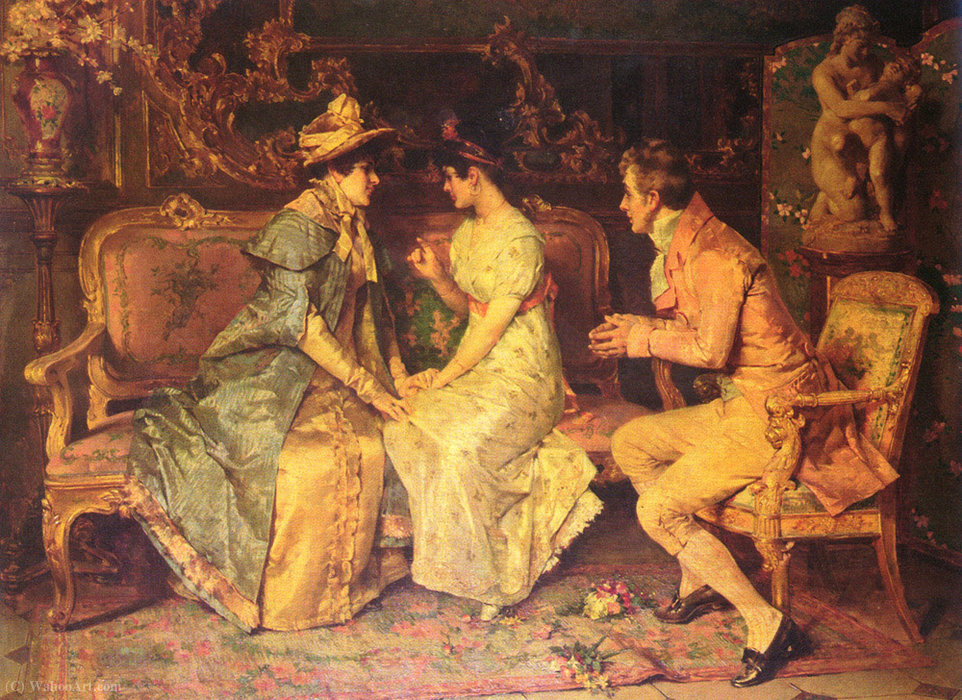
The suitor
 Rozwiń treść
Kup wysokiej rozdzielczości, ulepszony obraz cyfrowy o znacznie wyższej jakości niż podgląd online.
Każdy plik jest starannie przygotowywany przez naszych specjalistów przy użyciu zaawansowanych narzędzi oraz profesjonalnej, ręcznej retuszy. Dbamy o to, aby każdy obraz cechował się wyjątkową ostrością, precyzyjnym odwzorowaniem kolorów i subtelnymi detalami.
Ostateczny plik dostarczany jest drogą mailową w ciągu 72 godzin, zoptymalizowany do natychmiastowego wykorzystania w profesjonalnych zastosowaniach redakcyjnych i poligraficznych. To ta sama jakość, której ufają czołowe studia projektowe, wydawnictwa oraz galerie sztuki.
Obraz cyfrowy
Pobierz plik o wysokiej rozdzielczości do osobistego wyświetlania, druku oraz projektów kreatywnych. ( Zamów wydruk Zamów ręcznie malowaną reprodukcję)
W każdym zamówieniu na obraz cyfrowy znajduje się
Profesjonalna dostawa cyfrowa z gwarancją
Wybierając OriginalUniqueArt.com, nie otrzymujesz jedynie obrazu – otrzymujesz profesjonalnie udoskonalone cyfrowe dzieło sztuki, stworzone z najwyższą precyzją i objęte gwarancją satysfakcji. Oto wszystko, co automatycznie dołączane jest do Twojego zamówienia:

Błyskawiczna wysyłka e-mailowa
Plik z obrazem cyfrowym w wysokiej rozdzielczości zostanie przesłany na Twój adres e-mail w ciągu 72 godzin od złożenia zamówienia – gotowy do natychmiastowego użycia.

Plik cyfrowy wzbogacony przez AI
Twoja grafika została profesjonalnie zoptymalizowana przy użyciu zaawansowanych narzędzi AI oraz ręcznej edycji, co zapewnia maksymalną szczegółowość, klarowność i wierność kolorów.

Dożywotnia darmowa ponowna dostawa
Przypadkowo usunąłeś lub zgubiłeś swój plik? Bez obaw – prześlemy go Tobie ponownie w dowolnym momencie, bez żadnych opłat.

Bez opłat importowych – zawsze
Ciesz się swoją sztuką natychmiast, bez żadnych opłat celnych, należności ani kosztów dostawy – pliki cyfrowe są zawsze wolne od podatku.

Gwarancja wierności kolorów
Dzięki zastosowaniu profesjonalnych narzędzi i procesów zarządzania barwą zapewniamy, że Twoje cyfrowe zdjęcie odzwierciedla oryginalne kolory tak wiernie, jak to tylko możliwe.

60-dniowa gwarancja satysfakcji
Jeśli nie będziesz zadowolony ze swojego cyfrowego obrazu, dokonamy jego poprawki lub zwrócimy 100% kosztów w ciągu 60 dni – bez żadnych pytań.

100% Gwarancja zwrotu pieniędzy
Nie jesteś zadowolony? Otrzymaj pełny zwrot kosztów w ciągu 60 dni od otrzymania pliku cyfrowego – bez zbędnych pytań.

Rabaty przy zamówieniach hurtowych
Kup 3 obrazy, oszczędź 10% - Kup 5, oszczędź 15% - Kup 10+, oszczędź 20%. Idealne do projektów kreatywnych, galerii i agencji.
Biografia artysty
Luis Álvarez Catalá (1836 - 1901): A Painter of Northern Spain’s Soul
Luis Álvarez Catalá (born January 22, 1836 – died October 4, 1901) was a Spanish painter renowned for his depictions of rural life and historical scenes rooted in the traditions of Asturias and León. He achieved considerable acclaim during his lifetime as Director of the Museo del Prado from 1898 to 1901, cementing his legacy as a pivotal figure in late nineteenth-century Spanish art.Early Life and Artistic Formation
Catalá’s origins lay in Helmo, Asturias, where he spent formative summers amidst the landscapes that would profoundly inspire his artistic vision. His family's heritage instilled in him a deep connection to the region’s cultural identity—a connection that would permeate throughout his oeuvre. Following primary education in Oviedo, he pursued formal artistic training at the Escuela Especial de Pintura, Escultura y Grabado and subsequently enrolled at the Real Academia de Bellas Artes de San Fernando in Madrid, under the tutelage of Federico de Madrazo. This influential mentorship shaped his technique and aesthetic sensibilities, establishing him firmly within the academic tradition prevalent during his era.Rome and Artistic Breakthrough
In 1857, Catalá embarked on a transformative journey to Rome—a pilgrimage for aspiring artists seeking inspiration and honing their craft amidst Europe’s artistic epicenter. Alongside Eduardo Rosales and Vicente Palmaroli, he benefited from a generous scholarship, allowing him to immerse himself in the Roman artistic milieu. The experience proved decisive, culminating in the prestigious Gold Medal awarded at the First National Exposition of Florence for his painting “Calpurnia’s Dream,” which secured second place at the National Exhibition of Fine Arts in Spain in 1862. This accomplishment signaled a burgeoning talent and established him as one of Spain's most promising painters.Style and Technique: Costumbrismo and Detail
Catalá’s artistic style distinguished itself through its meticulous observation of everyday life—a characteristic known as costumbrismo. He captured the essence of rural Asturias and León with remarkable precision, portraying scenes imbued with vibrant colors and intricate details that conveyed a palpable sense of authenticity. His canvases weren't merely representations; they were windows into specific cultural contexts, reflecting the customs, traditions, and social realities of his time. This dedication to realism—combined with masterful brushwork—became a hallmark of his artistic practice.Directorate at the Museo del Prado and Legacy
Catalá’s appointment as Director of the Museo del Prado in 1898 marked a significant moment in Spanish art history. During his tenure, he championed ambitious acquisitions aimed at enriching the museum's collection—most notably securing several works by Francisco Goya, furthering the Prado’s reputation as a repository of artistic excellence. He oversaw the installation of Aniceto Marinas’ statue of Velázquez and spearheaded the publication of *Catálogo ilustrado de la sala de Velázquez*, meticulously documenting the museum’s celebrated Velázquez Gallery. His unwavering commitment to preserving and promoting Spanish art ensured that his influence would endure beyond his lifetime, securing his place as a pivotal figure in the Prado's history and cementing his contribution to the broader artistic landscape of Spain.Notable Works
* “The Filandón”: A captivating portrayal of a traditional evening gathering in León and Asturias, embodying Catalá’s masterful depiction of rural life. * “Calpurnia’s Dream”: Recognized for its second place at the National Exhibition of Fine Arts in Spain in 1862, showcasing his exceptional skill in capturing emotion and narrative within a historical context.
luis alvarez catala
1836 - 1901
Krótka nota
- Artistic Movement Or Style: Costumbrista
- Artists Or Movements Influenced By This Artist: ['Diego Velázquez']
- Artists Who Influenced This Artist: ['Federico de Madrazo']
- Date Of Birth: January 22, 1836
- Date Of Death: October 4, 1901
- Full Name: Luis Álvarez Catalá
- Nationality: Spanish
- Notable Artworks:
- The Filandón
- The Suitor
- Calpurnia's Dream
- Place Of Birth: Madrid, Spain

