Zamów wydruk Kup cyfrowy obraz
 Udostępnij
 Udostępnij
 Szczegóły dzieła
 Dodaj do ulubionych

 Pobierz
 Podobne obiekty
 RTG
RTG
 Pokaz slajdów
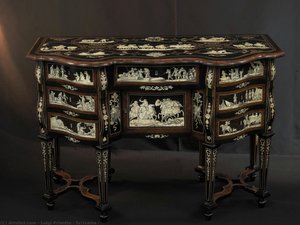
Stół
 Akryl na płótnie
- Sztuka ścienna
- Baroque
 1730
1730 131.0 x 83.0 cm
 Pałac Wenecki
 Rozwiń treść
Ręcznie malowana reprodukcja olejowa
Ręcznie malowany olej na płótnie w Twoim wymiarze i ramie, tworzony na zamówienie przez naszych artystów.




P118B $10

P118H $10

P118W $10

P438Z $10

P508JH $12

P508YH $12

P805H $10

P805Z $10

P919BZ $10

P919G $10

P919XJ $10

P959ZH $10

P968JZ $12

W106C $8

W218G $10

W218JH $8

W218Y $10

W307PJ $10

W316G $10

W316PJ $8

W316Y $10

W398PJ $8

W4111J $10

W500HY $15

W500JH $15

W692G $12

W849H $8

W940BG $15

W953PJ $8




Wybierz spośród naszych predefiniowanych rozmiarów, które zachowują oryginalne proporcje dzieła sztuki.

Możesz wprowadzić własne wymiary, aby dopasować obraz do konkretnej ramy lub przestrzeni. Jeśli wybrany rozmiar nie będzie odpowiadał proporcjom oryginału, przytniecie dzieło sztuki lub rozszerzymy je o dodatkowe elementy, ręcznie domalowane przez artystę. Przed rozpoczęciem produkcji wyślemy projekt cyfrowy do Twojej akceptacji.
Należy pamiętać, że podgląd na ekranie nie odzwierciedla rzeczywistego przycinania ani rozszerzania obrazu. Tylko projekt dokładnie pokaże ostateczną kompozycję.
Choć oferujemy możliwość zamówienia niestandardowych rozmiarów, zalecamy wybór wymiaru z gotowej listy, aby zachować oryginalne proporcje dzieła.
Po złożeniu zamówienia zespół OriginalUniqueArt.com skontaktuje się z klientem drogą mailową w celu uzyskania instrukcji i prześle wizualizację projektu
Dostawa na całym świecie () w ciągu 3/4 tygodni zamiast standardowych 5 tygodni. (22 Lipiec). Bez kompromisów w kwestii jakości.

Bezpłatna ekspresowa wysyłka na cały świat

Wysokiej jakości płótno lniane

Pełne ubezpieczenie przesyłki

Gwarancja zwrotu należności celnych

Gwarancja pełnego zgodności kolorystycznej

Polityka 60-dniowego zwrotu (tylko w przypadku wad)

Gwarancja 100% zwrotu pieniędzy

Zniżka przy większych zamówieniach
 Opcja szkła jest dostępna wyłącznie w rozmiarach poniżej 110 cm

Stół
Technika reprodukcji
Wymiary reprodukcji
-


Cena całkowita
-
Opis dzieła
Luigi Prinotto’s “Scrivania”: A Window into Baroque Turin
The painting "Scrivania" by Luigi Prinotto, completed in 1730, transcends mere depiction; it's a carefully crafted tableau that encapsulates the spirit of Baroque Turin and invites contemplation on themes of faith, observation, and human interaction. Measuring 131 x 83 cm, this artwork resides within the San Luigi dei Francesi museum in Rome – a testament to its enduring artistic merit and its connection to the broader European Baroque tradition. Visiting this historic church allows one to appreciate Caravaggio’s masterpieces alongside Prinotto's evocative portrayal of everyday life elevated by masterful artistry.- Subject Matter: At first glance, “Scrivania” presents a seemingly simple scene – a desk laden with objects and populated by several figures. However, this apparent simplicity belies a profound depth of observation. The artist meticulously captures the nuances of human posture and expression, conveying a palpable sense of activity and conversation.
- Style & Technique: Prinotto’s style firmly anchors itself within the Baroque aesthetic, characterized by dramatic chiaroscuro – the skillful manipulation of light and shadow – which dominates the composition. This technique, honed during his formative years in Rome under Jacopo Bassano's influence, imbues the painting with an ethereal quality, highlighting key elements and creating a captivating visual experience.
Historical Context: Turin’s Baroque Flourishing
The year 1730 marks Turin during its zenith of Baroque splendor. The Savoy monarchy actively fostered artistic patronage, commissioning monumental churches and elaborate decorative schemes—a tradition that Prinotto wholeheartedly embraced. This period witnessed a fervent belief in religious fervor and an aspiration for grandeur, reflected not only in architectural achievements but also in visual arts like “Scrivania.” The inclusion of an elephant – a symbol of exoticism and wealth – underscores the cosmopolitan influences shaping Turin’s cultural landscape at the time.Symbolism & Emotional Resonance
Beyond its technical prowess, "Scrivania" resonates with symbolic significance. The desk itself represents intellect and productivity, while the figures embody human connection and contemplation. The elephant serves as a reminder of distant lands and spiritual enlightenment—a motif prevalent in Baroque art aimed at inspiring awe and conveying moral lessons. Prinotto’s masterful use of light directs the viewer's gaze towards central subjects, fostering an emotional response rooted in wonder and reverence.A Reproduction Worthy of Distinction
A high-quality reproduction of Luigi Prinotto’s “Scrivania” offers a remarkable opportunity to bring this Baroque masterpiece into your home. OriginalUniqueArt.com presents meticulously crafted reproductions that faithfully capture the original artwork's luminosity and textural detail, allowing you to appreciate its beauty and historical context for years to come. Explore our collection today and discover the transformative power of art.Biografia artysty
Claude François (Frère Luc): A Life Painted in Faith and Light
Claude François, more intimately known as Frère Luc – a name bestowed upon him after his dedication to the Recollets order – stands as a compelling figure within 17th-century French art. Born in Amiens around 1614, his early life was marked by a fascination with drawing and an apprenticeship under Simon Vouet, a prominent Mannerist painter in Paris. This initial training provided him with a solid foundation, but it was his subsequent journey to Rome that truly shaped his artistic vision. There, amidst the echoes of the Old Masters, he honed his skills, meticulously copying works by giants like Jacopo Bassano and absorbing their techniques – particularly the masterful use of light and shadow. A pivotal moment in his life occurred during a youthful fall from a church tower; this event, recounted with dramatic detail, became intertwined with a promise to dedicate his life to religious service, solidifying his path towards monasticism.The Recollets and a Journey to New France
In 1670, Claude François embraced the Recoletos (Recollets) order in Châlons-en-Champagne, adopting the moniker Frère Luc. This transition marked a significant shift in his artistic focus, moving away from purely secular commissions and towards devotional works intended to inspire faith. His time within the monastery was not merely one of quiet contemplation; he actively contributed to the embellishment of sacred spaces, notably designing the reconstruction of Quebec’s monastery and seminary – a testament to his practical skills and dedication. However, his artistic spirit extended beyond France's borders, leading him to New France (Canada) in 1670. During his fifteen-month sojourn, Frère Luc produced a series of monumental religious paintings, most notably *La Sainte Famille à la Huronne* (The Holy Family with a Huron Woman), which remains a significant work reflecting the complexities and nuances of early colonial encounters. These canvases served as powerful visual narratives for the burgeoning Catholic community in Quebec City, bridging European artistic traditions with Indigenous perspectives.Style and Influences: A Harmonious Blend
Frère Luc’s artistic style is characterized by a remarkable synthesis of influences – a harmonious blend of Mannerism, Raphael's grace, and the dramatic lighting techniques of Italian masters. His early works, particularly those produced in Rome, demonstrate a clear admiration for Raphael, mirroring his compositional clarity, balanced forms, and refined elegance. However, he wasn’t merely a copyist; he infused these influences with a distinctly French sensibility, employing a softer palette and a more intimate portrayal of figures. The impact of Flemish genre painting, particularly the work of Adriaen Brouwer, is also evident in his depictions of peasant life – scenes rendered with a keen eye for detail, capturing both the humor and the hardship of everyday existence. Furthermore, elements of Caravaggio’s dramatic chiaroscuro are subtly integrated into his compositions, creating a sense of depth and emotional intensity.Notable Works and Legacy
Among Frère Luc's most celebrated works are *L'Assomption de la Vierge* (The Assumption of the Virgin), created at a remarkably young age in Amiens, and his series of paintings for the Jacobin church – including a copy of Bassano’s *Assumption*. His portrait of Saint Augustine presenting a dead child to the Madonna and Child, with a canvas showing his fall into the Somme behind the Virgin, is a poignant example of his ability to imbue religious subjects with personal narrative. His contributions to Quebec City's artistic landscape were particularly significant, establishing a precedent for large-scale devotional paintings that would shape the visual identity of the nascent colony. While often overshadowed by more prominent figures of the era, Claude François (Frère Luc) remains a vital figure in French art history – an artist who seamlessly combined religious devotion with technical mastery and a profound understanding of human experience.Connections to Other Artists
Frère Luc’s artistic journey reveals intriguing connections to other prominent figures of the 17th century. His early training under Simon Vouet, a key figure in the development of French portraiture, laid the groundwork for his subsequent career. The influence of Domenichino, Raphael's student, is also apparent in his meticulous attention to detail and compositional balance. Furthermore, his time in Rome exposed him to the works of Jacopo Bassano, whose dramatic use of light and color profoundly impacted his own style. The echoes of Adriaen Brouwer’s genre paintings are particularly noticeable in his depictions of peasant life, suggesting a shared interest in capturing the realities of everyday existence. Finally, his work with Jean-Marc Nattier during the later years of his career demonstrates a continued engagement with portraiture and a mastery of fashionable artistic trends.
luigi prinotto
1685 - 1780 , Italy
Kluczowe informacje
- Artistic Movement Or Style: Baroque
- Artists Or Movements Influenced By This Artist:
- Jacopo Bassano
- Jean-Marc Nattier
- Artists Who Influenced This Artist:
- Simon Vouet
- Raphael
- Date Of Birth: 1614
- Date Of Death: 1685
- Full Name: Claude François (Frère Luc)
- Nationality: French
- Notable Artworks:
- Assumption of the Virgin
- Saint Augustine's Vision
- Place Of Birth: Amiens, France
Powiązane artykuły
25 Arcydzieł Metropolitańskiego Muzeum Sztuki: Inspiracje dla Twojego Domu
Odkryj 25 arcydzieł Metropolitańskiego Muzeum Sztuki! Van Gogh, Monet, Renoir i inni – historie artystów, techniki i inspiracje dla Twojego wnętrza. Reprodukcje najwyższej jakości na OriginalUniqueArt.com. Eksploruj kolekcję online!
25 Arcydzieł Detroit Institute of Arts: Historia, Sztuka i Dekoracja Domu
Odkryj 25 arcydzieł Detroit Institute of Arts! Poznaj historie Van Gogha, Moneta i Rembrandta. Inspiracje do dekoracji wnętrz z reprodukcjami najwyższej jakości na OriginalUniqueArt.com – sztuka dla Twojego domu.
25 Arcydzieł MoMA: Najsłynniejsze Obrazy i Dekoracje dla Miłośników Sztuki | OriginalUniqueArt.com
Odkryj 25 arcydzieł MoMA! Poznaj historie Van Gogha, Picassa i Warhola. Reprodukcje słynnych obrazów, inspiracje wnętrzarskie i dekoracje ścienne najwyższej jakości. OriginalUniqueArt.com – sztuka dla Twojego domu.
25 Arcydzieł Galerii Narodowej w Waszyngtonie: Sztuka, Historia i Inspiracje dla Domu
Odkryj 25 arcydzieł Galerii Narodowej w Waszyngtonie! Poznaj historie Cézanne'a, Matisse'a i Picassa. Inspiracje wnętrzarskie, reprodukcje obrazów najwyższej jakości na OriginalUniqueArt.com – sztuka dla Twojego domu.

James Abbott McNeill Whistler: 25 Arcydzieł Sztuki Pejzażowej i Portretowej | OriginalUniqueArt
Odkryj 25 arcydzieł Jamesa Abbotta McNeilla Whistler'a! Poznaj historię impresjonistycznych pejzaży, portretów i słynnych 'Nokturnów'. Reprodukcje obrazów najwyższej jakości na OriginalUniqueArt.com – inspiracje dla Twojego wnętrza.