

 Zobacz w skali 1:1
 Wyślij
 Udostępnij
 Szczegóły
 Przewodnik

 Pobierz plik obrazu
 Podobne obiekty
 RTG
RTG Pokaz slajdów
 Statystyki
Card Players
 Oil On Panel
- Renaissance Humanism
 1525
1525 40.0 x 50.0 cm
 Muzeum Thyssen-Bornemisza
 Czytaj więcej
Giclée / Wydruk artystyczny
Wydruki giclée lub płótna o jakości muzealnej, szybka realizacja i szeroki wybór opcji wykończenia. ( Kup ręcznie malowany obraz Przełącz na wersję cyfrową)




P118B zł10

P118H zł10

P118W zł10

P438Z zł10

P508JH zł12

P508YH zł12

P805H zł10

P805Z zł10

P919BZ zł10

P919G zł10

P919XJ zł10

P959ZH zł10

P968JZ zł12

W106C zł8

W218G zł10

W218JH zł8

W218Y zł10

W307PJ zł10

W316G zł10

W316PJ zł8

W316Y zł10

W398PJ zł8

W4111J zł10

W500HY zł15

W500JH zł15

W692G zł12

W849H zł8

W940BG zł15

W953PJ zł8




Wybierz spośród naszych standardowych rozmiarów, które zachowują oryginalne proporcje dzieła sztuki.

Wpisz wymaganą szerokość i wysokość, aby dopasować grafikę do ramy lub ściany. Wydruk można jedynie przyciąć, nigdy nie powiększając go poza oryginalny obraz, dlatego format o innym proporcji spowoduje utratę części kompozycji. Przed rozpoczęciem druku prześlemy Ci cyfrowy podgląd do zatwierdzenia. Obraz wyświetlany na tej stronie nie pokazuje rzeczywistego przycięcia — jedynie podgląd oddaje ten efekt.
Dostawa na cały świat () w ciągu 2 tygodni zamiast standardowych 4/5 tygodni. (25 Październik)

Bezpłatna ekspresowa wysyłka na cały świat

Wysokiej jakości płótno lniane

Pełne ubezpieczenie transportowe

Gwarancja zwrotu należności celnych i podatków importowych

Gwarancja idealnego odwzorowania barw

100-dniowy okres na zwrot dzieła w przypadku wykrycia wad produkcyjnych

Gwarancja 100% zwrotu pieniędzy

Oferta przy zakupie wielu sztuk
 Opcja ze szkłem jest dostępna wyłącznie w rozmiarach poniżej 110 cm

Card Players
Giclée / Wydruk artystyczny
Rozmiar reprodukcji
-


Suma do zapłaty
zł 307
The Quiet Intensity of “Card Players” by Lucas van Leyden
Lucas van Leyden’s “Card Players,” painted in 1525, is more than just a depiction of a game; it's a meticulously crafted snapshot of a burgeoning social world. Often referred to as the "Genesis of a Game," this oil-on-panel work offers a rare glimpse into the lives and leisure activities of the early 16th century Netherlands – a period marked by both artistic innovation and profound societal shifts. Van Leyden, a master painter and engraver deeply influenced by both Italian Renaissance ideals and his native Flemish traditions, has created an image that resonates with quiet intensity and unspoken narratives, inviting viewers to contemplate the complexities of human interaction.
The painting’s origins are rooted in the evolving social landscape of Europe. As urban centers flourished, new forms of social engagement emerged, and card games – previously largely confined to aristocratic circles – began to gain popularity among merchants, artisans, and a rising middle class. Van Leyden brilliantly captures this transformation by presenting not a grand tournament or formal competition, but a private gathering—a moment of shared camaraderie amidst the everyday realities of life. The composition itself is carefully orchestrated; the three figures are arranged in a dynamic triangular formation, drawing the eye to each individual while simultaneously suggesting an interplay between them – a silent conversation unfolding beneath the surface.
A Study in Detail: Technique and Composition
Van Leyden’s technical mastery is immediately evident. Every detail, from the folds of the clothing to the glint of light on the cards, is rendered with painstaking precision. The artist employs a masterful use of chiaroscuro – the dramatic contrast between light and shadow – to sculpt the figures, creating a sense of depth and volume that draws the viewer into the scene. Notice how the dark background serves to isolate the players, intensifying their presence and emphasizing their engagement with the game. The meticulous rendering of textures—the rough weave of the robes, the smooth surface of the cards—adds a remarkable level of realism, while the subtle variations in color contribute to the overall sense of atmosphere.
Furthermore, Van Leyden’s compositional choices are deliberate and sophisticated. The triangular arrangement of figures creates visual stability and directs the viewer's eye across the canvas. The placement of the women, particularly the central figure with her elaborate headdress, subtly asserts a position of authority within the group—a reflection of the changing roles of women in society during this period. The use of perspective, though not entirely linear, contributes to the illusion of depth and space, further immersing the viewer in the scene.
Symbolism and Context: A Window into Renaissance Life
Beyond its technical brilliance, “Card Players” is rich in symbolic meaning. The game itself represents more than just a pastime; it symbolizes social status, wealth, and intellectual engagement. The piles of gold coins scattered on the table are a clear indication of prosperity and success—a key aspiration for many merchants and artisans during this era. The cards themselves can be interpreted as metaphors for chance, fortune, and the unpredictable nature of life. The quiet expressions on the faces of the players suggest a blend of concentration, anticipation, and perhaps even a touch of rivalry.
Moreover, the painting reflects the humanist ideals that were gaining prominence during the Renaissance. Van Leyden’s focus on human interaction and everyday life—rather than grand historical events or religious narratives—aligns with this broader cultural shift. The scene is not idealized; it's grounded in reality, offering a nuanced portrayal of social dynamics and the complexities of human relationships. The painting serves as a testament to the Renaissance fascination with observing and representing the world around us.
Emotional Resonance: A Moment Frozen in Time
“Card Players” possesses a remarkable emotional resonance that transcends its historical context. Despite the lack of overt drama, the painting evokes a sense of quiet intensity—a feeling of being privy to a private moment of connection and shared experience. The subtle expressions on the faces of the players invite viewers to speculate about their thoughts and feelings, creating a powerful sense of empathy. The scene is both familiar and enigmatic, capturing the timeless appeal of human interaction and the enduring fascination with games of chance.
Whether viewed as a historical document, an artistic masterpiece, or simply a captivating image, “Card Players” continues to resonate with audiences today—a testament to Lucas van Leyden’s skill as a painter and his profound understanding of the human condition.
Pytania i odpowiedzi
W jakiej technice wykonano "Card Players" i jakie są jego wymiary?
Technika wykonania dzieła „Card Players” autorstwa Lucas Van Leyden to Oil On Panel, a jego wymiary to 40 x 50 cm.
Jakie są wymiary oryginalnego dzieła „Card Players” autorstwa Lucas Van Leyden?
Oryginalny utwór „Card Players” autorstwa Lucas Van Leyden ma wymiary 40 x 50 cm.
Czy Lucas Van Leyden, twórca "Card Players", jest znany pod innymi nazwiskami?
Inne znane nazwiska Lucas Van Leyden, twórcy "Card Players", to Łukasz Van Leyden, Lucas Hugensz Van Leyden.
Biografia artysty
Początki i formacja artystyczna Lucasa van Leydena
Lucas van Leyden, urodzony w 1494 roku w holenderskim mieście Leiden, był postacią niezwykle ważną dla rozwoju malarstwa niderlandzkiego. Syn Huygha Jacobsz, samego malarza, od najmłodszych lat chłonął atmosferę warsztatową i artystyczne inspiracje. Jego pierwszą szkołą była pracownia ojca, gdzie pod okiem doświadczonego mistrza poznawał podstawy rzemiosła. Jednak to w 1508 roku, dołączając do warsztatu Cornelisa Engelbrechtsza, Lucas van Leyden zyskał możliwość doskonalenia swoich umiejętności i kształtowania własnego, unikalnego stylu. To właśnie tam jego talent zaczął rozkwitać, a on sam wykazywał niezwykłą predyspozycję do malarstwa rodzajowego oraz grafiki.
Rozwój artystyczny i pionierskie osiągnięcia
Van Leyden był jednym z pierwszych holenderskich twórców, którzy sięgnęli po tematykę scen rodzajowych, ukazując codzienne życie zwykłych ludzi w sposób dotychczas niespotykany. Jego wczesne prace (okres 1506-1512) cechuje niezwykła oryginalność i świeżość spojrzenia na świat. Już wtedy dostrzegalna była jego wyjątkowa wrażliwość oraz umiejętność oddawania subtelnych emocji. Z biegiem lat rozwijały się również jego pejzaże, a on sam stał się wirtuozem grafiki – niezwykle utalentowanym rytownikiem. Najwcześniejszy znany jego rycinę, Mohammed i zamordowany mnich (1508), stanowi dowód jego mistrzostwa w tej dziedzinie.
Wybrane dzieła i charakterystyczne cechy stylu
Do dziś zachowało się siedemnaście obrazów, które z pewnością można przypisać Lucasowi van Leydenowi. Wśród nich wyróżniają się:
- Uzdrowienie ślepego Jerzego, arcydzieło ukazujące liczne postacie na tle rozległych lasów, pełne dynamiki i życia.
- Święty Paweł, przykład jego niezwykłego kunsztu grafickiego, precyzji linii i dbałości o detale.
- Dojarka (rycina z 1510 roku), świadectwo wczesnego talentu van Leydena do oddawania realizmu i atmosfery codzienności.
Jego styl charakteryzuje świeża kolorystyka, subtelna perspektywa powietrzna – cecha szczególnie ceniona przez Albrechta Dürera – oraz niezwykła dbałość o szczegóły. Van Leyden potrafił w sposób mistrzowski oddać faktury materiałów, grę świateł i cieni, tworząc obrazy pełne życia i realizmu.
Dziedzictwo Lucasa van Leydena i obecność jego dzieł
Wkład Lucasa van Leydena w rozwój holenderskiego malarstwa rodzajowego oraz grafiki jest niepodważalny. Jego innowacyjny styl, techniczne umiejętności i oryginalne spojrzenie na świat uczyniły go jedną z najważniejszych postaci renesansowej sztuki niderlandzkiej. Jako pionier gatunku, van Leyden wywarł ogromny wpływ na kolejnych artystów i do dziś inspiruje miłośników sztuki.
Odkryj dzieła Lucasa van Leydena na OriginalUniqueArt.com Poznaj kolekcję Van Gogh Museum w Holandii online: Van Gogh Museum (Holandia) Dowiedz się więcej o holenderskiej sztuce i jej pionierach na blogu OriginalUniqueArt.comDoświadź świata sztuki z OriginalUniqueArt.com, gdzie znajdziesz bogatą kolekcję dzieł, w tym te autorstwa Lucasa van Leydena.

Lucas Van Leyden
1494 - 1533 , Holandia
Najważniejsze informacje
- Artyści, Którzy Go Zainspirowali: ['Albrecht Dürer']
- Artyści/Ruch Inspirowani Nim: ['Renesans niemiecki']
- Data Urodzenia: Leiden, Holandia (1494)
- Data Śmierci: 1533
- Miejsce Urodzenia: Leiden, Holandia
- Narodowość: Holenderski
- Pełne Imię: Lucas Hugensz van Leyden
- Styl Artystyczny: Wczesny renesans niderlandzki
- Znane Dzieła:
- Uzdrowienie niewidomego z Jerycha
- Święty Paweł
- Dojarka
Zobacz także powiązane artykuły

Jan van Goyen: Master of Dutch Landscape & Atmospheric Perspective
Discover Jan van Goyen, the master of Dutch landscape painting. Explore his subtle technique, atmospheric realism & lasting influence on art history. Learn about this 17th-century pioneer at OriginalUniqueArt.

Golden Light & Dutch Skies: The Timeless Magic of Dutch Golden Age Landscapes
Discover the breathtaking beauty of Dutch Golden Age landscapes. Explore the mastery of light, chiaroscuro, and 17th-century realism through an expert art history lens, celebrating the enduring legacy of the Dutch Masters for discerning collectors and art lovers.

Rembrandt van Rijn: 25 Najwybitniejszych Dzieł Sztuki – Reprodukcje i Inspiracje do Wnętrz
Poznaj 25 arcydzieł Rembrandta van Rijn! Odkryj fascynujące historie, techniki i wpływ holenderskiego mistrza baroku na świat sztuki. Reprodukcje obrazów najwyższej jakości – inspiracje do wnętrz na OriginalUniqueArt.com

Lucas van Leyden: Innovation & Intimacy in Early Netherlandish Printmaking
Explore the groundbreaking prints of Lucas van Leyden, a Dutch master bridging Gothic detail & Renaissance innovation. Discover his rare works, investment potential, and legacy for discerning collectors.
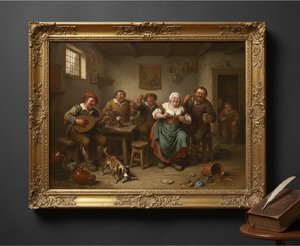
Adriaen van Ostade: A Master of Dutch Genre Painting & Social Commentary
Explore the life & work of Adriaen van Ostade, a leading Dutch Golden Age painter. Discover his realistic genre scenes, social commentary, and lasting influence on art history. Learn more at OriginalUniqueArt.
