Podgląd w skali 1:1
 Wyślij jako kartkę
 Udostępnij
 Szczegóły dzieła
 Przewodnik

 Pobierz obraz
 Podobne obiekty
 RTG
RTG Pokaz slajdów
 Q&A
Q&A Statystyki
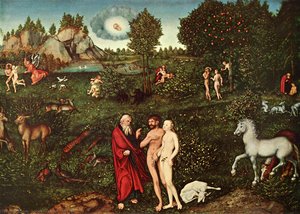
Adam i Eva
 Obraz olejny na płycie
- Sztuka ścienna
- Early Renaissance
 1530
1530- Renesans
 81.0 x 114.0 cm
 Rozwiń treść
Giclée / Wydruk artystyczny
Wydruki giclée lub płótna o jakości muzealnej, szybka realizacja i szeroki wybór opcji wykończenia. ( Zamów ręcznie malowaną reprodukcję Przejdź do wersji cyfrowej)




P118B zł10

P118H zł10

P118W zł10

P438Z zł10

P508JH zł12

P508YH zł12

P805H zł10

P805Z zł10

P919BZ zł10

P919G zł10

P919XJ zł10

P959ZH zł10

P968JZ zł12

W106C zł8

W218G zł10

W218JH zł8

W218Y zł10

W307PJ zł10

W316G zł10

W316PJ zł8

W316Y zł10

W398PJ zł8

W4111J zł10

W500HY zł15

W500JH zł15

W692G zł12

W849H zł8

W940BG zł15

W953PJ zł8




Wybierz spośród naszych standardowych rozmiarów, które zachowują oryginalne proporcje dzieła sztuki.

Wpisz wymaganą szerokość i wysokość, aby dopasować grafikę do ramy lub ściany. Wydruk można jedynie przyciąć, nigdy nie powiększając go poza oryginalny obraz, dlatego format o innych proporcjach spowoduje utratę części kompozycji. Przed rozpoczęciem druku prześlemy Ci cyfrowy podgląd do zatwierdzenia. Obraz wyświetlany na tej stronie nie pokazuje rzeczywistego przycięcia — jedynie podgląd oddaje ten efekt.
Dostawa na cały świat () w ciągu 2 tygodni zamiast standardowych 4/5 tygodni. (31 Październik)

Bezpłatna ekspresowa wysyłka na cały świat

Wysokiej jakości płótno lniane

Pełne ubezpieczenie przesyłki

Gwarancja zwrotu należności celnych i podatków importowych

Gwarancja wiernego odwzorowania kolorów

100-dniowa polityka zwrotów (tylko w przypadku wad)

Gwarancja 100% zwrotu pieniędzy

Zniżka przy zakupie wielu sztuk
 Opcja ze szkłem jest dostępna wyłącznie w rozmiarach poniżej 110 cm

Adam i Eva
Giclée / Wydruk artystyczny
Wymiary reprodukcji
-


Cena całkowita
zł 311
Porywająca biblijna narracja i bogata symbolika
To wyborne dzieło sztuki żywo oddaje kluczowy moment z biblijnej opowieści o Adamie i Ewie w Ogrodzie Eden. Stworzone przez znamienitego mistrza niemieckiego renesansu, Lucasa Cranacha Starszego, stanowi niezwykle szczegółowe i symboliczne tableau, które zaprasza widzów do świata boskiej niewinności, pokusy i ludzkiej ułomności. Scena tętni życiem dzięki bujnej roślinności, barwnym zwierzętom i ekspresyjnym postaciom ludzkim, a wszystko to splecione w opowieść, która rezonuje przez wieki. Narracyjna głębokia i symboliczne bogactwo kompozycji czynią ją porywającym centrum każdej kolekcji czy przestrzeni wnętrza, inspirując do refleksji nad moralnością, wiedzą i ludzką kondycją.Mistrzowski styl i technika
Wykonane z niezwykłą precyzją, dzieło to stanowi przykład kunsztu Cranacha w realizmie wczesnego renesansu połączonego z bogatą ikonografią. Zastosowanie tempery lub olejów na desce pozwala na uzyskanie żywej kolorystyki i subtelnego pociągnięcia pędzla, które ożywiają tekstury miękkiej skóry, szorstkiej kory czy delikatnych piór. Precyzyjne kontury i płynne linie nadają całości klarowność i elegancję, podczas gdy zrównoważona, a zarazem dynamiczna kompozycja prowadzi wzrok widza przez całą scenę. Relatywnie płaska perspektywa, charakterystyczna dla tego okresu, jest równoważona przez nakładające się na siebie postacie i wielowarstwowe elementy krajobrazu, co dodaje narracji głębi i wymiaru.Kontekst historyczny i znaczenie artystyczne
Powstałe około 1530 roku, dzieło to wpisuje się w okres głębokich przemian religijnych i kulturowych w Europie. Cranach, malarz dworski elektorów saskich, był głęboko zaangażowany w duchowe i intelektualne prądy swoich czasów. Jego przedstawienia tematów biblijnych często łączą realizm z alegorią, odzwierciedlając nacisk Reformacji na osobistą wiarę i boską wiedzę. Ta konkretna scena nawiązuje do wcześniejszych studiów Cranacha inspirowanych anatomią Dürera oraz jego fascynacji ideami humanistycznym. Jako wysokiej jakości reprodukcja, oferuje ona okno na innowacje artystyczne i debaty religijne niemieckiego renesansu.Symbolika i oddziaływanie emocjonalne
Każdy element tej kompozycji jest przesycony symboliką: wąż reprezentujący pokusę, jabłko oznaczające zakazane poznanie oraz bujny ogród ucieleśniający utraconą niewinność. Staranność, z jaką Cranach poświęcił uwagę detalom, wzmacnia rezonans emocjonalny, oscylując między spokojem a napięciem. Żywa paleta barw, zdominowana przez zielenie, czerwienie i ziemiste brązy, przywołuje witalność i intensywność uczuć. Scena ta uchwyciła uniwersalny moment wyboru i konsekwencji, budząc w widzach introspekcję oraz zachwyt. Niezależnie od tego, czy zostanie wyeksponowana w prywatnej kolekcji, czy w wyrafinowanym wnętrzu, dzieło to zaprasza do głębokiego obcowania z tematami, które wciąż definiują ludzkie doświadczenie.Ponadczasowy dodatek do każdej przestrzeni
Ta wysokiej jakości reprodukcja jest idealna dla miłośników sztuki, kolekcjonerów i projektantów wnętrz poszukujących dzieła łączącego znaczenie historyczne z wizualnym uderzeniem. Jej złożona kompozycja i symboliczna głębia czynią ją urzekającym punktem centralnym, inspirującym do rozmowy i kontemplacji. Doskonałe do wzbogacenia gabinetu, salonu czy ściany w galerii, dzieło to stanowi ponadczasowe przypomnienie o trwałej mocy sztuki w eksplorowaniu moralnych i duchowych wymiarów życia. Przyjmij piękno i znaczenie arcydzieła Cranacha i wprowadź odrobinę renesansowego blasku do swojego otoczenia.Pytania i odpowiedzi
Jakie miejsce zajmuje „Adam i Eva” wśród powracających motywów w twórczości Lucas Cranach Starszy?
„Adam i Eva” przedstawia biblical narrative, renaissance art, genesis story, symbolism, human fallibility, garden eden, lucas cranach elder, religious iconography, podczas gdy powracające motywy u Lucas Cranach Starszy to dürer’s anatomy impact, humanist ideas reflection, reformation symbolism emphasis, saxon court patronage role, biblical narrative centrality. Porównanie tych dwóch elementów ukazuje, jak dzieło nawiązuje do typowej dla tego artysty tematyki.
Do jakiego pomieszczenia polecane jest dzieło „Adam i Eva” – Lucas Cranach Starszy?
Dzieło „Adam i Eva” – Lucas Cranach Starszy jest rekomendowane do Salon lub strefa dzienna. Sugestia ta opiera się na tematyce, kolorystyce oraz nastroju pracy.
Jaki kształt i wymiary ma „Adam i Eva” – Lucas Cranach Starszy?
Format dzieła "Adam i Eva" to Pozioma, a wymiary oryginału wynoszą 81 x 114 cm. Obie te informacje są przydatne przy planowaniu reprodukcji.
Biografia artysty
A Renaissance Master of Saxony: The Life and Art of Lucas Cranach the Elder
Lucas Cranach the Elder, born in Kronach around 1472, emerged as a pivotal figure during the German Renaissance – an era defined by profound religious and political shifts. His life unfolded against this backdrop, inextricably linking his art to both the burgeoning Protestant Reformation and the influential courts he served. Initially apprenticed to his father, Hans Maler, Cranach’s early artistic development remains somewhat shrouded in mystery, yet discernible influences from South German masters are evident in his evolving style. He quickly distinguished himself not merely as a technically proficient craftsman but as an artist capable of capturing psychological depth alongside meticulous precision – qualities that soon garnered the attention of powerful patrons. In 1504, he entered the service of Frederick III, Elector of Saxony, a relationship that would profoundly shape his career and provide him with both stability and access to influential circles. This appointment as court painter in Wittenberg wasn’t simply about producing decorative works; it positioned Cranach at the very heart of one of Europe's most transformative movements.Patronage, Reformation, and Artistic Innovation
Cranach’s position within the Saxon court proved crucial not only for his livelihood but also for his artistic development. He wasn’t merely documenting events; he actively shaped visual narratives during a time of immense upheaval. His most enduring legacy is undoubtedly his close association with Martin Luther, the central figure of the Protestant Reformation. Cranach created no fewer than eleven portraits of Luther, each offering a unique and nuanced glimpse into the reformer's evolving personality and role within the burgeoning religious movement. These weren’t mere likenesses; they were carefully constructed images designed to project authority, piety, and intellectual strength – qualities deemed essential for a leader challenging the established Catholic order. Beyond portraiture, Cranach played a vital role in disseminating Reformation ideas through his art. He translated theological concepts into visual form, producing woodcuts and paintings that reached a broad audience. His depictions of biblical scenes, notably *The Annunciation to Joachim*, moved away from traditional Catholic iconography, emphasizing direct engagement with scripture and fostering a more personal relationship between the viewer and faith. The vibrant colors, dynamic compositions, and expressive figures in these works reflected the new emphasis on individual piety within the reformed church. Furthermore, Cranach’s mythological paintings – such as depictions of Venus and other classical deities – often carried allegorical meanings relevant to contemporary political and social issues, subtly commenting on the power dynamics of the era.A Workshop Dynasty: Style and Technique
Lucas Cranach the Elder wasn't a solitary artist operating in isolation; he presided over a remarkably productive workshop, employing numerous assistants and apprentices who significantly contributed to his output. This collaborative approach meant that many works attributed to Cranach were actually produced under his direction or by members of his circle. The Cranach workshop became renowned for its distinctive style: elegant figures with elongated proportions, vibrant colors, and meticulous attention to detail. His technique involved a masterful combination of oil painting, woodcut, and engraving – allowing him to reach a broad audience through both original artworks and affordable prints. Stag Hunt of Elector Friedrich III the Wise exemplifies his mastery of Northern Renaissance style; it showcases detailed realism alongside noble symbolism. The composition is dynamic, capturing the energy of the hunt while simultaneously conveying the power and status of the elector. Cranach’s skillful use of light and shadow creates a sense of depth and atmosphere, drawing the viewer into the scene. His portraits are equally compelling, characterized by their psychological insight and refined execution – often revealing subtle expressions and gestures that capture the subject's inner life. The workshop also developed a distinctive approach to color palettes, favoring rich, jewel-toned hues that contributed significantly to the overall visual impact of his works.Portraits of Power and Faith
Cranach’s portraiture is particularly significant in understanding his role within the Saxon court and the Reformation. His depictions of Frederick III, Elector of Saxony, are not simply representations of royal authority; they are carefully constructed images designed to project power, wisdom, and piety – essential qualities for a ruler navigating a complex political landscape. Similarly, his portraits of Martin Luther offer a fascinating glimpse into the reformer’s evolving role as a religious leader and intellectual figure. These paintings weren't merely likenesses; they were strategic representations intended to shape public perception and reinforce Luther’s authority. The *Portrait of Martin Luther* (1529), for example, portrays the reformer in a contemplative pose, emphasizing his intellectual rigor and spiritual devotion. Cranach’s ability to capture both the outward appearance and inner character of his subjects made him one of the most sought-after portraitists of his time. He skillfully employed techniques such as sfumato – a subtle blurring of outlines – to create a sense of depth and realism, while also utilizing color and composition to convey specific emotions and ideas.Legacy and Enduring Influence
Lucas Cranach the Elder died in 1553, leaving behind an extraordinary artistic legacy that continues to resonate today. He was a master of portraiture, a skilled interpreter of religious themes, and a shrewd businessman who understood the power of visual communication. His work not only reflects the cultural and intellectual currents of his time but also helped shape them. The Cranach workshop continued to flourish after his death, ensuring that his style and techniques were perpetuated for generations. His influence can be seen in the works of numerous subsequent artists, and his paintings remain highly sought-after by collectors and museums worldwide. From the iconic portraits of Martin Luther to the captivating mythological scenes, Cranach’s art offers a fascinating window into the world of the German Renaissance – a world marked by both profound spiritual questioning and artistic innovation. His ability to blend religious fervor, political savvy, and artistic talent cemented his place as one of the most important artists of his era, and his contributions continue to inspire and captivate audiences centuries later.
Lucas Cranach Starszy
1472 - 1553 , Niemcy
Krótka nota
- Artistic Movement Or Style: Renesans Niemiecki
- Artists Or Movements Influenced By This Artist: ['Renesans']
- Artists Who Influenced This Artist: ['Hans Maler']
- Date Of Birth: 1472
- Date Of Death: 1553
- Full Name: Lucas Cranach Starszy
- Nationality: Niemiec
- Notable Artworks:
- Polowanie na jeleni
- Portret
- Ogłoszenie do Joachima
- Place Of Birth: Kronach, Niemcy
Powiązane artykuły

Lucas van Leyden: Innovation & Intimacy in Early Netherlandish Printmaking
Explore the groundbreaking prints of Lucas van Leyden, a Dutch master bridging Gothic detail & Renaissance innovation. Discover his rare works, investment potential, and legacy for discerning collectors.

10 Arcydzieł Ekspresjonizmu Niemieckiego, Które Zdefiniowały Epokę | OriginalUniqueArt
Poznaj 10 arcydzieł ekspresjonizmu niemieckiego – od Kirchnera po Muncha. Odkryj historię, emocje i techniki tych ikonicznych dzieł sztuki. Reprodukcje najwyższej jakości na OriginalUniqueArt.com. Eksploruj kolekcję online!

Luca Signorelli: Renaissance Innovation & Dramatic Foreshadowing of Modern Artistic Expression
Explore the revolutionary art of Luca Signorelli, a High Renaissance master renowned for his dramatic frescoes & anatomical precision. Discover his lasting impact on art history and techniques like foreshortening.
Reginald Grenville Eves: Bridging Portraiture & Modern British Landscape Painting
Explore the life & work of Reginald Grenville Eves, a leading British portraitist who transitioned to captivating landscape painting. Discover his legacy and prominent works at OriginalUniqueArt.
John Ottis Adams: Capturing Rural Indiana's Luminist Spirit
Explore the serene landscapes of John Ottis Adams, a key American Impressionist of the Hoosier Group. Discover his Luminist style & forgotten legacy with OriginalUniqueArt.