Podgląd w skali 1:1
 Wyślij jako kartkę
 Udostępnij
 Szczegóły dzieła
 Przewodnik

 Pobierz obraz
 Podobne obiekty
 RTG
RTG Pokaz slajdów
 Q&A
Q&A Statystyki
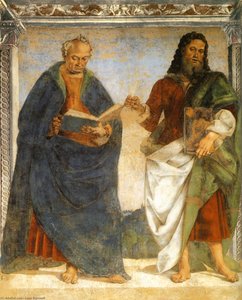
St Augustine Altarpiece (left wing)
 Oil On Canvas
- WallArt
- High Renaissance
 1498
1498 146.0 x 76.0 cm
 Staatliche Museen zu Berlin
 Rozwiń treść
Ręcznie malowana reprodukcja olejowa
Ręcznie malowany obraz olejny na płótnie, wykonany na zamówienie przez naszych artystów w wybranym przez Ciebie wymiarze i oprawie. ( Przełącz na wydania drukowane Przejdź do wersji cyfrowej)




P118B zł10

P118H zł10

P118W zł10

P438Z zł10

P508JH zł12

P508YH zł12

P805H zł10

P805Z zł10

P919BZ zł10

P919G zł10

P919XJ zł10

P959ZH zł10

P968JZ zł12

W106C zł8

W218G zł10

W218JH zł8

W218Y zł10

W307PJ zł10

W316G zł10

W316PJ zł8

W316Y zł10

W398PJ zł8

W4111J zł10

W500HY zł15

W500JH zł15

W692G zł12

W849H zł8

W940BG zł15

W953PJ zł8




Wybierz spośród naszych standardowych rozmiarów, które zachowują oryginalne proporcje dzieła sztuki.

Wpisz wymaganą szerokość i wysokość, aby obraz pasował do Twojej ramy lub ściany. Ponieważ jest to dzieło malowane ręcznie, w przypadku rozmiaru o innych proporcjach artysta może domalować nieco więcej wokół obrazu lub przyciąć jego fragmenty — wybór należy do Ciebie. Przed rozpoczęciem pracy prześlemy Ci cyfrową wizualizację do zatwierdzenia. Obraz widoczny na tej stronie nie przedstawia rzeczywistego efektu — jedynie wizualizacja oddaje realny rezultat.
Po złożeniu zamówienia zespół OriginalUniqueArt.com skontaktuje się z klientem drogą mailową w celu uzyskania instrukcji i prześle wizualizację projektu
Dostawa na całym świecie () w ciągu 3–4 tygodni zamiast standardowych 5 tygodni. (28 Październik). Bez kompromisów w kwestii jakości.

Bezpłatna ekspresowa wysyłka na cały świat

Wysokiej jakości płótno lniane

Pełne ubezpieczenie przesyłki

Gwarancja zwrotu należności celnych i podatków importowych

Gwarancja wiernego odwzorowania kolorów

100-dniowa polityka zwrotów (tylko w przypadku wad)

Gwarancja 100% zwrotu pieniędzy

Zniżka przy zakupie wielu sztuk
 Opcja ze szkłem jest dostępna wyłącznie w rozmiarach poniżej 110 cm

St Augustine Altarpiece (left wing)
Technika reprodukcji
Wymiary reprodukcji
-


Cena całkowita
zł 1156
Luca Signorelli’s St Augustine Altarpiece (Left Wing): A Window into Renaissance Devotion
The left wing of Luca Signorelli's “St Augustine Altarpiece,” completed in 1498 for the Bichi Chapel within the church of Sant’Agostino in Siena, is more than just a beautiful painting; it’s a profound meditation on faith, charity, and the intertwined destinies of earthly and divine figures. Measuring a modest 146 x 76 centimeters, this panel offers an intimate glimpse into the artistic sensibilities of a master navigating the complexities of late Renaissance Italy. Signorelli, already establishing himself as a draftsman of exceptional skill – evidenced by his early work in Arezzo and Castelli – here demonstrates a remarkable ability to imbue a seemingly simple scene with layers of meaning and emotional resonance.
The composition immediately draws the eye to the central trio: three women draped in rich crimson robes, their gestures conveying both solemnity and profound compassion. The woman on the left cradles a baby, a potent symbol of innocence and new life – a direct reference to Mary holding infant Jesus. Beside her stands another woman, supporting a child, mirroring the Virgin’s protective embrace. The third figure, positioned slightly further back, gazes downwards with an expression of quiet contemplation, perhaps reflecting on the spiritual journey or offering solace to those she observes. These women are not merely decorative elements; they represent key figures in Christian iconography – Mary Magdalene, Saint Catherine of Siena, and Saint Jerome, each embodying a specific virtue and contributing to the altarpiece’s overarching theme of divine grace.
Adding depth to this devotional tableau are two men, subtly integrated into the scene. One stands near the center, engaged in conversation with the women, while the other is positioned on the left side, seemingly observing the proceedings. Their presence suggests a community united by faith and shared devotion – a microcosm of Renaissance society reflecting upon spiritual matters. Signorelli’s masterful use of foreshortening, a technique he honed during his time in Florence under Piero della Francesca, creates a sense of spatial realism, drawing the viewer into this intimate tableau. The figures appear to be caught in a moment of genuine interaction, their expressions conveying a palpable sense of warmth and connection.
Technique and Style: High Renaissance Refinement
Signorelli’s style within this altarpiece is firmly rooted in the High Renaissance, yet it possesses a distinctly Italian character. He skillfully blends classical influences with his own innovative approach to composition and color. The use of *sfumato*, a technique popularized by Leonardo da Vinci, softens the edges of the figures and creates an atmospheric haze that enhances the sense of depth and realism. The rich crimson robes are rendered with meticulous detail, their textures suggesting luxurious fabrics while simultaneously conveying a sense of solemnity. Signorelli’s palette is restrained yet vibrant, dominated by earthy tones – ochres, siennas, and umbers – punctuated by flashes of red and gold.
Signorelli's mastery of drawing is immediately apparent in the precise rendering of the figures’ anatomy and drapery. He demonstrates a deep understanding of human form, capturing both its beauty and vulnerability with remarkable accuracy. The subtle gradations of light and shadow – *chiaroscuro* – further enhance the sense of realism, creating a three-dimensional effect that draws the viewer into the scene. The composition is carefully balanced, with each figure occupying a specific space within the frame, contributing to the overall harmony and visual impact of the work.
Historical Context: Siena and the Renaissance
To fully appreciate the “St Augustine Altarpiece,” it’s crucial to understand its historical context. Siena in the late 15th century was a thriving center of commerce, art, and religious devotion. The Bichi Chapel, where the altarpiece resided, served as a focal point for community life, reflecting the city's wealth and piety. The commission itself underscores the importance of religious patronage during this period – wealthy families like the Piccolominis sought to demonstrate their faith through lavish displays of art and architecture.
Signorelli’s work reflects the broader trends of the High Renaissance, which emphasized humanism, classical learning, and a renewed interest in naturalism. However, unlike some of his contemporaries who embraced Mannerist styles characterized by elongated figures and distorted perspectives, Signorelli maintains a sense of balance and clarity. His altarpiece embodies a harmonious blend of tradition and innovation, reflecting the artistic sensibilities of a master navigating the complexities of his time.
A Timeless Reflection on Faith and Humanity
The “St Augustine Altarpiece (Left Wing)” is more than just a beautiful painting; it’s a poignant meditation on faith, charity, and the enduring power of human connection. Signorelli's masterful composition, skillful technique, and profound understanding of religious iconography combine to create an image that continues to resonate with viewers centuries after its creation. Reproductions capture the essence of this work, allowing us to experience its beauty and emotional depth in our own homes. It serves as a reminder of the enduring legacy of Renaissance art – a testament to the power of human creativity to express profound spiritual truths.
Pytania i odpowiedzi
Czy „St Augustine Altarpiece (left wing)” – Luca Signorelli to obraz, rysunek czy grafika?
"St Augustine Altarpiece (left wing)" to WallArt.
Do jakiego pomieszczenia polecane jest dzieło „St Augustine Altarpiece (left wing)” – Luca Signorelli?
Zalecaną przestrzenią dla „St Augustine Altarpiece (left wing)” – Luca Signorelli jest Living Room. Sugestia ta może być oczywiście dostosowana do Twojego wnętrza.
Czy mogę zobaczyć „St Augustine Altarpiece (left wing)” – Luca Signorelli w różnym oświetleniu?
Strona Analiza rentgenowska dzieła „St Augustine Altarpiece (left wing)” – Luca Signorelli to interaktywny podgląd, który pozwala na przeglądanie jedenastu warstw optycznych obrazu, w tym widoku w stylu rentgenowskim.
Biografia artysty
Luca Signorelli
Luca Signorelli (ur. ok. 1445 – zm. 16 października 1523 w Cortonie), włoski malarz epoki Quattrocento, znany przede wszystkim z monumentalnych fresków oraz wyjątkowej umiejętności rysunku i zastosowania perspektywy foreshortening. Jego twórczość wyraża głębokie zainteresowanie anatomią ludzką oraz doskonałą obserwacją świata przyrody. Signorelli był jednym z najważniejszych przedstawicieli włoskiego ruchu humanistycznego, który zmienił oblicze sztuki europejskiej.Życie i Edukacja
Luca d’Egidio di Ventura Signorelli urodził się około roku 1445 w Cortonie, mieście położonym w Toskanii. Jego dokładna data urodzenia pozostaje nieznana, jednak szacuje się ją między 1441 a 1445 rokiem. Jego rodzina pochodziła z rodziny bogatej i wpływowej, co umożliwiło młodemu Luca otrzymanie doskonałej edukacji artystycznej. Pierwsze impresje Signorelli odnosił z Perugia, gdzie pod wpływem twórczości takich artystów jak Benedetto Bonfigli oraz Pinturicchio. Jego ojciec był lekarzem i posiadał znaczną wiedzę anatomiczną, co miało istotny wpływ na rozwój jego umiejętności rysunkowych. Lazzaro Vasari, jego kuzyn i przyjaciel Giorgio Vasari, który później stał się jednym z najważniejszych historii sztuki, wspominał, że Luca został uczniem Piero della Francesca w Florencji około roku 1465. Kontynuował naukę u innych florentyńskich mistrzów, takich jak Andrea del Sarto oraz Giovanni Battista Baldinelli. Jego umiejętności rysunkowe i wiedza anatomiczna były niezwykle wysokie, co czyniło go jednym z najlepszych twórców swojego pokolenia.Kariera Artystyczna
Luca Signorelli rozpoczął swoją karierę artystyczną w młodości, pracując przy projektach dekoracyjnych dla różnych klientów prywatnych i instytucjonalnych. Jego pierwszym znaczącym zamówieniem było stworzenie fresku na ścianie kościoła Santa Maria del Mercato w Fabriano, gdzie wykorzystał umiejętności rysunkowe oraz wiedzę anatomiczną, aby wiernie oddać piękno ludzkiego ciała. Następnie pracował nad dekoracją Palazzo Ducale w Urbieto oraz katedry św. Krzyża w Bolonii. Jego twórczość charakteryzuje się niezwykłą szczegółowością i doskonałym wykorzystaniem kolorów oraz światła – cechy charakterystyczne dla stylu włoskiego Quattrocento. Największym osiągnięciem Signorelli był monumentalny fresk „Ostatniego Sądu” znajdujący się w katedrze św. Krzyża w Bolonii, który został ukończony około roku 1503. Fresk ten jest jednym z najważniejszych dzieł sztuki włoskiego Renesansu i stanowi doskonały przykład umiejętności Signorelli oraz jego zrozumienia filozofii humanistycznej. Jego twórczość zainspirowała wielu innych artystów i przyczyniła się do rozwoju sztuki europejskiej.Styl i Technik
Luca Signorelli wyróżnia się niezwykłą umiejętnością rysunku oraz wykorzystaniem techniki foreshortening – metody przedstawiania obiektów w sposób zbliżony do rzeczywistości, co pozwala na uzyskanie efektu głębi i przestrzeni. Jego obrazy cechują się doskonałym modelowaniem powierzchni oraz szczegółową obserwacją anatomii ludzkiej. Signorelli wykorzystywał umiejętności rysunkowe oraz wiedzę anatomiczną, aby wiernie odwzorowywać piękno ludzkiego ciała – szczególnie istotną rolę odgrywała umiejętność przedstawiania postaci w ruchu oraz wykorzystania efektów światła i cienia. Jego twórczość inspirowana była filozofią humanistyczną oraz zainteresowaniem klasyczną kulturą Grecji i Rzymu. Jego prace są świadectwem doskonałej wiedzy anatomicznej oraz umiejętności rysunkowych, które czynią go jednym z najważniejszych twórców włoskiego Renesansu. Jego twórczość jest przykładem połączenia piękna estetycznego z głębokim zrozumieniem świata przyrody oraz ludzkiej anatomii.Znaczenie Historyczne
Luca Signorelli był jednym z najważniejszych przedstawicieli włoskiego ruchu humanistycznego, który zmienił oblicze sztuki europejskiej. Jego twórczość zainspirowała wielu innych artystów i przyczyniła się do rozwoju sztuki europejskiej. Jego monumentalne freski „Ostatniego Sądu” oraz „Szkoły Pana” są ikonami kultury włoskiego Renesansu i stanowią doskonałe przykłady umiejętności Signorelli oraz jego zrozumienia filozofii humanistycznej. Jego dzieła znajdują się w najważniejszych muzeach świata i są obiektem fascynacji zarówno krytyków sztuki, jak i odbiorców. Luca Signorelli pozostaje jednym z najbardziej rozpoznawalnych twórców włoskiego Renesansu i jego twórczość wpłynęła na rozwój sztuki europejskiej przez wieki. Jego prace stanowią ważną część historii sztuki i kultury europejskiej oraz inspirują kolejne pokolenia artystów.
Luca Signorelli
1450 - 1523 , Włochy
Krótka nota
- Artistic Movement Or Style: Renaissance
- Artists Or Movements Influenced By This Artist: ['Fra Angelico']
- Artists Who Influenced This Artist: ['Piero della Francesca']
- Date Of Birth: ok. 1445
- Date Of Death: 16 października 1523
- Full Name: Luca d’Egidio di Ventura Signorelli
- Nationality: Włoski
- Notable Artworks:
- The Last Judgment
- School of Pan
- Place Of Birth: Cortona, Italia
Powiązane artykuły

Muza Przez Wieki: Kobieta jako Przedmiot i Symbol w Historii Sztuki – Analiza i Interpretacje
Odkryj fascynującą historię kobiecości w sztuce! Analizujemy archetypy, portrety i ewolucję reprezentacji kobiet od antyku po współczesność. Ekspercka analiza i interpretacje.
Święte Oblicza Wiary: Podróż przez Dewocyjne Sztuki Kultury i Epok
Odkryj fascynujący świat ikonografii chrześcijańskiej i sztuki dewocyjnej! Poznaj historię, symbole i znaczenie religijnych dzieł sztuki. Ekspercka analiza dla miłośników historii i kultury.
Sacred Expressions: A Journey Through Devotional Art Across Cultures & Eras
Explore the rich history of devotional art across cultures & eras. Discover iconic masterpieces, symbolism, and artistic techniques. Expert insights for collectors & enthusiasts.
Muza Przez Wieki: Kobieta jako Temat i Symbol w Historii Sztuki – Inspiracje i Ewolucja Obrazu
Poznaj fascynującą historię kobiecości w sztuce! Analizujemy wpływ mitologii, feminizmu i współczesnych artystek na ewolucję obrazu kobiety – od symbolu do bohaterki. Ekspercka analiza i inspiracje.

Święte Narracje na Płótnie: Przemiana Obrazów Religijnych w Historii Sztuki
Odkryj fascynującą historię obrazów religijnych! Poznaj ewolucję ikonografii, symbolikę chrześcijańską i współczesne interpretacje sztuki sakralnej. Ekspercka analiza i inspiracje dla miłośników sztuki.