

 Zobacz w skali 1:1
 Wyślij
 Udostępnij
 Szczegóły
 Przewodnik

 Pobierz plik obrazu
 Podobne obiekty
 RTG
RTG Pokaz slajdów
 Statystyki
Henry Wilkinson Cookson


 Czytaj więcej
Kup wysokiej rozdzielczości, ulepszony obraz cyfrowy o jakości znacznie przewyższającej podgląd online.
Każdy plik jest starannie przygotowywany przez naszych specjalistów przy użyciu zaawansowanych narzędzi oraz profesjonalnej, ręcznej retuszy. Dbamy o to, aby każdy obraz cechował się wyjątkową ostrością, precyzyjnym odwzorowaniem kolorów i subtelnymi detalami.
Ostateczny plik dostarczany jest drogą mailową w ciągu 72 godzin, zoptymalizowany do natychmiastowego wykorzystania w profesjonalnych zastosowaniach redakcyjnych i poligraficznych. To ta sama jakość, której ufają czołowe studia projektowe, wydawnictwa oraz galerie sztuki.
Obraz cyfrowy
Pobierz plik o wysokiej rozdzielczości do osobistego użytku, druku oraz projektów kreatywnych. ( Przełącz na wersję drukowaną Kup ręcznie malowany obraz)
W każdym zamówieniu na obraz cyfrowy znajduje się
Profesjonalna dostawa cyfrowa z gwarancją
Wybierając OriginalUniqueArt.com, nie otrzymujesz jedynie obrazu – otrzymujesz profesjonalnie udoskonalone cyfrowe dzieło sztuki, stworzone z najwyższą precyzją i objęte gwarancją satysfakcji. Oto wszystko, co automatycznie dołączane jest do Twojego zamówienia:

Błyskawiczna dostawa e-mailowa
Plik z obrazem cyfrowym w wysokiej rozdzielczości zostanie przesłany na Twój adres e-mail w ciągu 72 godzin od złożenia zamówienia – gotowy do natychmiastowego użycia.

Plik cyfrowy ulepszony przez AI
Twoja grafika została profesjonalnie zoptymalizowana przy użyciu zaawansowanych narzędzi AI oraz ręcznej edycji, co zapewnia maksymalną szczegółowość, klarowność i wierność kolorów.

Bezpłatna dożywotnia ponowna dostawa
Przypadkowo usunąłeś lub zgubiłeś swój plik? Bez obaw – prześlemy go Tobie ponownie w dowolnym momencie, bez żadnych opłat.

Bez opłat importowych – zawsze
Ciesz się swoją sztuką natychmiast, bez żadnych opłat celnych, należności ani kosztów dostawy – pliki cyfrowe są zawsze wolne od podatku.

Gwarancja odwzorowania kolorów
Dzięki zastosowaniu profesjonalnych narzędzi i procesów zarządzania barwą zapewniamy, że Twoje cyfrowe zdjęcie odzwierciedla oryginalne kolory tak wiernie, jak to tylko możliwe.

100 dni na satysfakcję
Jeśli nie będziesz zadowolony ze swojego cyfrowego obrazu, poprawimy go lub zwrócimy 100% kosztów w ciągu 100 dni – bez zbędnych pytań.

100% Gwarancja zwrotu pieniędzy
Nie jesteś zadowolony? Otrzymaj pełny zwrot kosztów w ciągu 100 dni od otrzymania pliku cyfrowego – bez zbędnych pytań.

Rabaty przy zamówieniach hurtowych
Kup 3 obrazy, oszczędź 10% - Kup 5, oszczędź 15% - Kup 10+, oszczędź 20%. Idealne do projektów kreatywnych, galerii i agencji.
Henry Wilkinson Cookson – A Portrait of Cambridge Scholarship
“Henry Wilkinson Cookson,” attributed to Lowes Cato Dickinson (1819–1908), is more than just a depiction of an individual; it’s a window into the intellectual landscape of Victorian Britain and a testament to the enduring fascination with portraiture as a means of conveying status, character, and aspiration. Painted in 1875, this oil on canvas masterpiece captures Cookson, a prominent Master at Peterhouse College – one of Cambridge University's oldest institutions – presenting an image of dignified erudition.
- Subject Matter & Context: The portrait focuses squarely on Cookson’s upper torso and head against a muted dark background. This deliberate choice emphasizes his presence and directs the viewer’s gaze, highlighting him as a symbol of academic excellence within the hallowed halls of Peterhouse.
- Style & Technique: Dickinson employs a realist style characterized by meticulous attention to detail. The artist skillfully renders textures – particularly in Cookson's beard and robe – creating a palpable sense of depth and materiality. Light and shadow play across his face, sculpting contours that convey seriousness and contemplative thought.
- Color Palette: The subdued color scheme—primarily browns and reds—reflects the academic environment and lends an air of solemnity to the composition. Dickinson’s restrained use of color contributes to the overall impression of dignified restraint.
Beyond its technical prowess, “Henry Wilkinson Cookson” carries symbolic weight. The robe signifies respectability and scholarly distinction, while the white shirt collar and cravat underscore formality—a visual shorthand for adherence to tradition and intellectual pursuits. Cookson’s gaze directs outwards, suggesting a mind engaged in contemplation and perhaps reflecting on the weighty responsibilities of leadership within academia.
- Emotional Impact: The portrait evokes feelings of admiration for intellect and perseverance. Dickinson's masterful rendering captures not merely likeness but also an inner quality—a quiet confidence born from years of scholarly dedication. It’s a piece that speaks to the values of Victorian society, prioritizing knowledge and moral character.
A reproduction of “Henry Wilkinson Cookson” would bring a touch of Cambridge history and artistic refinement into any interior space. Its understated elegance and evocative depiction of intellectual aspiration continue to resonate with collectors and designers alike—a timeless reminder of the power of portraiture to convey both visual beauty and profound human insight.
Pytania i odpowiedzi
Kiedy powstało dzieło "Henry Wilkinson Cookson" i do jakiego nurtu należy?
"Henry Wilkinson Cookson" powstało w 1875 roku jako dzieło należące do nurtu Victorian Portraiture. Data oraz przynależność do tego kierunku osadzają dzieło w historii sztuki.
W jaki sposób kontrast i harmonia łączą się w "Henry Wilkinson Cookson"?
W "Henry Wilkinson Cookson" Delikatny kontrast współgra z Silna spójność kolorystyczna harmonią.
Jaki rozmiar wydruku „Henry Wilkinson Cookson” autorstwa Lowes Cato Dickinson będzie odpowiedni do zalecanego pomieszczenia?
W pomieszczeniu typu Salon lub strefa dzienna sugerowany jest wydruk dzieła „Henry Wilkinson Cookson” w rozmiarze Duży format.
Biografia artysty
A Life Etched in Portraits: The World of Lowes Cato Dickinson
Lowes Cato Dickinson, born in Kilburn, London, in 1819, was a figure deeply embedded within the artistic and social currents of Victorian England. Coming from a family intimately connected to the art world—his father, Joseph Dickinson, being a respected lithographer and publisher on Bond Street—Dickinson’s path seemed preordained. Yet, his journey wasn't merely one of inheritance but of active engagement with the evolving aesthetic sensibilities and progressive social movements of his time. One of eleven siblings, he received his early education at Topsham School and Dr Lord's School in Tooting, grounding him in a solid foundation before fully immersing himself within the family business following his father’s death in 1849. He then joined forces with his brothers, Gilbert Bell Dickinson and William Robert Dickinson, to continue the legacy of Dickinson Brothers on Bond Street, a firm that quickly became synonymous with quality art publishing and photography. This early exposure wasn't simply about commerce; it was an apprenticeship in visual culture, shaping his eye for detail and composition—qualities that would define his later work as a portraitist.The Pre-Raphaelite Circle and the Call of Social Reform
Dickinson’s artistic development took a significant turn with a three-year sojourn in Italy around 1850. This period proved formative, exposing him to the masterpieces of the Renaissance and influencing his evolving style. He absorbed the stylistic innovations championed by Dante Gabriel Rossetti and John Ruskin—a fervent desire for truth to nature and emotional intensity—principles that would permeate his subsequent artistic endeavors. Upon his return to England, he found himself drawn into the orbit of the Pre-Raphaelite Brotherhood, though not formally affiliated with it. Nevertheless, Dickinson cultivated correspondence with prominent members of this influential group, solidifying his position within its intellectual landscape. This association wasn’t solely driven by aesthetic considerations; it was intertwined with a burgeoning awareness of social responsibility. He became deeply involved in the Christian socialist movement—a collective striving to infuse moral values into societal reform—collaborating on projects like the establishment of the Working Men's College alongside figures such as Charles Kingsley and Thomas Hughes. This institution, dedicated to providing accessible education to working-class individuals, stood as a testament to Dickinson’s conviction that knowledge could catalyze positive change within society. The presence of Ford Madox Brown at Dickinson Brothers further underscored his connection to this vibrant artistic and intellectual milieu.A Portraitist of Victorian Society
Lowes Cato Dickinson distinguished himself as a remarkably skilled portrait painter during the Victorian era—a period characterized by social stratification and burgeoning industrialization. His technique was particularly noteworthy: he eschewed grand historical narratives or dramatic allegories, instead focusing on capturing the essence of his subjects—the influential individuals who shaped British society. He meticulously rendered facial expressions and subtle shading, prioritizing psychological insight over mere visual representation. This approach allowed him to convey personality and character with remarkable accuracy—a hallmark of his oeuvre. Dickinson’s prolific output spanned from 1848 to 1891, producing a substantial body of work that reflects the diverse social strata of Victorian England. Among his subjects were Queen Victoria herself, members of Parliament, scientists like Arthur Cayley and James Clerk Maxwell, and prominent Christian socialists such as Charles Kingsley and Thomas Hughes—individuals who embodied the moral values championed by Dickinson’s movement. His portraits are celebrated for their sensitivity to detail and their ability to capture the inner life of his sitters.Notable Achievements and Legacy
Dickinson's contribution to British art is undeniable, marked by a singular dedication to portraying individuals with profound empathy and artistic precision. He achieved considerable renown during his lifetime, securing commissions from dignitaries and intellectuals alike—a testament to his reputation as one of the era’s foremost portraitists. His magnum opus remains the 1868 cabinet portrait of Mr. Gladstone—captured within the hallowed halls of Downing Street—a work that exemplifies his mastery of technique and his ability to convey both dignity and intellect. Furthermore, Dickinson's involvement in the founding of the Working Men's College cemented his legacy as a champion of social reform and educational accessibility. His enduring influence is evident in the annual Lowes Dickinson Award presented by the college—recognizing student excellence—and in the establishment of a travel scholarship bearing his name. Dickinson’s papers, meticulously archived at Princeton, Oxford, and Cambridge Universities, continue to inspire scholars studying Victorian art history and social thought. He remains remembered not merely as an artist but as a humanist who sought to illuminate the human condition through the medium of portraiture—a figure whose work continues to resonate with audiences today.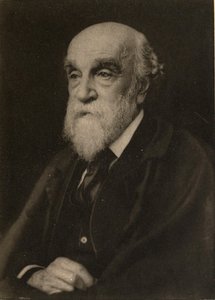
Lowes Cato Dickinson
1819 - 1908 , Wielka Brytania
Najważniejsze informacje
- Artistic Movement Or Style: Pre-Raphaelite
- Artists Or Movements Influenced By This Artist: ['Christian Socialism']
- Artists Who Influenced This Artist:
- John Ruskin
- Dante Gabriel Rossetti
- Date Of Birth: November 27, 1819
- Date Of Death: 1908
- Full Name: Lowes Cato Dickinson
- Nationality: British
- Notable Artworks:
- Gladstone's Cabinet (1868)
- Goldsworthy Lowes Dickinson
- Place Of Birth: Kilburn, United Kingdom