Rozmiar tekstu

() ·

Obraz stworzony dla Ciebie, własnoręcznie

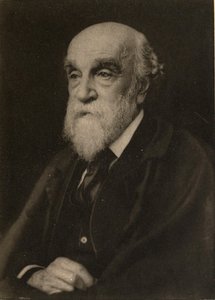
Georg Sclater Booth, Lord Basing

Ręcznie malowana reprodukcja olejowa

Ręcznie malowany obraz olejny na płótnie, wykonany na zamówienie przez naszych artystów w wybranym przez Ciebie wymiarze i oprawie. ( Przełącz na wydania drukowane Przejdź do wersji cyfrowej)

Opis obiektu

Portret George'a Sclatera Bootha, Lorda Basinga - wybitnego członka Hampshire County Council autorstwa Lowesa Cato Dickinsona. Klasyczny obraz Victorajana z szczegółową techniką i delikatną kolorystyką.

Biografia artysty

Lowes Cato Dickinson (1819–1908) był angielskim malarzem portretowym i socjalistą chrześcijańskim związanym z ruchami przedrafaelitów. Znany przede wszystkim dzięki obrazom królowej Wiktorii oraz twórczości Wspólnego Kolegium Pracowników, jego prace ukazują piękno natury i głębokie przekonanie o roli sztuki w kształtowaniu społeczeństwa.

od ·

Rozdział 1

Jak duży powinien być ten format?

Przesuń suwak, aby zmienić rozmiar; obraz po lewej stronie przedstawia ramę w jej rzeczywistej szerokości. Zachowano proporcje oryginału.

Standardowy format
personalizowane
CM
INCH

Wybierz spośród naszych standardowych rozmiarów, które zachowują oryginalne proporcje dzieła sztuki.

szerokość
wysokość

Wpisz wymaganą szerokość i wysokość, aby obraz pasował do Twojej ramy lub ściany. Ponieważ jest to dzieło malowane ręcznie, w przypadku rozmiaru o innych proporcjach artysta może domalować nieco więcej wokół obrazu lub przyciąć jego fragmenty — wybór należy do Ciebie. Przed rozpoczęciem pracy prześlemy Ci cyfrową wizualizację do zatwierdzenia. Obraz widoczny na tej stronie nie przedstawia rzeczywistego efektu — jedynie wizualizacja oddaje realny rezultat.

Rozdział 2

W jaki sposób ma zostać dostarczone?

Wybierz krawędzie płótna naciągniętego na ramę

Wybierz ramę

Corner sample of the WhiteWrap canvas edge finish, stretched on lite drewno bars
Białe krawędzie zł1
Corner sample of the BlurSideWrap canvas edge finish, stretched on lite drewno bars
rozmyte krawędzie zł1
Corner sample of the ExtendedWrap canvas edge finish, stretched on lite drewno bars
Przedłużony zł1
Corner sample of the P118B picture frame: polistyren formowany, 5 cm wide and 3 cm thick
P118B zł10
Corner sample of the P118H picture frame: polistyren formowany, 5 cm wide and 3 cm thick
P118H zł10
Corner sample of the P118W picture frame: polistyren formowany, 5 cm wide and 3 cm thick
P118W zł10
Corner sample of the P438Z picture frame: polistyren formowany, 5.5 cm wide and 3.5 cm thick
P438Z zł10
Corner sample of the P508JH picture frame: polistyren formowany, 7 cm wide and 3.5 cm thick
P508JH zł12
Corner sample of the P508YH picture frame: polistyren formowany, 7 cm wide and 3.5 cm thick
P508YH zł12
Corner sample of the P805H picture frame: polistyren formowany, 5 cm wide and 3.5 cm thick
P805H zł10
Corner sample of the P805Z picture frame: polistyren formowany, 5 cm wide and 3.5 cm thick
P805Z zł10
Corner sample of the P919BZ picture frame: polistyren formowany, 7 cm wide and 3.5 cm thick
P919BZ zł10
Corner sample of the P919G picture frame: polistyren formowany, 7 cm wide and 3.5 cm thick
P919G zł10
Corner sample of the P919XJ picture frame: polistyren formowany, 7 cm wide and 3.5 cm thick
P919XJ zł10
Corner sample of the P959ZH picture frame: polistyren formowany, 5 cm wide and 3 cm thick
P959ZH zł10
Corner sample of the P968JZ picture frame: polistyren formowany, 6 cm wide and 4 cm thick
P968JZ zł12
Corner sample of the W106C picture frame: lite drewno, 5 cm wide and 3 cm thick
W106C zł8
Corner sample of the W218G picture frame: lite drewno, 5 cm wide and 3 cm thick
W218G zł10
Corner sample of the W218JH picture frame: lite drewno, 5 cm wide and 3 cm thick
W218JH zł8
Corner sample of the W218Y picture frame: lite drewno, 5 cm wide and 3 cm thick
W218Y zł10
Corner sample of the W307PJ picture frame: lite drewno, 6 cm wide and 3 cm thick
W307PJ zł10
Corner sample of the W316G picture frame: lite drewno, 6 cm wide and 3 cm thick
W316G zł10
Corner sample of the W316PJ picture frame: lite drewno, 6 cm wide and 3 cm thick
W316PJ zł8
Corner sample of the W316Y picture frame: lite drewno, 6 cm wide and 3 cm thick
W316Y zł10
Corner sample of the W398PJ picture frame: lite drewno, 5 cm wide and 3 cm thick
W398PJ zł8
Corner sample of the W4111J picture frame: lite drewno, 6.5 cm wide and 3.5 cm thick
W4111J zł10
Corner sample of the W500HY picture frame: lite drewno, 7 cm wide and 5 cm thick
W500HY zł15
Corner sample of the W500JH picture frame: lite drewno, 7 cm wide and 5 cm thick
W500JH zł15
Corner sample of the W692G picture frame: lite drewno, 8 cm wide and 4 cm thick
W692G zł12
Corner sample of the W849H picture frame: lite drewno, 5 cm wide and 3 cm thick
W849H zł8
Corner sample of the W940BG picture frame: lite drewno, 7.5 cm wide and 4.5 cm thick
W940BG zł15
Corner sample of the W953PJ picture frame: lite drewno, 6 cm wide and 3.5 cm thick
W953PJ zł8
Corner sample of the H24-GOLD picture frame: rzeźbione drewno pokryte gipsem, 10 cm wide and 6 cm thick
H24-GOLD zł30
Corner sample of the H24-SILVER picture frame: rzeźbione drewno pokryte gipsem, 10 cm wide and 6 cm thick
H24-SILVER zł30
Corner sample of the H36-GOLD picture frame: rzeźbione drewno pokryte gipsem, 15 cm wide and 6.5 cm thick
H36-GOLD zł45
Corner sample of the H36-SILVER picture frame: rzeźbione drewno pokryte gipsem, 15 cm wide and 6.5 cm thick
H36-SILVER zł45

Profil: . Wymiar całkowity w ramie: .

Rozdział 3

Kto go maluje i czy coś powinno ulec zmianie?

Przykłady możliwych zmian: Zastąpienie twarzy zdjęciem klienta; Dodanie zwierzęcia (np. zamiana kota na psa); Ukrycie wiadomości w tle; Zmiana krajobrazu lub elementów tła.
Po złożeniu zamówienia zespół OriginalUniqueArt.com skontaktuje się z klientem drogą mailową w celu uzyskania instrukcji i prześle podgląd projektu

Dostawa na całym świecie () w ciągu 3–4 tygodni zamiast standardowych 5 tygodni. (3 Listopad). Bez kompromisów w kwestii jakości.

Rozdział 4

Ostatnie szlify

Tabliczka informacyjna, jak w muzeum?

Szczegóły grawerowanej brązowej tabliczki

This elegant plaque features the artist's name and the title of the artwork, finely engraved for a timeless presentation.

It is made from bronze with a refined, elegant finish. The text is precisely laser-engraved for a sharp and permanent result. Measuring 9x2 cm, the plaque is compact yet easy to read. It's built to be durable and scratch-resistant, offering a professional, museum-quality look. Mounting is simple thanks to the included adhesive backing.

Szczegóły przezroczystej tabliczki akrylowej

The plaque includes essential engraved details such as the artist's name, the title of the artwork, the date it was created, the type of media used-like oil on canvas or watercolor-a brief description of the piece, and a QR code that links to the complete artwork information.

It is crafted from clear acrylic, offering a sleek, modern appearance. The text is UV-engraved in black to ensure strong visual contrast. With a size of 10x15 cm, it ensures optimal readability. It comes equipped with two metal hooks for secure wall mounting. The plaque is designed to be weather-resistant, making it suitable for various environments, and it includes interactive features that work seamlessly with smartphone scanning.

Szczegóły czarnej tabliczki akrylowej

This elegant plaque includes engraved information such as the artist's name, the title of the artwork, the date it was created, the type of media used (like oil on canvas or watercolor), a short description of the artwork, and a QR code for quick access to more information.

The plaque itself is made from refined black acrylic with a premium finish. The text is laser-engraved in white for high contrast and readability. Its size is 10x15 cm, designed to be easy to read. It comes with two metal hooks for professional mounting. The design is sleek and fits any interior style. It is also weather-resistant and durable, with built-in digital integration for mobile compatibility.

Werniks ochronny?

Kiedy potrzebujesz dostawy?

Rozdział 5

Twoje dzieło, dokładnie tak, jak zamówiłeś

Georg Sclater Booth, Lord Basing

Technika reprodukcji

Wymiary reprodukcji

-

Wybitny mistrz artystyczny

Większa szczegółowość, finezja i dodatkowy czas na realizację

-

Opcje oprawy reprodukcji

-

-

W przypadku dzieł sztuki lub reprodukcji, których którykolwiek z boków przekracza 105 cm (około 41 cali), rama zostanie wysłana w formie zestawu do samodzielnego montażu. Metoda ta zapewnia bezpieczną dostawę i zapobiega uszkodzeniom podczas transportu.

Wymagany profesjonalny montaż – nie jest to produkt typu DIY.
Zestaw musi zostać złożony, a płótno naciągnięte przez doświadczonego profesjonalnego ramiarza, przy użyciu kleju do drewna (brak w zestawie), kleszczy do naciągania płótna oraz ścisków, które utrzymają krosna w równej pozycji podczas schnięcia kleju. Nieprawidłowy montaż lub nierównomierne napięcie płótna może trwale uszkodzić dzieło sztuki i nie podlega naszej gwarancji.

  • W zestawie znajdują się wszystkie listwy z litego drewna, precyzyjnie docięte do wymiarów.

  • Montaż odbywa się przy użyciu dołączonych wkrętów oraz kleju do drewna do łączenia narożników, którego zestaw nie zawiera i który musi zostać dostarczony przez ramiarza.

  • Wymagane są profesjonalne narzędzia, których nie ma w zestawie: kleszcze do naciągania płótna (napinacz) oraz zaciski, które pozwolą utrzymać listwy w równej pozycji podczas schnięcia kleju.

Ważne:
Do połączenia narożników niezbędny jest klej do drewna, listwy należy unieruchomić za pomocą ścisków do momentu całkowitego wyschnięcia kleju, a naciągnięcie płótna na złożoną ramę wymaga użycia kleszczy do naciągania płótna. Żaden z tych elementów nie jest dołączony do zestawu. Przed zamówieniem tego rozmiaru zalecamy konsultację z doświadczonym ramiarzem.

Etykieta obiektu

-

-

Lakier ochronny

Lakier z połyskiem (pogłębia kolory, chroni przed światłem i wilgocią)

-

Personalizacja dzieła

Przykłady możliwości personalizacji: zastąp twarz zdjęciem klienta; dodaj zwierzę domowe (np. zamień kota na psa); umieść ukrytą wiadomość w tle; zmień krajobraz lub elementy tła.

-

Ekspresowa

Dostawa na cały świat () w ciągu 3–4 tygodni zamiast standardowych 5 tygodni. (3 Listopad). Bez kompromisów w kwestii jakości.

-

Przesyłka ekspresowa

Dostawa na cały świat () w ciągu 5 tygodni. (10 Listopad).

W cenie

Cena całkowita

zł 1173

Suma całkowita zł 1173

Opcja ze szkłem jest dostępna wyłącznie w rozmiarach poniżej 110 cm

W każdym zamówieniu

  • Bezpłatna ekspresowa wysyłka na cały świat
  • Wysokiej jakości płótno lniane
  • Pełne ubezpieczenie przesyłki
  • Gwarancja zwrotu należności celnych i podatków importowych
  • Gwarancja wiernego odwzorowania kolorów
  • 100-dniowa polityka zwrotów (tylko w przypadku wad)
  • Gwarancja 100% zwrotu pieniędzy
  • Zniżka przy zakupie wielu sztuk

Lowes Cato Dickinson’s Portrait of George Sclater Booth – A Window Into Victorian Dignity

The painting “George Sclater Booth, Lord Basing” by Lowes Cato Dickinson offers more than just a likeness; it embodies the spirit of Victorian England—a period defined by social reform and an unwavering belief in tradition. Executed around 1890, this portrait captures Lord Basing, Hampshire County Council’s inaugural chairman, in a pose that speaks volumes about his character and the values championed during his lifetime. Dickinson's meticulous attention to detail elevates this image beyond mere representation into a thoughtful meditation on status, responsibility, and quiet contemplation.

Subject Matter and Composition

Dickinson skillfully portrays Lord Basing as a man of considerable stature – both physically and socially. The subject is seated comfortably in a dark suit, indicative of the formal attire prevalent during the Victorian era. His gaze drifts slightly off-canvas, suggesting introspection rather than outward engagement; this subtle gesture invites viewers to consider his inner thoughts and ambitions. The artist’s compositional choices emphasize stability and dignity, mirroring the ideals upheld by Lord Basing's leadership role within Hampshire County Council.

Style and Technique – Realism Informed by Impressionistic Light

Dickinson’s artistic style leans heavily toward realism, yet it incorporates elements of impressionistic technique. Unlike purely academic portraits that prioritize idealized beauty, Dickinson strives for an honest depiction of his subject’s appearance—the wrinkles around Lord Basing's eyes and mouth subtly conveying the passage of time without diminishing his presence. However, Dickinson skillfully utilizes diffused light to illuminate Lord Basing’s face and attire, creating a soft glow that imbues the painting with warmth and depth. This technique captures not just physical features but also an emotional atmosphere—a sense of quiet seriousness and thoughtful consideration. The muted beige background serves as a neutral counterpoint, allowing the viewer's eye to linger on the subject’s countenance.

Historical Context – Victorian Values Reflected in Portraiture

The painting emerged during a pivotal moment in British history: the burgeoning movement for social reform aimed at addressing issues of poverty and inequality. Lord Basing himself was a prominent advocate for progressive causes, demonstrating a commitment to public service that resonated deeply with Victorian sensibilities. Dickinson’s portrait reflects this ethos—a celebration of leadership and responsibility within a framework of established societal norms. It speaks to the Victorian preoccupation with portraying individuals as embodiments of moral virtue and civic duty.

Symbolism – Dignity and Reflection

Beyond its visual representation, “George Sclater Booth” carries symbolic weight. The posture of Lord Basing—chin resting on hand, gaze directed inward—represents a deliberate choice to prioritize inner reflection amidst external pressures. This gesture symbolizes the Victorian ideal of cultivating intellect and moral fortitude alongside fulfilling one’s obligations to society. Furthermore, the subdued palette contributes to an overall feeling of solemnity and contemplation, reinforcing the painting's message about honoring tradition while striving for progress.

Emotional Impact – A Moment Preserved in Paint

Ultimately, Dickinson’s portrait succeeds in conveying a profound emotional resonance. It captures not just Lord Basing’s physical appearance but also his inner spirit—a quiet dignity tempered by thoughtful contemplation. The painting invites viewers to pause and consider the values of integrity, responsibility, and introspection—qualities that remain relevant even today as we seek inspiration from artistic masterpieces like “George Sclater Booth.”

Pytania i odpowiedzi

Czy dostępny jest plik do pobrania w wysokiej rozdzielczości dla "Georg Sclater Booth, Lord Basing"?

Aby otrzymać plik cyfrowy dzieła „Georg Sclater Booth, Lord Basing” – Lowes Cato Dickinson, zamów wysokiej rozdzielczości cyfrowe zdjęcie do pobrania na stronie Cyfrowy obraz.

Jaką paletę barw i jakie emocje łączy ze sobą "Georg Sclater Booth, Lord Basing"?

W "Georg Sclater Booth, Lord Basing" kolorystyka Barwy ziemi współgra z Refleksyjny nastrojem.

Czy "Georg Sclater Booth, Lord Basing" wpisuje się w typową tematykę twórczości Lowes Cato Dickinson?

Wśród motywów charakterystycznych dla twórczości Lowes Cato Dickinson – takich jak dickinson’s familial artistic tradition, conservative values, dignified portraiture, victorian society, civic leadership, formal style reflects era norms, notable figure hampshire council – dzieło „Georg Sclater Booth, Lord Basing” wprowadza własne skupienie na victorian era, portrait painting, conservative dignity, formal attire, thoughtful pose, british art, family legacy, art deco influence.

Więcej o tym obrazie

Podgląd w skali 1:1 Podgląd AR Przełącz na wydania drukowane Przejdź do wersji cyfrowej Wyślij jako kartkę
Szczegóły dzieła Przewodnik Dodaj do ulubionych Pobierz obraz Podobne obiekty RTG Pokaz slajdów Pytania i odpowiedzi Statystyki

W liczbach

  • 29dostępne ramy do wyboru
  • standardowe formaty, w ich własnych proporcjach
  • 5tygodni na namalowanie i dostarczenie dzieła
Lowes Cato Dickinson

Lowes Cato Dickinson

1819 - 1908, Wielka Brytania

Krótkie informacje o Lowes Cato Dickinson

  • Artistic Movement Or Style: Pre-Raphaelite
  • Artists Or Movements Influenced By This Artist: ['Christian Socialism']
  • Artists Who Influenced This Artist:
    • John Ruskin
    • Dante Gabriel Rossetti
  • Date Of Birth: November 27, 1819
  • Date Of Death: 1908
  • Full Name: Lowes Cato Dickinson
  • Nationality: British
  • Notable Artworks:
    • Gladstone's Cabinet (1868)
    • Goldsworthy Lowes Dickinson
  • Place Of Birth: Kilburn, United Kingdom

Biografia artysty

A Life Etched in Portraits: The World of Lowes Cato Dickinson

Lowes Cato Dickinson, born in Kilburn, London, in 1819, was a figure deeply embedded within the artistic and social currents of Victorian England. Coming from a family intimately connected to the art world—his father, Joseph Dickinson, being a respected lithographer and publisher on Bond Street—Dickinson’s path seemed preordained. Yet, his journey wasn't merely one of inheritance but of active engagement with the evolving aesthetic sensibilities and progressive social movements of his time. One of eleven siblings, he received his early education at Topsham School and Dr Lord's School in Tooting, grounding him in a solid foundation before fully immersing himself within the family business following his father’s death in 1849. He then joined forces with his brothers, Gilbert Bell Dickinson and William Robert Dickinson, to continue the legacy of Dickinson Brothers on Bond Street, a firm that quickly became synonymous with quality art publishing and photography. This early exposure wasn't simply about commerce; it was an apprenticeship in visual culture, shaping his eye for detail and composition—qualities that would define his later work as a portraitist.

The Pre-Raphaelite Circle and the Call of Social Reform

Dickinson’s artistic development took a significant turn with a three-year sojourn in Italy around 1850. This period proved formative, exposing him to the masterpieces of the Renaissance and influencing his evolving style. He absorbed the stylistic innovations championed by Dante Gabriel Rossetti and John Ruskin—a fervent desire for truth to nature and emotional intensity—principles that would permeate his subsequent artistic endeavors. Upon his return to England, he found himself drawn into the orbit of the Pre-Raphaelite Brotherhood, though not formally affiliated with it. Nevertheless, Dickinson cultivated correspondence with prominent members of this influential group, solidifying his position within its intellectual landscape. This association wasn’t solely driven by aesthetic considerations; it was intertwined with a burgeoning awareness of social responsibility. He became deeply involved in the Christian socialist movement—a collective striving to infuse moral values into societal reform—collaborating on projects like the establishment of the Working Men's College alongside figures such as Charles Kingsley and Thomas Hughes. This institution, dedicated to providing accessible education to working-class individuals, stood as a testament to Dickinson’s conviction that knowledge could catalyze positive change within society. The presence of Ford Madox Brown at Dickinson Brothers further underscored his connection to this vibrant artistic and intellectual milieu.

A Portraitist of Victorian Society

Lowes Cato Dickinson distinguished himself as a remarkably skilled portrait painter during the Victorian era—a period characterized by social stratification and burgeoning industrialization. His technique was particularly noteworthy: he eschewed grand historical narratives or dramatic allegories, instead focusing on capturing the essence of his subjects—the influential individuals who shaped British society. He meticulously rendered facial expressions and subtle shading, prioritizing psychological insight over mere visual representation. This approach allowed him to convey personality and character with remarkable accuracy—a hallmark of his oeuvre. Dickinson’s prolific output spanned from 1848 to 1891, producing a substantial body of work that reflects the diverse social strata of Victorian England. Among his subjects were Queen Victoria herself, members of Parliament, scientists like Arthur Cayley and James Clerk Maxwell, and prominent Christian socialists such as Charles Kingsley and Thomas Hughes—individuals who embodied the moral values championed by Dickinson’s movement. His portraits are celebrated for their sensitivity to detail and their ability to capture the inner life of his sitters.

Notable Achievements and Legacy

Dickinson's contribution to British art is undeniable, marked by a singular dedication to portraying individuals with profound empathy and artistic precision. He achieved considerable renown during his lifetime, securing commissions from dignitaries and intellectuals alike—a testament to his reputation as one of the era’s foremost portraitists. His magnum opus remains the 1868 cabinet portrait of Mr. Gladstone—captured within the hallowed halls of Downing Street—a work that exemplifies his mastery of technique and his ability to convey both dignity and intellect. Furthermore, Dickinson's involvement in the founding of the Working Men's College cemented his legacy as a champion of social reform and educational accessibility. His enduring influence is evident in the annual Lowes Dickinson Award presented by the college—recognizing student excellence—and in the establishment of a travel scholarship bearing his name. Dickinson’s papers, meticulously archived at Princeton, Oxford, and Cambridge Universities, continue to inspire scholars studying Victorian art history and social thought. He remains remembered not merely as an artist but as a humanist who sought to illuminate the human condition through the medium of portraiture—a figure whose work continues to resonate with audiences today.

Najważniejsze informacje

  • Influences: Styl akademicki
  • Movement: Realizm Viktoriański
  • Title: George Sclater Booth, Lord Basing
  • Notable elements or techniques: Szczegółowe odwzorowanie rysunku twarzy i stroju
  • Artist: Lowes Cato Dickinson
  • Year: Nieznane

Quiz o sztuce

Do każdego pytania dotyczy tylko jedna poprawna odpowiedź.

Pytanie 1:
Jak nazywa się obraz?
Pytanie 2:
Kto jest twórcą obrazu?
Pytanie 3:
W którym okresie sztuki powstał obraz?
Pytanie 4:
Jaką technikę wykorzystał twórca obrazu?
Pytanie 5:
Co przedstawiono na obrazie?