Berlin Secession · 1900
Salome, Second Version (Lovis Corinth, 1900)
Lovis Corinth (1858–1925) stworzył Salome, Second Version. Dzieło pochodzi z 1900. Należy do nurtu Berlin Secession. Wykonano w technice Acrylic On Canvas. Przechowywane jest w Museum der bildenden Künste w Lipsk, Niemcy. Wymiary to 127 × 148 cm.
- 1900
- Acrylic On Canvas
- 127 × 148 cm
- Museum der bildenden Künste, Lipsk

 Podgląd w skali 1:1

 Ręcznie malowany obraz olejny
 Wyślij jako kartkę
 Udostępnij
 Karta informacyjna


 Pobierz obraz
 Podobne obiekty
 RTG
 Pokaz slajdów
 Pytania i odpowiedzi

 Statystyki
Salome, Second Version w skrócie
- Tytuł
- Salome, Second Version
- Artysta
- Lovis Corinth (1858–1925)
- Miejsce urodzenia artysty
- Gwardiejsk, Rosja
- Data powstania
- 1900
- Technika wykonania
- Acrylic On Canvas
- Wymiary
- 127 × 148 cm
- Gdzie można je zobaczyć
- Museum der bildenden Künste, Lipsk, Niemcy
- Ruch
- Berlin Secession
- Epoka
- 19th Century
- Temat
- salome, herodias, dance, tragedy, execution, biblical
Co przedstawia Salome, Second Version?
A Descent into Shadow and Desire: Lovis Corinth’s ‘Salome, Second Version’
Lovis Corinth's “Salome, Second Version,” painted in 1900, isn’t merely a depiction of the biblical tale; it’s a visceral exploration of power, betrayal, and the unsettling allure of darkness. This arresting canvas, currently residing within the Museum der Bildenden Künste in Leipzig, immediately commands attention with its dramatic composition and intensely expressive palette. Corinth, a pivotal figure bridging Impressionism and Expressionism, masterfully eschews traditional romanticism, instead presenting a Salome far removed from the idealized figures of earlier portrayals. Instead of a passive object of desire, she emerges as a complex, almost defiant presence – a woman caught in the throes of her own ambition and haunted by the consequences of her actions.
The painting’s genesis lies within the turbulent artistic landscape of early 20th-century Berlin. Corinth, having moved there from Munich, found himself at the heart of a vibrant, often contentious, art scene. The Secession group, with its emphasis on freedom and innovation, provided a fertile ground for his evolving style. “Salome” reflects this period’s fascination with psychological depth and emotional intensity – a departure from the polished surfaces of academic painting. Corinth deliberately chose to revisit the legend, not as a straightforward narrative illustration, but as an opportunity to delve into the character's inner turmoil and the moral ambiguity at the heart of the story.
The Dance and its Discontents: Technique and Composition
Corinth’s technique is immediately striking. He employs a bold, almost frenetic brushstroke – thick impasto applied with visible energy – that imbues the canvas with a sense of movement and urgency. The colors are rich and saturated, dominated by deep reds, purples, and blacks, creating an atmosphere of dramatic intensity. The composition itself is carefully constructed to draw the viewer into the scene. Salome, positioned centrally, dominates the foreground, her body tilted forward in a pose that suggests both vulnerability and calculated seduction. The figures surrounding her – the servant bearing the head, the watchful woman with the fan, and the shadowy men – are rendered with varying degrees of detail, contributing to the painting’s overall sense of unease and disorientation.
- Brushwork: Thick, expressive strokes create a dynamic and unsettling effect.
- Color Palette: Dominated by deep reds, purples, and blacks, evoking drama and shadow.
- Composition: Salome is centrally positioned, drawing the viewer's eye and emphasizing her role as the focal point of the scene.
Symbolism and Interpretation: A Portrait of Moral Ambiguity
Beyond the literal depiction of the biblical story, “Salome” is laden with symbolic meaning. The dance itself represents a dangerous allure – a seductive invitation to transgression. The severed head on the platter isn’t simply a gruesome trophy; it's a potent symbol of ambition and the destructive consequences of unchecked desire. Corinth deliberately avoids offering a clear moral judgment, instead presenting a complex portrait of a woman driven by both her own desires and the manipulative influence of her mother. The inclusion of the fan-bearing woman, often interpreted as Herodias, adds another layer of intrigue, suggesting a conspiracy at play – a deliberate orchestration of events that leads to John the Baptist’s demise.
Furthermore, the painting can be viewed through the lens of the burgeoning feminist movement of the time. Salome's defiant gaze and her unapologetic embrace of her sexuality challenged traditional notions of female virtue and presented a powerful image of female agency – albeit one ultimately consumed by tragedy. Corinth’s decision to portray her as a figure of both beauty and menace reflects the complex and often contradictory attitudes towards women in early 20th-century society.
Emotional Resonance: A Timeless Exploration of Human Darkness
“Salome, Second Version” continues to resonate with viewers today because it taps into fundamental human emotions – desire, betrayal, guilt, and the haunting awareness of our own mortality. Corinth’s masterful use of color, composition, and symbolism creates a painting that is both visually arresting and psychologically profound. It's not a comfortable image; it confronts us with the darker aspects of human nature and reminds us that even in moments of apparent beauty and pleasure, there can be a lurking sense of unease and impending doom. Reproductions of this powerful work offer a glimpse into Corinth’s artistic genius and provide an opportunity to contemplate the timeless themes explored within its shadowed depths.
W którym muzeum znajduje się Salome, Second Version?
Museum der bildenden Künste
Lipsk, Niemcy
Dziedzictwo wykute w czasie: Dusza artystycznego serca Lipska W tętniącym życiem krajobrazie kulturalnym Saksonii w Niemczech stoi instytucja, która służy znacznie czemuś więcej niż tylko jako skryptorium arcydzieścił; jest ona żywym świadectwem ludzkiej odporności i trwałej mocy kreatywności. Museum der bildenden Künste (MdbK) w Lipsku zamyka w sobie siedem stuleci artystycznych dążeń, tkając narrację rozciągającą się od późnego średniowiecza aż po najnowocześniejsze praktyki współczesne. Założona w 1837 roku jako Lipskie Stowarzyszenie Sztuki, droga muzeum była procesem głębokiej transformacji, naznaczonej cieniami zniszczenia i blaskiem odrodzenia.


Zdjęcia w wysokiej rozdzielczości dzieła Salome, Second Version
Domena publiczna: artysta zmarł w 1925.
Lovis Corinth, Salome, Second Version (1900), Museum der bildenden Künste. Domena publiczna
Odpowiedzi na pytania dotyczące Salome, Second Version
Gdzie można obecnie zobaczyć dzieło „Salome, Second Version” – Lovis Corinth?
Oryginał dzieła „Salome, Second Version” można zobaczyć w Museum der bildenden Künste, Lipsk, Niemcy.
W którym roku powstało „Salome, Second Version” – Lovis Corinth?
„Salome, Second Version” – Lovis Corinth powstało w 1900.
Z jakiej techniki wykorzystano "Salome, Second Version"?
Lovis Corinth wykorzystał/a technikę Acrylic On Canvas w pracy „Salome, Second Version”. Technika ta definiuje materię oryginalnego dzieła.
Jakie są wymiary oryginału "Salome, Second Version"?
Oryginalny utwór „Salome, Second Version” – Lovis Corinth ma wymiary 127 x 148 cm.
Co przedstawia „Salome, Second Version” – Lovis Corinth?
Tematyka obecna w „Salome, Second Version” – Lovis Corinth obejmuje salome, herodias, dance, tragedy, execution, biblical, figures. Razem stanowią one podsumowanie tematyki dzieła.
Czy dzieło "Salome, Second Version" znajduje się w domenie publicznej?
„Salome, Second Version” – Lovis Corinth znajduje się w domenie publicznej (należy do domeny publicznej – autorskie prawa majątkowe wygasły). Status ten określa zasady reprodukcji obrazu tego dzieła.
Kto jest autorem dzieła "Salome, Second Version"?
Autorstwo dzieła "Salome, Second Version" przypisuje się Lovis Corinth.
Do jakiego nurtu w sztuce należy „Salome, Second Version” – Lovis Corinth?
Nurt związany z „Salome, Second Version” – Lovis Corinth to Berlin Secession. Ta klasyfikacja sytuuje dzieło wśród pokrewnych artystów i dzieł sztuki.
Do którego okresu twórczości Lovis Corinth należy dzieło "Salome, Second Version"?
W dorobku artystycznym Lovis Corinth dzieło „Salome, Second Version” przypada na Berlin Secession Era. Ten etap pozwala zestawić je z innymi pracami twórcy.
O artyście: Lovis Corinth

1858–1925, Rosja
Lovis Corinth
A Life Forged in Paint: The World of Lovis Corinth Lovis Corinth, właściwie Franz Heinrich Louis, urodził się 21 lipca 1858 roku w prowincji Prus nad Morzem Bałtyckim (obecnie Gwardeysk), w Królestwie Prus. Jego życie było świadectwem burzliwego przejścia z XIX na wczesne XX-wieczne światło sztuki, a jego podróż nie była od razu uznaniem, lecz stopniową ewolucją napędzaną wytrwałą pracą, różnorodnymi wpływami i ostatecznie osobistym dramatem. Początki Corintha były zakorzenione w wiejskich krajobrazach jego rodzinnego domu, Tapiau, gdzie ojciec pracował jako garbarz. Wczesne to doświadczenie fizycznej pracy i surowy piękno natury subtelnie przeniknęło do jego późniejszych dzieł, nawet w obliczu bardziej wyrafinowanych eksploracji stylistycznych.
Inne prace Lovis Corinth
 W Świątyni Zabicia1893
 Wilhelmine z piłką1915
 Portrait of the Painter Paul Eugène Gorge1908
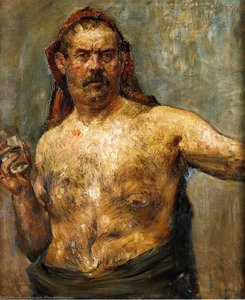 Self Portrait with a Glass1907
Eseje o Salome, Second Version
 Lovis Corinth: Bridging Impressionism & Expressionism – A Study of Artistic EvolutionExplore the fascinating artistic journey of Lovis Corinth, a pivotal figure bridging Impressionism & Expressionism. Discover his evolution,…
 The Soul of the Brushstroke: Why Textured Impasto Defines the Magic of Impressionist MasterpiecesDiscover the tactile magic of Impressionism. Explore how the impasto technique breathes life into masterpieces through texture and light. E…
 Unveiling the Dreamer: The 25 Most Iconic Masterpieces by Gustave MoreauStep into the dreamlike world of Gustave Moreau. Explore 25 iconic Symbolist masterpieces, from mythic legends to opulent textures. Find in…