Expressionism · 1909
Homeric Laughter, First Version (Lovis Corinth, 1909)
Lovis Corinth (1858–1925) stworzył Homeric Laughter, First Version. Dzieło pochodzi z 1909. Należy do nurtu Expressionism. Wykonano w technice Oil On Canvas. Przechowywane jest w Bayerische Staatsgemäldesammlungen w Monachium, Niemcy. Wymiary to 98 × 120 cm.
- 1909
- Oil On Canvas
- 98 × 120 cm
- Bayerische Staatsgemäldesammlungen, Monachium

 Podgląd w skali 1:1

 Ręcznie malowany obraz olejny
 Wyślij jako kartkę
 Udostępnij
 Karta informacyjna


 Pobierz obraz
 Podobne obiekty
 RTG
 Pokaz slajdów
 Pytania i odpowiedzi

 Statystyki
Homeric Laughter, First Version w skrócie
- Tytuł
- Homeric Laughter, First Version
- Artysta
- Lovis Corinth (1858–1925)
- Miejsce urodzenia artysty
- Gwardiejsk, Rosja
- Data powstania
- 1909
- Technika wykonania
- Oil On Canvas
- Wymiary
- 98 × 120 cm
- Gdzie można je zobaczyć
- Bayerische Staatsgemäldesammlungen, Monachium, Niemcy
- Ruch
- Expressionism
- Epoka
- 19th Century
- Temat
- nude figure, social gathering, conversation, greek mythology, laughter, domestic scene
Co przedstawia Homeric Laughter, First Version?
A Moment of Shared Revelry: Unpacking “Homeric Laughter”
Lovis Corinth’s “Homeric Laughter,” painted in 1909, isn't merely a depiction of a gathering; it’s an invitation into a vibrant tableau of human connection and the intoxicating pleasure of shared experience. The painting immediately draws the eye with its scale – a generous 98 x 120 cm canvas – allowing for a complete immersion in the scene. Corinth masterfully captures a group of individuals, numbering at least thirteen, engaged in what appears to be an animated conversation or perhaps a lighthearted celebration. The central figure, a woman reclining on a bed, is undeniably the focal point, her exposed form not presented with overt sexuality but rather as a symbol of vulnerability and openness within this intimate setting. The surrounding figures – men and women alike, some standing, others seated or kneeling – contribute to a sense of communal warmth and relaxed conviviality.

The Expressionist Palette and Corinth’s Unique Style
Painted during a pivotal period in Corinth's artistic evolution, “Homeric Laughter” exemplifies his distinctive style – a potent blend of Impressionism and burgeoning Expressionism. He abandons the meticulous detail favored by earlier academic training, opting instead for bold brushstrokes, vibrant colors, and a deliberately loose application of paint. Notice how he uses color not to represent reality but to evoke feeling; the reds and oranges dominate, radiating warmth and suggesting an atmosphere of joyous abandon. Corinth’s technique is characterized by a dynamic layering of pigments, creating a sense of movement and immediacy. The figures aren't sharply defined; they are rendered with a slightly blurred quality, contributing to the painting’s overall dreamlike atmosphere. This approach was influenced by his travels through Paris and Antwerp, where he encountered artists like Rubens and Impressionists who challenged traditional artistic conventions.
Echoes of Homer and the Celebration of Human Connection
The title itself, “Homeric Laughter,” immediately connects the painting to the works of ancient Greek poet Homer. Homer’s epics are filled with scenes of feasting, drinking, and boisterous gatherings – celebrations of life, friendship, and human connection. Corinth's painting captures this spirit, suggesting a modern-day reimagining of these timeless themes. The objects scattered around the group—a bowl and a cup—further reinforce the idea of shared indulgence and communal enjoyment. The woman on the bed isn’t simply exposed; she embodies a state of relaxed vulnerability, inviting the viewer to contemplate the dynamics of intimacy and social interaction within this circle.
A Window into Corinth's Life and Artistic Journey
Lovis Corinth’s life was marked by both artistic triumph and personal hardship. Following a debilitating stroke in 1911, he adapted his technique, favoring his right hand and exploring themes of domesticity and family. “Homeric Laughter” can be viewed as a reflection of this evolving perspective – a celebration of the simple pleasures of life and the importance of human relationships. Corinth’s work is deeply personal, imbued with emotion and a profound understanding of the human condition. Reproductions of “Homeric Laughter” offer a captivating glimpse into his world, inviting viewers to share in his vision of joy, connection, and the enduring power of art.
W którym muzeum znajduje się Homeric Laughter, First Version?
Bayerische Staatsgemäldesammlungen
Monachium, Niemcy
Historia Bayerische Staatsgemäldesammlungen Korzenie Bayerische Staatsgemäldesammlungen sięgają 1799 roku, kiedy to powołano do życia Centralgemäldegaleriedirektion. Ta instytucja, położona w sercu Monachium w Niemczech, rozpoczęła swoją działalność jako starannie wyselekcjonowana przestrzeń przeznaczona dla kolekcji królewskich. To pierwotne przeznaczenie odzwierciedla epokę, w której sztuka pozostawała w prywatnych sferach arystokracji, zanim przeszła transformację w publiczny zasób, jakim cieszy się dzisiaj.


Zdjęcia w wysokiej rozdzielczości dzieła Homeric Laughter, First Version

Domena publiczna: artysta zmarł w 1925.
Inne rozmiary, kadrowanie i cytowanie →Lovis Corinth, Homeric Laughter, First Version (1909), Bayerische Staatsgemäldesammlungen. Domena publiczna
Odpowiedzi na pytania dotyczące Homeric Laughter, First Version
Gdzie można obecnie zobaczyć dzieło „Homeric Laughter, First Version” – Lovis Corinth?
Oryginał dzieła „Homeric Laughter, First Version” – Lovis Corinth znajduje się w Bayerische Staatsgemäldesammlungen, Monachium, Niemcy. Reprodukcja pozwala na eksponowanie pracy w domu.
W którym roku powstało „Homeric Laughter, First Version” – Lovis Corinth?
„Homeric Laughter, First Version” – Lovis Corinth powstało w 1909.
Z jakiej techniki wykorzystano "Homeric Laughter, First Version"?
Technika wykonania dzieła „Homeric Laughter, First Version” – Lovis Corinth to Oil On Canvas. Reprodukcje mają na celu wierne oddanie wyglądu tej techniki.
Jakie są wymiary oryginalnego dzieła „Homeric Laughter, First Version” – Lovis Corinth?
Oryginalny utwór „Homeric Laughter, First Version” – Lovis Corinth ma wymiary 98 x 120 cm.
Co przedstawia „Homeric Laughter, First Version” – Lovis Corinth?
„Homeric Laughter, First Version” – Lovis Corinth przedstawia: nude figure, social gathering, conversation, greek mythology, laughter, domestic scene, 19th century.
Czy „Homeric Laughter, First Version” – Lovis Corinth znajduje się w domenie publicznej?
Jeśli chodzi o prawa autorskie, "Homeric Laughter, First Version" znajduje się w należy do domeny publicznej – autorskie prawa majątkowe wygasły.
Któremu artyście przypisuje się "Homeric Laughter, First Version"?
Autorem dzieła „Homeric Laughter, First Version” jest Lovis Corinth. Praca ta figuruje w katalogu pod nazwiskiem Lovis Corinth.
Do jakiego nurtu w sztuce należy „Homeric Laughter, First Version” – Lovis Corinth?
Nurt związany z „Homeric Laughter, First Version” – Lovis Corinth to Expressionism. Ta klasyfikacja sytuuje dzieło wśród pokrewnych artystów i dzieł sztuki.
Do którego etapu twórczości Lovis Corinth należy dzieło „Homeric Laughter, First Version”?
„Homeric Laughter, First Version” pochodzi z okresu Mature Period w twórczości Lovis Corinth. Klasyfikacja ta wiąże dzieło z rozwojem artysty.
O artyście: Lovis Corinth

1858–1925, Rosja
Lovis Corinth
A Life Forged in Paint: The World of Lovis Corinth Lovis Corinth, właściwie Franz Heinrich Louis, urodził się 21 lipca 1858 roku w prowincji Prus nad Morzem Bałtyckim (obecnie Gwardeysk), w Królestwie Prus. Jego życie było świadectwem burzliwego przejścia z XIX na wczesne XX-wieczne światło sztuki, a jego podróż nie była od razu uznaniem, lecz stopniową ewolucją napędzaną wytrwałą pracą, różnorodnymi wpływami i ostatecznie osobistym dramatem. Początki Corintha były zakorzenione w wiejskich krajobrazach jego rodzinnego domu, Tapiau, gdzie ojciec pracował jako garbarz. Wczesne to doświadczenie fizycznej pracy i surowy piękno natury subtelnie przeniknęło do jego późniejszych dzieł, nawet w obliczu bardziej wyrafinowanych eksploracji stylistycznych.
Inne prace Lovis Corinth
 W Świątyni Zabicia1893
 Wilhelmine z piłką1915
 Portrait of the Painter Paul Eugène Gorge1908
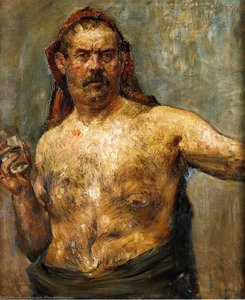 Self Portrait with a Glass1907

Eseje o Homeric Laughter, First Version
 Arcydzieła XIX Wieku: 10 Obrazów Opowiadających Epokę | OriginalUniqueArtOdkryj 10 arcydzieł XIX wieku! Poznaj historię Monet, Van Gogha i Courbeta. Imesjonizm, realizm, romantyzm – obrazy pełne emocji i piękna c…
 Romantic Realism's Finest: 10 Masterpieces for Your Home | OriginalUniqueArtExplore 10 defining masterpieces of Romantic Realism! Discover Courbet, Millet & Daumier's powerful paintings—capturing emotion and social …
 Lovis Corinth: Bridging Impressionism & Expressionism – A Study of Artistic EvolutionExplore the fascinating artistic journey of Lovis Corinth, a pivotal figure bridging Impressionism & Expressionism. Discover his evolution,…