

 Zobacz w skali 1:1
 Wyślij
 Udostępnij
 Szczegóły
 Przewodnik

 Pobierz plik obrazu
 Podobne obiekty
 RTG
RTG Pokaz slajdów
 Statystyki
The Boating Pool
 Oil On Canvas
- WallArt
- Barbizon School
 17.0 x 26.0 cm
 Fitzwilliam College
 Czytaj więcej
Giclée / Wydruk artystyczny
Wydruki giclée lub płótna o jakości muzealnej, szybka realizacja i szeroki wybór opcji wykończenia. ( Kup ręcznie malowany obraz Przełącz na wersję cyfrową)




P118B $10

P118H $10

P118W $10

P438Z $10

P508JH $12

P508YH $12

P805H $10

P805Z $10

P919BZ $10

P919G $10

P919XJ $10

P959ZH $10

P968JZ $12

W106C $8

W218G $10

W218JH $8

W218Y $10

W307PJ $10

W316G $10

W316PJ $8

W316Y $10

W398PJ $8

W4111J $10

W500HY $15

W500JH $15

W692G $12

W849H $8

W940BG $15

W953PJ $8




Wybierz spośród naszych standardowych rozmiarów, które zachowują oryginalne proporcje dzieła sztuki.

Możesz wprowadzić własne wymiary, aby dopasować dzieło do konkretnej ramy lub przestrzeni. Jeśli wybrany rozmiar nie będzie odpowiadał proporcjom oryginalnego obrazu, przytniecie dzieło lub rozszerzymy obraz za pomocą odbicia lustrzanego lub jednolitego wypełnienia krawędzi. Przed rozpoczęciem produkcji prześlemy cyfrową wizualizację do Twojej akceptacji.
Prosimy pamiętać, że podgląd na ekranie nie odzwierciedla faktycznego przycinania ani rozszerzania. Tylko wizualizacja dokładnie pokaże końcową kompozycję.
Mimo dostępności niestandardowych rozmiarów, zalecamy wybór wymiaru z listy zdefiniowanej, aby zachować oryginalne proporcje.
Dostawa na cały świat () w ciągu 2 tygodni zamiast standardowych 4/5 tygodni. (27 Wrzesień)

Bezpłatna ekspresowa wysyłka na cały świat

Wysokiej jakości płótno lniane

Pełne ubezpieczenie transportowe

Gwarancja zwrotu należności celnych i podatków importowych

Gwarancja idealnego odwzorowania barw

100-dniowy okres na zwrot dzieła w przypadku wykrycia wad produkcyjnych

Gwarancja 100% zwrotu pieniędzy

Oferta przy zakupie wielu sztuk
 Opcja ze szkłem jest dostępna wyłącznie w rozmiarach poniżej 110 cm

The Boating Pool
Giclée / Wydruk artystyczny
Rozmiar reprodukcji
-


Suma do zapłaty
$ 80
A Moment of Refined Leisure: Exploring “The Boating Pool” by Lawrence Alma-Tadema
Lawrence Alma-Tadema’s “The Boating Pool,” painted around 1873, is more than just a picturesque scene; it's a meticulously crafted tableau of Victorian leisure and an exquisite study in light, color, and the subtle drama of everyday life. This oil painting, now housed at The Fitzwilliam Museum in Cambridge, transports us to a world of opulent tranquility – a carefully constructed illusion of warmth and relaxation within a cool, shadowed space. Tadema, a Dutch-born artist who ultimately established himself as a leading figure in London’s art scene, masterfully employed the techniques of the Barbizon school, prioritizing atmospheric effects and capturing the fleeting beauty of light over precise detail, resulting in an image that is both intensely realistic and dreamlike.
The composition immediately draws the eye to the central circular pool, a shimmering expanse reflecting the muted tones of the surrounding architecture. Two men, dressed in the fashionable attire of the era – one reclining languidly on a stone bench, the other attentively observing him – occupy the foreground. Their postures and expressions suggest an intimate conversation, a shared moment of quiet contemplation amidst the grandeur of their surroundings. The figures are not actively engaged; rather, they embody a state of relaxed enjoyment, embodying the Victorian ideal of refined leisure. Tadema’s skill lies in his ability to convey this sense of effortless grace through subtle gestures and carefully positioned bodies.
The Language of Light and Color
Tadema's masterful use of light is central to the painting’s impact. He employs a technique known as “chiaroscuro,” dramatically contrasting areas of intense illumination with deep shadows, creating a sense of depth and volume. The pool itself is bathed in a soft, diffused glow, while the surrounding walls and columns are shrouded in cool, grey tones. This interplay of light and shadow not only enhances the realism of the scene but also evokes a feeling of mystery and intimacy. Notice how the sunlight catches the wet surface of the water, creating shimmering reflections that dance across the figures and the architecture – a testament to Tadema’s keen observation of natural phenomena.
The color palette is restrained yet sophisticated, dominated by cool blues, greens, and greys, punctuated by warmer accents in the fabrics and architectural details. The artist's deliberate choice of muted tones contributes to the painting’s overall atmosphere of serenity and timelessness. He avoids bright, saturated colors, instead opting for subtle gradations that create a sense of depth and realism. This restrained approach is characteristic of the Barbizon school, which emphasized capturing the essence of a scene rather than simply replicating its appearance.
Historical Context and Symbolism
“The Boating Pool” reflects the social and cultural values of Victorian England, a period marked by a fascination with classical antiquity, luxury, and leisure. The painting’s setting – a Roman-inspired bathhouse – is a deliberate homage to the grandeur of the ancient world, suggesting an idealized vision of Roman life. The figures themselves embody the Victorian ideal of gentlemanly pursuits, engaging in activities that were considered appropriate for men of wealth and status. The pool itself can be interpreted as a symbol of refreshment, relaxation, and social connection—a space where gentlemen could escape the pressures of daily life and indulge in conversation and contemplation.
Furthermore, Tadema’s meticulous attention to detail – from the intricate carvings on the walls to the folds of the men's clothing – reflects his deep knowledge of classical art and architecture. He was a dedicated student of antiquity, and his paintings are filled with references to Roman culture. This commitment to historical accuracy is one of the reasons why “The Boating Pool” remains such a compelling work of art today.
A Timeless Masterpiece
“The Boating Pool” endures as a testament to Lawrence Alma-Tadema’s artistic skill and his ability to capture the essence of Victorian life. Its serene atmosphere, masterful use of light and color, and subtle symbolism continue to captivate viewers today. Reproductions of this iconic painting offer a window into a bygone era, inviting us to step back in time and experience the refined pleasures of a world long past. It’s a piece that speaks volumes about human connection, leisure, and the enduring power of art to transport us to another place and time.
Biografia artysty
Wczesne życie i edukacja artystyczna
Lourens Alma Tadema, później Lawrence Alma Tadema, urodził się w Dronryp pod Leeuwardenem w Holandii 8 stycznia 1836 roku. Jego ojciec, Pieter Jiltes Tadema, notariusz wiejski, miał trzech synów z pierwszego małżeństwa, a jego matka, Hinke Dirks Brouwer, była siostrą pierwszej żony Pieta. Rodzina Tadema przeniosła się do Leeuwarden w 1838 roku, gdzie pozycja Pieta jako notariusza był bardziej dochodowa. Jego ojciec zmarł, gdy Laurens miał cztery lata, pozostawiając matkę z pięci dziećmi: Laurensem, jego siostrą i trzema chłopcami z pierwszego małżeństwa ojca. Hinke Brouwer miała zamiłowania artystyczne i postanowiła włączyć lekcje rysunku do edukacji dzieci. Laurens otrzymał pierwsze szkolenie artystyczne od lokalnego mistrza rysunku zatrudnionego do nauczania starszych braci. Planowano, aby Laurens został prawnikiem; ale w 1851 roku doznał nagłego upadku zdrowia i psychicznego. Zdiagnozowany jako osoba cierpiąca na gruzkę, otrzymując jedynie krótki czas życia, został dopuszczony do spędzania pozostałych dni wolnego czasu rysując i malując. Pozostawiony samemu sobie odzyskał zdrowie i postanowił podjąć karierę artystyczną. W 1852 roku wstąpił do Królewskiej Akademii w Antwerpii, gdzie studiował holenderskich i flamandzkich mistrzów z dawnych lat, a jednocześnie przyswajał sobie rygorystyczne szczegóły wymagane od dokładności historycznej. Podczas czterioletniego studia Laurensa w Akademii zdobył kilka godnych pochwały nagród. Przed opuszczeniem szkoły, pod koniec 1855 roku, został asystentem malarza i profesora Louisa Jana de Taeye, których kursy z historii i kostiumów historycznych bardzo mu się spodobały w Akademii. De Taeye wprowadził go do książek, które wpłynęły na jego pragnienie przedstawiania tematów merowingijskich na początku kariery. Został zachęcony do malowania obrazów zgodnie z dokładnością historyczną, cecha, dla której artysta stał się znany. Laurens Tadema traktował tę krytykę bardzo poważnie, co doprowadziło go do poprawy techniki i stał się światowym liderem w malowaniu marmuru i wariowanych granitów.Wczesne prace: Merowingianie i Egipt
Laurens Alma Tadema’s artistic trajectory began with explorations of Merovingian themes—the Frankish dynasty that ruled after the fall of the Western Roman Empire. These early works, though demonstrating his burgeoning talent for historical detail and narrative composition, didn’t achieve the widespread acclaim he would later find. He was encouraged to depict historic accuracy in his paintings, a trait for which the artist became known. However Merovingian subjects did not have a wide international appeal, so he switched to themes of life in ancient Egypt, then to the classical world of Greece and Rome. This transition wasn’t arbitrary; it reflected a growing public appetite for romanticized visions of antiquity, fueled by archaeological discoveries and a Victorian fascination with moral lessons drawn from the past.Architekt atmosfery: Szczegół i światło
What truly set Alma Tadema apart was his unparalleled ability to create atmosphere. He wasn’t just painting objects; he was capturing the very *feeling* of sunlight on marble, the coolness of mosaic floors underfoot, the gentle murmur of fountains in a Roman atrium. This mastery stemmed from an obsessive attention to detail and a deep understanding of materials. He meticulously researched ancient architecture, furniture, and clothing, ensuring that every element within his compositions was historically plausible. But beyond accuracy, he possessed a remarkable talent for rendering light and texture. His marble gleamed with a lifelike luminosity, his fabrics flowed with graceful realism, and his water shimmered with captivating clarity. This dedication to verisimilitude wasn’t merely about technical skill; it was about creating an illusion of reality so convincing that viewers felt transported to another time and place. He even went as far as to build miniature models of the settings he intended to paint, ensuring perfect perspective and architectural accuracy.Wiktoriańska sława i dziedzictwo
Alma Tadema enjoyed immense popularity during his lifetime, becoming a household name and receiving numerous accolades, including knighthood in 1899. However, following his death in 1912, his work fell into relative obscurity. The changing tastes of the early 20th century favored more modernist styles, and Alma Tadema’s meticulous realism seemed out of step with the prevailing artistic trends. It wasn't until the 1960s that a renewed appreciation for his art began to emerge. Scholars and collectors rediscovered the beauty and technical brilliance of his paintings, recognizing him as a master of Victorian art and a significant figure in the history of classical representation. Today, his works are highly sought after by museums and private collectors worldwide, and his influence can be seen in contemporary artists who strive for similar levels of detail and atmospheric realism.Wpływ poza płótno
Alma Tadema’s depictions of Roman life profoundly influenced popular perceptions of antiquity, shaping how generations imagined the world of emperors, gladiators, and philosophers. His meticulous attention to detail inspired costume designers for film and theater.Architects drew inspiration from his renderings of classical buildings.Writers incorporated his imagery into their descriptions of ancient Rome. He wasn’t just an artist; he was a cultural phenomenon, creating a visual language that continues to resonate today.
lourens alma tadema
1836 - 1912 , Holandia
Najważniejsze informacje
- Artistic Movement Or Style: Malarski wiktoriański
- Artists Or Movements Influenced By This Artist: ['Romanticizm']
- Artists Who Influenced This Artist: ['Louis Jan de Taeye']
- Date Of Birth: 8 stycznia 1836
- Date Of Death: 25 czerwca 1912
- Full Name: Lourens Alma Tadema
- Nationality: Holender, Brytyjczyk
- Notable Artworks:
- A Kiss
- Ask Me No More
- A Coign of Vantage
- Place Of Birth: Dronryp, Holandia
Zobacz także powiązane artykuły

Sir Lawrence Alma-Tadema: A Study in Victorian Aestheticism & Classical Antiquity
Explore the captivating world of Sir Lawrence Alma-Tadema, a master of Victorian Aestheticism. Discover his stunning depictions of ancient Rome, artistic techniques, and enduring legacy with OriginalUniqueArt.

Olej na płótnie: Historia, techniki i ponadczasowy urok malarskiego medium
Poznaj historię i techniki malarstwa olejowego! Od renesansowych mistrzów po współczesne zastosowania – wszystko o oleju na płótnie. Poradniki, konserwacja i inspiracje dla pasjonatów sztuki.

Trwała Spuścizna Malarstwa Olejnego: Technika, Historia i Estetyczny Wpływ
Poznaj historię i technikę malarstwa olejnego! Eksperckie artykuły o konserwacji, renowacji oraz współczesnych zastosowaniach. Dowiedz się więcej o mistrzach i trwałości obrazów olejnych.

The Soul of Impressionism: Why Oil on Canvas Captures Eternal Light and Timeless Emotion
Discover the enchanting alchemy of Impressionism. Explore how the mastery of oil on canvas, through glazing and impasto, captures eternal light and emotion. Perfect for lovers of Monet and Van Gogh seeking the profound depth of hand-painted fine art.
The Timeless Charm of Oil on Board: Reimagining Texture and Light through the Impressionist Lens
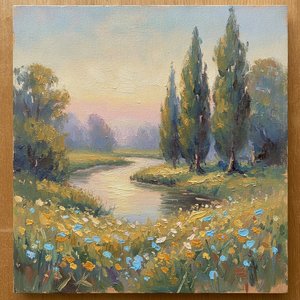
Discover the profound intimacy of oil on panel. Explore how Impressionist masters used rigid supports to capture light, texture, and impasto depth through exquisite, handmade oil reproductions for discerning collectors.


