
 Zobacz w skali 1:1
 Wyślij
 Udostępnij
 Szczegóły
 Przewodnik

 Pobierz plik obrazu
 Podobne obiekty
 RTG
RTG Pokaz slajdów
 Statystyki
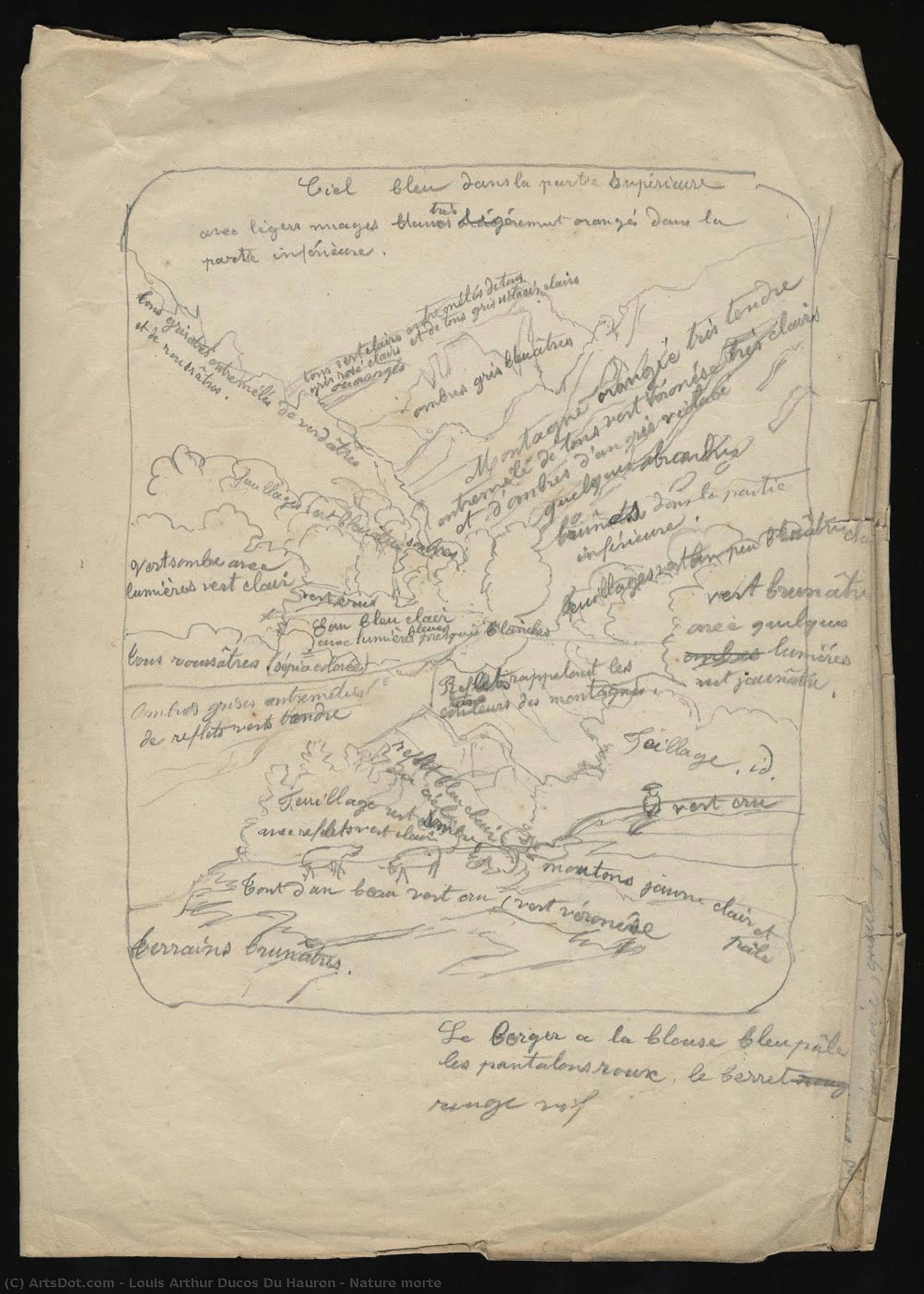
Nature morte


 Czytaj więcej
Kup wysokiej rozdzielczości, ulepszony obraz cyfrowy o jakości znacznie przewyższającej podgląd online.
Każdy plik jest starannie przygotowywany przez naszych specjalistów przy użyciu zaawansowanych narzędzi oraz profesjonalnej, ręcznej retuszy. Dbamy o to, aby każdy obraz cechował się wyjątkową ostrością, precyzyjnym odwzorowaniem kolorów i subtelnymi detalami.
Ostateczny plik dostarczany jest drogą mailową w ciągu 72 godzin, zoptymalizowany do natychmiastowego wykorzystania w profesjonalnych zastosowaniach redakcyjnych i poligraficznych. To ta sama jakość, której ufają czołowe studia projektowe, wydawnictwa oraz galerie sztuki.
Obraz cyfrowy
Pobierz plik o wysokiej rozdzielczości do osobistego użytku, druku oraz projektów kreatywnych. ( Przełącz na wersję drukowaną Kup ręcznie malowany obraz)
W każdym zamówieniu na obraz cyfrowy znajduje się
Profesjonalna dostawa cyfrowa z gwarancją
Wybierając OriginalUniqueArt.com, nie otrzymujesz jedynie obrazu – otrzymujesz profesjonalnie udoskonalone cyfrowe dzieło sztuki, stworzone z najwyższą precyzją i objęte gwarancją satysfakcji. Oto wszystko, co automatycznie dołączane jest do Twojego zamówienia:

Błyskawiczna dostawa e-mailowa
Plik z obrazem cyfrowym w wysokiej rozdzielczości zostanie przesłany na Twój adres e-mail w ciągu 72 godzin od złożenia zamówienia – gotowy do natychmiastowego użycia.

Plik cyfrowy ulepszony przez AI
Twoja grafika została profesjonalnie zoptymalizowana przy użyciu zaawansowanych narzędzi AI oraz ręcznej edycji, co zapewnia maksymalną szczegółowość, klarowność i wierność kolorów.

Bezpłatna dożywotnia ponowna dostawa
Przypadkowo usunąłeś lub zgubiłeś swój plik? Bez obaw – prześlemy go Tobie ponownie w dowolnym momencie, bez żadnych opłat.

Bez opłat importowych – zawsze
Ciesz się swoją sztuką natychmiast, bez żadnych opłat celnych, należności ani kosztów dostawy – pliki cyfrowe są zawsze wolne od podatku.

Gwarancja odwzorowania kolorów
Dzięki zastosowaniu profesjonalnych narzędzi i procesów zarządzania barwą zapewniamy, że Twoje cyfrowe zdjęcie odzwierciedla oryginalne kolory tak wiernie, jak to tylko możliwe.

100 dni na satysfakcję
Jeśli nie będziesz zadowolony ze swojego cyfrowego obrazu, poprawimy go lub zwrócimy 100% kosztów w ciągu 100 dni – bez zbędnych pytań.

100% Gwarancja zwrotu pieniędzy
Nie jesteś zadowolony? Otrzymaj pełny zwrot kosztów w ciągu 100 dni od otrzymania pliku cyfrowego – bez zbędnych pytań.

Rabaty przy zamówieniach hurtowych
Kup 3 obrazy, oszczędź 10% - Kup 5, oszczędź 15% - Kup 10+, oszczędź 20%. Idealne do projektów kreatywnych, galerii i agencji.
Biografia artysty
John Constable: A Revolutionary of Light and Landscape
Born in 1776 in the tranquil village of East Bergholt, Suffolk, John Constable’s life was inextricably linked to the rolling hills and shimmering waterways of his native landscape. His early years were shaped by a modest upbringing within a family involved in the corn trade – a profession that initially seemed destined for him as well. However, a burgeoning artistic talent, nurtured through informal study and a deep connection to the natural world, ultimately led him down a radically different path. Constable’s story is one of quiet determination, a relentless pursuit of capturing the essence of light and atmosphere, and a profound shift in how English landscape painting was perceived.
Constable's artistic journey began with a formal education at Plaitwood School, followed by brief stints working in his family’s business. Yet, it was his connection to Dedham Vale – the valley surrounding his home – that would become the cornerstone of his oeuvre. Unlike many of his contemporaries who sought grand historical or mythological subjects, Constable focused almost exclusively on this intimate corner of Suffolk, investing it with an unprecedented level of emotional depth and observational accuracy. This dedication wasn’t merely a matter of subject choice; it represented a fundamental shift in artistic philosophy – a belief that “painting is but another word for feeling,” as he famously wrote to his friend John Fisher.
His early works, such as *The Hay Wain* (1821), quickly gained recognition for their atmospheric qualities and masterful depiction of light. This painting, depicting a rural scene along the River Stour, became an instant success, solidifying Constable’s reputation and establishing his signature style. He was known for his ability to capture the fleeting effects of sunlight on water and foliage, creating images that felt both immediate and timeless. His technique involved numerous outdoor sketches – *studies* – which he then developed into larger, more finished paintings in his studio. These studies were crucial to his process, allowing him to meticulously observe and record subtle shifts in color, light, and texture before committing them to canvas.
The Influence of Romanticism and the Barbizon School
Constable’s work emerged during a period of significant artistic change – the rise of Romanticism. Rejecting the rigid formality of Neoclassicism, Romantic artists sought to express intense emotion and celebrate the power of nature. Constable embraced this spirit, imbuing his landscapes with a sense of immediacy and personal feeling. He shared many characteristics with other Romantic painters, such as J.M.W. Turner, in his focus on capturing atmospheric effects and conveying subjective experience.
However, Constable’s style also anticipated developments in the Barbizon School, a French movement that emphasized direct observation of nature and the use of loose brushwork. His meticulous studies of Dedham Vale, with their emphasis on capturing the nuances of light and shadow, foreshadowed the Barbizon painters' commitment to painting *en plein air* (outdoors). The influence of Turner was particularly significant; Constable admired Turner’s bold use of color and his ability to evoke dramatic atmospheric effects. Interestingly, Constable’s work proved remarkably popular in France, where it inspired a generation of artists.
Major Works and Artistic Development
Throughout his career, Constable produced a remarkable body of work that continues to captivate audiences today. *Dedham Vale* (1821), arguably his most iconic painting, perfectly encapsulates his artistic vision – a serene depiction of his beloved landscape bathed in the golden light of late afternoon. Other notable works include *The Cornfield*, *Wivenhoe Park*, and *Littlebourne*. These paintings demonstrate Constable’s evolving style, moving from more representational depictions to increasingly expressive interpretations of nature.
As he matured as an artist, Constable began to experiment with new techniques and approaches. He became increasingly interested in capturing the effects of weather – rain, mist, and fog – on his landscapes. His later works, such as *Skating at Aldeburgh*, are characterized by a looser brushstroke and a greater emphasis on atmospheric effects. Despite facing financial difficulties throughout much of his career, Constable remained committed to his artistic vision, producing some of the most beloved and enduring images in English art.
Legacy and Historical Significance
John Constable’s impact on the history of landscape painting is undeniable. He revolutionized the genre by prioritizing personal observation and emotional expression over academic conventions. His focus on ordinary subjects – rural landscapes – elevated them to a level of artistic significance previously unheard of. Constable's dedication to capturing the subtleties of light and atmosphere influenced generations of artists, both in England and abroad.
His election to the Royal Academy of Arts at the age of 52 was a significant achievement, marking a recognition of his talent and contribution to the art world. Constable’s paintings are now among the most valuable and sought-after works in British art, cherished for their beauty, emotional resonance, and historical importance. He remains an enduring symbol of artistic integrity, dedication, and the transformative power of nature.

louis arthur ducos du hauron
1837 - 1920 , France
Najważniejsze informacje
- Artistic Movement Or Style: Romantic landscape painting
- Artists Or Movements Influenced By This Artist: ['Barbizon school']
- Artists Who Influenced This Artist: ['Charles Golding Constable']
- Date Of Birth: 11 June 1776
- Date Of Death: 31 March 1837
- Full Name: John Constable
- Nationality: English
- Notable Artworks:
- The Hay Wain
- Dedham Vale
- Wivenhoe Park
- Place Of Birth: East Bergholt, Suffolk