

 Podgląd w skali 1:1
 Wyślij jako kartkę
 Udostępnij
 Szczegóły dzieła
 Przewodnik

 Pobierz obraz
 Podobne obiekty
 RTG
RTG Pokaz slajdów
 Q&A
Q&A Statystyki
Processional Cross
 Tempera On Panel
- WallArt
- Late Medieval Art
 1392
1392- Late Medieval
 57.0 x 28.0 cm
 Instytut Sztuki w Chicago
 Rozwiń treść
Giclée / Wydruk artystyczny
Wydruki giclée lub płótna o jakości muzealnej, szybka realizacja i szeroki wybór opcji wykończenia. ( Zamów ręcznie malowaną reprodukcję Przejdź do wersji cyfrowej)




P118B zł10

P118H zł10

P118W zł10

P438Z zł10

P508JH zł12

P508YH zł12

P805H zł10

P805Z zł10

P919BZ zł10

P919G zł10

P919XJ zł10

P959ZH zł10

P968JZ zł12

W106C zł8

W218G zł10

W218JH zł8

W218Y zł10

W307PJ zł10

W316G zł10

W316PJ zł8

W316Y zł10

W398PJ zł8

W4111J zł10

W500HY zł15

W500JH zł15

W692G zł12

W849H zł8

W940BG zł15

W953PJ zł8




Wybierz spośród naszych standardowych rozmiarów, które zachowują oryginalne proporcje dzieła sztuki.

Wpisz wymaganą szerokość i wysokość, aby dopasować grafikę do ramy lub ściany. Wydruk można jedynie przyciąć, nigdy nie powiększając go poza oryginalny obraz, dlatego format o innych proporcjach spowoduje utratę części kompozycji. Przed rozpoczęciem druku prześlemy Ci cyfrowy podgląd do zatwierdzenia. Obraz wyświetlany na tej stronie nie pokazuje rzeczywistego przycięcia — jedynie podgląd oddaje ten efekt.
Dostawa na cały świat () w ciągu 2 tygodni zamiast standardowych 4/5 tygodni. (28 Październik)

Bezpłatna ekspresowa wysyłka na cały świat

Wysokiej jakości płótno lniane

Pełne ubezpieczenie przesyłki

Gwarancja zwrotu należności celnych i podatków importowych

Gwarancja wiernego odwzorowania kolorów

100-dniowa polityka zwrotów (tylko w przypadku wad)

Gwarancja 100% zwrotu pieniędzy

Zniżka przy zakupie wielu sztuk
 Opcja ze szkłem jest dostępna wyłącznie w rozmiarach poniżej 110 cm

Processional Cross
Giclée / Wydruk artystyczny
Wymiary reprodukcji
-


Cena całkowita
zł 308
A Divine Radiance: The Spiritual Majesty of Lorenzo Monaco
In the quiet transition between the late Middle Ages and the dawn of the Renaissance, few works capture the ethereal tension of faith as poignantly as Lorenzo Monaco’s Processional Cross. Created in 1392, this exquisite tempera panel is far more than a mere religious artifact; it is a window into a world where the boundaries between the earthly and the divine were intentionally blurred through light and gold. As one gazes upon the central figure of Christ, the viewer is immediately enveloped by a shimmering, celestial atmosphere. The painting serves as a profound emblem of late medieval Italian devotion, acting as a bridge between the structured narrative traditions of Giotto and the burgeoning emotional complexity that would soon define the Quattrocento.
The composition is a masterclass in sacred geometry, where the verticality of the cross directs the soul upward. Monaco utilizes a sophisticated interplay of rectangles, triangles, and soft curves to guide the eye through a landscape of profound sorrow and divine hope. Below the crucified Christ, figures of mourning—including a woman draped in a rich, crimson robe—anchor the scene in human empathy, while an ascending angel offers a heavenly benediction from above. This careful arrangement ensures that the viewer does not merely observe the Crucifixion but participates in its liturgical rhythm, much like the faithful who would have once carried this very panel through the hallowed aisles of a cathedral during solemn processions.
The Alchemy of Gold and Tempera
To behold this masterpiece is to witness the pinnacle of fresco secco and gilding techniques. Monaco’s use of gold leaf is nothing short of transformative; it does not merely decorate the background but creates a luminous, infinite space that defies the flatness of the wooden panel. This heavy application of gold catches the light with every movement, simulating a divine presence that fluctuates between shadow and brilliance. The technique of tempera allows for an incredible precision in detail, seen in the delicate drapery folds and the meticulous rendering of facial expressions that convey a spectrum of grief and grace.
For the discerning collector or interior designer, the texture of this work offers unparalleled tactile richness. The layering of pigments over gold creates a sense of depth and sculptural weight, making the artwork feel alive within its frame. The interplay of light on the gilded surfaces provides a sophisticated focal point that can anchor a room with an air of historical grandeur and contemplative stillness. It is a piece that demands attention not through loud colors, but through a quiet, commanding elegance that speaks to the enduring power of classical craftsmanship.
A Legacy of Devotion and Design
Beyond its aesthetic brilliance, the Processional Cross carries a heavy symbolic weight. Every element—from the rocky outcrops of the stylized landscape to the symbolic presence of the angel—is a verse in a visual hymn of redemption. The cross itself stands as the ultimate symbol of sacrifice, yet the surrounding ornamentation and the radiant background suggest that death is not an end, but a transition into light. This duality makes the piece an incredibly versatile inspiration for those looking to infuse their spaces with themes of resilience, peace, and timelessness.
Owning a high-quality reproduction of such a significant work allows one to bring this piece of Florentine history into a modern context. Whether placed in a curated gallery setting or as a centerpiece in a thoughtfully designed study, the Processional Cross offers a sense of continuity with the masters of the past. It remains a testament to Lorenzo Monaco’s unique ability to marry the monastic discipline of his life as a Camaldolese monk with an unparalleled artistic vision, creating a work that continues to inspire awe and reverence centuries after its creation.
Pytania i odpowiedzi
Czy dostępna jest prezentacja w formie pokazu slajdów dla „Processional Cross” – Lorenzo Monaco?
Prezentację slajdów utworu "Processional Cross" można obejrzeć na stronie Prezentacja slajdów tego dzieła.
Jaki jest format oraz wymiary dzieła „Processional Cross” – Lorenzo Monaco?
„Processional Cross” – Lorenzo Monaco to kompozycja w formacie Tall, której oryginalne wymiary to 57 x 28 cm.
Jaka paleta barw została wykorzystana w „Processional Cross” – Lorenzo Monaco?
Paleta dzieła „Processional Cross” – Lorenzo Monaco jest opisywana jako Earthy. Stanowi ona zwięzłe zestawienie barw użytych w pracy.
Biografia artysty
Lorenzo Monaco (1370-1425): A Florentine Monk’s Vision
Lorenzo Monaco, born Piero di Giovanni around 1370 in Siena, occupies a fascinating and pivotal position in the transition from the Gothic grace of the Trecento to the burgeoning Renaissance ideals of the Quattrocento. Though biographical details remain scarce, his artistic journey reveals a compelling story of adaptation, innovation, and deeply felt spirituality. Apprenticed in Florence, he absorbed the lessons of masters like Giotto, Spinello Aretino, and Agnolo Gaddi – artists who established a foundation of narrative clarity and emotional resonance. However, it was his embrace of monastic life in 1390, joining the Camaldolese order at Santa Maria degli Angeli, that truly shaped both his artistic identity and earned him the name by which he is best known: Lorenzo Monaco, or “Lawrence the Monk.” This commitment to a contemplative existence profoundly influenced the character of his work, imbuing it with an introspective quality and a focus on devotional themes.Early Influences and Gothic Elegance
Lorenzo Monaco’s artistic training began in Florence, where he honed his skills under the tutelage of prominent masters who championed the International Gothic style. Giotto di Bondone, Spinello Aretino, and Agnolo Gaddi – figures celebrated for their expressive narratives and meticulous attention to detail – instilled in him a profound understanding of how to convey emotion through visual representation. This formative period cemented Monaco’s stylistic preferences: he favored elongated figures draped in sinuous, flowing garments, prioritizing elegance and grace over strict anatomical accuracy. The International Gothic style, characterized by its shimmering luminescence and delicate linearism, served as an anchor for his early endeavors, establishing a framework of refined beauty that would persist throughout his career. He absorbed influences from contemporaries like Lorenzo Ghiberti and Gherardo Starnina, incorporating their sophisticated compositional techniques and masterful use of color palettes into his own artistic practice. The resulting paintings were imbued with a palpable sense of serenity and spiritual contemplation—a hallmark of Monaco’s distinctive aesthetic.The Camaldolese Order and Spiritual Transformation
Joining the Camaldolese order in 1390 marked a decisive turning point in Lorenzo Monaco’s life, irrevocably shaping his artistic sensibilities and directing him toward themes of piety and devotion. This monastic vocation fostered an inner life characterized by contemplation and prayer—values that permeated his creative output. The austere environment of Santa Maria degli Angeli instilled in him a reverence for simplicity and spiritual purity, influencing his stylistic choices and informing the emotional tenor of his paintings. Unlike many artists of his time who sought to glorify worldly power or celebrate heroic narratives, Monaco consistently pursued artistic endeavors rooted in religious faith—a conscious decision that distinguished him from his peers and cemented his reputation as a champion of contemplative art.Evolution Towards Renaissance Style
While firmly grounded in Gothic traditions, Lorenzo Monaco’s style gradually embraced elements foreshadowing the burgeoning Renaissance aesthetic. He subtly elongated figures, favoring drapery that flowed with graceful movement—a technique reminiscent of Giotto but imbued with an understated elegance. Furthermore, he experimented with sharper edges and brilliant colors – particularly the luxurious hues of gold and lapis lazuli – reflecting a growing fascination with classical ideals of beauty and proportion. Though eschewing radical innovations in perspective or anatomical realism, Monaco skillfully incorporated stylistic refinements that signaled the dawn of a new artistic era. His approach to spatial arrangement prioritized symbolic resonance over strict geometric accuracy—a deliberate departure from the conventions of his predecessors yet consistent with his unwavering commitment to conveying spiritual truths through visual art.Major Achievements and Legacy
Lorenzo Monaco’s oeuvre comprises numerous masterpieces that exemplify both Gothic elegance and Renaissance sensibilities. Among his most celebrated works are *Pietà*, housed in Florence's Galleria dell'Accademia, showcasing a masterful depiction of sorrowful compassion; *Coronation of the Virgin*, gracing the Uffizi Gallery, demonstrating an exquisite command of color and drapery; and *Polyptych of Monteoliveto*, now residing in Siena Cathedral—a monumental testament to his artistic prowess. Perhaps his most enduring achievement is *Adoration of the Magi* (1420-1422), where Monaco’s innovative use of foreshortening creates a compelling visual experience while simultaneously conveying profound theological symbolism. Giorgio Vasari, writing in his *Lives of the Artists*, acknowledged Monaco's talent while noting his untimely death from an unidentified infection around 1425. Despite the brevity of his artistic life, Lorenzo Monaco left an indelible mark on Florentine art history—a legacy characterized by unwavering devotion to spiritual values and a singular stylistic vision that bridged the gap between Gothic tradition and Renaissance innovation. His paintings continue to inspire admiration for their beauty and grace, serving as enduring reminders of a pivotal moment in Western artistic culture.
Lorenzo Monaco
1370 - 1425 , Włochy
Krótka nota
- Artistic Movement Or Style: Gotyk międzynarodowy
- Artists Or Movements Influenced By This Artist: ['Fra Angelico']
- Artists Who Influenced This Artist:
- Giotto
- Spinello Aretino
- Agnolo Gaddi
- Date Of Birth: c. 1370
- Date Of Death: c. 1425
- Full Name: Lorenzo Monaco
- Nationality: Włoski
- Notable Artworks:
- Pietà
- Koronacja Najświętszej Marii Panny
- Adoracja Magi
- Place Of Birth: Siena, Italia
Powiązane artykuły
Illuminating History: A Comprehensive Exploration of Tempera Painting Techniques & Artistic Legacy
Explore the rich history & techniques of tempera painting! Discover Renaissance masters like Botticelli & Fra Angelico, conservation insights, and the enduring legacy of this captivating art form.
Late Gothic Art: The Divine Transition from Medieval Symbolism to Renaissance Naturalism
Explore the profound transition of Late Gothic art from medieval symbolism to Renaissance naturalism. Discover the elegance of International Gothic, the legacy of Master Theodoric, and the evolution of European courtly masterpieces through an expert art-historical lens.
High Medieval Art: 10 Masterpieces That Shaped an Era | OriginalUniqueArt
Journey through High Medieval Art! Explore 10 iconic masterpieces – from Giotto's frescoes to stunning Gothic cathedrals. Discover the stories behind these timeless paintings, sculptures & illuminated manuscripts. Find museum-quality art reproductions at OriginalUniqueArt.com.
Iluminacja Powierzchni: Kompleksowe Badanie Technik Malarstwa Temperą na Desce i Jego Historyczne Znaczenie
Poznaj fascynującą historię i techniki malarstwa temperą na desce. Analiza dzieł Botticellego, szczegółowy przewodnik po pigmentach i spoiwach. Odkryj sekrety trwałości i piękna obrazów temperowych!
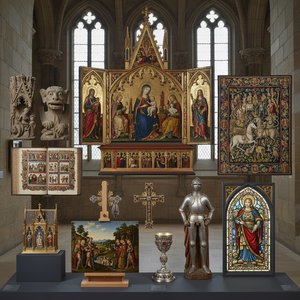
Late Medieval Masterpieces: 10 Artworks That Defined an Era | OriginalUniqueArt
Journey through 10 defining Late Medieval masterpieces – from Giotto's frescoes to Jan van Eyck’s realism. Explore the stories, techniques & vibrant colors of Gothic art. Find museum-quality reproductions and elevate your home decor with OriginalUniqueArt.com! Discover all masterpieces on OriginalUniqueArt.com


