
 Zobacz w skali 1:1
 Wyślij
 Udostępnij
 Szczegóły
 Przewodnik

 Pobierz plik obrazu
 Podobne obiekty
 RTG
RTG Pokaz slajdów
 Statystyki
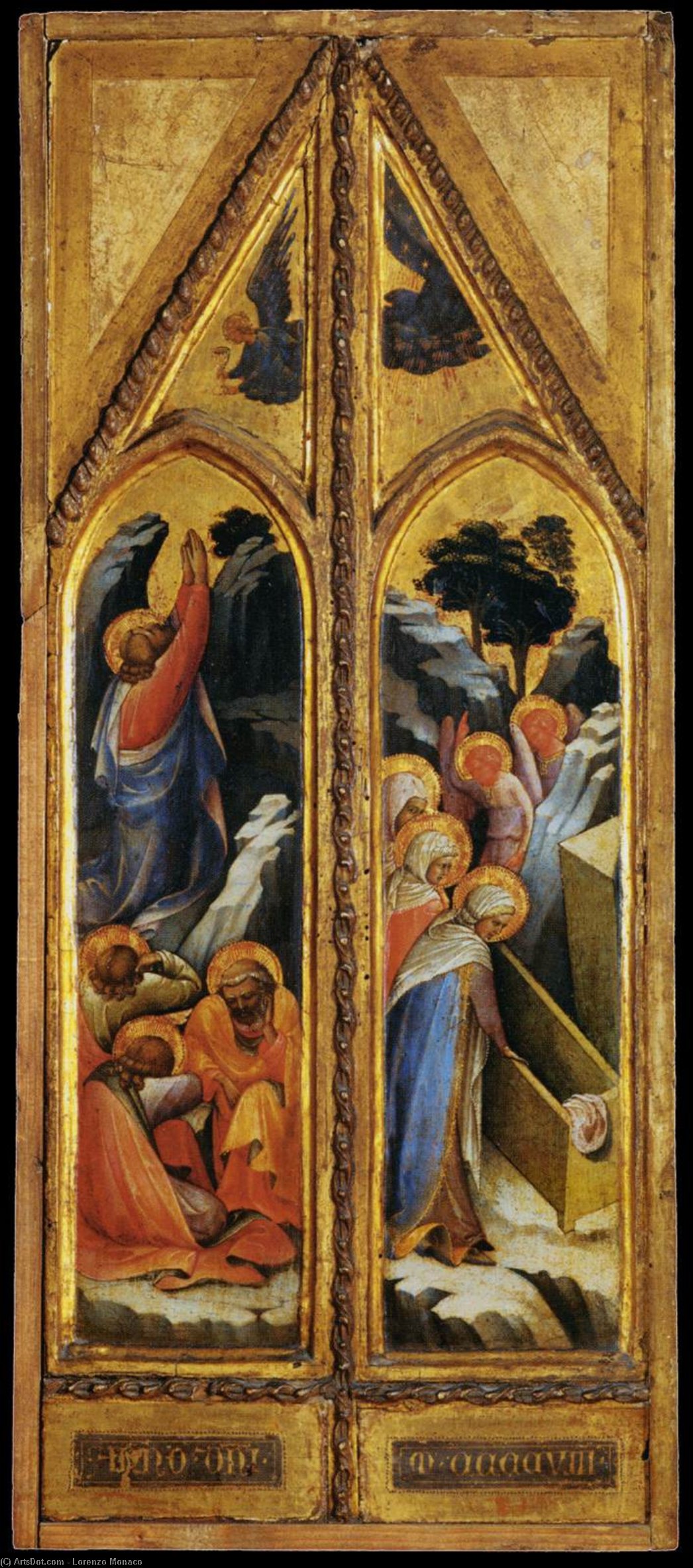
Altarpiece
 Acrylic
- WallArt
- Early Renaissance
 1408
1408 66.0 x 12.0 cm
 Luwr
Luwr
 Czytaj więcej
Ręcznie malowana reprodukcja olejowa
Ręcznie malowany obraz olejny na płótnie, wykonany na zamówienie przez naszych artystów w wybranym przez Ciebie wymiarze i oprawie. ( Przełącz na wersję drukowaną Przełącz na wersję cyfrową)




P118B $10

P118H $10

P118W $10

P438Z $10

P508JH $12

P508YH $12

P805H $10

P805Z $10

P919BZ $10

P919G $10

P919XJ $10

P959ZH $10

P968JZ $12

W106C $8

W218G $10

W218JH $8

W218Y $10

W307PJ $10

W316G $10

W316PJ $8

W316Y $10

W398PJ $8

W4111J $10

W500HY $15

W500JH $15

W692G $12

W849H $8

W940BG $15

W953PJ $8




Wybierz spośród naszych standardowych rozmiarów, które zachowują oryginalne proporcje dzieła sztuki.

Możesz wprowadzić własne wymiary, aby dopasować obraz do konkretnej ramy lub przestrzeni. Jeśli wybrany rozmiar nie będzie odpowiadał proporcjom oryginału, przytniecie dzieło sztuki lub rozszerzymy je o dodatkowe elementy, ręcznie domalowane przez artystę. Przed rozpoczęciem produkcji wyślemy projekt cyfrowy do Twojej akceptacji.
Należy pamiętać, że podgląd na ekranie nie odzwierciedla rzeczywistego przycinania ani rozszerzania obrazu. Tylko projekt dokładnie pokaże ostateczną kompozycję.
Choć oferujemy możliwość zamówienia niestandardowych rozmiarów, zalecamy wybór wymiaru z gotowej listy, aby zachować oryginalne proporcje dzieła.
Po złożeniu zamówienia zespół OriginalUniqueArt.com skontaktuje się z klientem drogą mailową w celu uzyskania instrukcji i prześle wizualizację projektu
Dostawa na całym świecie () w ciągu 3–4 tygodni zamiast standardowych 5 tygodni. (27 Wrzesień). Bez kompromisów w kwestii jakości.

Bezpłatna ekspresowa wysyłka na cały świat

Wysokiej jakości płótno lniane

Pełne ubezpieczenie transportowe

Gwarancja zwrotu należności celnych i podatków importowych

Gwarancja idealnego odwzorowania barw

100-dniowy okres na zwrot dzieła w przypadku wykrycia wad produkcyjnych

Gwarancja 100% zwrotu pieniędzy

Oferta przy zakupie wielu sztuk
 Opcja ze szkłem jest dostępna wyłącznie w rozmiarach poniżej 110 cm

Altarpiece
Technika wykonania
Rozmiar reprodukcji
-


Suma do zapłaty
$ 300
Composition and Style
The Altarpiece is divided into three sections, each depicting a distinct scene. The upper section features two angels or cherubs in a dynamic pose, set against a deep blue background with gold stars. The central panel shows a group of figures engaged in a religious ritual, while the lower section depicts another group of figures dressed in robes and headdresses. The overall color palette is dominated by earth tones and muted colors, with occasional use of gold leaf for decorative elements. Key features of the painting include its highly detailed and meticulous style, with an emphasis on symmetry and balance in the composition. The figures are depicted in a three-dimensional manner, with attention to their facial expressions, body language, and the folds and textures of their clothing. For more information on Lorenzo Monaco's works, visit Lorenzo Monaco: Altarpiece on OriginalUniqueArt.Artist and Historical Context
Lorenzo Monaco was an Italian artist active during the late 14th and early 15th centuries. His works are characterized by their Gothic style, which was influenced by the artistic traditions of his time. The Altarpiece is a testament to his skill and craftsmanship as an artist. To learn more about other artists from this period, visit Discover the Hidden Gems of Musée du Petit Palais on OriginalUniqueArt.- Other notable works by Lorenzo Monaco include The Temptation of Christ, which can be found on Lorenzo Monaco: The Temptation of Christ on OriginalUniqueArt.
- The Musée du Louvre houses an extensive collection of art and artifacts, including works by other notable artists such as Jacopo Bellini and Jean Poyer.
The Altarpiece by Lorenzo Monaco is a significant work of art that showcases the artist's skill and craftsmanship. Its intricate details and harmonious composition make it a masterpiece of Gothic style, and its historical context provides valuable insights into the artistic traditions of the early Renaissance period. For handmade oil painting reproductions of this and other famous works, visit OriginalUniqueArt.
Biografia artysty
Lorenzo Monaco (1370-1425): A Florentine Monk’s Vision
Lorenzo Monaco, born Piero di Giovanni around 1370 in Siena, occupies a fascinating and pivotal position in the transition from the Gothic grace of the Trecento to the burgeoning Renaissance ideals of the Quattrocento. Though biographical details remain scarce, his artistic journey reveals a compelling story of adaptation, innovation, and deeply felt spirituality. Apprenticed in Florence, he absorbed the lessons of masters like Giotto, Spinello Aretino, and Agnolo Gaddi – artists who established a foundation of narrative clarity and emotional resonance. However, it was his embrace of monastic life in 1390, joining the Camaldolese order at Santa Maria degli Angeli, that truly shaped both his artistic identity and earned him the name by which he is best known: Lorenzo Monaco, or “Lawrence the Monk.” This commitment to a contemplative existence profoundly influenced the character of his work, imbuing it with an introspective quality and a focus on devotional themes.Early Influences and Gothic Elegance
Lorenzo Monaco’s artistic training began in Florence, where he honed his skills under the tutelage of prominent masters who championed the International Gothic style. Giotto di Bondone, Spinello Aretino, and Agnolo Gaddi – figures celebrated for their expressive narratives and meticulous attention to detail – instilled in him a profound understanding of how to convey emotion through visual representation. This formative period cemented Monaco’s stylistic preferences: he favored elongated figures draped in sinuous, flowing garments, prioritizing elegance and grace over strict anatomical accuracy. The International Gothic style, characterized by its shimmering luminescence and delicate linearism, served as an anchor for his early endeavors, establishing a framework of refined beauty that would persist throughout his career. He absorbed influences from contemporaries like Lorenzo Ghiberti and Gherardo Starnina, incorporating their sophisticated compositional techniques and masterful use of color palettes into his own artistic practice. The resulting paintings were imbued with a palpable sense of serenity and spiritual contemplation—a hallmark of Monaco’s distinctive aesthetic.The Camaldolese Order and Spiritual Transformation
Joining the Camaldolese order in 1390 marked a decisive turning point in Lorenzo Monaco’s life, irrevocably shaping his artistic sensibilities and directing him toward themes of piety and devotion. This monastic vocation fostered an inner life characterized by contemplation and prayer—values that permeated his creative output. The austere environment of Santa Maria degli Angeli instilled in him a reverence for simplicity and spiritual purity, influencing his stylistic choices and informing the emotional tenor of his paintings. Unlike many artists of his time who sought to glorify worldly power or celebrate heroic narratives, Monaco consistently pursued artistic endeavors rooted in religious faith—a conscious decision that distinguished him from his peers and cemented his reputation as a champion of contemplative art.Evolution Towards Renaissance Style
While firmly grounded in Gothic traditions, Lorenzo Monaco’s style gradually embraced elements foreshadowing the burgeoning Renaissance aesthetic. He subtly elongated figures, favoring drapery that flowed with graceful movement—a technique reminiscent of Giotto but imbued with an understated elegance. Furthermore, he experimented with sharper edges and brilliant colors – particularly the luxurious hues of gold and lapis lazuli – reflecting a growing fascination with classical ideals of beauty and proportion. Though eschewing radical innovations in perspective or anatomical realism, Monaco skillfully incorporated stylistic refinements that signaled the dawn of a new artistic era. His approach to spatial arrangement prioritized symbolic resonance over strict geometric accuracy—a deliberate departure from the conventions of his predecessors yet consistent with his unwavering commitment to conveying spiritual truths through visual art.Major Achievements and Legacy
Lorenzo Monaco’s oeuvre comprises numerous masterpieces that exemplify both Gothic elegance and Renaissance sensibilities. Among his most celebrated works are *Pietà*, housed in Florence's Galleria dell'Accademia, showcasing a masterful depiction of sorrowful compassion; *Coronation of the Virgin*, gracing the Uffizi Gallery, demonstrating an exquisite command of color and drapery; and *Polyptych of Monteoliveto*, now residing in Siena Cathedral—a monumental testament to his artistic prowess. Perhaps his most enduring achievement is *Adoration of the Magi* (1420-1422), where Monaco’s innovative use of foreshortening creates a compelling visual experience while simultaneously conveying profound theological symbolism. Giorgio Vasari, writing in his *Lives of the Artists*, acknowledged Monaco's talent while noting his untimely death from an unidentified infection around 1425. Despite the brevity of his artistic life, Lorenzo Monaco left an indelible mark on Florentine art history—a legacy characterized by unwavering devotion to spiritual values and a singular stylistic vision that bridged the gap between Gothic tradition and Renaissance innovation. His paintings continue to inspire admiration for their beauty and grace, serving as enduring reminders of a pivotal moment in Western artistic culture.
Lorenzo Monaco
1370 - 1425 , Włochy
Najważniejsze informacje
- Artistic Movement Or Style: Gotyk międzynarodowy
- Artists Or Movements Influenced By This Artist: ['Fra Angelico']
- Artists Who Influenced This Artist:
- Giotto
- Spinello Aretino
- Agnolo Gaddi
- Date Of Birth: c. 1370
- Date Of Death: c. 1425
- Full Name: Lorenzo Monaco
- Nationality: Włoski
- Notable Artworks:
- Pietà
- Koronacja Najświętszej Marii Panny
- Adoracja Magi
- Place Of Birth: Siena, Italia
Zobacz także powiązane artykuły
High Medieval Art: 10 Masterpieces That Shaped an Era | OriginalUniqueArt
Journey through High Medieval Art! Explore 10 iconic masterpieces – from Giotto's frescoes to stunning Gothic cathedrals. Discover the stories behind these timeless paintings, sculptures & illuminated manuscripts. Find museum-quality art reproductions at OriginalUniqueArt.com.
Late Medieval Masterpieces: 10 Artworks That Defined an Era | OriginalUniqueArt
Journey through 10 defining Late Medieval masterpieces – from Giotto's frescoes to Jan van Eyck’s realism. Explore the stories, techniques & vibrant colors of Gothic art. Find museum-quality reproductions and elevate your home decor with OriginalUniqueArt.com! Discover all masterpieces on OriginalUniqueArt.com
Promienny Zmierzch Wizji Średniowiecza: Synteza Wiary, Formy i Emocjonalności w Późnym Gotyku (ok. 1300-1500)
Odkryj fascynujący świat późnego gotyku (ok. 1300-1500)! Analiza architektury, rzeźby i malarstwa, synteza wiary, formy i emocjonalności. Ekspercka wiedza o historii sztuki średniowiecza.

Gothic Vibes: From Dark Shadows to Bold Modern Edge | The Ultimate Trend Forecast
Explore the evolution of Gothic vibes, from historical shadows to bold modern edge. Discover how dark aesthetics, noir interiors, and contemporary subcultures are redefining modern design through a high-impact, trend-focused lens.
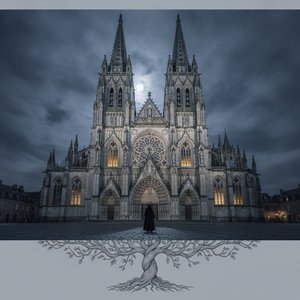
Shadows & Splendor: A Journey Through the Soul of Gothic Art and Architectural Grandeur
Embark on a profound journey through the spiritual intensity of Gothic art. Explore the architectural marvels, luminous stained glass, and sacred sculptures that define this era of grandeur and human devotion.


