

 Podgląd w skali
 Wyślij jako kartkę
 Udostępnij
 Szczegóły dzieła

 Pobierz
 Podobne obiekty
 RTG
RTG Pokaz slajdów
 Statystyki
The Resurrection
 1472
1472 54.0 x 41.0 cm
 The Frick Collection
 Rozwiń treść
Kup wysokiej rozdzielczości, ulepszony obraz cyfrowy o znacznie wyższej jakości niż podgląd online.
Każdy plik jest starannie przygotowywany przez naszych specjalistów przy użyciu zaawansowanych narzędzi oraz profesjonalnej, ręcznej retuszy. Dbamy o to, aby każdy obraz cechował się wyjątkową ostrością, precyzyjnym odwzorowaniem kolorów i subtelnymi detalami.
Ostateczny plik dostarczany jest drogą mailową w ciągu 72 godzin, zoptymalizowany do natychmiastowego wykorzystania w profesjonalnych zastosowaniach redakcyjnych i poligraficznych. To ta sama jakość, której ufają czołowe studia projektowe, wydawnictwa oraz galerie sztuki.
Obraz cyfrowy
Pobierz plik o wysokiej rozdzielczości do osobistego wyświetlania, druku oraz projektów kreatywnych. ( Przełącz na wydruki Zamów ręcznie malowaną reprodukcję)
W każdym zamówieniu na obraz cyfrowy znajduje się
Profesjonalna dostawa cyfrowa z gwarancją
Wybierając OriginalUniqueArt.com, nie otrzymujesz jedynie obrazu – otrzymujesz profesjonalnie udoskonalone cyfrowe dzieło sztuki, stworzone z najwyższą precyzją i objęte gwarancją satysfakcji. Oto wszystko, co automatycznie dołączane jest do Twojego zamówienia:

Błyskawiczna wysyłka e-mailowa
Plik z obrazem cyfrowym w wysokiej rozdzielczości zostanie przesłany na Twój adres e-mail w ciągu 72 godzin od złożenia zamówienia – gotowy do natychmiastowego użycia.

Plik cyfrowy wzbogacony przez AI
Twoja grafika została profesjonalnie zoptymalizowana przy użyciu zaawansowanych narzędzi AI oraz ręcznej edycji, co zapewnia maksymalną szczegółowość, klarowność i wierność kolorów.

Dożywotnia darmowa ponowna dostawa
Przypadkowo usunąłeś lub zgubiłeś swój plik? Bez obaw – prześlemy go Tobie ponownie w dowolnym momencie, bez żadnych opłat.

Bez opłat importowych – zawsze
Ciesz się swoją sztuką natychmiast, bez żadnych opłat celnych, należności ani kosztów dostawy – pliki cyfrowe są zawsze wolne od podatku.

Gwarancja wierności kolorów
Dzięki zastosowaniu profesjonalnych narzędzi i procesów zarządzania barwą zapewniamy, że Twoje cyfrowe zdjęcie odzwierciedla oryginalne kolory tak wiernie, jak to tylko możliwe.

100-dniowa gwarancja satysfakcji
Jeśli nie będziesz zadowolony ze swojego cyfrowego obrazu, poprawimy go lub zwrócimy 100% kosztów w ciągu 100 dni – bez zbędnych pytań.

100% Gwarancja zwrotu pieniędzy
Nie jesteś zadowolony? Otrzymaj pełny zwrot kosztów w ciągu 100 dni od otrzymania pliku cyfrowego – bez zbędnych pytań.

Rabaty przy zamówieniach hurtowych
Kup 3 obrazy, oszczędź 10% - Kup 5, oszczędź 15% - Kup 10+, oszczędź 20%. Idealne do projektów kreatywnych, galerii i agencji.
Biografia artysty
The Soul of Siena: The Life and Legacy of Lorenzo di Pietro
In the heart of the Italian Renaissance, where the golden light of Tuscany meets the profound spiritual devotion of the Sienese School, lived a master whose very name evokes the wisdom of age. Lorenzo di Pietro, known affectionately to history as Vecchietta—a diminutive meaning “old man”—was far more than a mere painter; he was a polymath of the Quattrocento. Born in Siena around 1410, Vecchietta emerged during a transformative era when the medieval traditions of his ancestors began to dance with the burgeoning humanism of the Renaissance. His life was an intricate tapestry woven from the threads of painting, sculpture, and architecture, making him a singular force in shaping the visual identity of Siena.
The foundations of Vecchiana’s genius were laid within the prestigious workshops of his contemporaries. He did not work in isolation but was nurtured by the intellectual and artistic currents flowing through Siena's elite circles. The influence of masters such as Sassetta, Taddeo di Bartolo, and the sculptor Jacopo della Quercia provided him with a diverse toolkit of styles. From Sassetta, he inherited a sense of lyrical grace and meticulous detail; from Taddeo di Bartolo, a profound mastery of the rich, local pigments that define Sienese color palettes; and from the sculptural brilliance of della Quercia, an understanding of three-dimensional form and architectural grandeur. This unique lineage allowed Vecchietta to bridge the gap between the flat, symbolic beauty of the Gothic past and the spatial depth of the new Renaissance era.
A Master of Form and Perspective
To observe a work by Vecchietta is to witness a masterful manipulation of space and emotion. His artistic evolution was marked by an adventurous embrace of linear perspective, a technique that allowed him to breathe life into two-dimensional surfaces, creating windows into divine realms. While his roots remained firmly planted in the traditional Sienese aesthetic—characterized by vibrant colors and intricate ornamentation—his hands were constantly reaching toward innovation. He possessed a rare ability to imbue religious subjects with a palpable, human weight, often utilizing his skills as a sculptor to inform the muscularity and presence of his painted figures.
His achievements are perhaps most breathtaking when viewed through his monumental frescoes. One such masterpiece, Christ in the Limbo, serves as a testament to his ability to command both scale and spiritual intensity. In these large-scale works, one can see the seamless integration of architectural precision and narrative drama. His use of light does not merely illuminate; it sculpts the figures, pulling them from the shadows of the wall into the viewer's reality. This synthesis of disciplines—the eye of a painter, the hand of a sculptor, and the mind of an architect—allowed him to create environments that were as structurally sound as they were spiritually evocative.
Historical Significance and Enduring Spirit
The historical significance of Lorenzo di Pietro lies in his role as a guardian of tradition and a pioneer of progress. He ensured that the Sienese School did not become a relic of the past, but rather a living, breathing participant in the Renaissance revolution. By blending the decorative elegance of his predecessors with the scientific advancements of his time, he helped define a period of unparalleled artistic fertility.
Though the biographical records of his life remain as elusive as a shadow in a fresco, his presence is felt in every corner of Sienese heritage. His legacy can be summarized through several key contributions:
- Interdisciplinary Mastery: The rare ability to unify the disciplines of painting, sculpture, and architecture into a cohesive artistic vision.
- Stylistic Synthesis: The successful marriage of traditional Sienese color and detail with the modern innovations of perspective and anatomical realism.
- Cultural Stewardship: Maintaining Siena's status as a premier center of European art during the transition from the Middle Ages to the Renaissance.
Today, when we gaze upon the works attributed to Vecchietta, we are not merely looking at historical artifacts; we are engaging with the very spirit of 15th-century Italy. His art remains a profound dialogue between the earthly and the divine, a testament to a man who, despite his nickname, possessed a vision that was eternally youthful and infinitely profound.
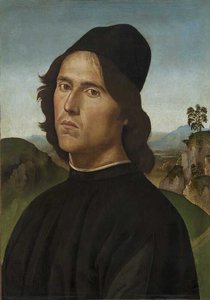
lorenzo di pietro
1410 - 1480 , Italy
Krótka nota
- Artistic Movement Or Style: Renaissance
- Artists Or Movements Influenced By This Artist: ['mannerism']
- Artists Who Influenced This Artist:
- sassetta
- taddeo di bartolo
- jacopo della quercia
- Date Of Birth: 1410 Siena Italy
- Date Of Death: 1480 Siena Italy
- Full Name: Lorenzo di Pietro
- Nationality: Italian
- Notable Artworks:
- Christ in the Limbo
- The Resurrection
- Place Of Birth: Siena Italy