
() ·
A painting made for you, by hand
Ręcznie malowana reprodukcja olejowa
Ręcznie malowany obraz olejny na płótnie, wykonany na zamówienie przez naszych artystów w wybranym przez Ciebie wymiarze i oprawie. ( Przełącz na wydania drukowane Przejdź do wersji cyfrowej)
Biografia artysty
Lorenzo di Pietro (Vecchietta), a 15th-century Sienese artist, masterfully blended Renaissance innovation with traditional techniques in painting, sculpture & architecture. Known for rich colors, intricate detail, and early linear perspective. Explor
 Rozwiń treść
from ·
Chapter 1
How large should it be?
Slide to change the size; the picture on the left shows the frame at its real width. The proportions of the original are kept.
Wybierz spośród naszych standardowych rozmiarów, które zachowują oryginalne proporcje dzieła sztuki.

Wpisz wymaganą szerokość i wysokość, aby obraz pasował do Twojej ramy lub ściany. Ponieważ jest to dzieło malowane ręcznie, w przypadku rozmiaru o innych proporcjach artysta może domalować nieco więcej wokół obrazu lub przyciąć jego fragmenty — wybór należy do Ciebie. Przed rozpoczęciem pracy prześlemy Ci cyfrową wizualizację do zatwierdzenia. Obraz widoczny na tej stronie nie przedstawia rzeczywistego efektu — jedynie wizualizacja oddaje realny rezultat.
Chapter 2
How should it arrive?
Choose the edges of the stretched canvas
Choose your frame

White zł1

Blurside zł1

Extended zł1

P118B zł10

P118H zł10

P118W zł10

P438Z zł10

P508JH zł12

P508YH zł12

P805H zł10

P805Z zł10

P919BZ zł10

P919G zł10

P919XJ zł10

P959ZH zł10

P968JZ zł12

W106C zł8

W218G zł10

W218JH zł8

W218Y zł10

W307PJ zł10

W316G zł10

W316PJ zł8

W316Y zł10

W398PJ zł8

W4111J zł10

W500HY zł15

W500JH zł15

W692G zł12

W849H zł8

W940BG zł15

W953PJ zł8

H24-GOLD zł30

H24-SILVER zł30

H36-GOLD zł45

H36-SILVER zł45
W oprawie
Moulding: . Overall size with the frame: .
Chapter 3
Who paints it, and should anything change?
After order, OriginalUniqueArt.com team will email client for instructions and provide a mockup preview
Dostawa na całym świecie () w ciągu 3–4 tygodni zamiast standardowych 5 tygodni. (2 Listopad). Bez kompromisów w kwestii jakości.
Chapter 4
The finishing touches
A nameplate, as in a museum?
Szczegóły grawerowanej brązowej tabliczki
This elegant plaque features the artist's name and the title of the artwork, finely engraved for a timeless presentation.
It is made from bronze with a refined, elegant finish. The text is precisely laser-engraved for a sharp and permanent result. Measuring 9x2 cm, the plaque is compact yet easy to read. It's built to be durable and scratch-resistant, offering a professional, museum-quality look. Mounting is simple thanks to the included adhesive backing.
Szczegóły przezroczystej tabliczki akrylowej
The plaque includes essential engraved details such as the artist's name, the title of the artwork, the date it was created, the type of media used-like oil on canvas or watercolor-a brief description of the piece, and a QR code that links to the complete artwork information.
It is crafted from clear acrylic, offering a sleek, modern appearance. The text is UV-engraved in black to ensure strong visual contrast. With a size of 10x15 cm, it ensures optimal readability. It comes equipped with two metal hooks for secure wall mounting. The plaque is designed to be weather-resistant, making it suitable for various environments, and it includes interactive features that work seamlessly with smartphone scanning.
Szczegóły czarnej tabliczki akrylowej
This elegant plaque includes engraved information such as the artist's name, the title of the artwork, the date it was created, the type of media used (like oil on canvas or watercolor), a short description of the artwork, and a QR code for quick access to more information.
The plaque itself is made from refined black acrylic with a premium finish. The text is laser-engraved in white for high contrast and readability. Its size is 10x15 cm, designed to be easy to read. It comes with two metal hooks for professional mounting. The design is sleek and fits any interior style. It is also weather-resistant and durable, with built-in digital integration for mobile compatibility.
A protective varnish?
When do you need it?
Chapter 5
Your painting, as you ordered it

first lunette
Technika reprodukcji
Wymiary reprodukcji
-

Wybitny mistrz artystyczny
Większa szczegółowość, finezja i dodatkowy czas na realizację
-

Opcje oprawy reprodukcji
-
-
W przypadku dzieł sztuki lub reprodukcji, których którykolwiek z boków przekracza 105 cm (około 41 cali), rama zostanie wysłana w formie zestawu do samodzielnego montażu. Metoda ta zapewnia bezpieczną dostawę i zapobiega uszkodzeniom podczas transportu.
Wymagany profesjonalny montaż – nie jest to produkt typu DIY.
Zestaw musi zostać złożony, a płótno naciągnięte przez doświadczonego profesjonalnego ramiarza, przy użyciu kleju do drewna (brak w zestawie), kleszczy do naciągania płótna oraz ścisków, które utrzymają krosna w równej pozycji podczas schnięcia kleju. Nieprawidłowy montaż lub nierównomierne napięcie płótna może trwale uszkodzić dzieło sztuki i nie podlega naszej gwarancji.
 W przypadku dzieł sztuki lub reprodukcji, których którykolwiek z boków przekracza 105 cm (około 41 cali), rama zostanie wysłana w formie zestawu do samodzielnego montażu. Metoda ta zapewnia bezpieczną dostawę i zapobiega uszkodzeniom podczas transportu.
W zestawie znajdują się wszystkie listwy z litego drewna, precyzyjnie docięte do wymiarów.
Montaż odbywa się przy użyciu dołączonych wkrętów oraz kleju do drewna do łączenia narożników, którego zestaw nie zawiera i który musi zostać dostarczony przez ramiarza.
Wymagane są profesjonalne narzędzia, których nie ma w zestawie: kleszcze do naciągania płótna (napinacz) oraz zaciski, które pozwolą utrzymać listwy w równej pozycji podczas schnięcia kleju.
Ważne:
Do połączenia narożników niezbędny jest klej do drewna, listwy należy unieruchomić za pomocą ścisków do momentu całkowitego wyschnięcia kleju, a naciągnięcie płótna na złożoną ramę wymaga użycia kleszczy do naciągania płótna. Żaden z tych elementów nie jest dołączony do zestawu. Przed zamówieniem tego rozmiaru zalecamy konsultację z doświadczonym ramiarzem.

Etykieta obiektu
-
-

Lakier ochronny
Lakier z połyskiem (pogłębia kolory, chroni przed światłem i wilgocią)
-

Personalizacja dzieła
Przykłady możliwości personalizacji: zastąp twarz zdjęciem klienta; dodaj zwierzę domowe (np. zamień kota na psa); umieść ukrytą wiadomość w tle; zmień krajobraz lub elementy tła.
-

Ekspresowa
Dostawa na cały świat () w ciągu 3–4 tygodni zamiast standardowych 5 tygodni. (2 Listopad). Bez kompromisów w kwestii jakości.
-
Przesyłka ekspresowa
Dostawa na cały świat () w ciągu 5 tygodni. (9 Listopad).
W cenie
Cena całkowita
zł 1168
Opcja ze szkłem jest dostępna wyłącznie w rozmiarach poniżej 110 cm
Included with every order
- Bezpłatna ekspresowa wysyłka na cały świat
- Wysokiej jakości płótno lniane
- Pełne ubezpieczenie przesyłki
- Gwarancja zwrotu należności celnych i podatków importowych
- Gwarancja wiernego odwzorowania kolorów
- 100-dniowa polityka zwrotów (tylko w przypadku wad)
- Gwarancja 100% zwrotu pieniędzy
- Zniżka przy zakupie wielu sztuk


 Podgląd w skali 1:1
 Wyślij jako kartkę
 Udostępnij
 Szczegóły dzieła
 Przewodnik

 Pobierz obraz
 Podobne obiekty
 RTG
RTG Pokaz slajdów
 Q&A
Q&A Statystyki
In numbers
- 29frames to choose from
- standard sizes, in its own proportions
- 5weeks to paint and deliver it
About the original

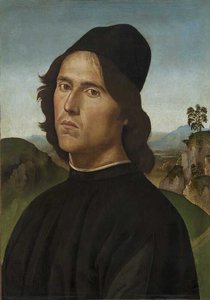
Lorenzo Di Pietro
1410 - 1480, Italy
Quick facts about Lorenzo Di Pietro
- Full Name: Lorenzo di Pietro
- Nationality: Italian
- Date Of Birth: 1410
- Date Of Death: 1480
- Place Of Birth: Siena, Italy
- Notable Artworks:
- Christ in the Limbo
- The Resurrection
- Artistic Movement Or Style: Renaissance
- Artists Who Influenced This Artist:
- sassetta
- taddeo di bartolo
- jacopo della quercia
- Artists Or Movements Influenced By This Artist: ['mannerism']
Biografia artysty
The Soul of Siena: The Life and Legacy of Lorenzo di Pietro
In the heart of the Italian Renaissance, where the golden light of Tuscany meets the profound spiritual devotion of the Sienese School, lived a master whose very name evokes the wisdom of age. Lorenzo di Pietro, known affectionately to history as Vecchietta—a diminutive meaning “old man”—was far more than a mere painter; he was a polymath of the Quattrocento. Born in Siena around 1410, Vecchietta emerged during a transformative era when the medieval traditions of his ancestors began to dance with the burgeoning humanism of the Renaissance. His life was an intricate tapestry woven from the threads of painting, sculpture, and architecture, making him a singular force in shaping the visual identity of Siena.
The foundations of Vecchiana’s genius were laid within the prestigious workshops of his contemporaries. He did not work in isolation but was nurtured by the intellectual and artistic currents flowing through Siena's elite circles. The influence of masters such as Sassetta, Taddeo di Bartolo, and the sculptor Jacopo della Quercia provided him with a diverse toolkit of styles. From Sassetta, he inherited a sense of lyrical grace and meticulous detail; from Taddeo di Bartolo, a profound mastery of the rich, local pigments that define Sienese color palettes; and from the sculptural brilliance of della Quercia, an understanding of three-dimensional form and architectural grandeur. This unique lineage allowed Vecchietta to bridge the gap between the flat, symbolic beauty of the Gothic past and the spatial depth of the new Renaissance era.
A Master of Form and Perspective
To observe a work by Vecchietta is to witness a masterful manipulation of space and emotion. His artistic evolution was marked by an adventurous embrace of linear perspective, a technique that allowed him to breathe life into two-dimensional surfaces, creating windows into divine realms. While his roots remained firmly planted in the traditional Sienese aesthetic—characterized by vibrant colors and intricate ornamentation—his hands were constantly reaching toward innovation. He possessed a rare ability to imbue religious subjects with a palpable, human weight, often utilizing his skills as a sculptor to inform the muscularity and presence of his painted figures.
His achievements are perhaps most breathtaking when viewed through his monumental frescoes. One such masterpiece, Christ in the Limbo, serves as a testament to his ability to command both scale and spiritual intensity. In these large-scale works, one can see the seamless integration of architectural precision and narrative drama. His use of light does not merely illuminate; it sculpts the figures, pulling them from the shadows of the wall into the viewer's reality. This synthesis of disciplines—the eye of a painter, the hand of a sculptor, and the mind of an architect—allowed him to create environments that were as structurally sound as they were spiritually evocative.
Historical Significance and Enduring Spirit
The historical significance of Lorenzo di Pietro lies in his role as a guardian of tradition and a pioneer of progress. He ensured that the Sienese School did not become a relic of the past, but rather a living, breathing participant in the Renaissance revolution. By blending the decorative elegance of his predecessors with the scientific advancements of his time, he helped define a period of unparalleled artistic fertility.
Though the biographical records of his life remain as elusive as a shadow in a fresco, his presence is felt in every corner of Sienese heritage. His legacy can be summarized through several key contributions:
- Interdisciplinary Mastery: The rare ability to unify the disciplines of painting, sculpture, and architecture into a cohesive artistic vision.
- Stylistic Synthesis: The successful marriage of traditional Sienese color and detail with the modern innovations of perspective and anatomical realism.
- Cultural Stewardship: Maintaining Siena's status as a premier center of European art during the transition from the Middle Ages to the Renaissance.
Today, when we gaze upon the works attributed to Vecchietta, we are not merely looking at historical artifacts; we are engaging with the very spirit of 15th-century Italy. His art remains a profound dialogue between the earthly and the divine, a testament to a man who, despite his nickname, possessed a vision that was eternally youthful and infinitely profound.