
 Preview
 Zamów wydruk Kup cyfrowy obraz
 Udostępnij
 Udostępnij
 Szczegóły dzieła
 Dodaj do ulubionych

 Pobierz
 Podobne obiekty
 RTG
RTG
 Pokaz slajdów
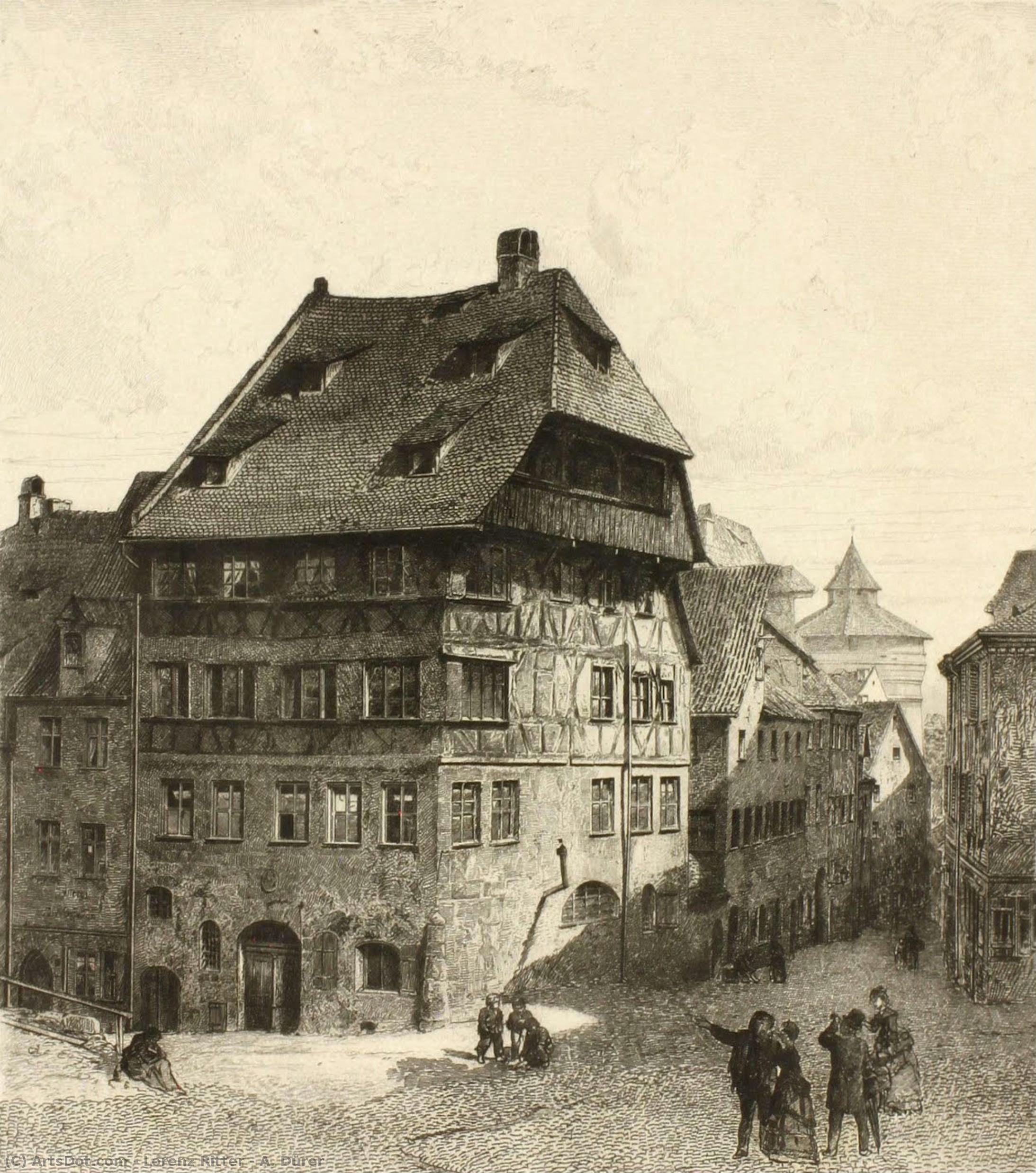
A. Dürer


 Rozwiń treść
Ręcznie malowana reprodukcja olejowa
Ręcznie malowany olej na płótnie w Twoim wymiarze i ramie, tworzony na zamówienie przez naszych artystów.




































Wybierz spośród naszych predefiniowanych rozmiarów, które zachowują oryginalne proporcje dzieła sztuki.

Możesz wprowadzić własne wymiary, aby dopasować obraz do konkretnej ramy lub przestrzeni. Jeśli wybrany rozmiar nie będzie odpowiadał proporcjom oryginału, przytniecie dzieło sztuki lub rozszerzymy je o dodatkowe elementy, ręcznie domalowane przez artystę. Przed rozpoczęciem produkcji wyślemy projekt cyfrowy do Twojej akceptacji.
Należy pamiętać, że podgląd na ekranie nie odzwierciedla rzeczywistego przycinania ani rozszerzania obrazu. Tylko projekt dokładnie pokaże ostateczną kompozycję.
Choć oferujemy możliwość zamówienia niestandardowych rozmiarów, zalecamy wybór wymiaru z gotowej listy, aby zachować oryginalne proporcje dzieła.
Po złożeniu zamówienia zespół OriginalUniqueArt.com skontaktuje się z klientem drogą mailową w celu uzyskania instrukcji i prześle wizualizację projektu
Dostawa na całym świecie () w ciągu 3/4 tygodni zamiast standardowych 5 tygodni. (23 Lipiec). Bez kompromisów w kwestii jakości.

Bezpłatna ekspresowa wysyłka na cały świat

Wysokiej jakości płótno lniane

Pełne ubezpieczenie przesyłki

Gwarancja zwrotu należności celnych

Gwarancja pełnego zgodności kolorystycznej

Polityka 60-dniowego zwrotu (tylko w przypadku wad)

Gwarancja 100% zwrotu pieniędzy

Zniżka przy większych zamówieniach
 Opcja szkła jest dostępna wyłącznie w rozmiarach poniżej 110 cm

A. Dürer
Technika reprodukcji
Wymiary reprodukcji
-


Cena całkowita
-
Opis dzieła
Biografia artysty
Lorenz Ritter: A Painter of Nuremberg’s Soul
Born in the heart of Bavaria, in the historic city of Nuremberg in 1832, Lorenz Ritter dedicated his life to capturing the essence of his homeland through watercolor and etching. His artistic journey, shaped by a rigorous apprenticeship under the esteemed painter Friedrich Heideloff, reveals a deep connection to both the architectural grandeur and the subtle beauty of his surroundings. Ritter’s work isn't merely documentation; it’s an intimate portrayal of Nuremberg’s spirit, reflecting the city’s rich history and enduring charm.
Ritter’s early training instilled in him a strong foundation in traditional German painting techniques. However, he quickly developed his own distinctive style, characterized by a meticulous attention to detail and a remarkable ability to render light and shadow with delicate precision. He particularly excelled at capturing the textures of stone and brick, breathing life into the city's venerable buildings. His watercolors are renowned for their luminous quality, evoking the soft glow of Bavarian sunlight filtering through ancient windows and illuminating cobblestone streets.
Architectural Visions and Northern Italian Influences
A significant portion of Ritter’s oeuvre is devoted to architectural views of Nuremberg. He meticulously documented the city's iconic landmarks – the towering Frauenkirche (Church of Our Lady), the imposing St. Lorenz Church, and the intricate network of medieval streets and squares – revealing a profound respect for his city’s heritage. These etchings aren’t simply technical drawings; they are imbued with a sense of nostalgia and reverence, as if Ritter is inviting viewers to step back in time and experience Nuremberg as it once was.
Beyond Nuremberg, Ritter also ventured north to Italy, where he found inspiration in the region's classical architecture and vibrant landscapes. These travels broadened his artistic horizons and introduced him to new techniques and perspectives. While his Italian subjects are less numerous than his depictions of Nuremberg, they demonstrate a growing confidence and experimentation with color and composition. The influence of Italian Renaissance art is subtly present in his later works, particularly in the use of perspective and the depiction of light.
Family Legacy and Artistic Connections
Lorenz Ritter’s artistic life was intertwined with that of his brother, Paul Ritter, another talented painter who shared a similar passion for capturing the beauty of Bavaria. While their individual styles differed slightly, they undoubtedly benefited from each other's encouragement and support. The Rittter brothers represent a significant artistic lineage within Nuremberg, contributing to the city’s vibrant cultural landscape during the 19th century.
Ritter’s connection to Heideloff was particularly important. Heideloff, a prominent figure in German art, provided Ritter with invaluable guidance and mentorship, shaping his artistic development and introducing him to key figures within the art world. This lineage speaks to the strong tradition of artistic training that flourished in Nuremberg during this period.
A Lasting Impression: Significance and Legacy
Lorenz Ritter’s work holds a special place in Bavarian art history, offering a unique window into the city's past. His meticulous renderings of Nuremberg’s architecture not only document its physical form but also capture its spirit and character. His watercolors, with their delicate colors and subtle nuances, evoke a sense of nostalgia and invite viewers to connect with the city on an emotional level.
Though he lived a relatively quiet life, Lorenz Ritter left behind a substantial body of work that continues to be appreciated for its technical skill, artistic sensitivity, and profound connection to his homeland. His legacy is preserved through the numerous prints and paintings housed in museums throughout Nuremberg and beyond, ensuring that the painter’s vision of this historic city will endure for generations to come. His dedication to capturing the essence of Nuremberg solidifies his place as a key figure in Bavarian art.

lorenz ritter
1832 - 1921 , Germany
Kluczowe informacje
- Artistic Movement Or Style: Watercolor & etching
- Artists Who Influenced This Artist: ['Heideloff']
- Date Of Birth: 24 November 1832
- Date Of Death: 3 September 1921
- Full Name: Lorenz Ritter
- Nationality: German
- Notable Artworks: ['Architectural views']
- Place Of Birth: Nuremberg, Germany

