

 Zobacz w skali 1:1
 Wyślij
 Udostępnij
 Szczegóły
 Przewodnik

 Pobierz plik obrazu
 Podobne obiekty
 RTG
RTG Pokaz slajdów
 Statystyki
Ode to Kinshasa


 Czytaj więcej
Dzieło sztuki prezentowane na tej stronie podlega ochronie prawem autorskim, co oznacza, że nie mamy prawa do tworzenia ani sprzedaży jego identycznej reprodukcji. Ochrona ta jest egzekwowana na mocy umów międzynarodowych, takich jak Konwencja berneńska oraz przez przepisy prawa krajowego, w tym te określone w Prawo autorskie USA – Tytuł 17.
Jako pełną szacunku i legalną alternatywę oferujemy personalizowane, malowane ręcznie dzieła sztuki inspirowane oryginałem. Nasi wykwalifikowani i profesjonalni artyści starannie analizują styl, nastrój oraz artystyczną esencję pierwowzoru, aby stworzyć nowe, unikalne dzieło, które przywołuje te same emocje – pozostając jednocześnie w pełni oryginalną kreacją.
Metoda ta jest w pełni zgodna z przepisami prawa autorskiego, ponieważ nie polega na kopiowaniu ani powielaniu chronionego dzieła. Stanowi ona kreatywną reinterpretację – nowy obraz, który czerpie inspirację z oryginału, ale nie jest z nim tożsamy.
Ręcznie malowana reprodukcja olejowa
Ręcznie malowany obraz olejny na płótnie, wykonany na zamówienie przez naszych artystów w wybranym przez Ciebie wymiarze i oprawie. ( Przełącz na wersję drukowaną Przełącz na wersję cyfrową)




P118B zł10

P118H zł10

P118W zł10

P438Z zł10

P508JH zł12

P508YH zł12

P805H zł10

P805Z zł10

P919BZ zł10

P919G zł10

P919XJ zł10

P959ZH zł10

P968JZ zł12

W106C zł8

W218G zł10

W218JH zł8

W218Y zł10

W307PJ zł10

W316G zł10

W316PJ zł8

W316Y zł10

W398PJ zł8

W4111J zł10

W500HY zł15

W500JH zł15

W692G zł12

W849H zł8

W940BG zł15

W953PJ zł8




Wybierz spośród naszych standardowych rozmiarów, które zachowują oryginalne proporcje dzieła sztuki.

Wpisz wymaganą szerokość i wysokość, aby obraz pasował do Twojej ramy lub ściany. Ponieważ jest to dzieło malowane ręcznie, w przypadku rozmiaru o innym proporcji artysta może domalować nieco więcej wokół obrazu lub przyciąć fragmenty — wybór należy do Ciebie. Przed rozpoczęciem pracy prześlemy Ci cyfrową wizualizację do zatwierdzenia. Obraz widoczny na tej stronie nie przedstawia rzeczywistego efektu — jedynie wizualizacja oddaje realny rezultat.
Po złożeniu zamówienia zespół OriginalUniqueArt.com skontaktuje się z klientem drogą mailową w celu uzyskania instrukcji i prześle wizualizację projektu
Dostawa na całym świecie () w ciągu 3–4 tygodni zamiast standardowych 5 tygodni. (24 Październik). Bez kompromisów w kwestii jakości.

Bezpłatna ekspresowa wysyłka na cały świat

Wysokiej jakości płótno lniane

Pełne ubezpieczenie transportowe

Gwarancja zwrotu należności celnych i podatków importowych

Gwarancja idealnego odwzorowania barw

100-dniowy okres na zwrot dzieła w przypadku wykrycia wad produkcyjnych

Gwarancja 100% zwrotu pieniędzy

Oferta przy zakupie wielu sztuk
 Opcja ze szkłem jest dostępna wyłącznie w rozmiarach poniżej 110 cm

Ode to Kinshasa
Technika wykonania
Rozmiar reprodukcji
-


Suma do zapłaty
zł 1155
Ode to Kinshasa: A Celebration of African Heritage Through Cubist Vision
Lois Mailou Jones’s *Ode to Kinshasa* isn't merely a painting; it’s a testament to resilience, cultural pride, and the transformative power of artistic exploration. Completed in 1972, shortly after Jones embarked on her groundbreaking research trip to Africa—specifically Zaire (now Democratic Republic of Congo)—the artwork embodies the spirit of liberation that characterized the nation's newfound independence from Belgian colonial rule. This pivotal moment profoundly influenced Jones’s creative process, prompting her to synthesize European artistic traditions with vibrant African imagery and symbolism.- Subject Matter: The centerpiece of *Ode to Kinshasa* is a stylized depiction of an African warrior—a figure steeped in tradition and imbued with palpable energy—charging toward the viewer’s gaze. This dynamic posture immediately establishes a connection between the artwork's subject and its audience, inviting contemplation on themes of courage, determination, and confrontation.
- Style & Technique: Jones skillfully employs cubism, a revolutionary artistic movement pioneered by Pablo Picasso and Georges Braque in the early 20th century. Cubist principles—fragmentation, multiple perspectives, and geometric abstraction—are expertly applied to render the warrior’s form and surroundings. The artist utilizes a collage technique incorporating Japanese paper and gold foil, adding textural richness and visual complexity to the composition.
African Influences: Echoes of Tradition
Jones's artistic journey began with her fascination for African masks—a motif that would recur throughout her oeuvre. Her meticulous observation of mask designs during her research expedition in Zaire served as a catalyst for incorporating geometric patterns and stylized representations into *Ode to Kinshasa*. The diamond shape, prominent within the painting’s background, directly references traditional Kuba cloth weaving techniques prevalent in central Africa—a symbol of wealth, prestige, and artistic craftsmanship. Similarly, the triangular form echoes architectural elements found across the continent.
Symbolism Beyond Representation
Beyond its literal depiction of a warrior, *Ode to Kinshasa* operates on multiple symbolic levels. The single eye positioned at the center of the composition represents vigilance and awareness—a deliberate nod to Jones’s lifelong engagement with the African mask tradition. This visual element underscores the importance of observation and contemplation as pathways to understanding cultural heritage. Furthermore, the bold use of color—particularly vibrant oranges and yellows—evokes associations with warmth, vitality, and optimism—reflecting the hopeful spirit of Zaire's independence.
Emotional Resonance: A Portrait of Liberation
*Ode to Kinshasa* transcends mere visual representation; it communicates a profound emotional resonance. The painting’s energetic dynamism captures the fervor of liberation—the palpable excitement surrounding Zaire’s emergence from colonial subjugation. Jones's masterful technique conveys not only the physical form of the warrior but also his inner resolve and unwavering determination to confront adversity. Ultimately, *Ode to Kinshasa* stands as a powerful reminder that art can serve as a conduit for cultural pride and an affirmation of humanity’s capacity for courage and resilience.
Pytania i odpowiedzi
Do czego zaleca się wykorzystanie wydruku "Ode to Kinshasa"?
Reprodukcja dzieła „Ode to Kinshasa” autorstwa Lois Mailou Jones jest polecana do Accent. Sugestia ta wynika z tematyki, nastroju oraz kolorystyki pracy.
Jaki to rodzaj dzieła sztuki: „Ode to Kinshasa” autorstwa Lois Mailou Jones?
„Ode to Kinshasa” autorstwa Lois Mailou Jones jest klasyfikowane jako WallArt. Kategoria ta określa rodzaj dzieła, jakim jest oryginał.
Gdzie mogę zobaczyć podgląd dzieła "Ode to Kinshasa"?
Podgląd dzieła „Ode to Kinshasa” autorstwa Lois Mailou Jones jest dostępny na stronie Podgląd danego utworu.
Biografia artysty
A Life Immersed in Color and Culture
Lois Mailou Jones, a name synonymous with groundbreaking artistry and unwavering dedication to African American representation, was born in Boston, Massachusetts, on November 3, 1905. From her earliest years, she was nurtured in an environment that valued creativity; her parents, Thomas Vreeland Jones, a lawyer, and Carolyn Adams Jones, a cosmetologist, encouraged her innate talent for drawing and painting, particularly with the fluid grace of watercolors. Summers spent on Martha’s Vineyard proved formative, introducing young Lois to a constellation of influential figures – sculptor Meta Warrick Fuller, composer Harry T. Burleigh, and novelist Dorothy West – who would subtly shape her artistic sensibilities. This early exposure instilled in her not only an appreciation for art but also a sense of cultural pride and the importance of mentorship, values she would carry throughout her life. Her formal education began at the High School of Practical Arts in Boston (1919-1923), followed by night classes at the Boston Museum of Fine Arts, secured through a hard-earned scholarship. A pivotal apprenticeship with costume designer Grace Ripley further broadened her artistic horizons, sparking an early fascination with African masks and their potential for symbolic expression. Even as a teenager, Jones demonstrated remarkable ambition, holding her first solo exhibition on Martha’s Vineyard at the age of seventeen. She continued to hone her skills at the School of the Museum of Fine Arts in Boston (1923-1927), consistently winning the Susan Minot Lane Scholarship, and supplemented her studies with courses at the Boston Normal Art School, culminating in a graduate degree in design from the Design Art School of Boston in 1928.From Textile Design to Artistic Independence
Jones’s initial professional path led her into the world of textile design, working for both F. A. Foster Company in Boston and Schumacher Company in New York City. However, a transformative summer at Harvard University in 1928 ignited a deeper desire – to fully dedicate herself to painting. This decision coincided with the burgeoning Harlem Renaissance, an intellectual and artistic movement that profoundly impacted her work. The influence of artist Aaron Douglas became particularly significant; his stylized depictions of African American life and incorporation of African motifs resonated deeply with Jones’s own emerging aesthetic vision. Her seminal work, The Ascent of Ethiopia, stands as a testament to this period, reflecting both Douglas's stylistic influence and her growing commitment to celebrating African heritage. She bravely confronted societal prejudices during her lifetime, demonstrating resilience and determination in pursuing her artistic aspirations despite significant obstacles.Exploring Diverse Influences and Artistic Evolution
Jones’s artistic style evolved considerably over time, moving beyond early Impressionistic tendencies toward a more dynamic blend of Cubist elements and abstraction. This stylistic shift wasn't merely about technique; it mirrored her expanding worldview—shaped by extensive travels throughout Europe, Africa, and the Caribbean. Each journey exposed her to new cultures, vibrant colors, and fresh perspectives on artistic expression. Her marriage to Haitian graphic designer Louis Vergniaud Pierre-Noël in 1953 further enriched her artistic vocabulary, introducing the bold patterns and luminous hues characteristic of Haitian art into her compositions. This fusion of influences resulted in paintings that are both intellectually stimulating and emotionally resonant—works imbued with a palpable sense of place and cultural awareness.A Dedicated Educator and Advocate for Artistic Recognition
Beyond her prolific artistic output, Lois Mailou Jones played an invaluable role as an educator and champion for African American artists. She began teaching shortly after completing her studies, but faced disheartening discrimination when the director of the Boston Museum School suggested she seek employment in the South rather than at their institution. Undeterred by these challenges, she established the art department at Palmer Memorial Institute in North Carolina in 1928—a remarkable feat considering the prevailing social climate—and simultaneously pursued her passion for basketball and taught folk dancing alongside musical accompaniment for church services. Her appointment as Professor of Design and Watercolor Painting at Howard University in 1930 under James Vernon Herring marked a pivotal moment in her career, fostering generations of Black artists and advocating tirelessly for greater visibility within the art world. She insisted that her greatest contribution was “proof of the talent of black artists.”A Legacy Enduring Through Time
Lois Mailou Jones’s enduring legacy rests on her unwavering commitment to artistic integrity and her profound impact on American art history. Her paintings—characterized by bold color palettes, intricate patterns, and symbolic representations—continue to inspire admiration and provoke contemplation. Now in her eighth decade as an artist, she treated an extraordinary range of subjects—from French, Haitian, and New England landscapes to the complexities of human experience—always maintaining a uniquely personal voice. Her work is prominently featured in collections at institutions like the Smithsonian American Art Museum, The Metropolitan Museum of Art, and the National Museum of Women in the Arts, cementing her place as one of the most important figures in 20th-century African American art.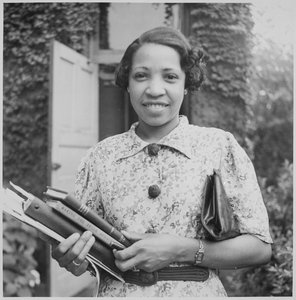
Lois Mailou Jones
1905 - 1998 , Stany Zjednoczone
Najważniejsze informacje
- Artistic Movement Or Style: Impressionizm i Harlem Renaissance
- Artists Or Movements Influenced By This Artist: ['David Driskell']
- Artists Who Influenced This Artist:
- Aaron Douglas
- Meta Warrick Fuller
- Date Of Birth: November 3, 1905
- Full Name: Lois Mailou Jones
- Nationality: Amerykańska
- Notable Artworks:
- Jeune Fille Française
- Les Fétiches
- Initiation, Liberia
- The Ascent of Ethiopia
- Place Of Birth: Boston, USA
Zobacz także powiązane artykuły

Deconstructing Reality: Cubism's Evolution, Impact & Enduring Legacy
Explore the revolutionary world of Cubism with expert insights from OriginalUniqueArt. Discover Picasso & Braque's groundbreaking techniques, its philosophical roots, and lasting impact on modern art. Expert appraisal & custom reproductions available.

Jean Dominique Antony Metzinger: Pioneering Cubism & the Evolution of Abstract Form
Explore the life & work of Jean Metzinger, a pivotal Cubist painter and theorist. Discover his innovations in proto-Cubism, 'Du Cubisme,' and Crystal Cubism – a journey through modern art's evolution.
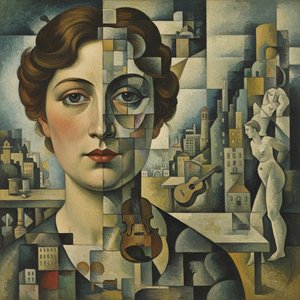
Dekonstrukcja Rzeczywistości: Rewolucyjny Wpływ Kubizmu na Sztukę XX Wieku
Odkryj rewolucyjny wpływ kubizmu na sztukę XX wieku! Analiza dzieł Picassa i Braque’a, historia nurtu, techniki oraz dziedzictwo. Ekspercka wiedza dla kolekcjonerów i miłośników sztuki.

Cubism Unveiled: How Picasso and Braque Redefined Reality Through Geometric Abstraction
Explore the revolutionary world of Cubism. Discover how masters Pablo Picasso and Georges Braque dismantled reality through geometric abstraction to redefine modern art history.

Cubism Unveiled: How Picasso and Braque Redefined Modern Art through Geometric Revolution
Explore the revolutionary world of Cubism. Discover how Pablo Picasso and Georges Braque dismantled perspective to redefine modern art through geometric innovation and analytical mastery. An essential guide for art students, collectors, and history enthusiasts.